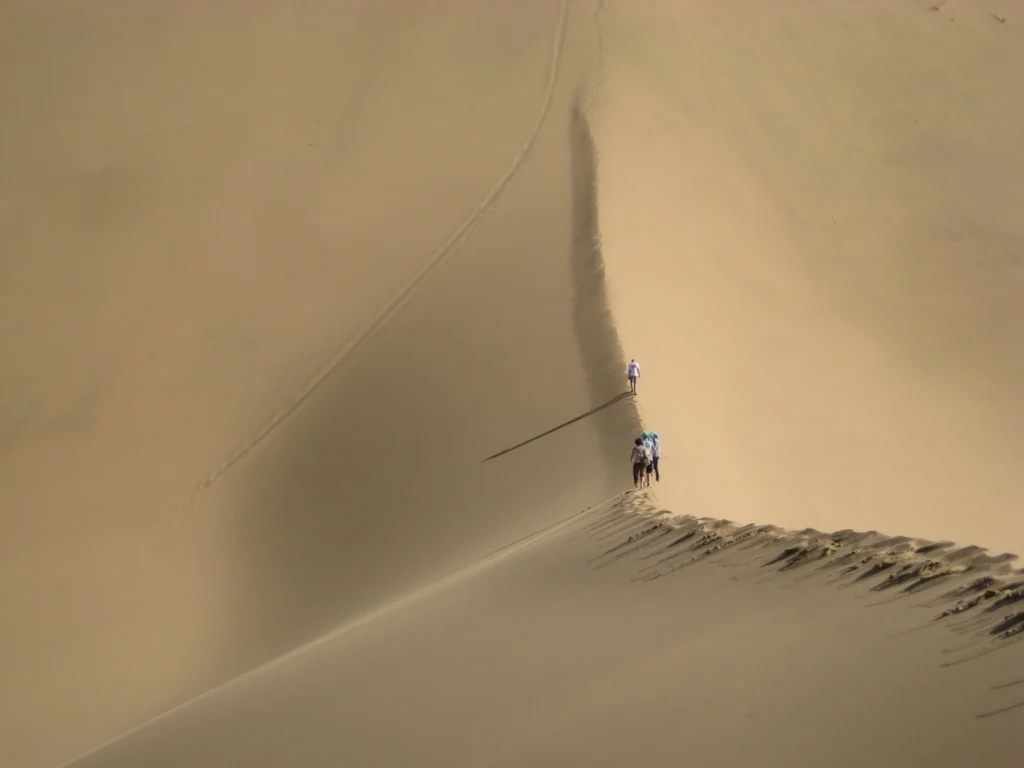
Imagine taking a hike over soft, ever shifting sands. This is exactly what Martina Klose, a researcher at USDA, did when she captured this beautiful photograph. While most of us will likely think of deserts as inhospitable and static landscapes, they can tell us much about dune forming processes, as Martina explains in today’s blog …[Read More]
Latest posts
10th international Young Geomoprhologists’ Workshop
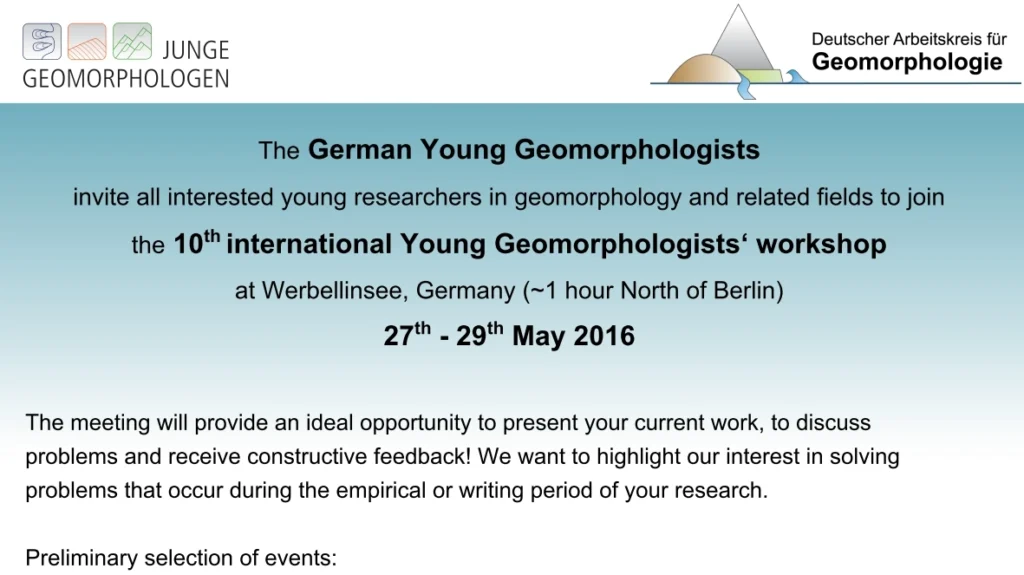
We’re happy to announce the 10th international young geomorphologists’ workshop, organized by the “Junge Geomorphologen” from Germany. The workshop will take place on 27.-29. May 2016 in Werbellinsee, near Berlin, Germany (see flyer). The meeting will provide an ideal opportunity to present your current work, to discuss problems and receive constructive feedback! We want to highlight our …[Read More]
EGU 2016 short course SC55: Seismology for non-seismologists
Do you have difficulty in understanding results inferred from seismological studies? A dedicated short course directed to non-seismologists or early career seismologists, with a particular focus for young scientists (graduate students and postdocs), is being held during this year’s EGU2016 general assembly in Vienna. The main goal of this short course is to provide an …[Read More]
GeoEd: Using art in your science teaching and outreach. The why and the how.
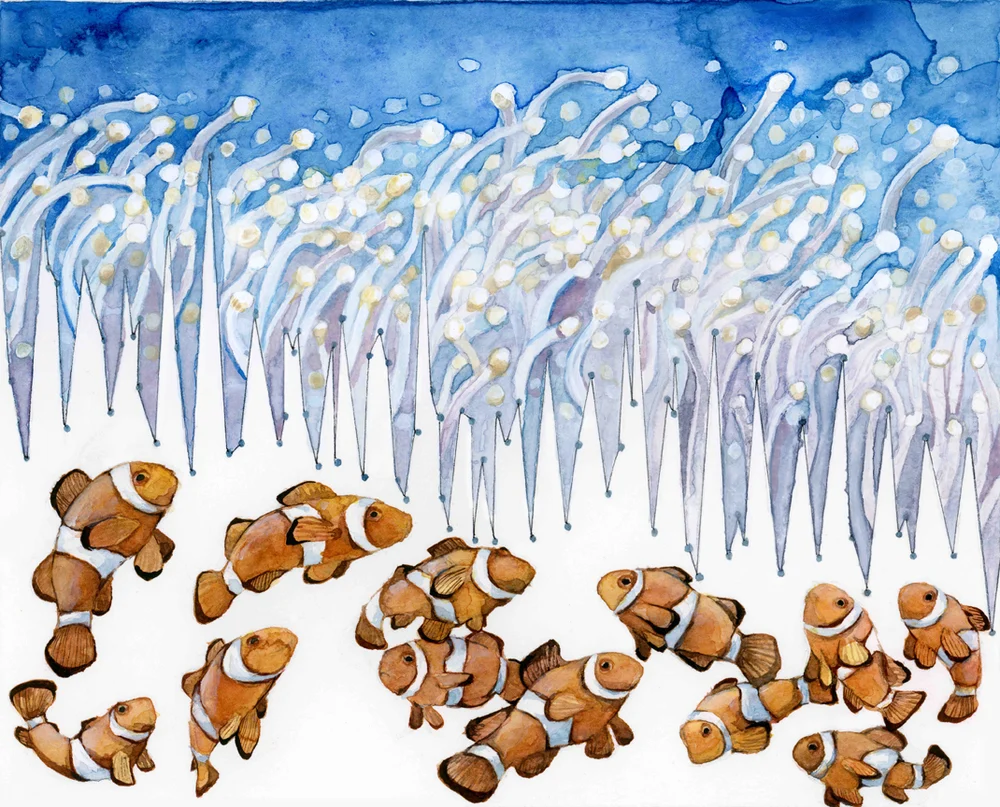
This month’s GeoEd post is brought to you by Dr. Mirjam S. Glessmer. Mirjam is a physical oceanographer turned instructional designer. She blogs about her “Adventures in Teaching and Oceanography” and tweets as @meermini. Get in touch if you are interested in talking about teaching and learning in the geosciences! Sometimes we look for new …[Read More]
Image of the Week – Monitoring icy rivers from space!
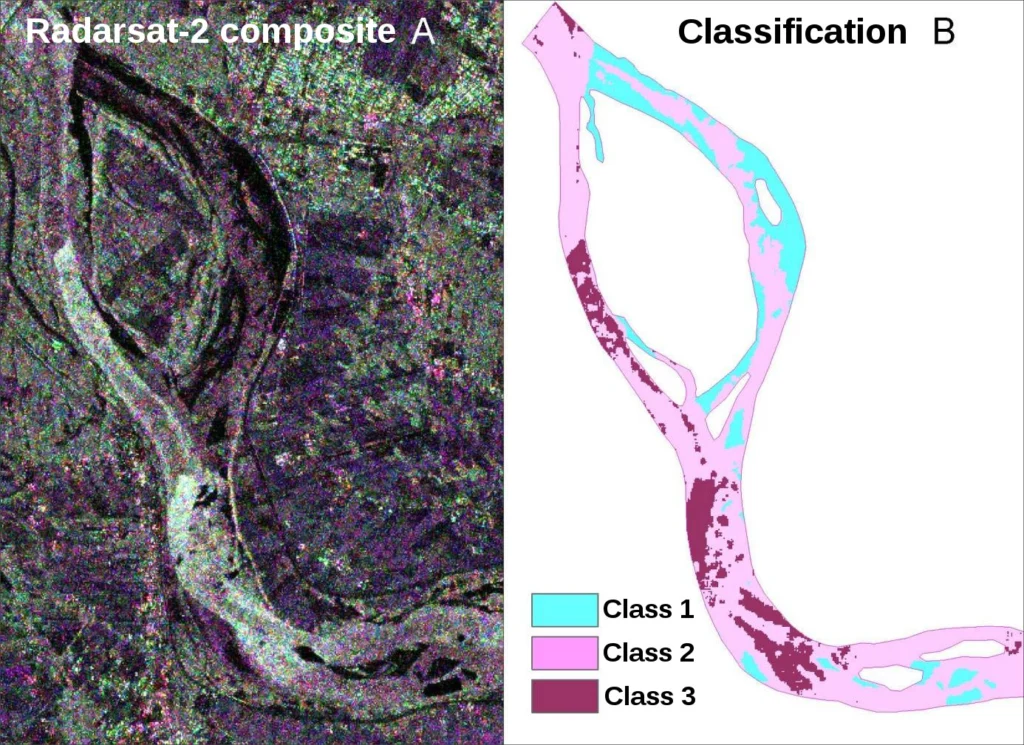
Why? When a river freezes over, it changes the amount of water that flows through the river system. River ice affects many of the world’s largest rivers, and in the Northern Hemisphere, approximately 60% of rivers experience significant seasonal effects. The formation and evolution of river ice changes river discharge and is not only of …[Read More]
GeoTalk: Friction in volcanic environments by Jackie Kendrick
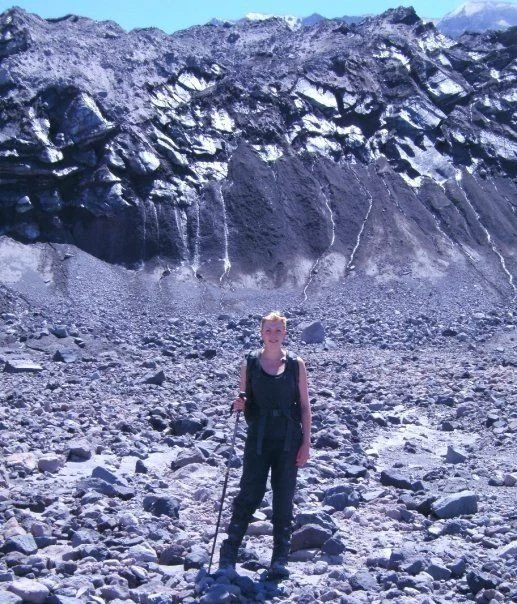
Geotalk is a regular feature highlighting early career researchers and their work. In this interview we speak to Jackie Kendrick, a volcanologist at the University of Liverpool, and winner of the 2016 GMPV Outstanding Young Scientist Award. The occasion will be marked during the upcoming General Assembly, where you’ll be able to listen to Jackie …[Read More]
Communicate your Science Video Competition finalists 2016: time to get voting!
For the third year in a row we’re running the EGU Communicate Your Science Video Competition – the aim being for early career scientists to communicate their research in a short, sweet and public-friendly video. Our judges have now selected 3 fantastic finalists from the excellent entries we received this year and it’s time to …[Read More]
Geology Photo of the Week #52 – Looking from the past to the future
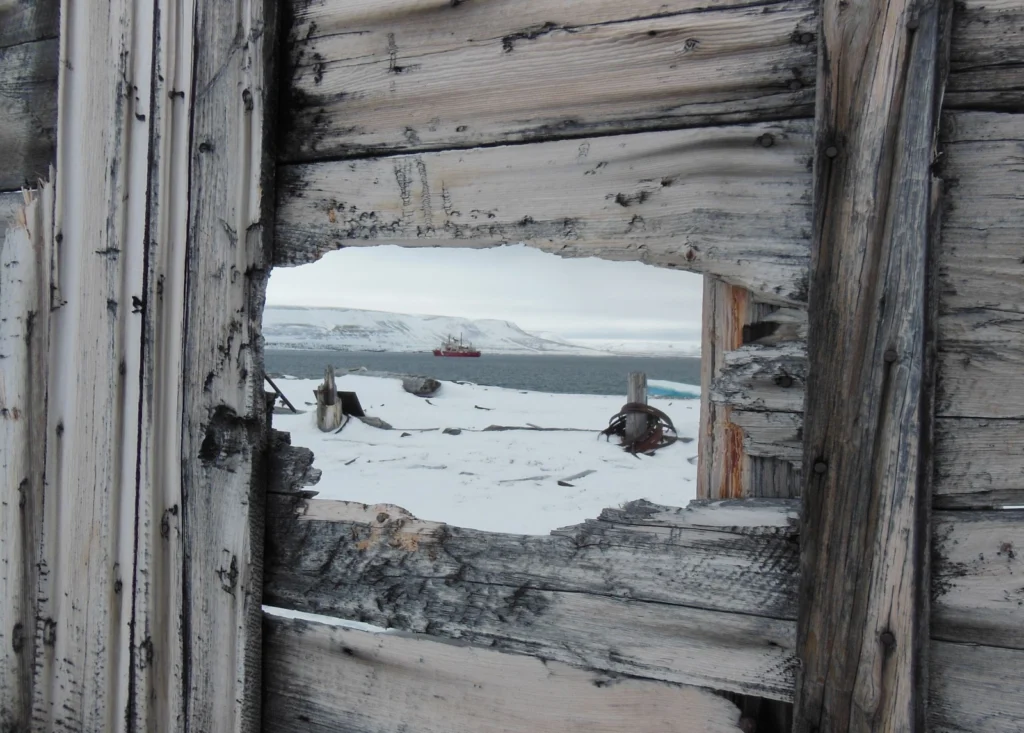
This weeks photo is a beautiful yet sad reminder that Arctic research and work is still a dangerous undertaking just as it was for the early Arctic explorers. The following text is by Vladislav Petrusvich: Canadian research icebreaker CCGS Amundsen by Beechey Island in 2013 after tragic event when a researcher (Klaus Hocheim), captain and a …[Read More]
Baseflow, groundwater pumping, and river regulation in the Wisconsin Central Sands
By Sam Zipper, postdoctoral fellow at Madison and author of tacosmog.com We often think of groundwater as a nonrenewable reservoir, deep underground, and with good reason – less than ~6% of groundwater globally entered the ground within the past 50 years. However, where a river or stream intersects the water table, water is able to …[Read More]
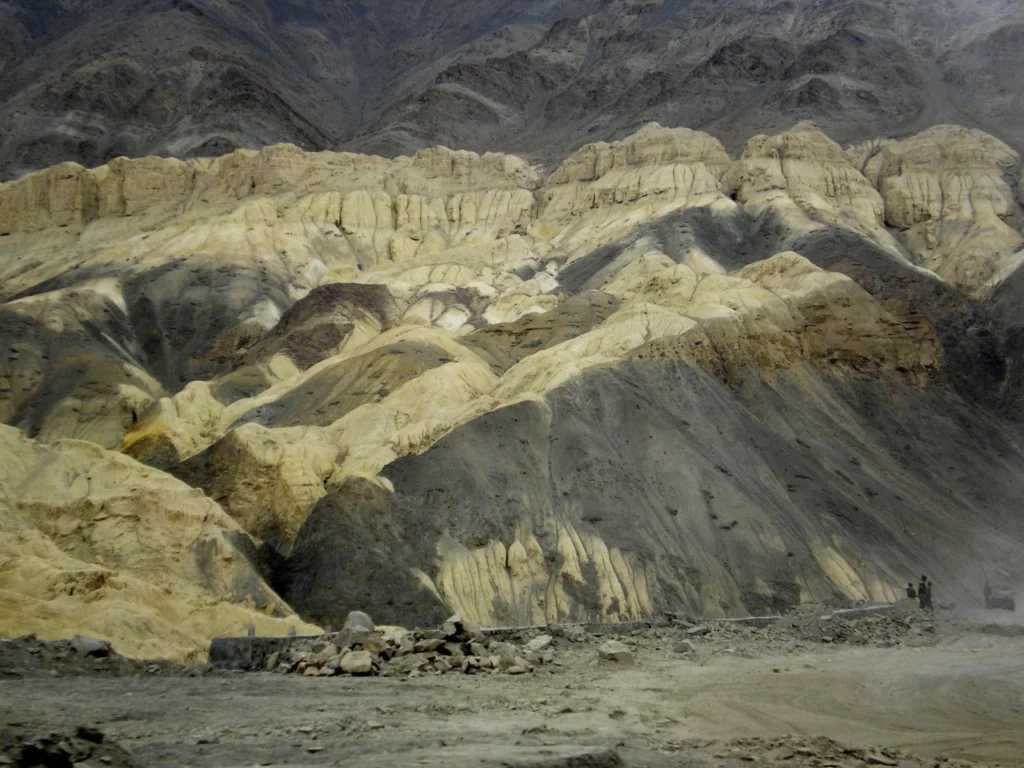
Imaggeo on Mondays: Moonland
The moon-like landscapes surrounding the Himalayan village of Lamayuru attract tourists seeking off-the-beaten track adventures. The village is enchanting, not only for the striking geological formations that frame it, but also for the presence of an 11th Century Buddhist monastery. “The rock formations are known as ‘Moonland’”, says Arjun Datta, author of this week’s imaggeo …[Read More]