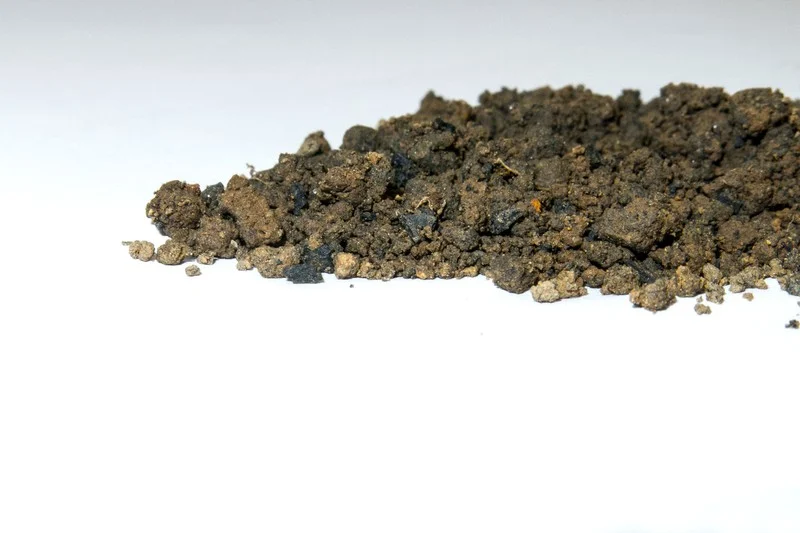
Caroline Spann University of Natural Resources and Life Sciences, Vienna As of increasing demands for 4F (food, feed, fiber and fuel production) from agricultural sites there are many researches being done on soil amendments to increase yields, to remediate degraded or even contaminated soils to make them more profitable again. Tuesday morning a session was …[Read More]
Latest posts
Take a deep breath… Or not!
We all know that pollution, of any kind, is not good news and that it may lead to health risks. Air pollution, such as smog, is something many large cities experience, especially in low- and middle-income countries. The World Health Organisation reports that “As urban air quality declines, the risk of stroke, heart disease, lung cancer, …[Read More]
The final days of the mountain glaciers
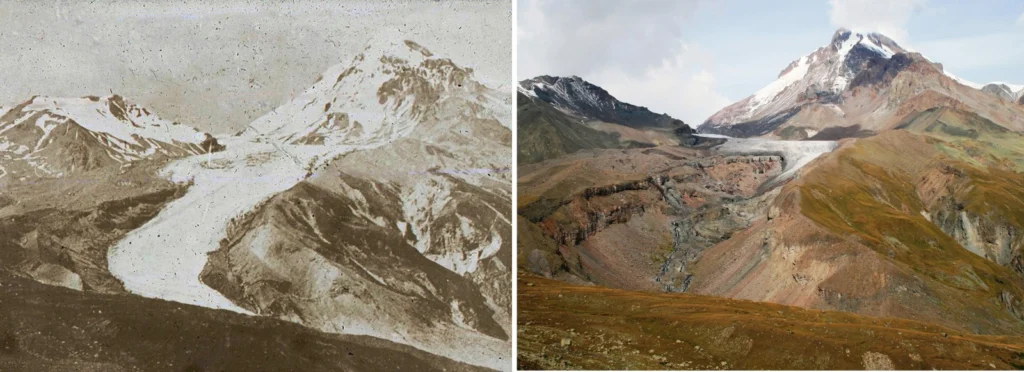
In 1896 British lawyer, mountaineer and author Douglas Freshfield climbed an obscure mountain in the Caucasus called Kasbek and in his book detailing his adventures he described the mountain: “From this point the view of Kasbek is superb: its whole north-eastern face is a sheet of snow and ice, broken by the steepness of the …[Read More]
Go ask a statistician!
Caroline Spann University of Natural Resources and Life Sciences, Vienna During the EGU2016 Assembly, the chair of the statistics advisory panel of European Journal of Soil Science offered a short course on common statistical problems in soil science papers called “Secrets from the statistics panel: common statistical problems in soil science papers”. Motivation to start such …[Read More]
From Hot to Cold – Volcanology Meets the Cryosphere
Hello again, I’m Kathi Unglert, and you’re about to read my third and final post as a student reporter at EGU 2016. Today I am writing about my experience in the cryosphere sessions from my volcanology perspective. In preparation for the conference I kept thinking about what sort of research I would see in the …[Read More]
Recent activities of the Seismology Division Early Career Scientists representative(s)
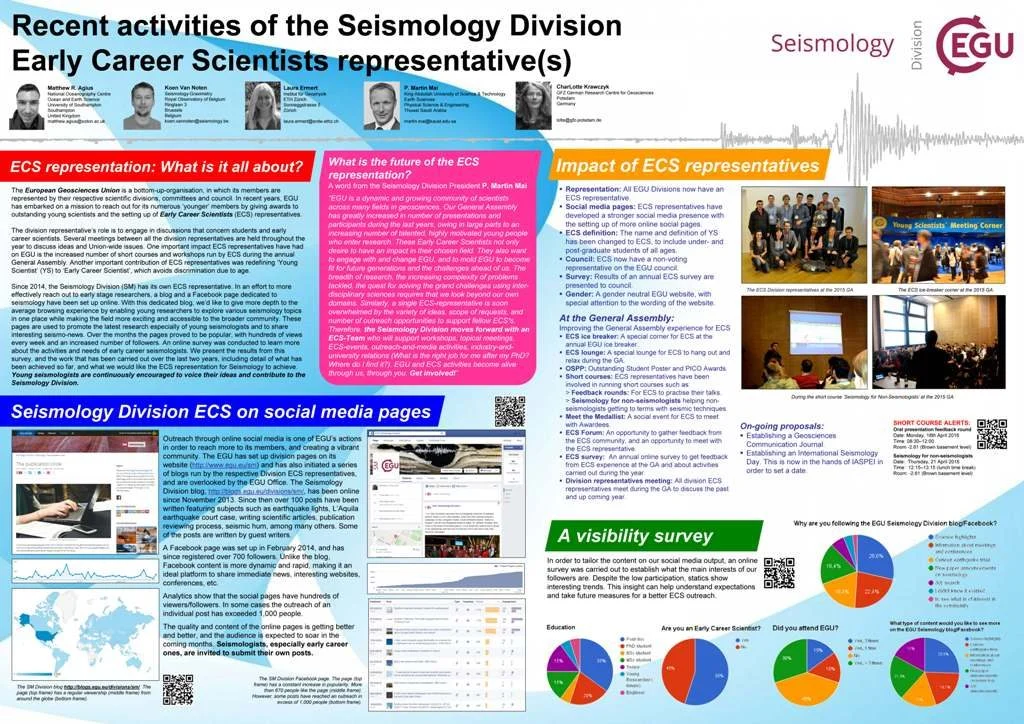
In this blog post we highlight the work that has been done by the Early Career Scientists representatives of the Seismology Division in the last two years. In recent years the European Geosciences Union has embarked on a mission to reach out for its numerous ‘younger’ members by giving awards to outstanding young scientists and the setting up …[Read More]
Imaggeo on Mondays: Earth Wave
Take a stroll along the norther beaches of the French Channel Coast, some kilometers east from the entrance of the Channel Tunnel, and you’ll encounter an imposing cliff of soft, sandy composition which dominates the landscape. On close inspection, the sediments which make up the Quaternary aged deposits of the Sangatte Cliff, are beautiful, revealing …[Read More]
GeoSciences Column: Hazagora – will you survive the next disaster?
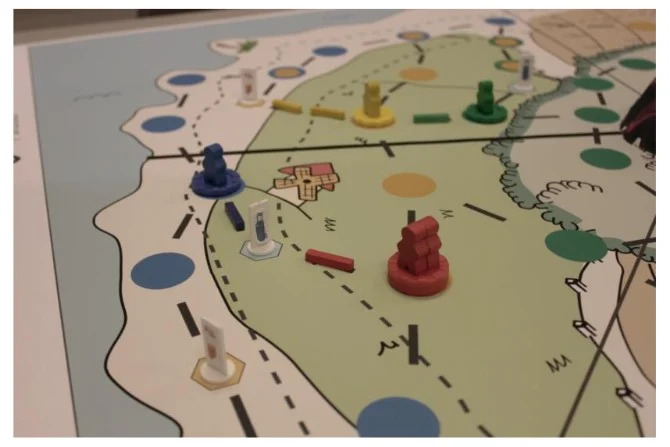
There is no better thing, on a cold and stormy winter’s evening, than to gather your friends for a night of games / board games. Fire blazing (if you have one), tasty snacks laid out and drinks poured, you are all set to indulge in a night of scheming (if you are playing battle ship), …[Read More]
Image of the Week — Glowing Ice
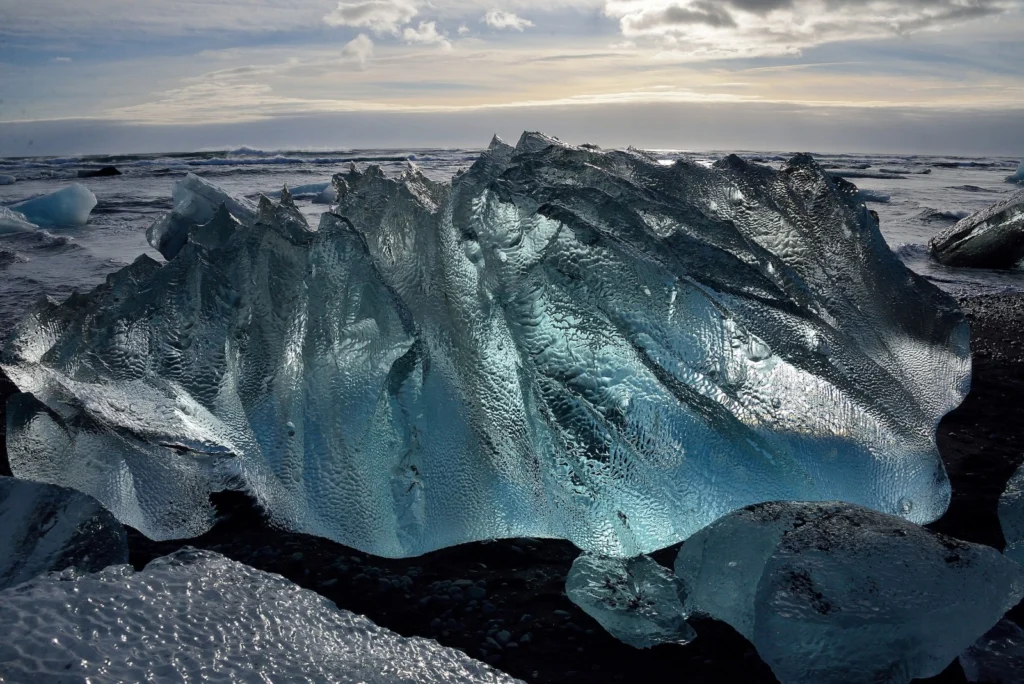
Two weeks ago, the EGU General Assembly was coming to an end in Vienna. With over 16,500 participants, this year’s edition was bigger and more varied than ever (e.g check out this good overview of the science-policy short course, published 2 days ago on geolog). The week was particularly fruitful for the cryospheric sciences and to mark this …[Read More]
GeoPolicy: How to communicate science to policy officials – tips and tricks from the experts
The EGU General Assembly was bigger than ever this year. Over 16,500 people attended more than 500 sessions. Although many sessions featured policy-relevant science, the short course entitled ‘Working at the science policy interface‘ focused purely on the role of scientists within the policy landscape. For those of you that couldn’t attend, this month’s GeoPolicy post …[Read More]