EGU Blogs

Latest posts

FloPy: A Python interface for MODFLOW that kicks tail!
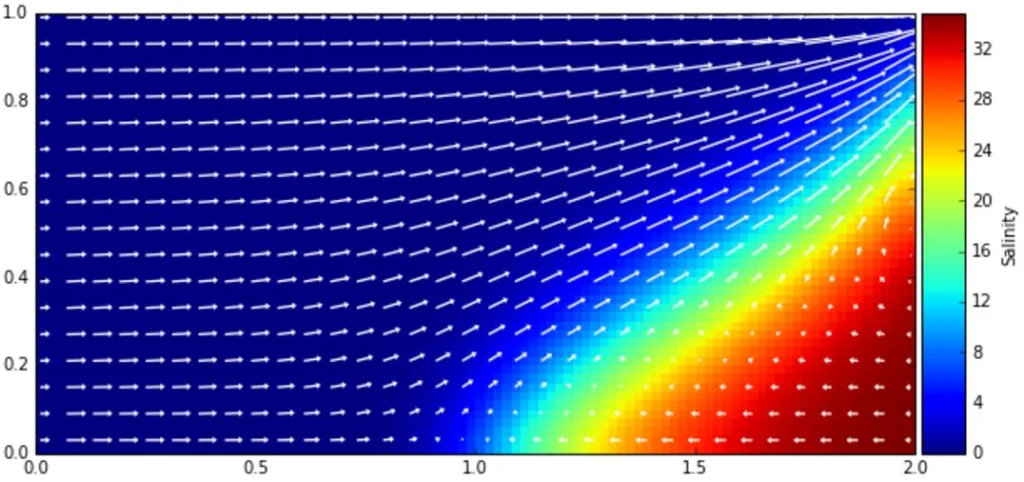
FloPy: A Python interface for MODFLOW that kicks tail!

Authored by: Kevin Befus – Assistant professor, Department of Civil and Architectural Engineering at the University of Wyoming Groundwater modeling is getting better. Models are becoming more sophisticated with simpler interfaces to add, extract, and process the data. So, at first appearances, the U.S. Geological Survey’s (USGS) recent release of a Python module named FloPy for preparing, …[Read More]

Imaggeo on Mondays: A Bubbling Cauldron

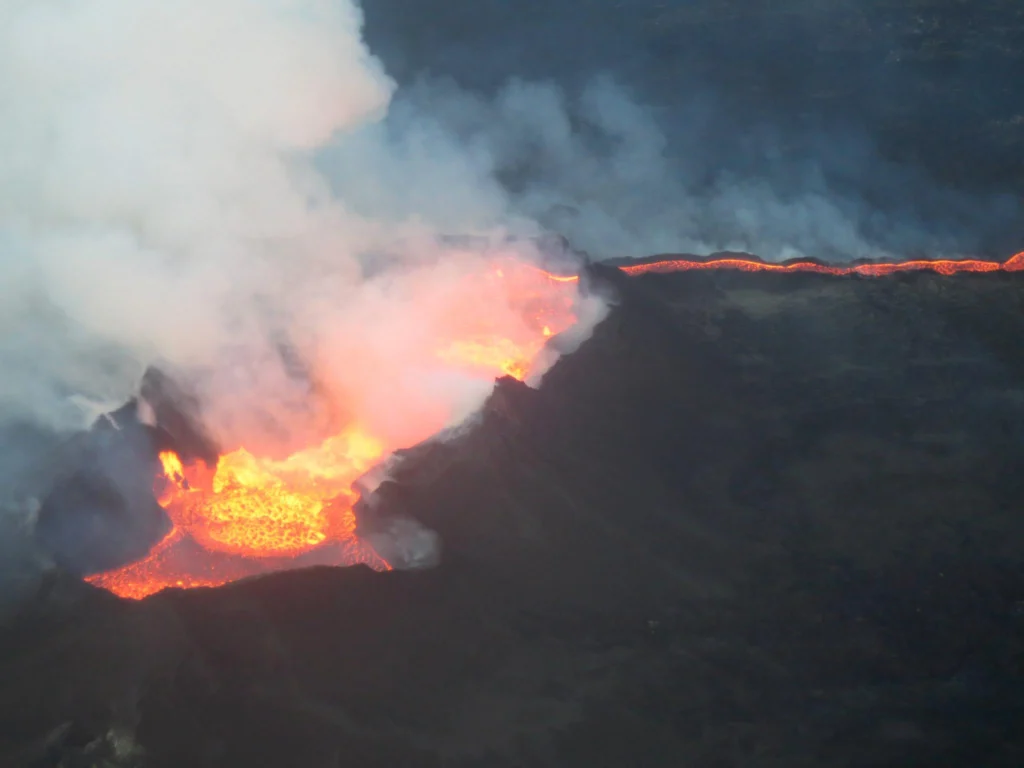
Imaggeo on Mondays: A Bubbling Cauldron

Despite being a natural hazard which requires careful management, there is no doubt that there is something awe inspiring about volcanic eruptions. To see an erupting volcano up close, even fly through the plume, is the thing of dreams. That’s exactly what Jamie  Farquharson, a researcher at Université de Strasbourg (France) managed to do during …[Read More]

SM

Listening to Earthquakes

Most seismologist see earthquakes regularly on screen. We look at the wiggles and try to process them so that we can find useful information about the Earth’s structure. But did you ever listen to earthquakes? Here are just some links to pages where you can dive into the earthquake sounds: Listening to earthquakes on USGS …[Read More]

My film is ready, now what?

My film is ready, now what?

It’s no secret that at EGU we believe using film as a medium to communicate science and engage the public with research is a great tool! So much so that we organise an annual competition for early career scientists (ECS) to produce a three-minute video to share their research with the general public, as well …[Read More]

New study of natural CO2 reservoirs: Carbon dioxide emissions can be safely buried underground for climate change mitigation

New study of natural CO2 reservoirs: Carbon dioxide emissions can be safely buried underground for climate change mitigation

New research shows that natural accumulations of carbon dioxide (CO2) that have been trapped underground for around 100,000 years have not significantly corroded the rocks above, suggesting that storing CO2 in reservoirs deep underground is much safer and more predictable over long periods of time than previously thought, explains Suzanne Hangx a postdoctoral researcher at the University …[Read More]