
Loss of ice from The Greenland Ice Sheet currently contributes approximately 1 mm/year to global sea level (Enderlin et al., 2014). The most rapidly changing and fastest flowing parts of the ice sheet are tidewater glaciers, which transport ice from the interior of the ice sheet directly into the ocean. In order to better predict …[Read More]
Latest posts
What is in your field rucksack? Backpacking in the wilderness
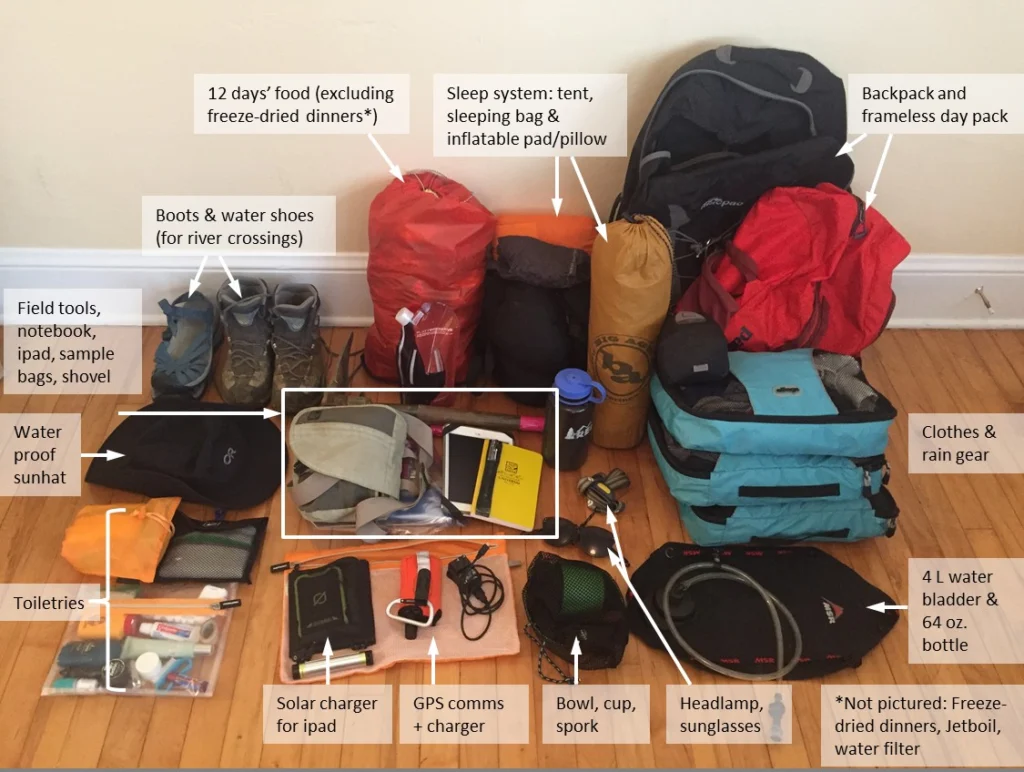
Inspired by a post on Lifehacker on what your average geologist carries in their rucksack/backpack, we’ve put together a few blog posts showcasing what a range of our EGU members carry in their bags whilst in the field! This bag belongs to: Alexa Van Eaton Field Work location: Glacier Peak volcano, Washington, USA Duration of …[Read More]
When cooling causes heating
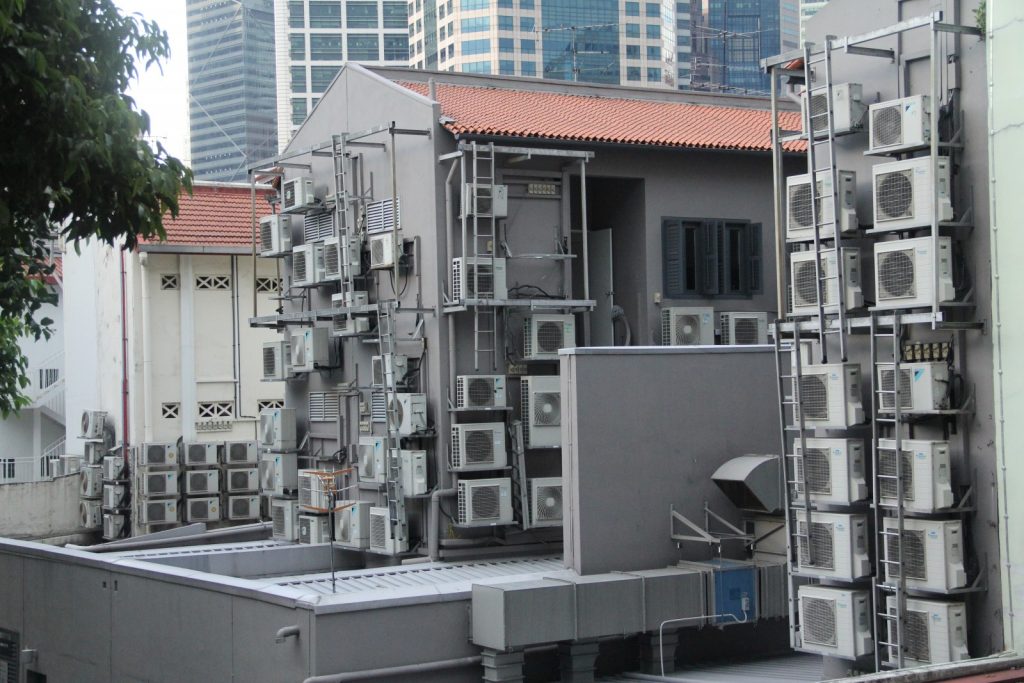
Following the Montreal Protocol in the late 1980s, CFC (chlorofluorocarbon) were replaced by hydrofluorocarbons (HFC) as a refrigerant. Unfortunately, the HFC’s have a global warming potential (GWP) far greater than the well-known greenhouse gas (GHG), carbon dioxide. Apart from the fact that …[Read More]
Imaggeo on Mondays: Why does a Norwegian glacier look blue?
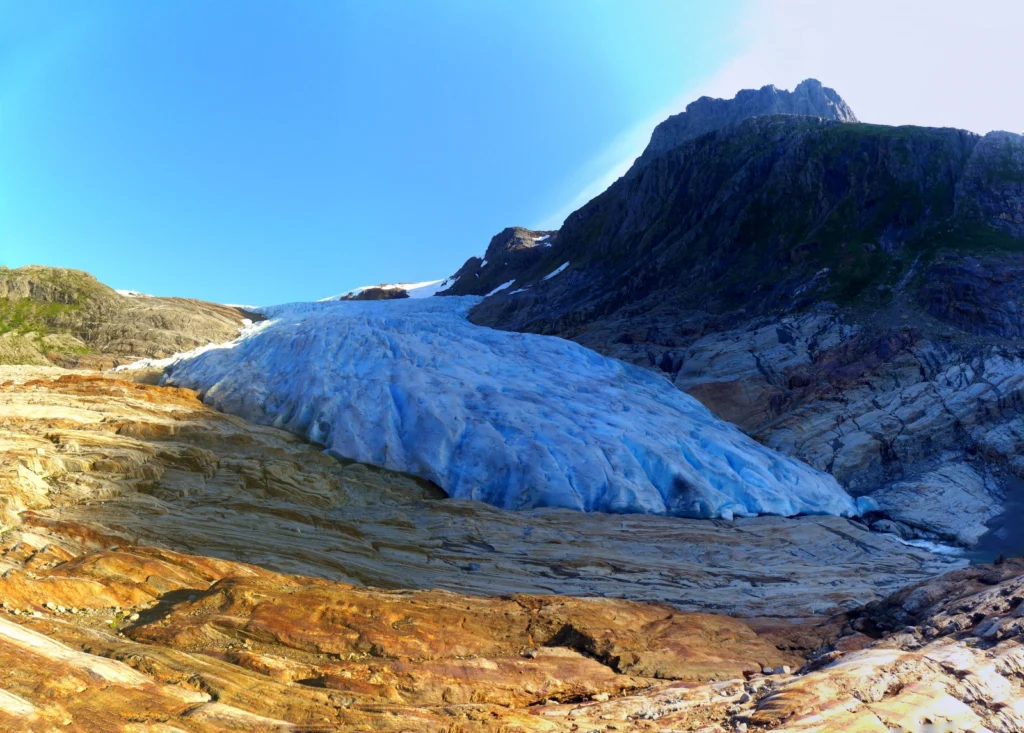
This picture shows the outlet glacier Engabreen running down from the plateau of Svartisen in Norway. Svartisen ice cap comprises two glacier systems of which the Vestre (western) Svartisen is Norway’s second largest glacier. Located right at the polar circle, Svartisen covers a total of 369 km² of the Nordland region. These coastal mountains accumulate …[Read More]
Image of the Week — Listening to the Snow
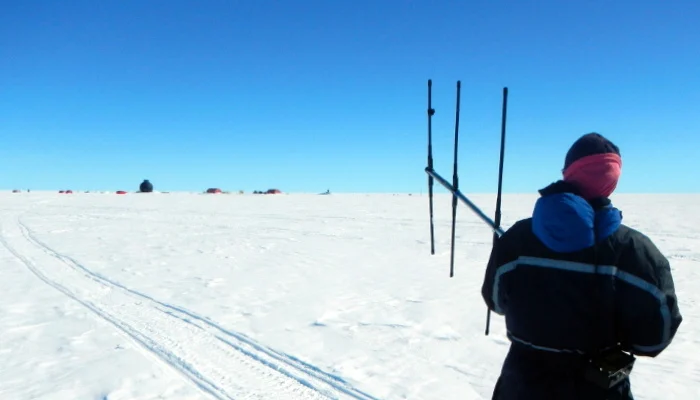
When working in the middle of an ice sheet, you rarely get to experience the amazing wildlife of the polar regions. So what are we doing hundreds of kilometres from the coast with an animal tracker device? We are listening to the snow of course! It is not crazy; It is what Image of the …[Read More]
Introducing our Early Career Scientist Team
This week we would like to introduce the Early Career Scientist team of Tectonics and Structural Geology community. Behind the activities organized during EGU and the year-round contacts on social media there is not only 1 single person who is responsible, but a team of people. So here you can read a bit more about …[Read More]
Join us at EGU 2017: Call-for-abstracts is now open!
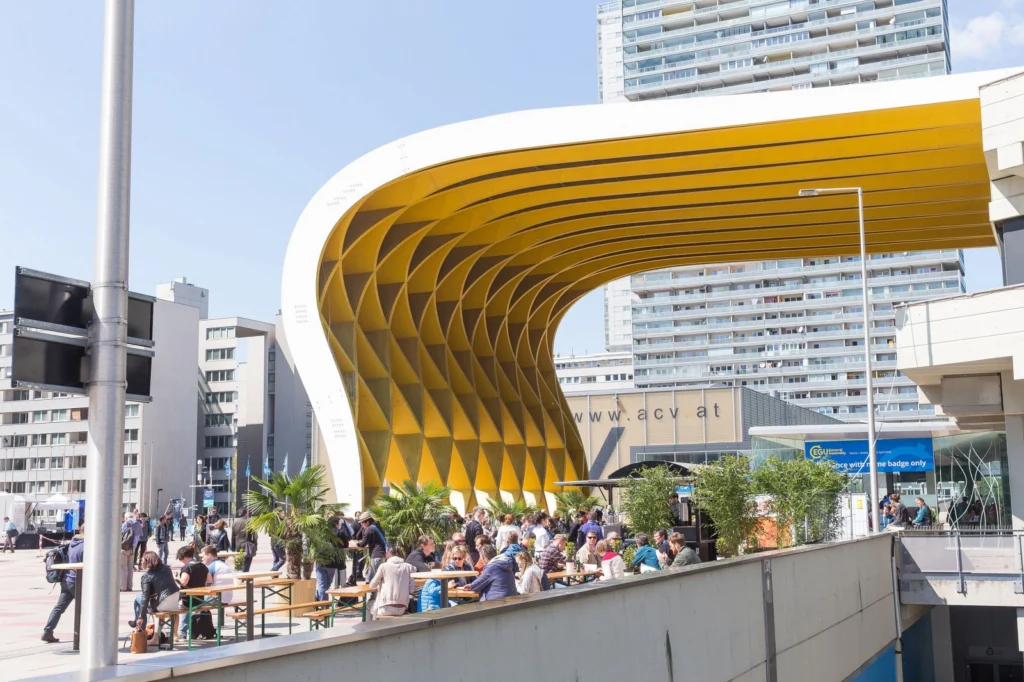
From now, up until 11 January 2017, you can submit your abstract for the upcoming EGU General Assembly (EGU 2017). In addition to established scientists, PhD students and other early career researchers are welcome to submit abstracts to present their research at the conference. Further, the EGU encourages undergraduate and master students to submit abstracts …[Read More]
Sea Level “For Dummies”

Looking out over the sea on a quiet day with no wind, the word “flat” would certainly pop up in your mind to describe the sea surface. However, this serene view of a flat sea surface is far from accurate at the global scale. The apparent simplicity behind the concept of sea level hides more complex …[Read More]
GeoPolicy: Living in a post-factual society and why it’s more important than ever for scientists to engage

Last week, the EGU Science Policy Fellow packed her bags and flew to Brussels. Now this wasn’t to sample some of the fine beers Belgium has to offer, but to attend the 2nd International Network on Government Science Advice (INGSA) Conference. This conference, co-organised by INGSA and the European Commission, aimed to discuss the major …[Read More]
Imaggeo on Mondays: The odd ‘living’ rocks
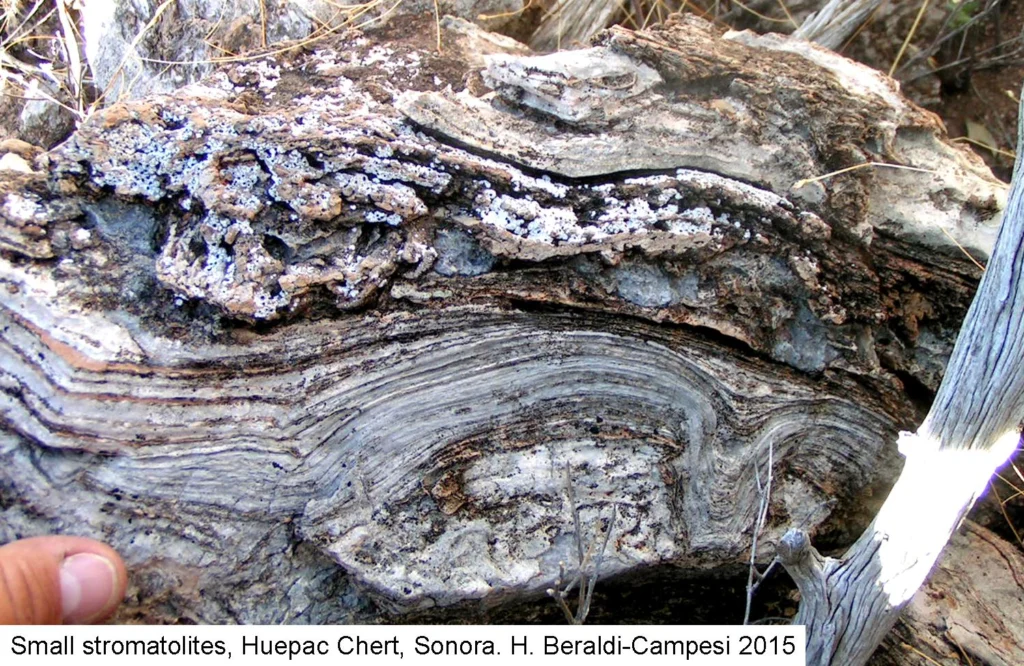
Microbialites – structures which result from the interaction between microbes and sediments – have existed in the rock record since 3700 Ma ago until the present day. The presence of microbes in environments where mineral precipitation is prevalent, usually derives in the development of such chemical sedimentary structures. This can take place in marine, non-marine, …[Read More]