EGU Blogs

Latest posts

Flooding the Santorini Caldera

Flooding the Santorini Caldera

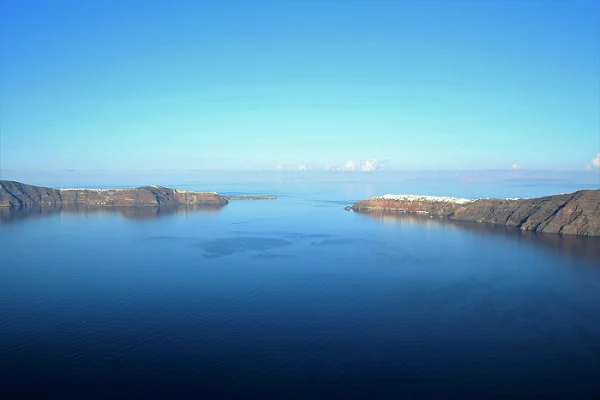
The flooded caldera of Santorini volcano holds many secrets, buried beneath the ash and pumice of its last great eruption. In the Late Bronze Age, about 3600 years ago, an explosive eruption several times larger that of Krakatoa, 1883, wreaked devastation across this thriving island. A great trading port, Akrotiri, was buried under metres of …[Read More]

Imaggeo on Mondays: Gole dell‘ Alcantara

Imaggeo on Mondays: Gole dell‘ Alcantara

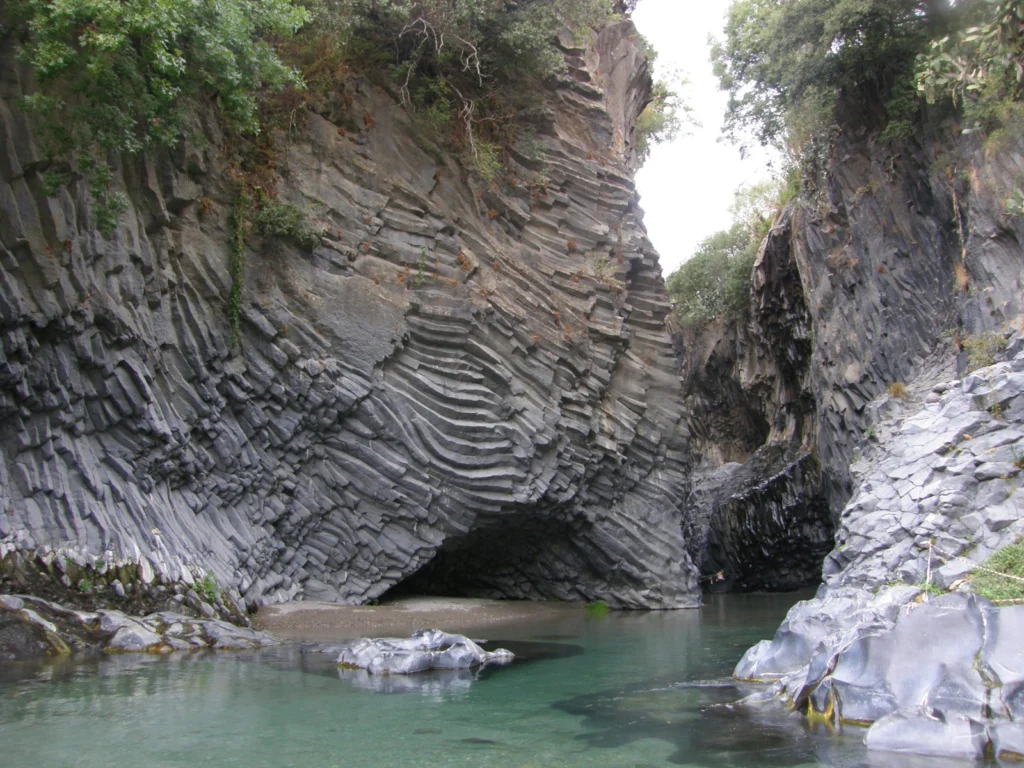
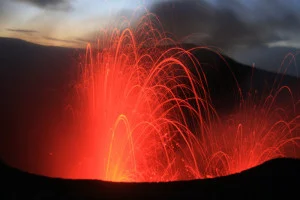
On account of Mount Etna (Europe’s largest volcano), the island of Sicily is peppered with geological wonders. Starting with the summit craters of the volcano itself, right through to over 200 caves formed within lava tubes, the island is packed with volcanic sights.Chief among them is Gole dell ‘Alcantara, a system of gorges formed 8,000 …[Read More]

Photo of the Week (Approximately)

Photo of the Week (Approximately)

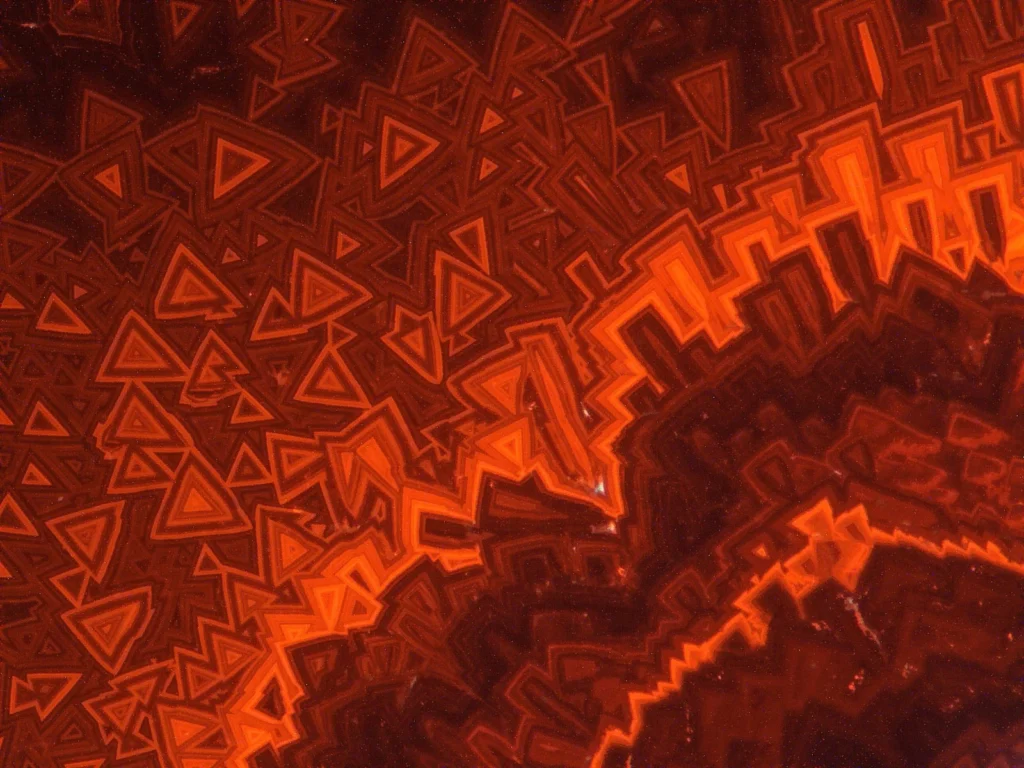
The truly insane photo above shows “Different generations of calcite cements in Late Miocene seep carbonates (Piedmont, Italy; cathodoluminescence microphotograph)”. It was taken by Marcello Natalicchio, University of Hamburg, Hamburg, Germania  – Source. This photo was taken using a cathodoluminescence microscope which is both a standalone tool or can be an adaptation to a scanning …[Read More]

GeoSciences Column: The ‘dirty weather’ diaries of Reverend Richard Davis

GeoSciences Column: The ‘dirty weather’ diaries of Reverend Richard Davis

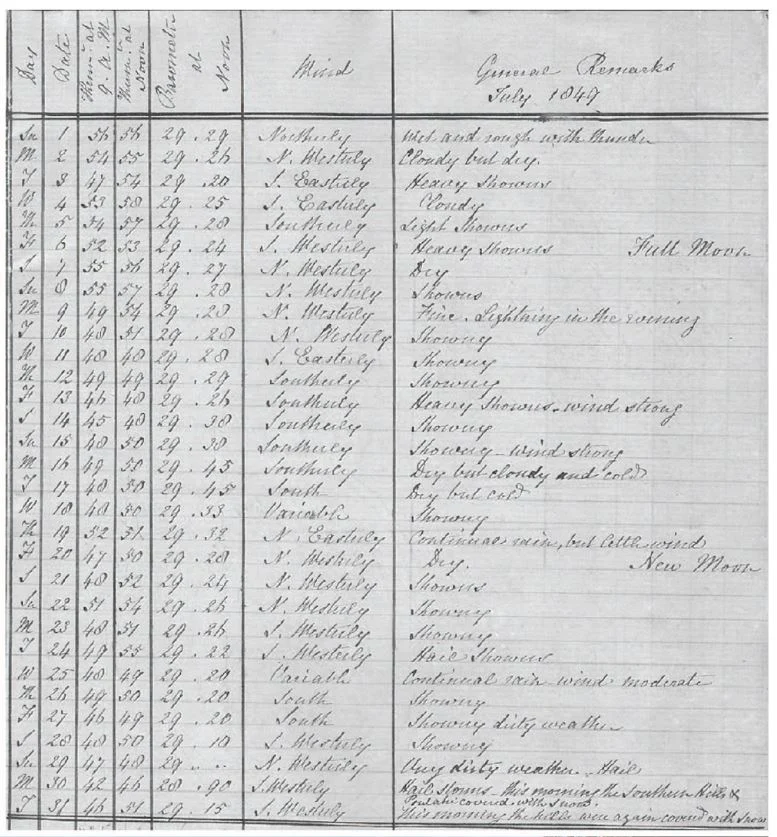
Researching the Earth’s climate of the past, helps scientists make better predictions about how the climate and our environment will continue to be affected by, change and adapt to rising temperatures. One of the most invaluable sources of data, when it comes to understanding the Earth’s past climate, are historical meteorological records. Accounts of weather …[Read More]

SM

Paper of the month — Signal apparition for wavefield separation

Paper of the month — Signal apparition for wavefield separation

Our paper of the month is  “Signal apparition for simultaneous source wavefield separation” (J. Robertsson et al., 2016) commented by Andreas Fichtner. Andreas Fichtner is Assistant Professor for Computational Seismology at the Swiss Federal Institute of Technology (ETH) in Zurich. He received his PhD from the University of Munich for his work on Full Seismic Waveform Inversion for Structural and …[Read More]

ERE

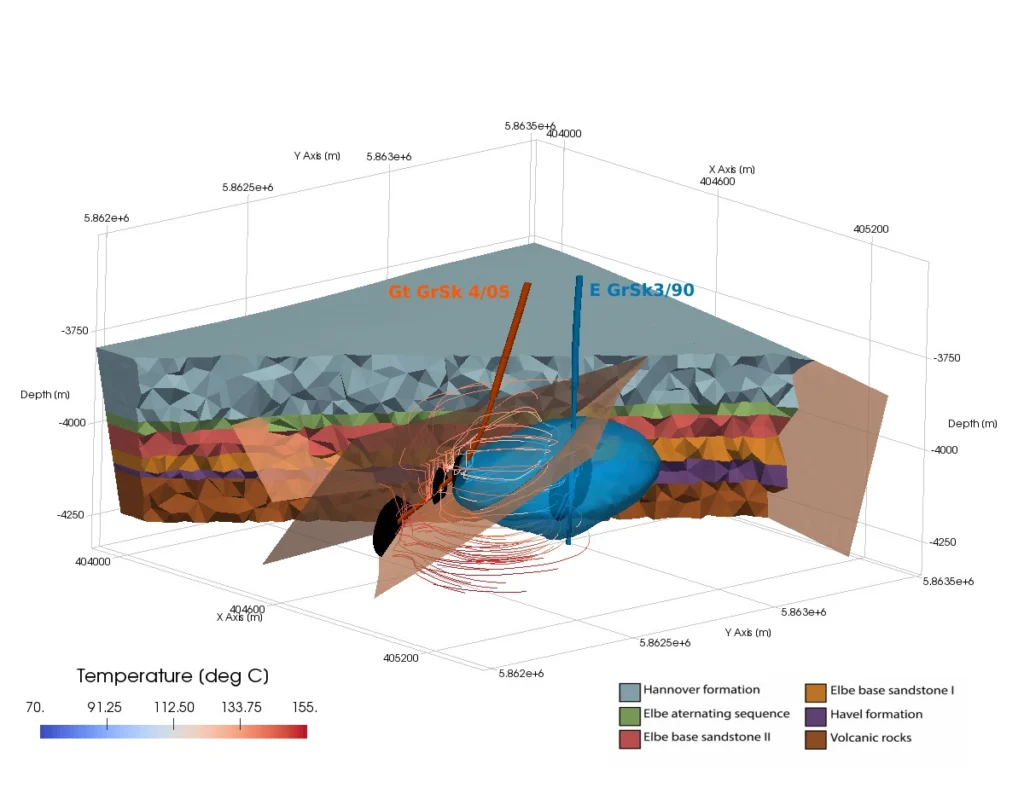
Numerically simulating production in geothermal reservoirs: application to the Groß Schönebeck deep geothermal facility.

Numerically simulating production in geothermal reservoirs: application to the Groß Schönebeck deep geothermal facility.

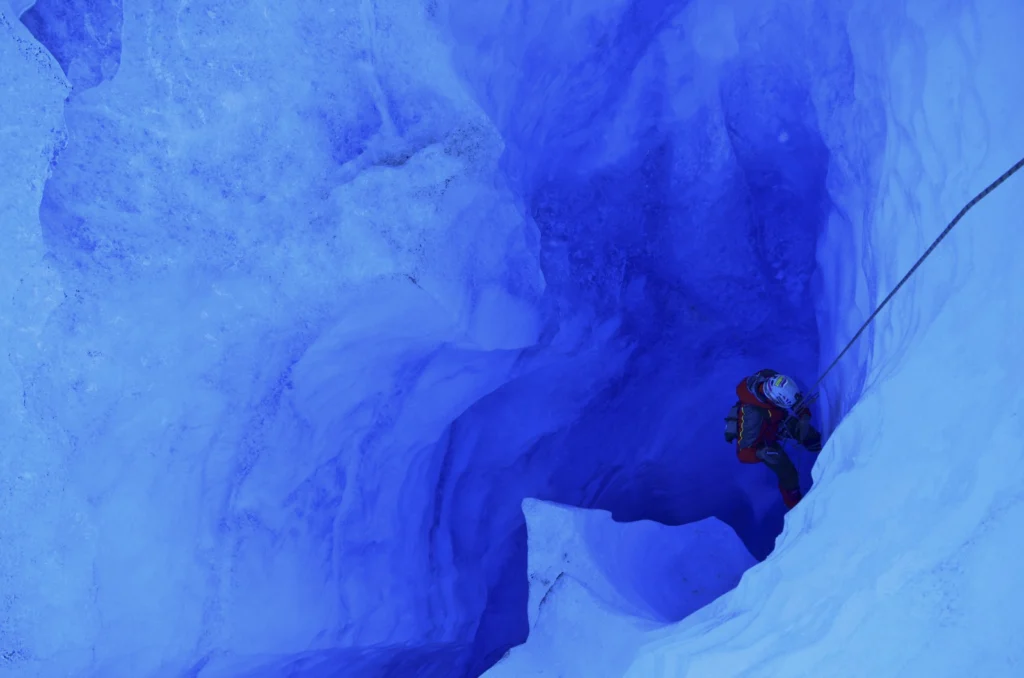
Producing deep geothermal energy involves using a well, which can be several kilometres deep, to extract hot water in the aim of using its heat to generate electricity or for industrial applications. The well is drilled into what’s called a geothermal reservoir; rock containing empty space, or porosity, which allows the passage or storage of …[Read More]