EGU Blogs

Latest posts

GeoTalk: Beatriz Gaite on why videos are a great tool for communicating your research to a broad audience

GeoTalk: Beatriz Gaite on why videos are a great tool for communicating your research to a broad audience

If you’ve not heard about our Communicate Your Science Video Competition before it gives early career scientists the chance to produce a video up-to-three-minutes long to share their research with the general public. The winning entry receives a free registration to the General Assembly the following year. In this GeoTalk interview, Laura Roberts talks to Beatriz …[Read More]

GeoPolicy: Have your say on Horizon 2020

GeoPolicy: Have your say on Horizon 2020

The European Union provides almost 75 billion euros of funding through the Horizon 2020 scheme. This money can fund research projects, studentships, post-doctorates and scientific outreach (to name but a few!). The EU is now calling for feedback and comments about the scheme. This month’s GeoPolicy explains how you can have your say.   Are …[Read More]

Crop kites

Crop kites

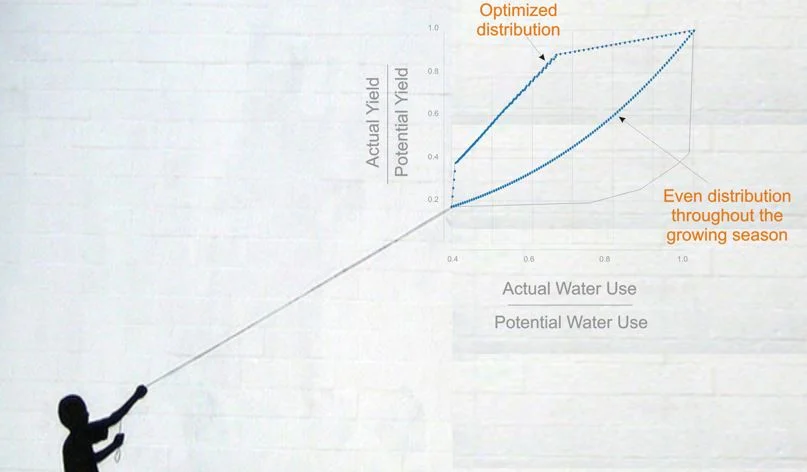
Post by WaterUnderground contributor Mikhail Smilovic. Mikhail is a PhD  candidate in the Department of Civil Engineering at McGill University, in Quebec. Crops use water for photosynthesis, absorbing nutrients, and transpiration, or the plant-equivalent of sweating. A crop may experience water-stress if the soil surrounding the roots is not adequately wet, and this stress will affect …[Read More]

GfGD endorses the ‘Cape Town Statement on Geoethics’

GfGD endorses the ‘Cape Town Statement on Geoethics’

At the start of 2017, the GfGD Board of Trustees formally endorsed the ‘Cape Town Statement on Geoethics‘, joining organisations such as Geology in the Public Interest, the American Geophysical Union (AGU), and the Geological Society of America (GSA). The ‘Cape Town Statement on Geoethics‘ was prepared during the 35th International Geological Congress in Cape Town, South …[Read More]

Imaggeo on Mondays: Tones of sand

Tones of Sand

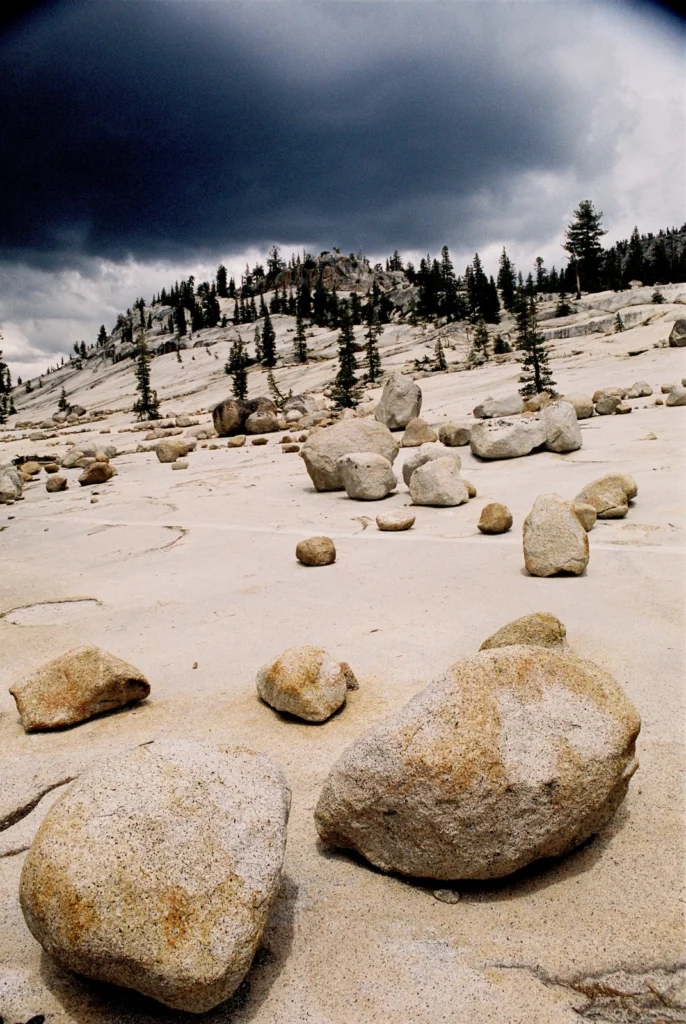
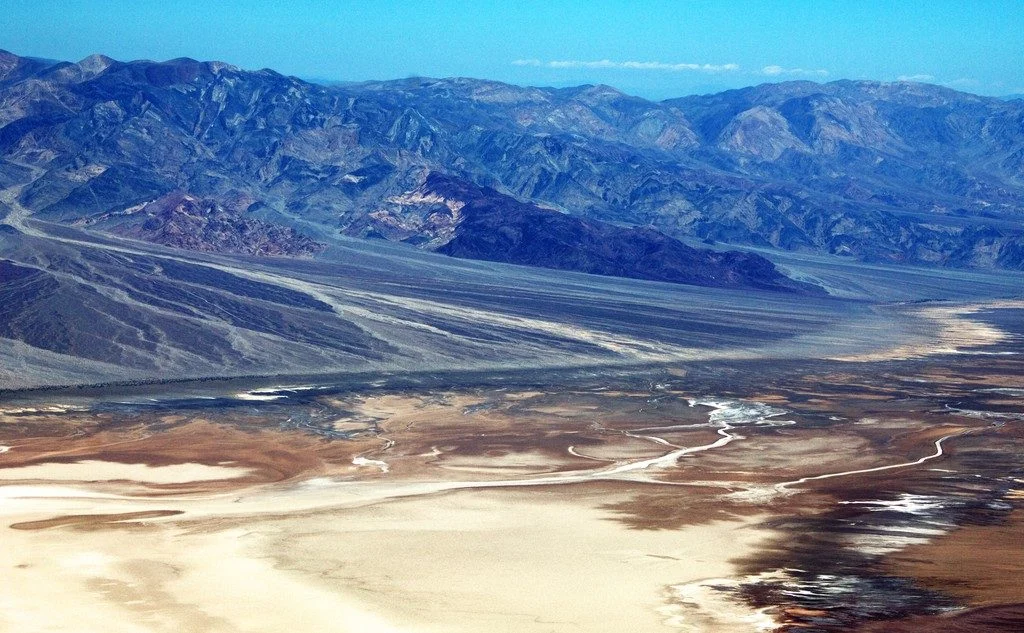
With rocks dating as far back as the Precambrian, mountain building events, violent volcanic eruptions and being covered, on and off, by shallow seas, Death Valley’s geological history is long and complex. Back in the Cenozoic (65 to 30 million years ago), following a turbulent period which saw the eruption of volcanoes (which in time …[Read More]