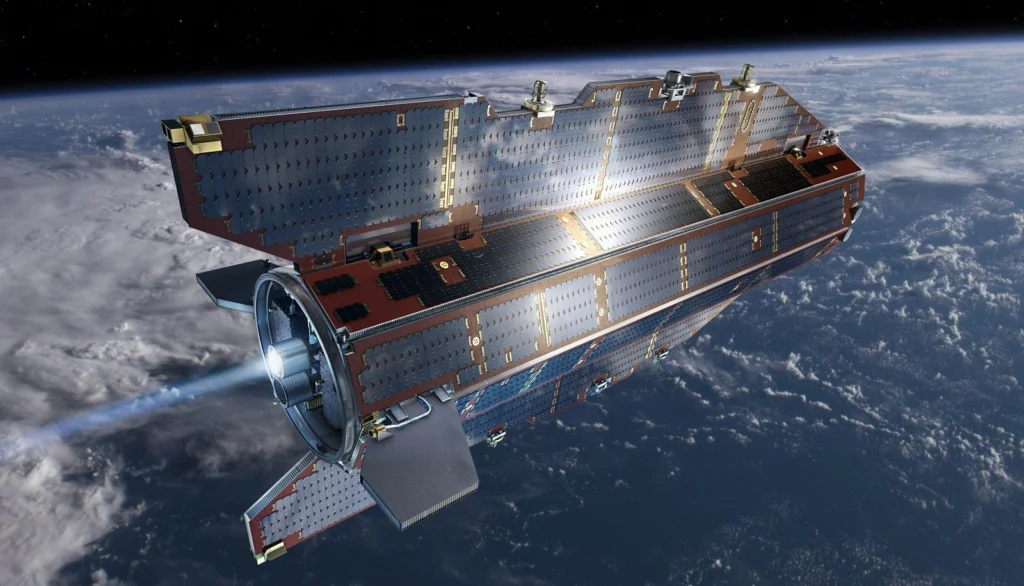
How can we learn more about the Earth’s interior by going into space? This edition of Minds over Methods discusses using satellite data to study the Earth’s lithospere. Anita Thea Saraswati, PhD student at the University of Montpellier, explains how information on the gravity of the Earth is obtained by satellites and how she uses this …[Read More]
Latest posts
Photo of the Week
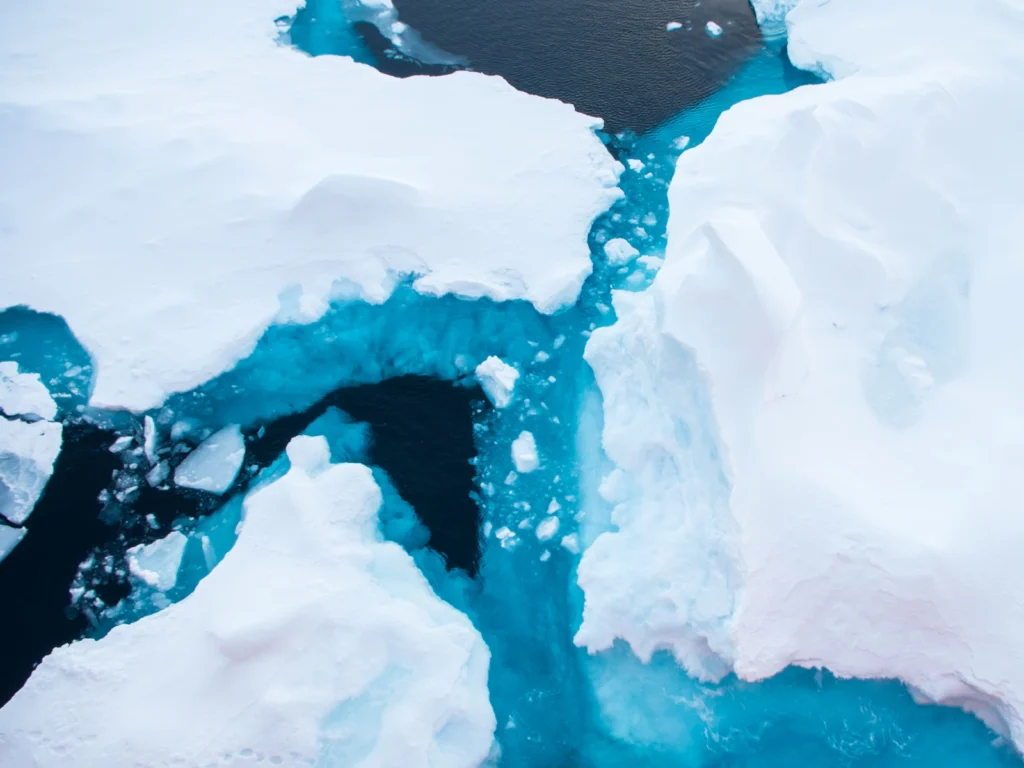
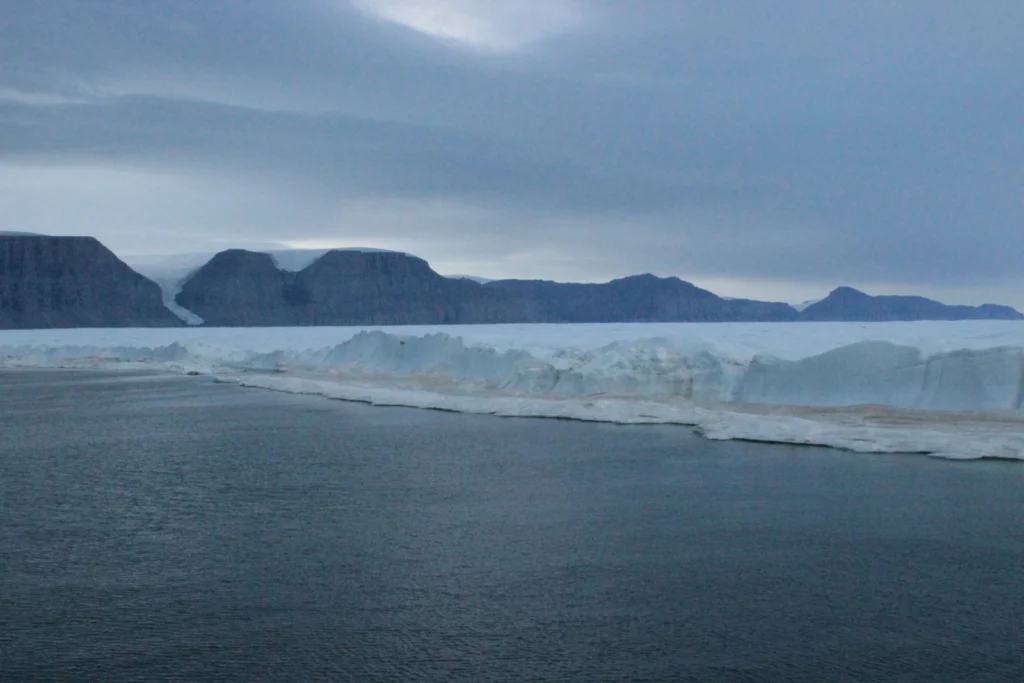
This amazing picture above was taken by Mikhail Varentsov, Lomonosov Moscow State University, Moscow, Russia. It can be found here. Mikhail writes “Melting summer sea ice is separated to pieces by the net of cracks, and their edges have amazing light-blue color, which is in contrast with white ice surface and deep blue sea water. Photo …[Read More]
Imaggeo on Mondays: Deep in the Himalayas
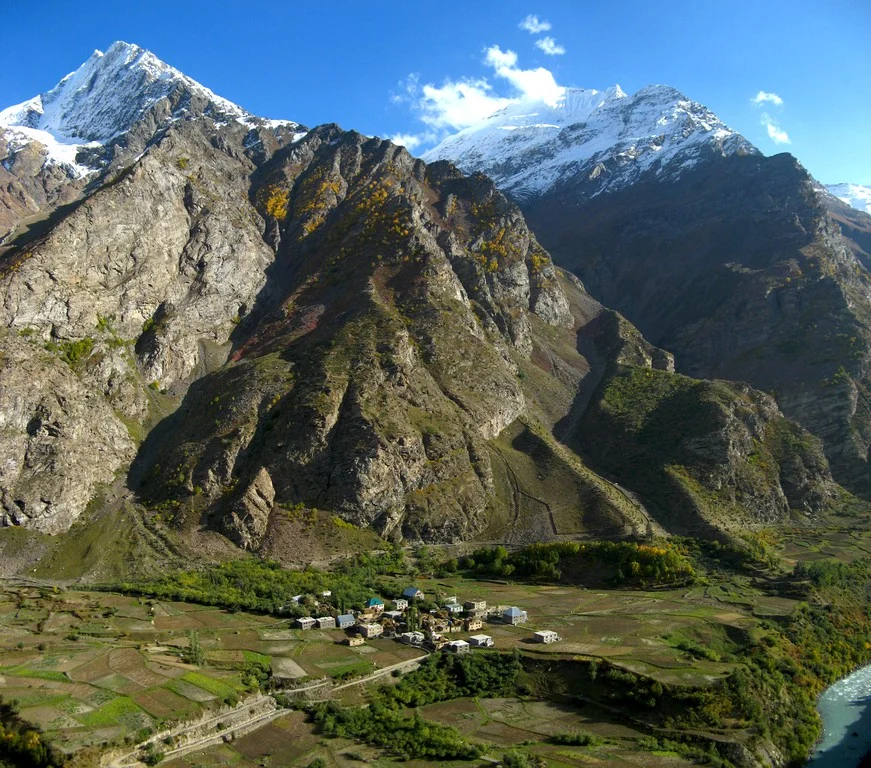
The Himalayas: vast, formidable and home to the Earth’s highest peaks. The mountain range stretches inexorably through Indian, Bhutan, Nepal, China (Tibet) and Pakistan separating the Tibetan Plateau to the north from India’s alluvial plains to the south. India, as we know it today, started life much further south, as an island not far off …[Read More]
Geosciences Column: Africa’s vulnerability to climate change
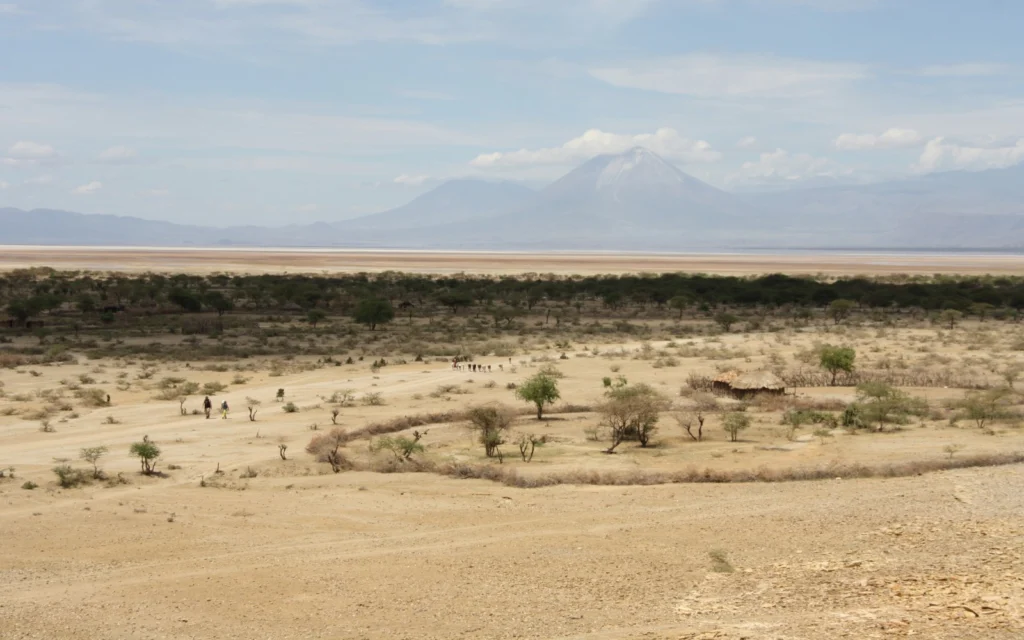
Ravaged by armed conflicts, a deep struggle with poverty, poor governance and horizontal inequality, some parts of Africa and other Global South regions are arguably the most vulnerable to the impacts of climate change. Largely reliant on natural resources for sustenance, current and future changes in temperatures, precipitation and the intensity of some natural hazards …[Read More]
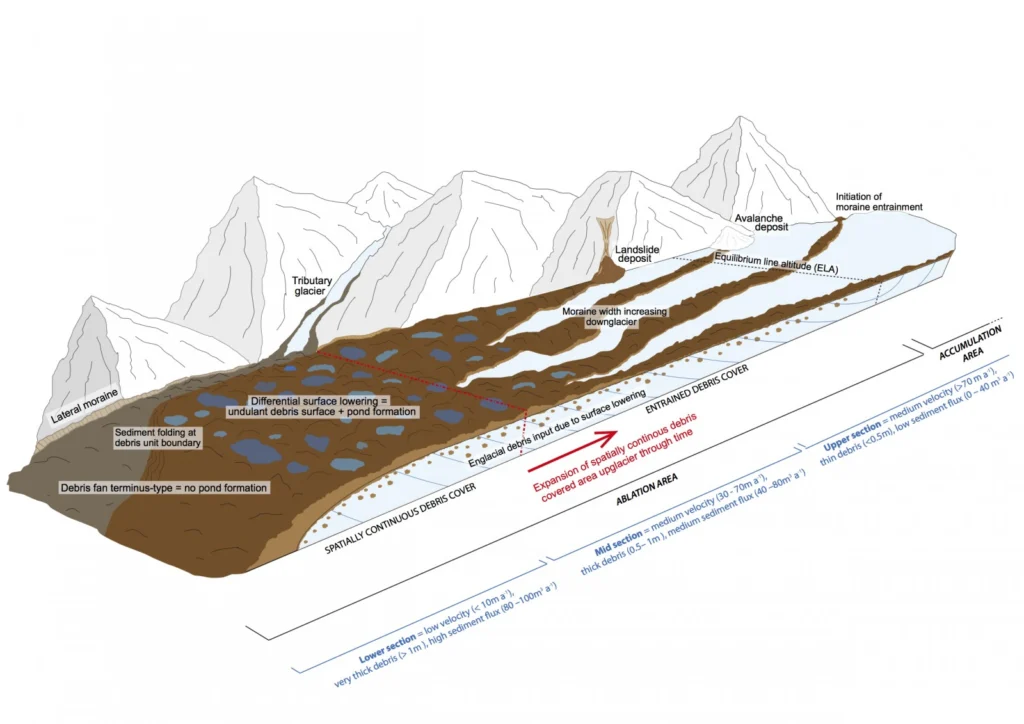
Image of the Week – Supraglacial debris variations in space and time!
There is still a huge amount we don’t know about how glaciers respond to climate change. One of the most challenging areas is determining the response of debris-covered glaciers. Previously, we have reported on a number of fieldwork expeditions to debris-covered glaciers but with this Image of The Week we want to show you another way …[Read More]
EGU’s Geodesy Division needs a new early career scientist voice
In the run-up to the general assembly in 2017, The geodesy division is looking for a fresh early career scientist (ECS) to take over the role of the ECS-representative. But what comprises being an ECS-representative? And where can you sign up? Early career scientists represent a significant share of the EGU general assembly attendees. It …[Read More]
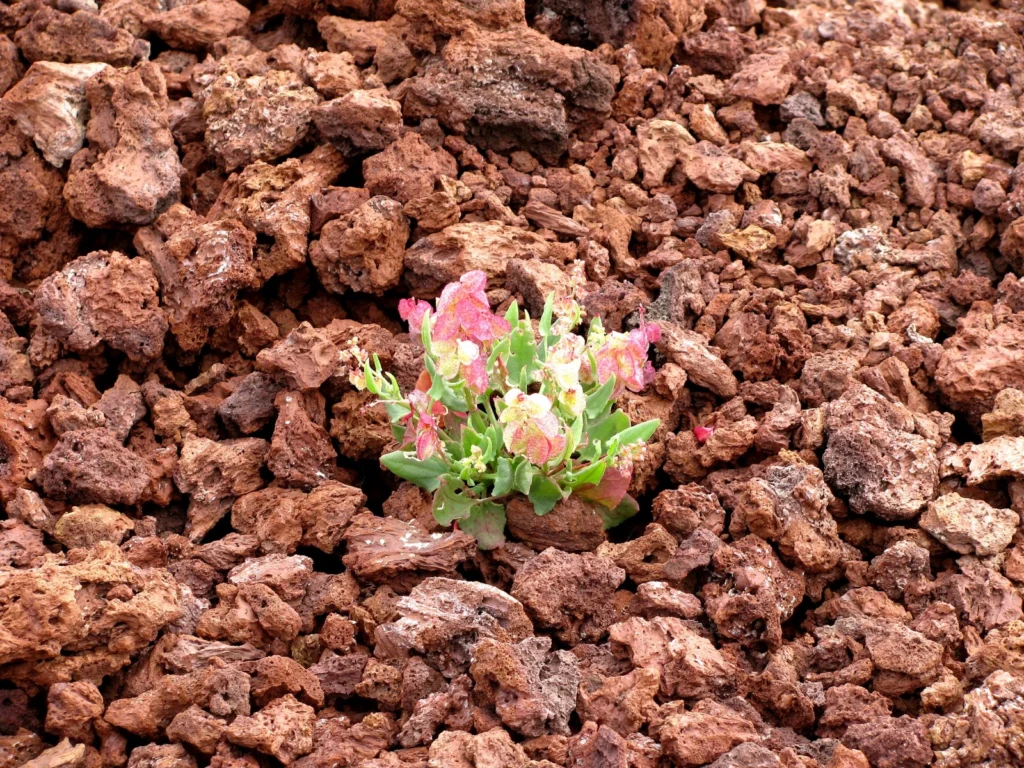
Imaggeo on Mondays: Life on bare lava
There are plenty of hostile habitats across the globe but some flora and fauna species are resourceful enough to adapt and make extreme environments their home. From heat-loving ants of the Sahara to microbes living in the light-deprived ocean depths, through to beatles who brave the bitterly cold Alaskan winter, there are numerous examples of …[Read More]
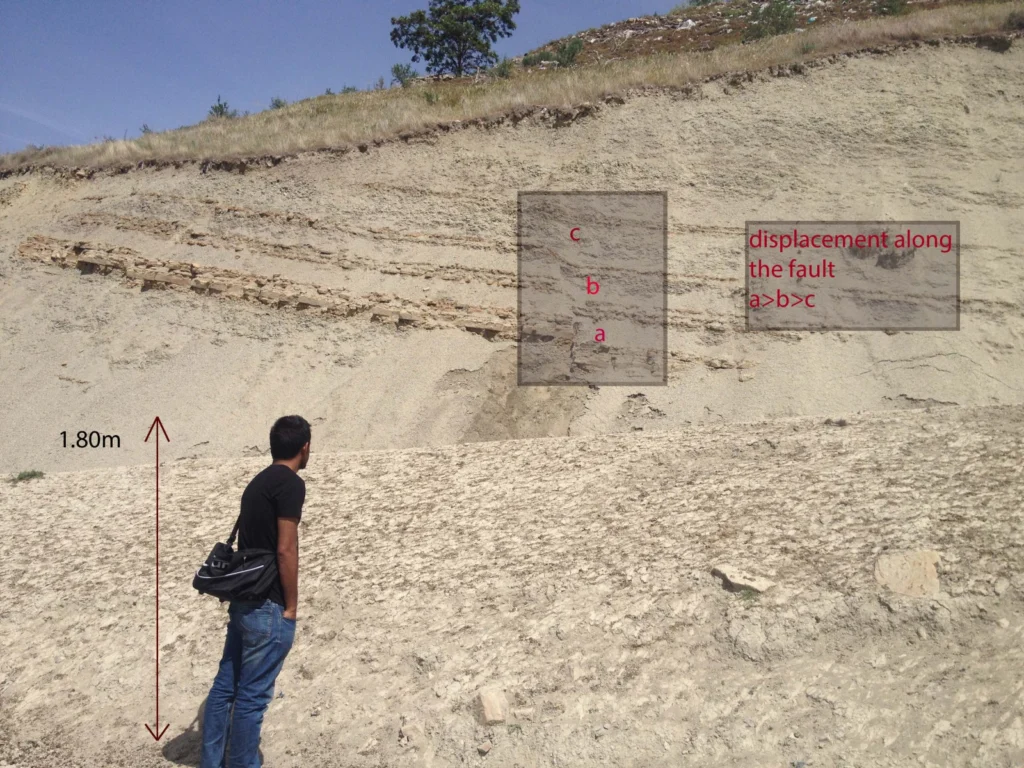
Features from the field: Growth Faults
Growth faults are syndepositional or syn-sedimentary extensional faults. Growth faults develop when sediments are being deposited, are key elements in understanding deformation processes. Indeed, successively deposited sedimentary layers are involved in the different stages of the growth of the structure and produce a record of the deformation history. Their fault plane dips mostly toward the …[Read More]
Image of the Week – On the tip of Petermann’s (ice) tongue
5th August 2015, 10:30 in the morning. The meeting had to be interrupted to take this picture. We were aboard the Swedish icebreaker Oden, and were now closer than anyone before to the terminus of Petermann Glacier in northwestern Greenland. But we had not travelled that far just for pictures… Petermann’s ice tongue Petermann is …[Read More]
January GeoRoundup: the best of the Earth sciences from across the web
The start of the new year sees the launch of a new series here on GeoLog. Drawing inspiration from popular stories on our social media channels, as well as unique and quirky research news, this monthly column aims to bring you the best of the Earth and planetary sciences from around the web. Major stories …[Read More]