EGU Blogs

Latest posts

GeoPolicy: Making a case for science at the United Nations

GeoPolicy: Making a case for science at the United Nations

This month’s GeoPolicy is a guest post by the International Council for Science (ICSU). Based in Paris, the organisation works at the science-policy interface on the international scale. Here, Heide Hackmann, Executive Director at ICSU, highlights key initiatives ensuring science is present within the United Nations (UN) and explains how ICSU and the scientific community …[Read More]

Photo of the Week

Photo of the Week

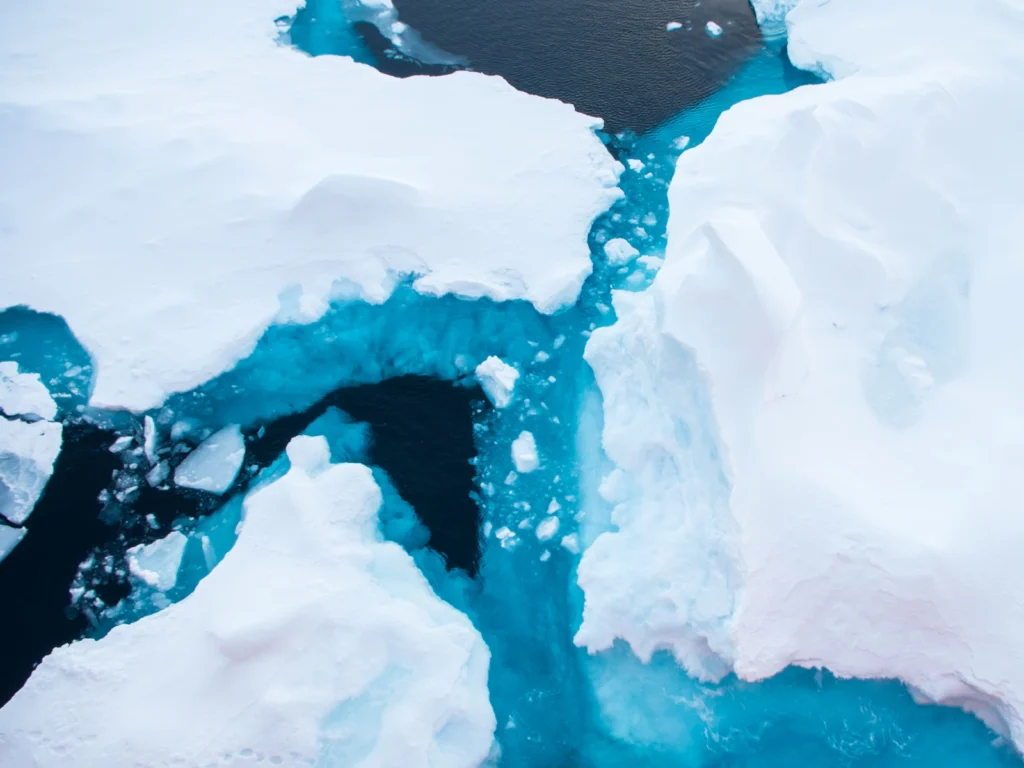
This amazing picture above was taken by Mikhail Varentsov, Lomonosov Moscow State University, Moscow, Russia. It can be found here. Mikhail writes “Melting summer sea ice is separated to pieces by the net of cracks, and their edges have amazing light-blue color, which is in contrast with white ice surface and deep blue sea water. Photo …[Read More]

Imaggeo on Mondays: Deep in the Himalayas

Imaggeo on Mondays: Deep in the Himalayas

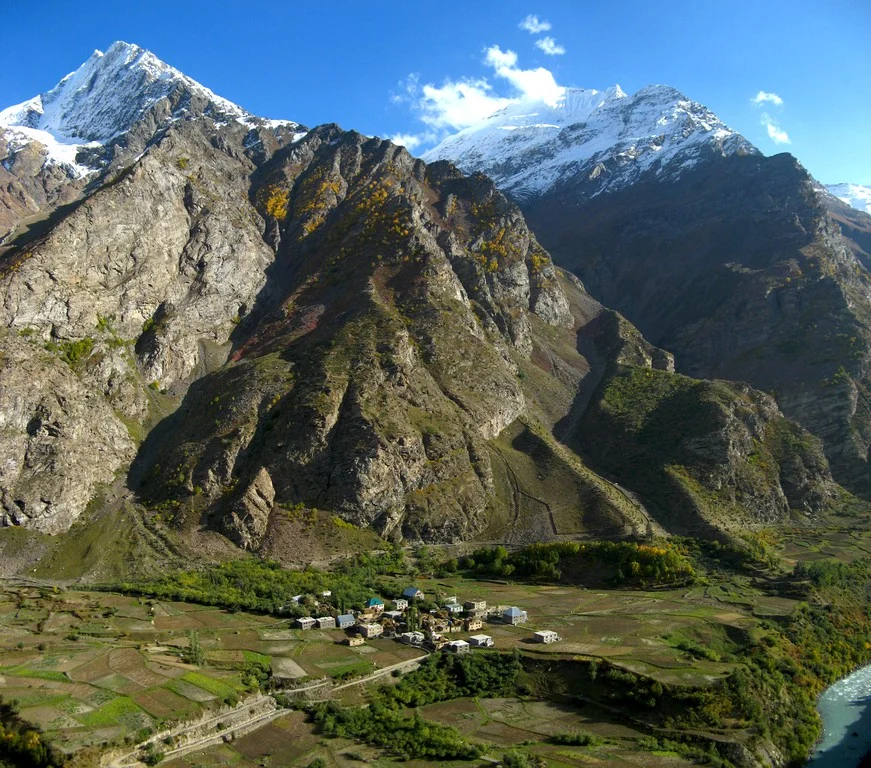
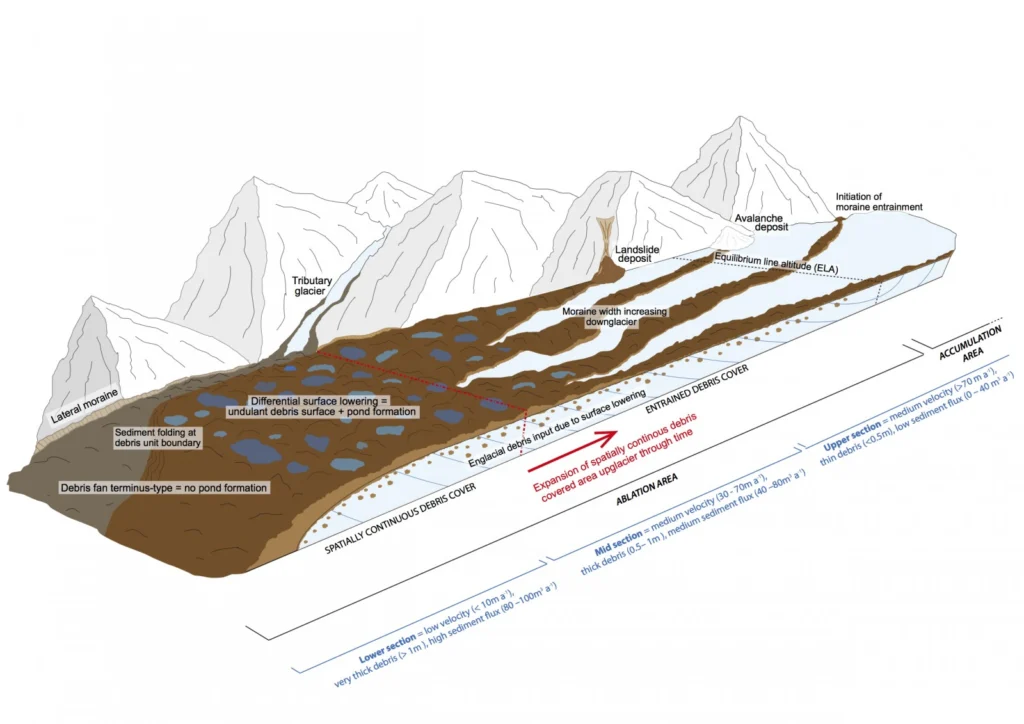
The Himalayas: vast, formidable and home to the Earth’s highest peaks. The mountain range stretches inexorably through Indian, Bhutan, Nepal, China (Tibet) and Pakistan separating the Tibetan Plateau to the north from India’s alluvial plains to the south. India, as we know it today, started life much further south, as an island not far off …[Read More]

Geosciences Column: Africa’s vulnerability to climate change

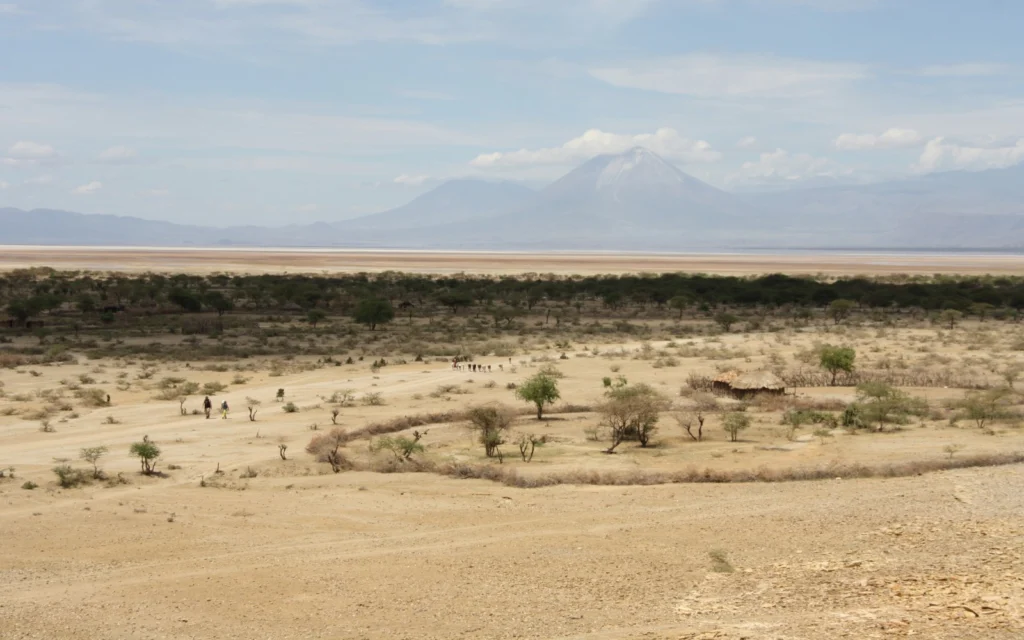
Climate change is set to hit the nations of the Global South the hardest.

Ravaged by armed conflicts, a deep struggle with poverty, poor governance and horizontal inequality, some parts of Africa and other Global South regions are arguably the most vulnerable to the impacts of climate change. Largely reliant on natural resources for sustenance, current and future changes in temperatures, precipitation and the intensity of some natural hazards …[Read More]

Imaggeo on Mondays: Life on bare lava

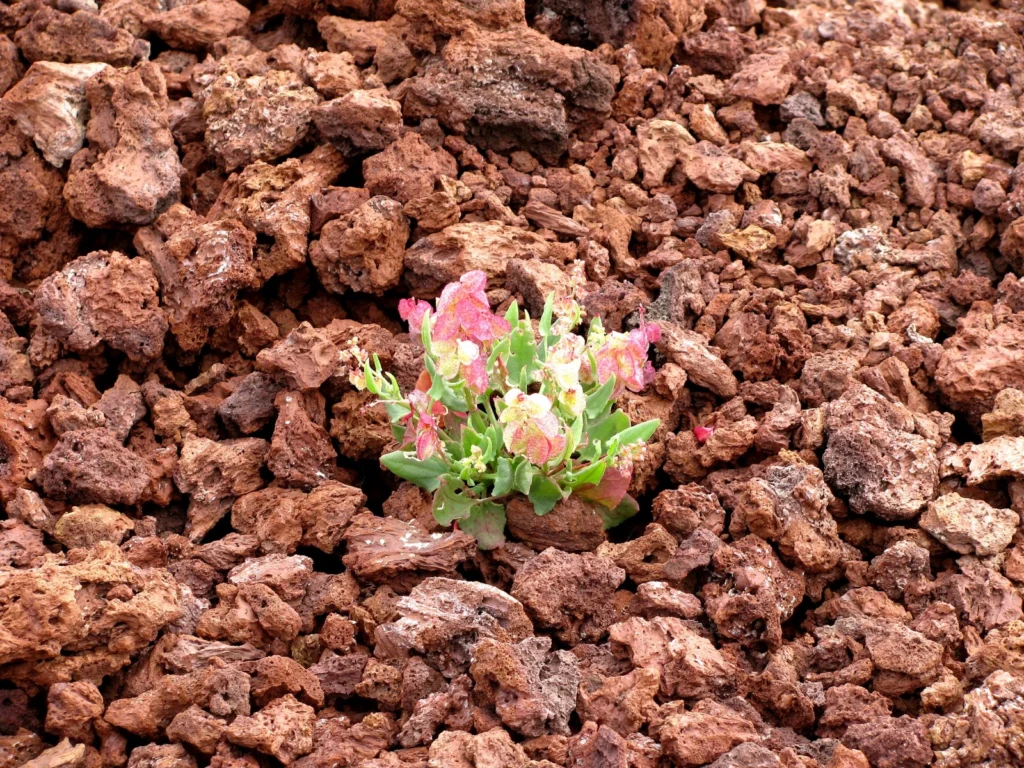
Life on bare lava

There are plenty of hostile habitats across the globe but some flora and fauna species are resourceful enough to adapt and make extreme environments their home. From heat-loving ants of the Sahara to microbes living in the light-deprived ocean depths, through to beatles who brave the bitterly cold Alaskan winter, there are numerous examples of …[Read More]