The Geodynamics 101 series serves to show the diversity of topics and methods in the geodynamics community in an understandable manner for every geodynamicist. PhD’s, postdocs, full professors, and everyone in between can introduce their field of expertise in a lighthearted, entertaining manner and touch on some of the outstanding questions and problems related to …[Read More]
Latest posts
New Dimensions for Natural Hazards in Asia: the first AOGS–EGU Joint Conference
Asia is one of the most natural disaster-prone regions on the globe. Overpopulation and limited resources mean that natural hazards hit local populations particularly hard. “It doesn’t matter which index or evaluation method you use, Asia will always unfortunately come out on top when it comes to fatalities and damage from natural hazard events,” explains Dr. Adam Switzer, a member …[Read More]
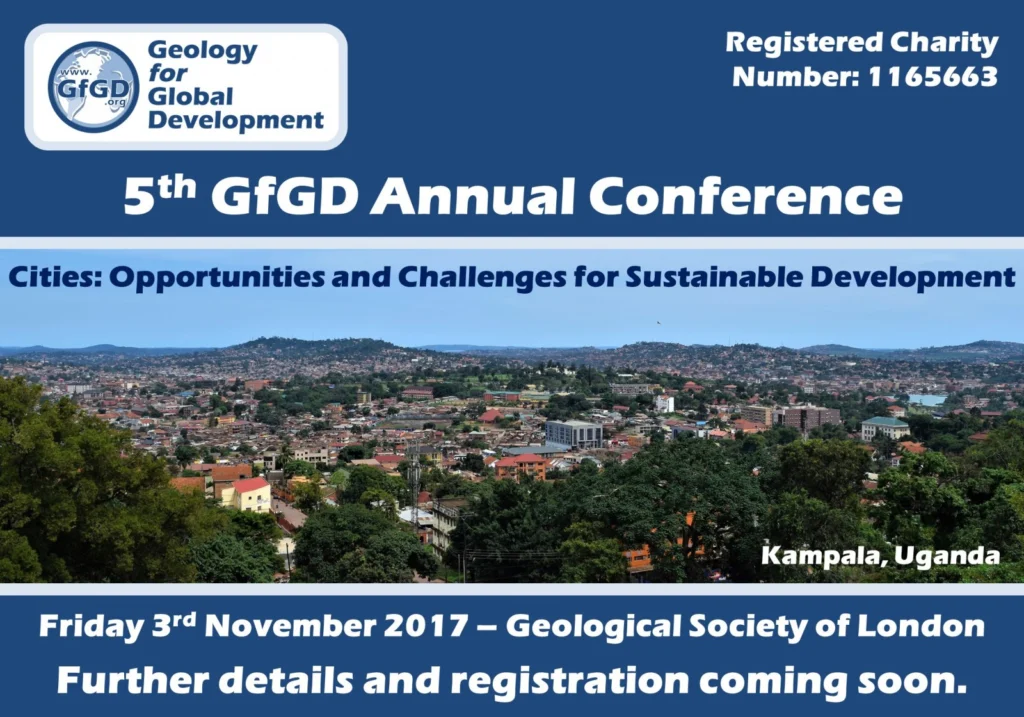
GfGD 5th Annual Conference: Cities, Geoscience, and Sustainable Development
Registration for the 5th GfGD Annual Conference is now open! Aimed at geoscientists at all stages of their career, the theme this year is “Cities: Opportunities and Challenges for Sustainable Development”. Urbanisation is a development mega-trend, associated with both major challenges but also significant opportunities for delivering the 17 UN Sustainable Development Goals. “More than …[Read More]
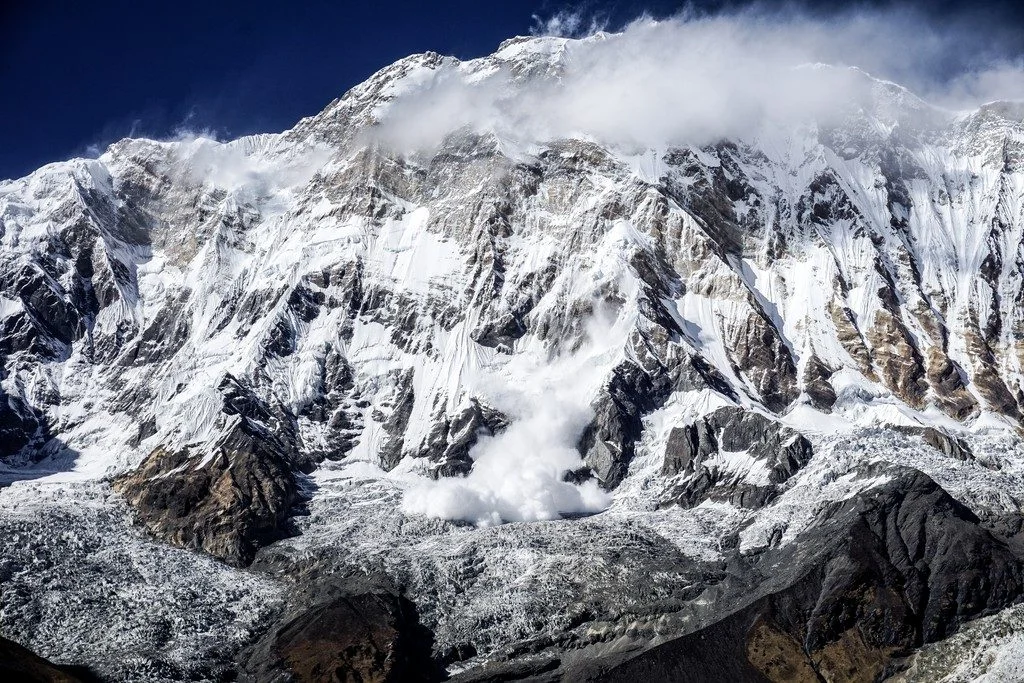
Imaggeo on Mondays: A dramatic avalanche from Annapurna South
The Annapurna massif is located in an imposing 55 km long collection of peaks in the Himalayas, which behave as a single structural block. Composed of one peak (Annapurna I Main) in excess of 8000 m, a further thirteen peaks over 7000 m and sixteen more of over 6000 m, the massif forms a striking …[Read More]
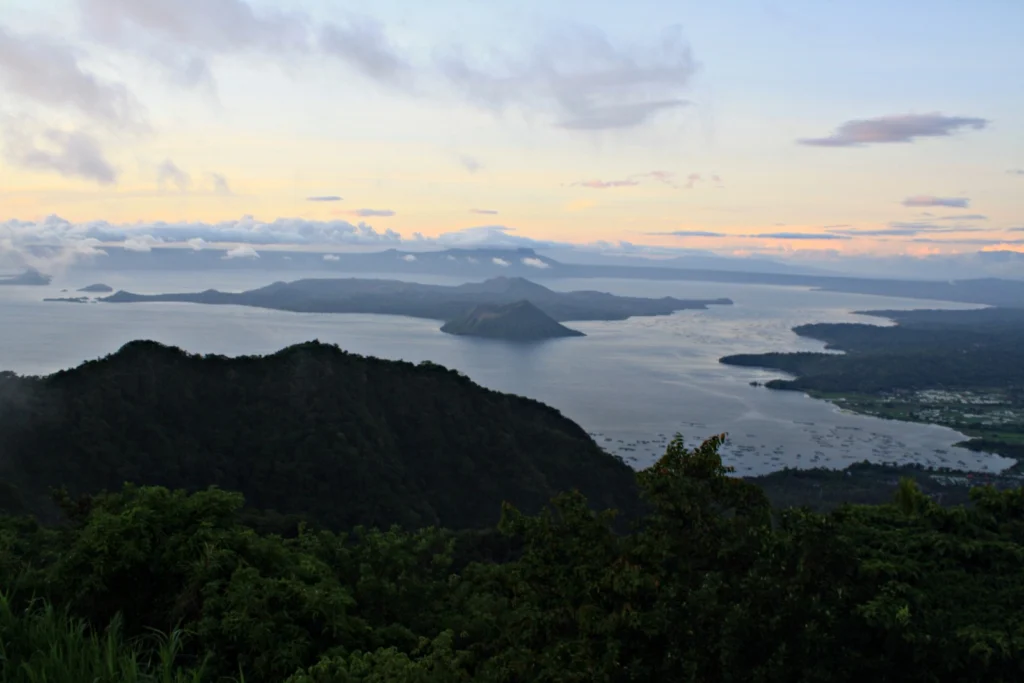
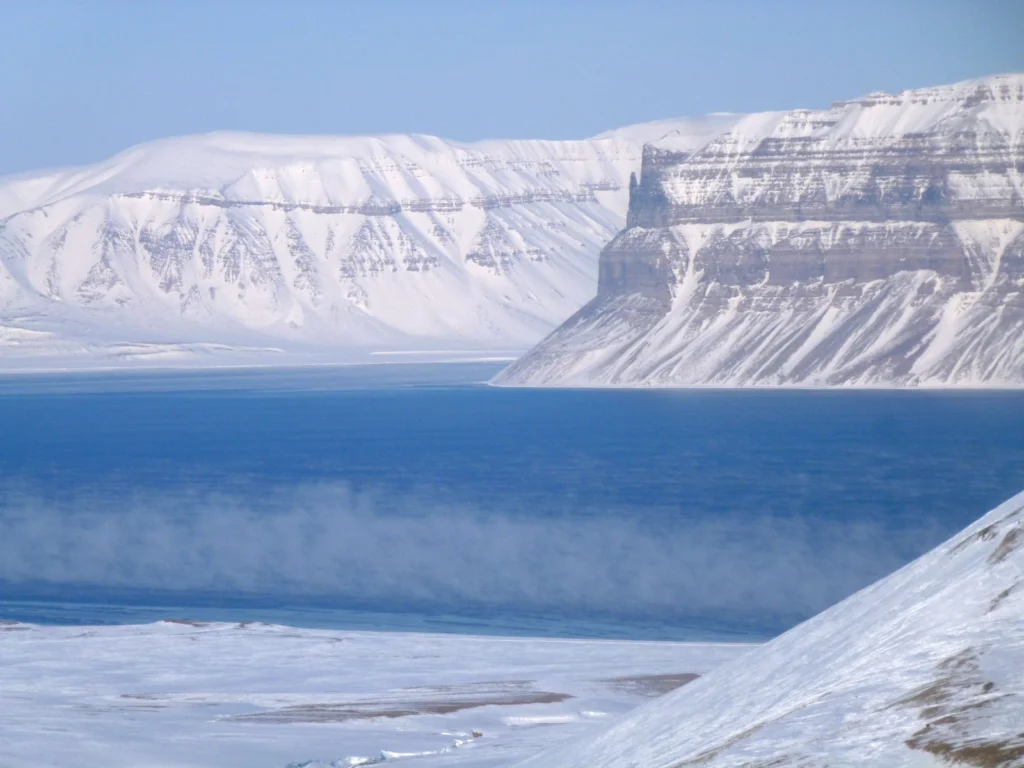
Volcanic ash layers in Svalbard hold clues to the formation of the North Atlantic
This guest post by Dr Morgan Jones (a Researcher in Volcanology at the Centre of Earth Evolution and Dynamics (CEED) at the University of Oslo, Norway) describes the latest findings of his multidisciplinary research into how the North Atlantic formed. His open access study, in collaboration with colleagues at CEED and the Massachusetts Institute of Technology …[Read More]
Image of the Week – A new way to compute ice dynamic changes
Up to now, ice sheet mass changes due to ice dynamics have been computed from satellite observations that suffer from sparse coverage in time and space. A new method allows us to compute these changes on much wider temporal and spatial scales. But how does this method work? Let us discover the different steps by …[Read More]
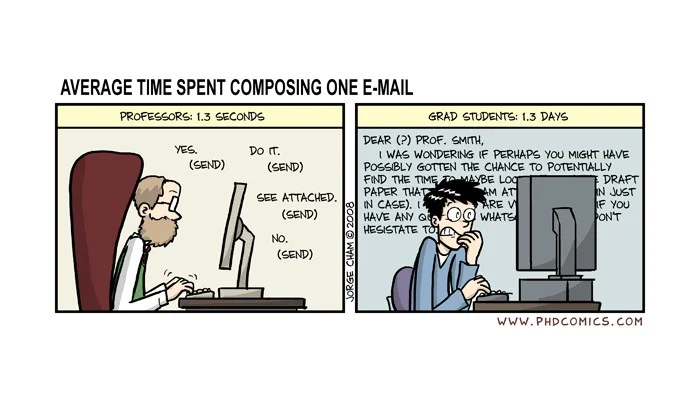
A Geodynamicist and an Early Career Scientist
This week Adina Pusok, postdoctoral fellow at the Institute of Geophysics and Planetary Physics (IGPP) at Scripps Institution of Oceanography, University of California San Diego, USA, discusses what it is like to be an Early Career Scientist within the EGU Geodynamics division. The terms “Early Career Scientist” (ECS) or “Young Scientist” (YS) are now so …[Read More]
Of butterflies and climate: how mathematics helps us to better understand the atmosphere
Applied mathematics is often seen as an obscure field, which the general public has no hope of ever understanding. In the context of climate science, this is far from the truth. In fact, many mathematical concepts and ideas applied to the study of the climate system stem from intuitive arguments. While their implementation can be …[Read More]
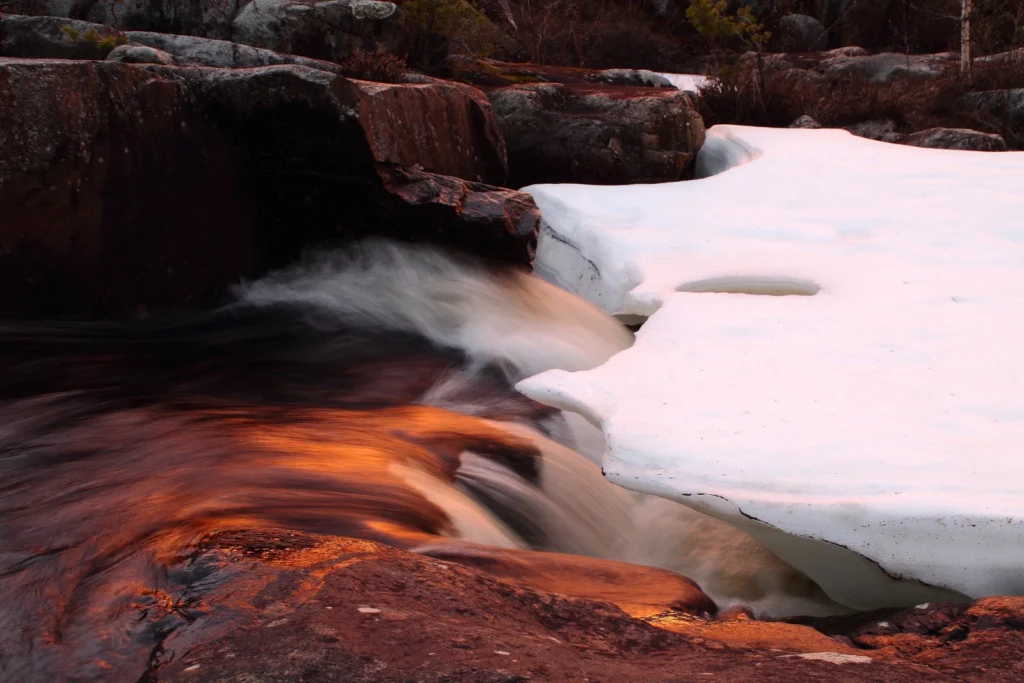
Imaggeo on Mondays: Symbiosis of ice and water
This mesmerising photograph is another of the fabulous finalists (and winner) of the 2017 imaggeo photo contest. Imaggeo is the EGU’s open access image repository. It’s a great place to showcase your photographs; so whether you are stuck in the lab this summer, frantically typing away at a paper, or are lucky enough to be …[Read More]
GeoPolicy: How can geoscientists make the most of the Horizon 2020 programme?
As a geoscientist, I’m sure that you have heard of Horizon 2020, an EU programme that is allocating almost €80 billion to research and innovation over 7 years (from 2014 to 2020). This money is distributed throughout various scientific divisions and provides a plethora of opportunities for scientists, not only within the EU but also …[Read More]