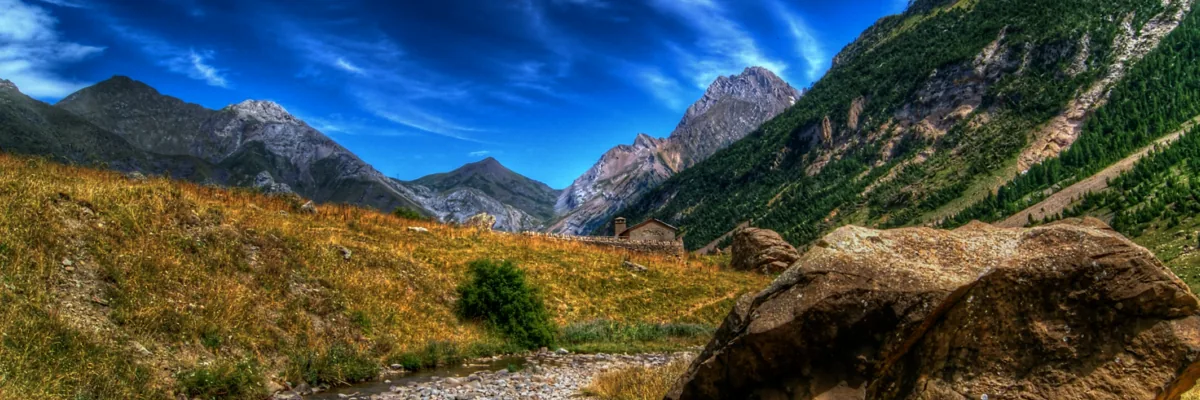
Post by Sam Zipper (@ZipperSam), current Postdoctoral Fellow at the University of Victoria and soon-to-be research scientist with the Kansas Geological Survey at the University of Kansas. Using programming languages to interact with, analyze, and visualize data is an increasingly important skill for hydrogeologists to have. Coding-based science makes it easier to process and visualize …[Read More]
Latest posts
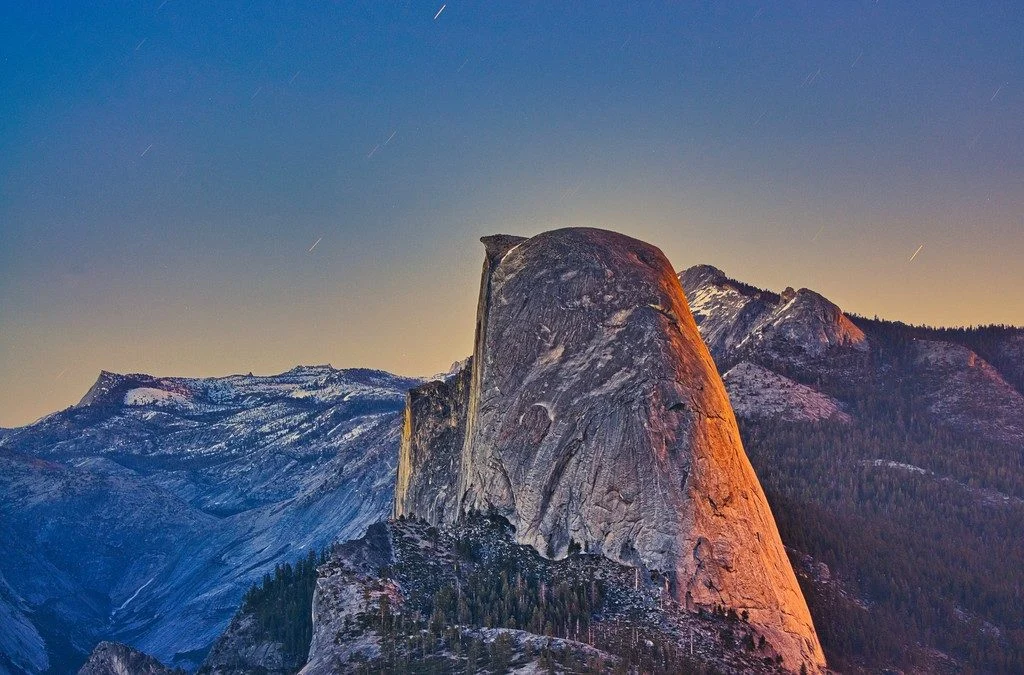
Imaggeo on Mondays: Sunset and moonrise at Yosemite
This side view of Half Dome at Yosemite National Park (California, USA) was taken from Washburn Point, a less frequented overlook a few hundred meters away from the popular Glacier Point outlook. The sun just on the right side behind the camera, which gave the orange tint to the back side of Half Dome. At …[Read More]
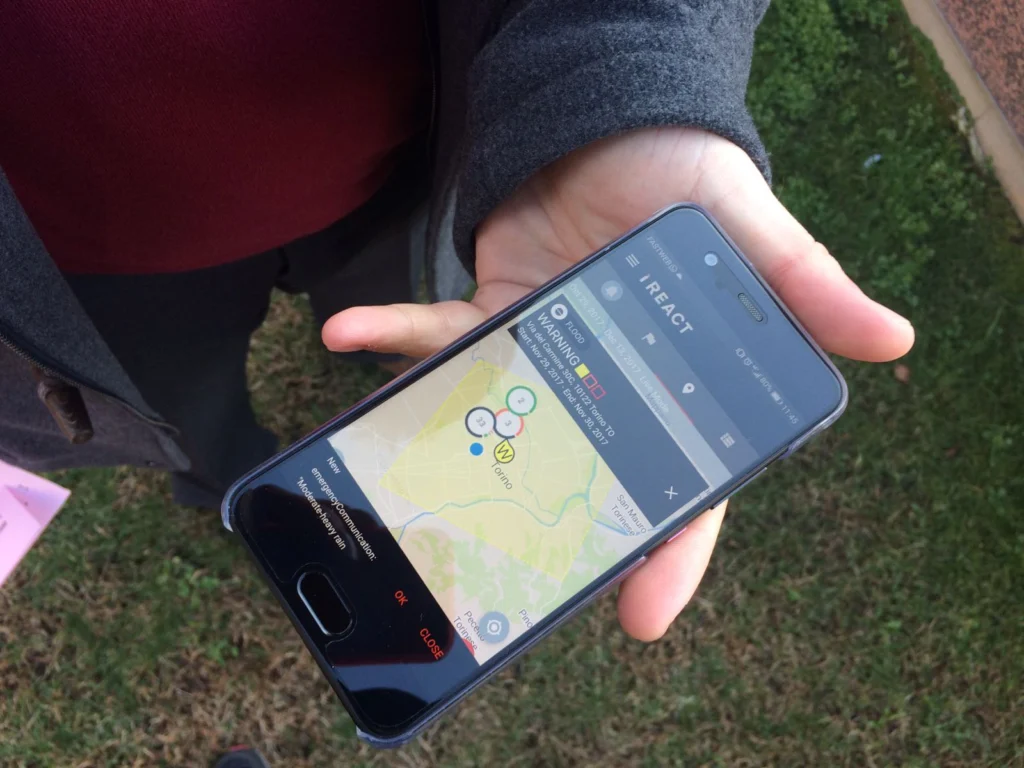
I-REACT – ‘Fight disasters with your phone’
Technology has never been more at hand than at the time we are living. Smartphones and the many apps on the market are proof of this. As I recently discovered, there is also an app developed to learn about natural hazards and, as they claim, fight disasters! This app is called I-REACT, and it was …[Read More]
An interview with Jenny Turton, early-career representative for the cryo-division of the EGU
The European Geophysical Union (EGU) has a number of scientific divisions or themes, such as cryosphere, atmospheric sciences and geodesy. Each division has a representative for early career scientists, and often a team of scientists who write and edit blogs and organise events. Today, Jenny Turton, the new representative for the cryo-division, explains a bit …[Read More]
GeoTalk: Connecting art and science with the 2019 EGU artists in residence
At the annual EGU General Assembly in April, more than 16,000 scientists from 113 countries convened in Vienna to share exciting research and discuss the latest advances in their field. During this conference, the EGU hosted two artists in residence to engage with scientific research in a dynamic setting and be inspired by new scientific …[Read More]
The Sassy Scientist – Time Trials
Every week, The Sassy Scientist answers a question on geodynamics, related topics, academic life, the universe or anything in between with a healthy dose of sarcasm. Do you have a question for The Sassy Scientist? Submit your question here. Sylvie asks: What would you say is the main problem you encountered during your research career? Dear …[Read More]
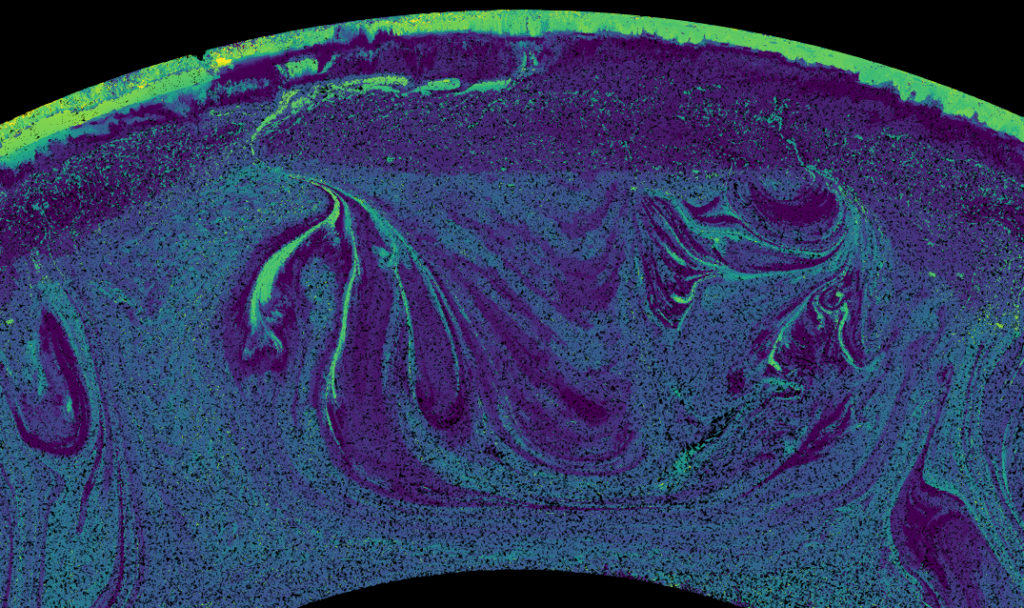
Production and recycling of Archean continental crust
Continents are essential for the development and survival of life on Earth. However, as surprising as it may sound, there did not exist a planetary scale numerical model to show the formation of the oldest continents until the recent study ‘Growing primordial continental crust self-consistently in global mantle convection models‘ in Gondwana Research by Jain et …[Read More]
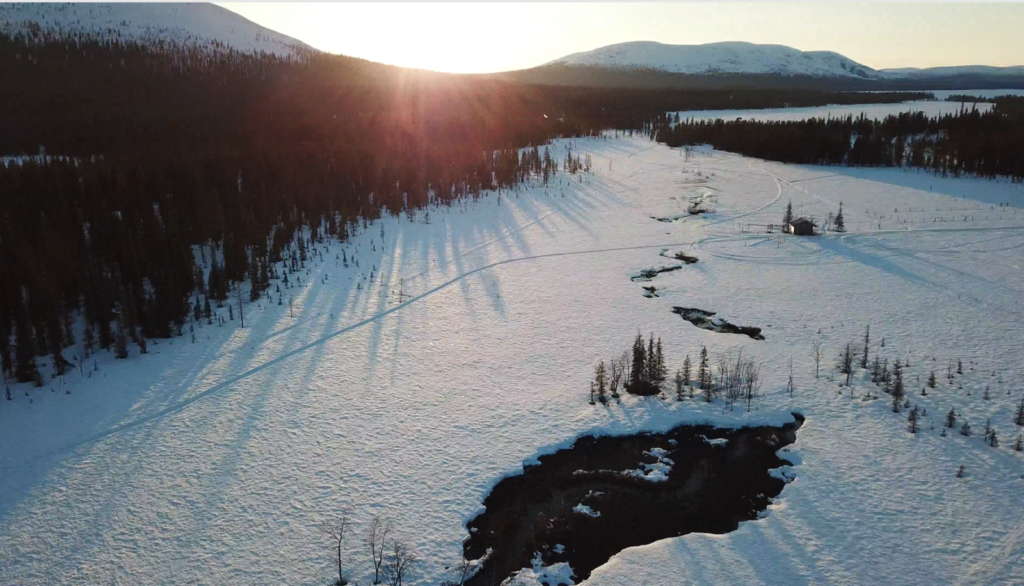
Featured catchment series: The North is not forgotten!
This is the first post of “Featured Catchment”, a series of posts in the HS Blog that present experimental catchments across Europe and beyond. Here, the authors of the posts will explain the main characteristics (e.g., climate, geology, topography, land use) of their catchments, why hydrologic research is important in their study areas, describe the …[Read More]
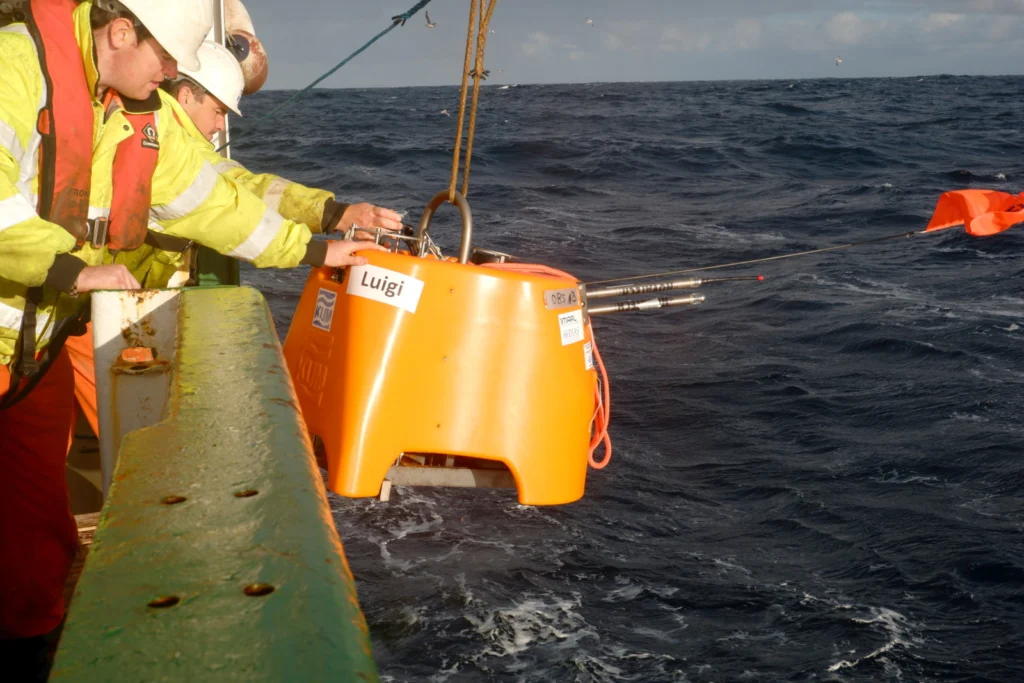
Weathering the storm from a research vessel
Fieldwork can take geoscientists to some of the most remote corners of the Earth in some of the harshest conditions imaginable, but stories from the field hardly make it into a published paper. In this blog post, Raffaele Bonadio, a PhD student in seismology at the Dublin Institute for Advanced Studies in Ireland, shares a …[Read More]
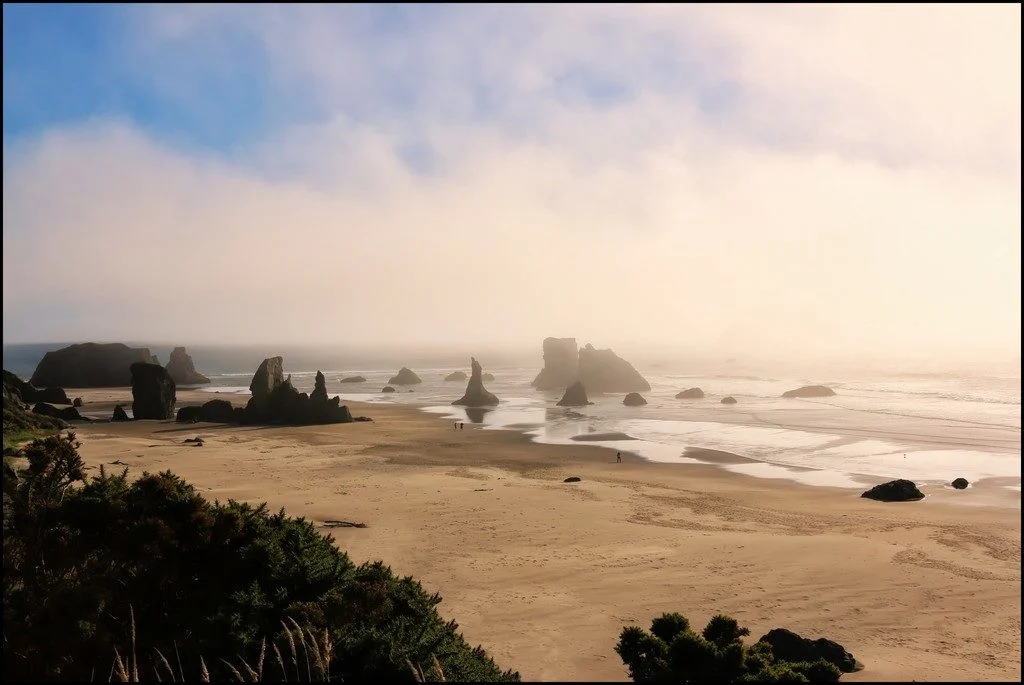
Imaggeo on Mondays: Foggy Bandon beach, Oregon
This picture was taken at Bandon beach, Oregon. Bandon is well-known for its memorable seascape of stacks of all shapes and sizes. These rock formations are known to geologists as ‘knockers’ and carry nicknames like ‘the Wizards hat’. They date from the Jurassic period – about 200 to 145 million years ago – and are …[Read More]