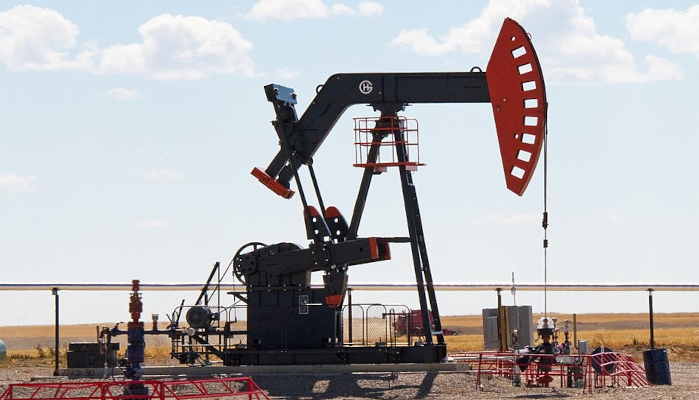
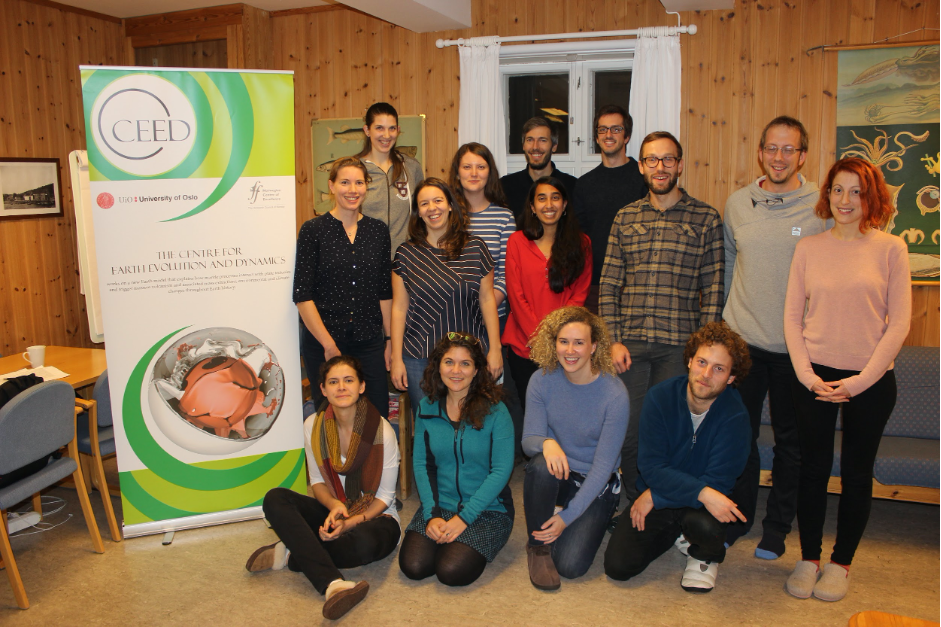
Moving a country for a new job is a big step, but at the same time changing from an industry job to academics is definitely a leap in the unknown. This week Arushi Saxena, currently a post-doc at the University of Florida, writes about her experience taking these two steps at the same time. As …[Read More]
Latest posts
TS Must-read – Morgan (1968) Rises, Trenches, Great Faults, and Crustal Blocks
In his 1968 paper “Rises, Trenches, Great Faults, and Crustal Blocks”, Jason Morgan added the missing pieces of the plate tectonics: the representation of plates’ motion in terms of spherical surface, and plate rigidity. In the very first lines of the paper he describes his contribution as an “extension of the transform fault concept [of …[Read More]
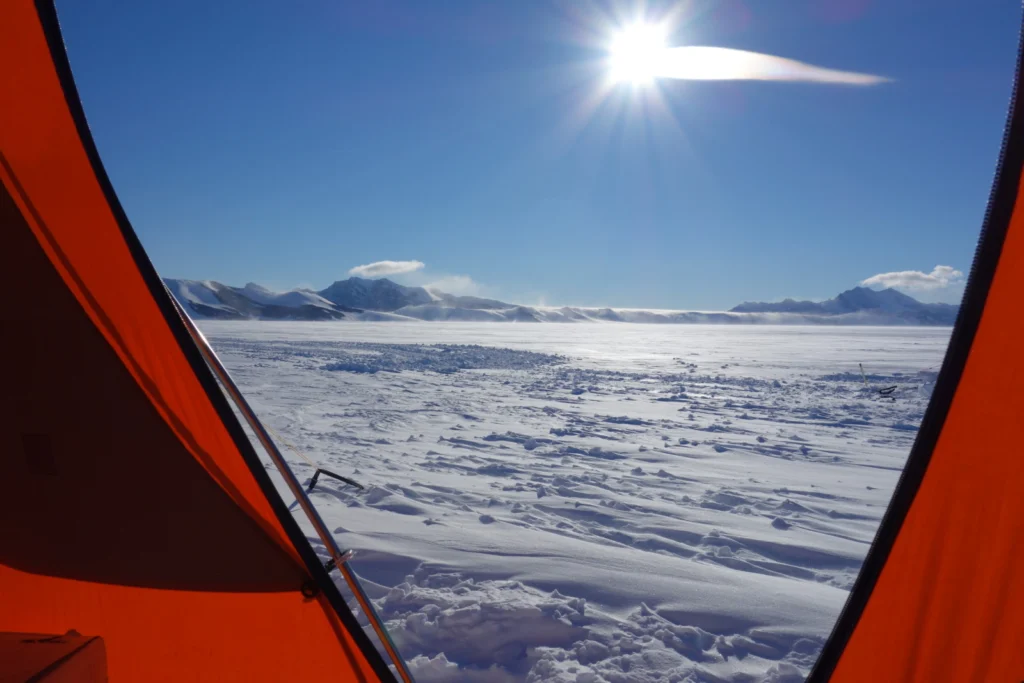
Why is research in Antarctica so important?
On the 1st December 1959 the Antarctic Treaty was signed by 12 nations, setting aside nearly 10% of the Earth “forever to be used exclusively for peaceful purposes… in the interests of all mankind.” In the years that followed more and more countries signed the agreement, until today when the agreement has been signed by …[Read More]
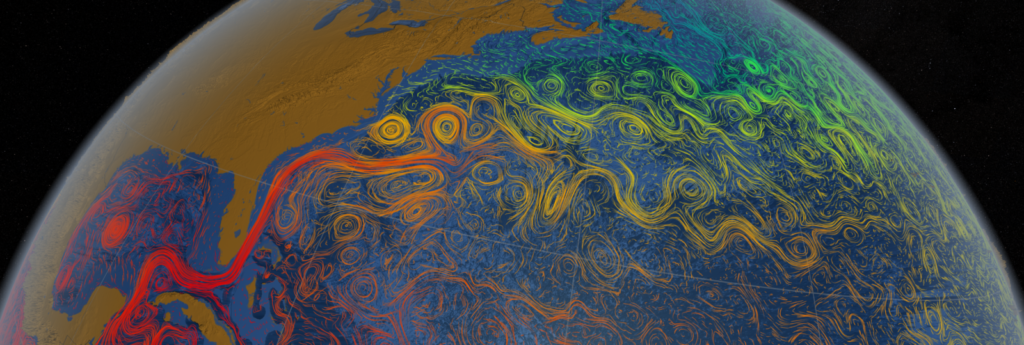
Life as a “dry” oceanographer – studying Earth’s oceans from your laptop
I didn’t always know that I would become an oceanographer when I grew up, but I knew I would be doing ‘Science’. I was born and raised in Paris, France. While growing up, I was always interested in Science, from watching documentaries about the universe or nature, to attending science events at museums. While Science …[Read More]
Imaggeo On Monday: Desert Varnish, Antarctica Style
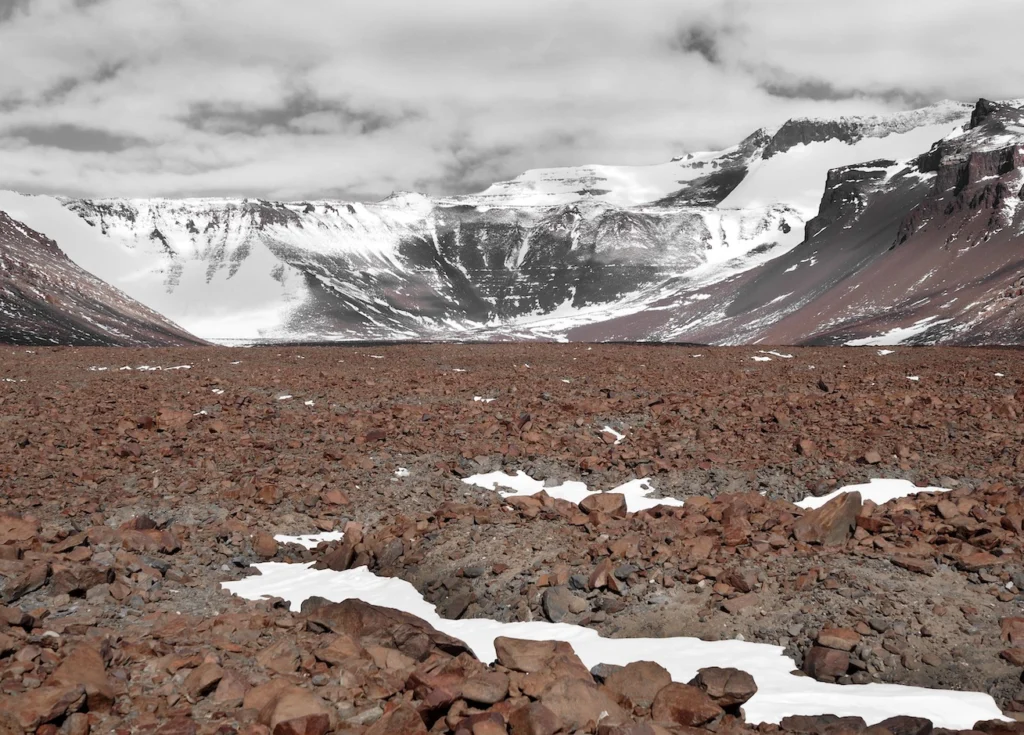
This photograph highlights the oxidized surface of diorite boulders, which fall from the ice at the base of the Mullins Glacier in Beacon Valley, Antarctica when the ice moves directly from a solid state into a gas state, without becoming a liquid in between (a process called sublimation). The particular features (morphology) of the varnish …[Read More]
GeoRoundup: the highlights of EGU Journals published during November!
Each month we feature specific Divisions of EGU and during the monthly GeoRoundup we will be putting the journals that publish science from those Divisions at the top of the Highlights roundup. For November, the Divisions we are featuring are: Stratigraphy, Sedimentology and Palaeontology (SSP) and Geomorphology (GM). They are served by the journals: Geoscientific …[Read More]
San Francisco: Where the Plates Meet
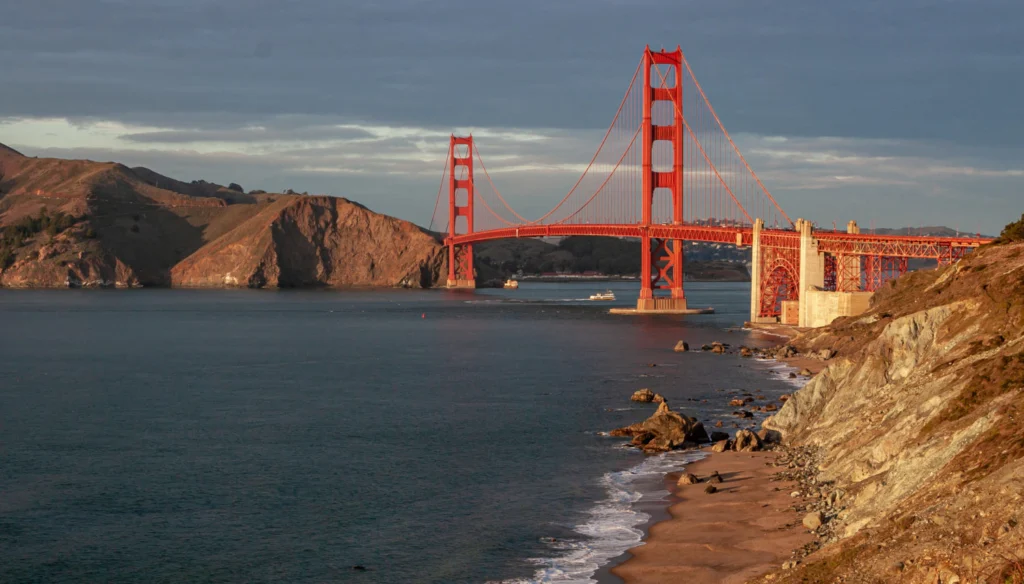
San Francisco has been a natural gathering place for people across the millennia. It is not a coincidence that this city, situated at the entrance to the largest estuary on the U.S. West Coast, owes its dramatic setting to active geology on the North American plate margin. The first people of the San Francisco Peninsula, …[Read More]
A buffet of new resources for teaching hydrology and water resources!
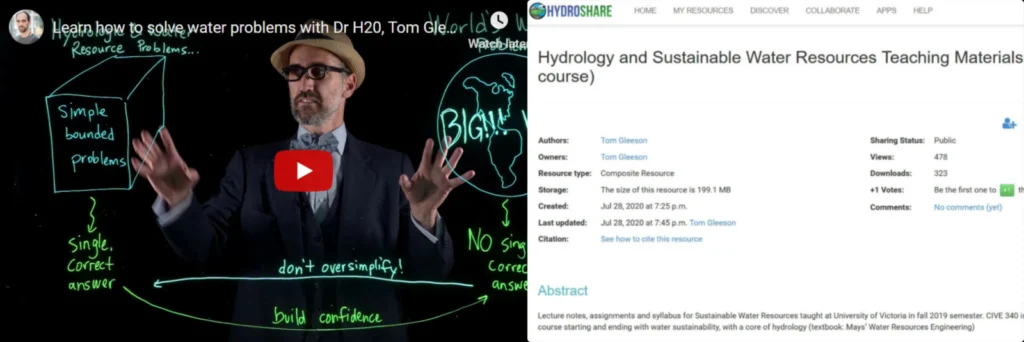
By Tom Gleeson (aka Dr. H2O) The content of this post will be presented as an invited eLightning presentation at AGU 2020 in the session “Online Hydrology Education: Lessons Learned from Designed and Impromptu Remote Instruction”. When: Tuesday, 8 December 2020: 07:00 – 08:00 PST What I teach and basic resources I teach Sustainable Water …[Read More]
How many transdisciplinary researchers does it take to find out how an ocean sinks?
There is no shortage of increasingly uphill challenges in the current research landscape, especially for Early Career researchers: discouragingly long-standing science questions; minimal freedom for developing methodologies; invariably ambivalent proposal reviews; an academic grading scheme based mainly on publication productivity and impact; and enforced competition for few permanent research positions, just to name a few. …[Read More]
Seafloor secrets: traces of the past Patagonian ice sheet
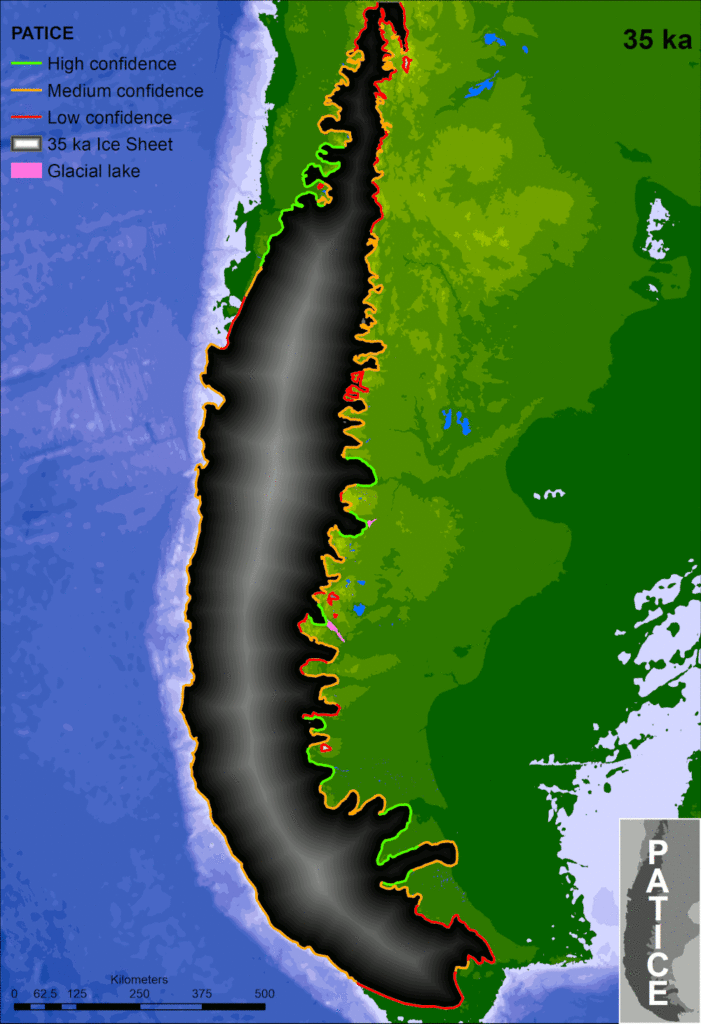
Today’s Patagonian ice caps are confined to the high-altitude Andean Mountain range as the Northern and Southern Patagonia ice fields, and they are rapidly melting. The southern part of the Patagonian ice cap drains partially through fast-flowing ice streams into the fjords of Patagonia. Glaciers in this region have been losing ice at accelerating rates …[Read More]