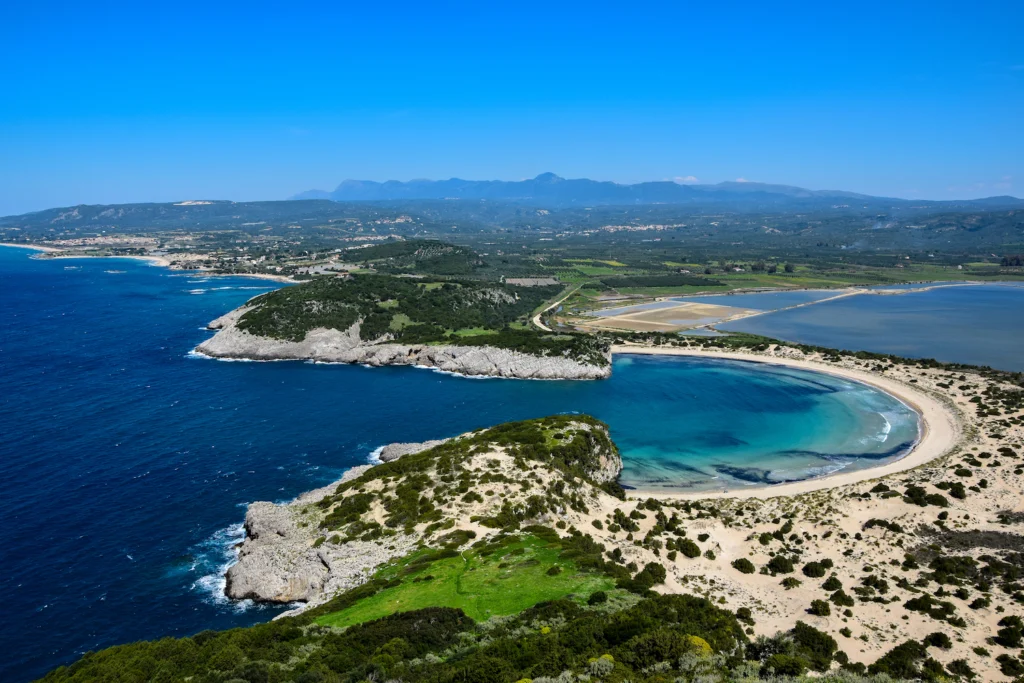
Voidokilia beach is located on the Ionian coast of Messinia, in the southwestern part of the Peloponnese region, in Greece. While it is famous for its round shape reminiscent of the Greek letter Ω, it is considered one of the most beautiful beaches in the Mediterranean. It is separated by a strip of dunes from …[Read More]
Latest posts
The comprehensive Geodetic Information Portal of GGOS
The Global Geodetic Observing System (GGOS) of the International Association of Geodesy (IAG) is a collaborative contribution of the global geodesy community to the observation and monitoring of the Earth System. Geodesy is the science of determining the shape of the Earth, its gravity field, and its rotation as functions of time. Essential to reaching …[Read More]
The Sassy Scientist – The Spinning Top
Whether from posed questions, other blog posts and cinematic detours, the core of Earth is every now and then sparking some interest. In a similar way “Inception” or “Shutter Island” spark interest: it sounds cool, you want to get what is going on, but although you tried several times, you still don’t get it. Today …[Read More]
Land snails in the service of paleoecological studies
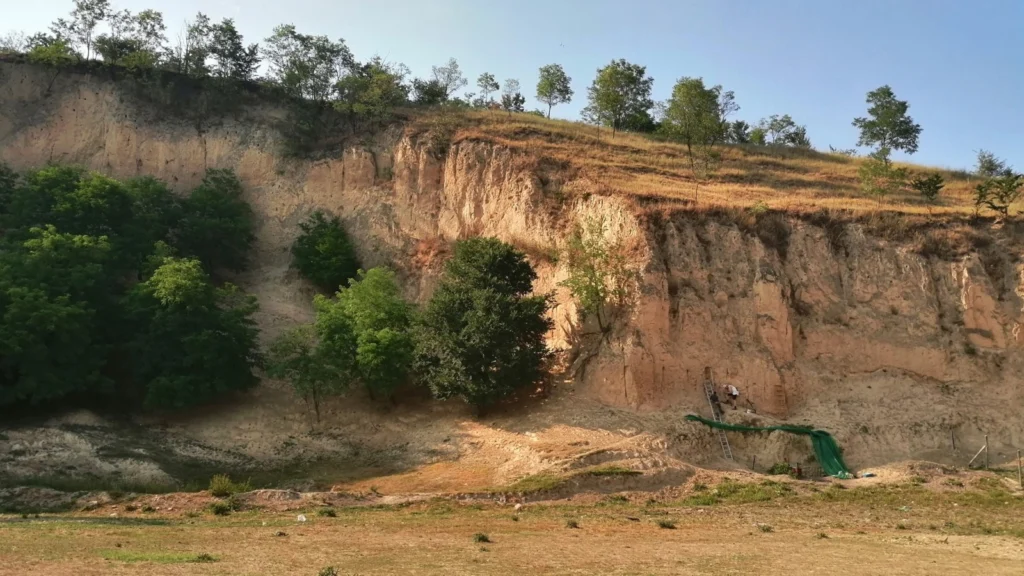
Paleoecological use of land snail shells is no longer a new field of science. They are studied by malacologists and palaeontologists who specialise in the study of molluscs. During the last glaciation, loess, a light yellow, fine-grained sediment, was deposited over large areas, mainly in the periglacial regions of Eurasia and North America. In addition …[Read More]
How Ancient Egyptian Decline Synced With Hydrological Change….And How They Survived
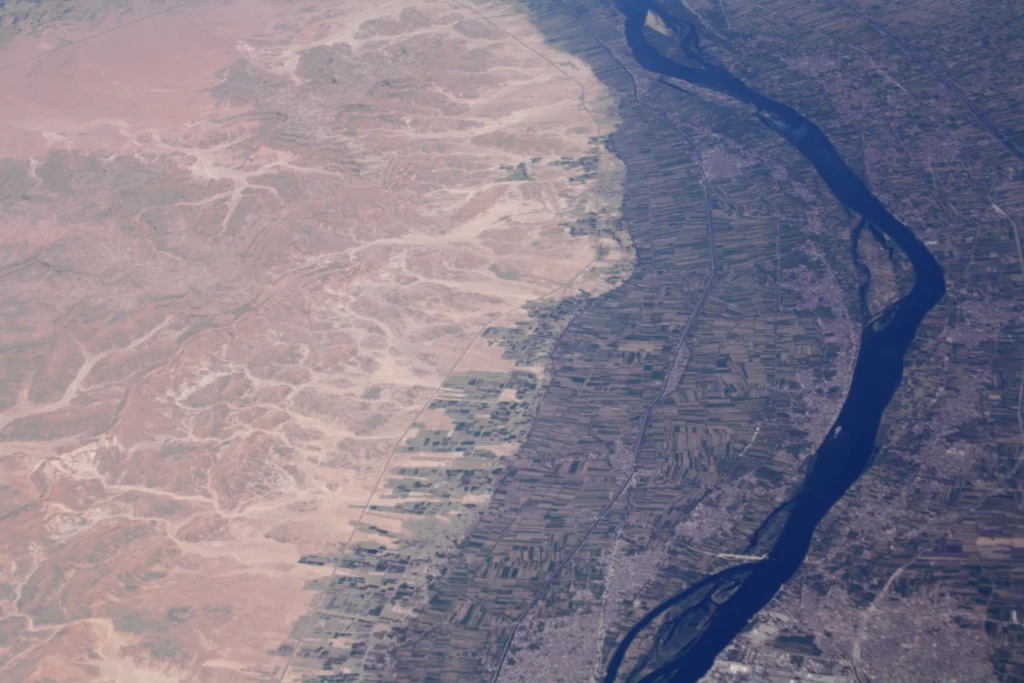
Cairo’s survival was, is, and will be dependent on the flow of the Nile. Since the city was founded in 10th century CE the Nile’s scouring waters have left behind untouched ground onto which the city has spilled and grown. Modern Cairo’s youngest districts are closest to the Nile, founded on earth which was underwater …[Read More]
What are Snow Mechanics and why should we care?
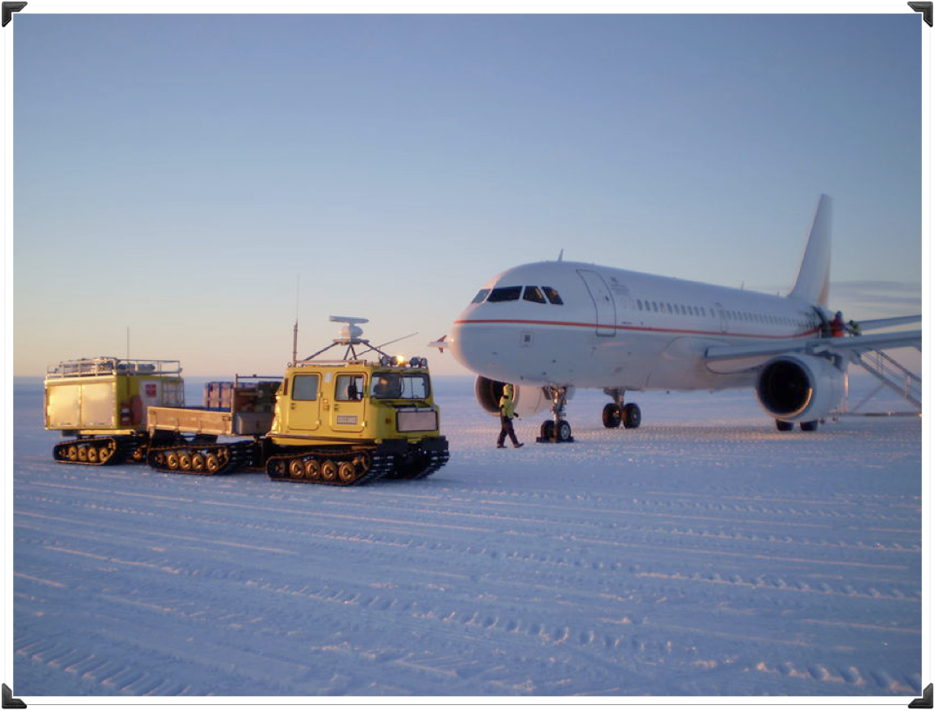
Every time we walk, ski, drive or build upon snow, we’re relying upon the theory of Snow Mechanics; but what is that and why should we care? Mechanics is the engineering terminology used to describe “the branch of applied mathematics dealing with motion and forces producing motion” (Oxford Languages) or more simply, the study of …[Read More]
Living with a Volcano
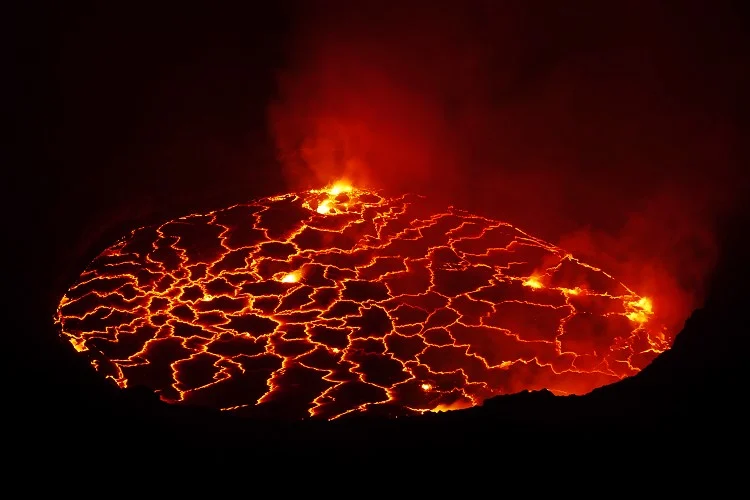
Since ancient times, the growth of populations has been strongly combined with the presence of volcanoes, due to their ability to provide nutrients to soils (and so to agriculture) and resource extraction. One great example is described in our blog post about Volcanoes and wine. However, living near a volcano has its (obvious) drawbacks, starting …[Read More]
Introducing the new blog team!
It’s that time of year again! Another EGU General Assembly has passed. Another EGU Geodynamics blog team has been assembled! Now with a blog team bigger than ever! Whoohoo! So let me introduce you to the amazing blog team of 2022-2023 who will start blogging in earnest from next week onwards. If you are interested …[Read More]
Imaggeo On Monday: Ocean Views from St Georges
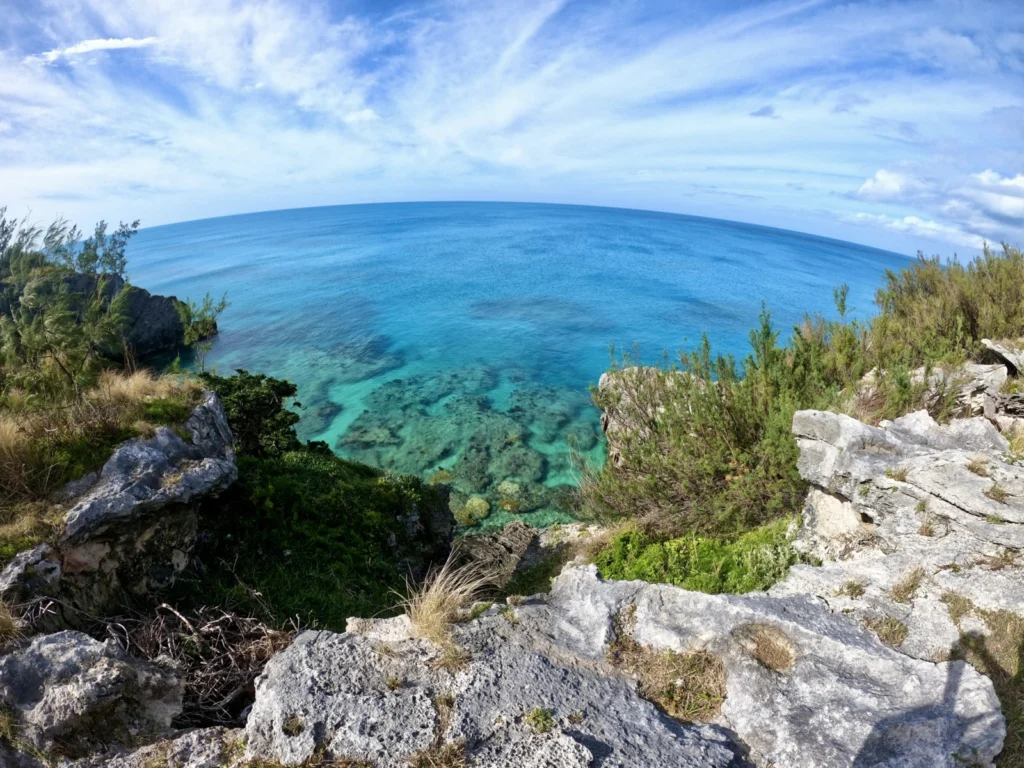
North View from Railway Trail at St Georges island in Bermuda. Photo taken with a GoPro and a wide-angle lens 16-34mm, while walking on my way for groceries at St Georges from the Bermuda Institute of Ocean Sciences. Description by Josue G Millan, after the description on imaggeo.egu.eu. Imaggeo is the EGU’s online open access …[Read More]
Winning a modern war is much about sedimentology
Russia has invaded Ukraine. We have been reading and watching in the news how some pieces of high-tech equipment and weapons are being determinant for Ukraine to push back Russia’s invasion. Guided missiles, drones or new generation satellites heavily relie on rare-earth elements for development and production. The aggressor and the invaded country crave for …[Read More]