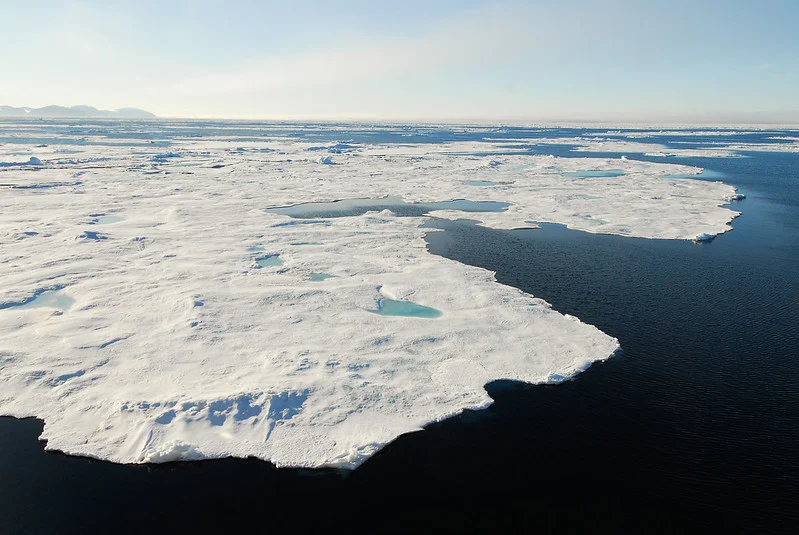
We may not often think about it, but climate in Antarctica can be very different depending on where we are exactly (do not expect palm trees though!). Winds play a big role in shaping these differences, which are reflected – among other things! – on sea ice. But how are these winds related to the …[Read More]
Latest posts
Stratigraphy, Sedimentology and Palaeontology
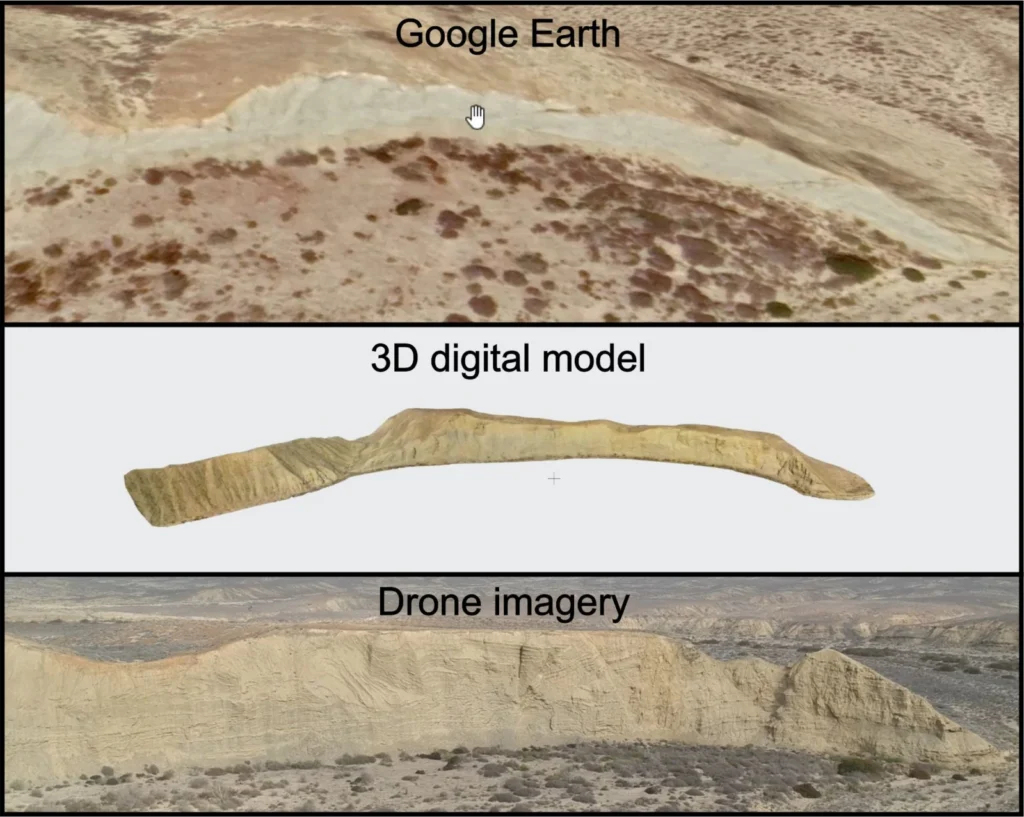
The digitalization of sedimentary outcrops
From sketches to first photos Knowledge of geology and, in particular of sedimentology, has successfully been transferred and shared for hundreds of years through sketches. Like a botanist or zoologist, a geologist is able to record data from the field with just a paper and a pencil in the form of drawings (see one of …[Read More]
Biogeosciences
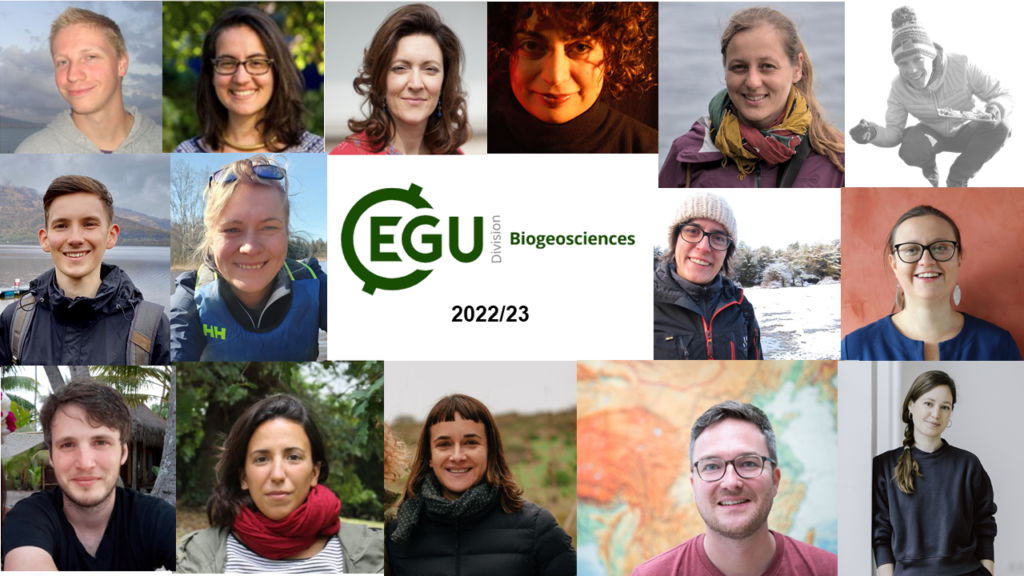
Meet your BG team 2022/23
The Biogeosciences division is pleased to have substantially grown over the last year! In this blog post we’ll introduce you to our new representatives and detail how you can get involved in BG activities over the next year. President: Lisa Wingate (INRAE) Lisa (she/her) has been president of the BG division since 2020 and …[Read More]
GeoLog
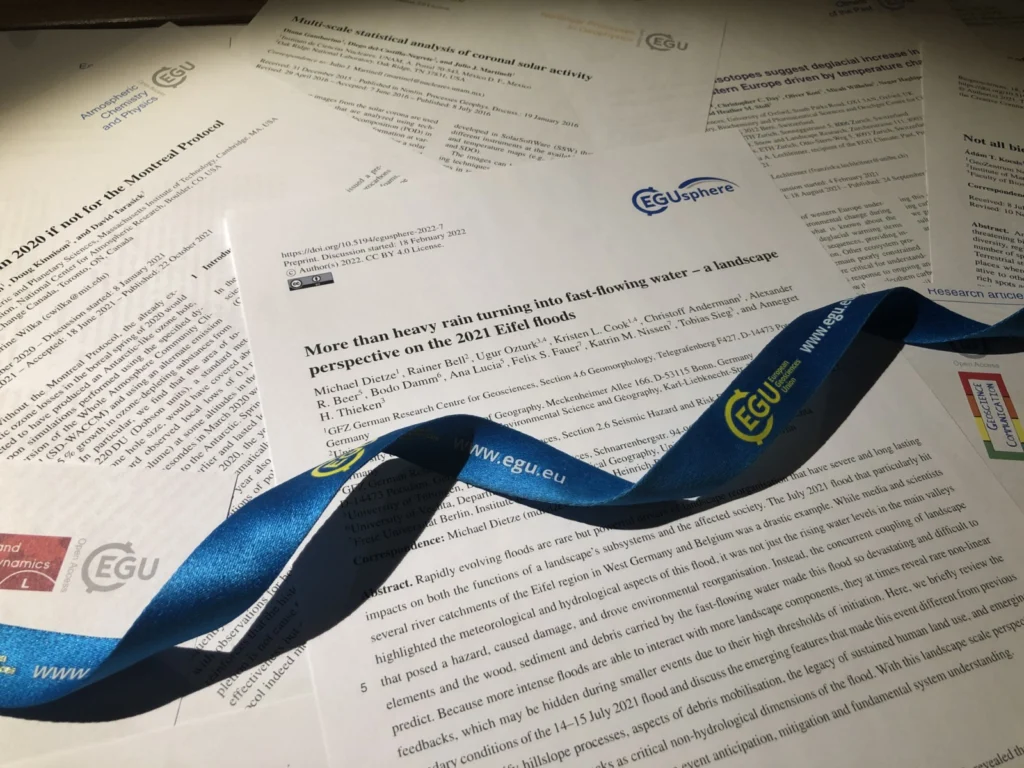
Interactive peer review: The foundation of EGU’s open access journals
Some 20 years ago, a group of young atmospheric scientists united to shake up the scientific publishing world. Their novel idea was to make the peer review process transparent and allow the scientific community to participate in the discourse – in the truest sense of the word: “reviewed by the peers.” From day one, this …[Read More]
Geodynamics
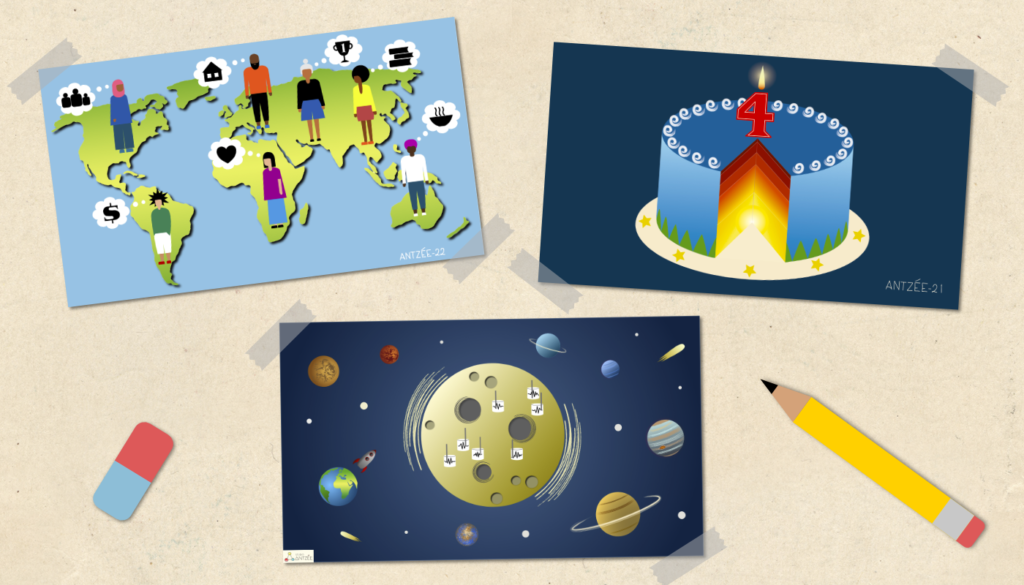
Meet the blog illustrators: Trud Antzée
Communicating research to a broad audience is always difficult for scientists. Because of their ability to translate ideas into visuals that can be used to communicate information to a wide range of audiences, scientific illustrators are critical to the communication of scientific information. In this week’s blog, we are introducing Trud Antzée, one of our …[Read More]
Hydrological Sciences
Call For Contributors: Dive Into Science Communication, Share Your Story
After some holidays, the blog of the EGU’s Hydrological Science (HS) division is back – and looking for contributors to share their unique experiences, personal views, and inspiring research stories. What Stories Are We Looking For? We invite all hydrologists from any professional background, including graduate students and early career scientists, to submit contributions. You …[Read More]
GeoLog
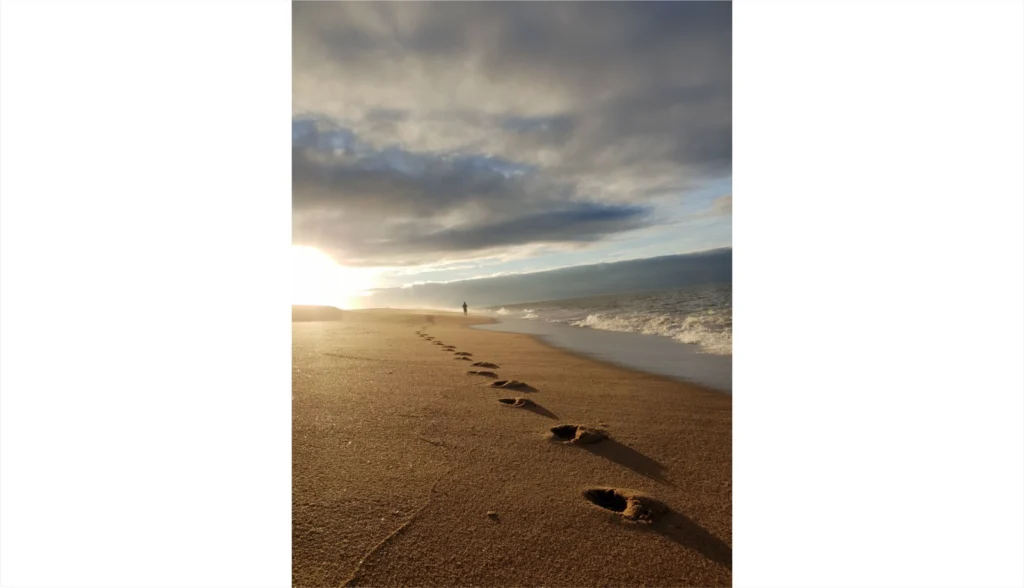
Imaggeo On Monday: Graduate life – keep going, don’t give up
The Algarve barrier island system in southern Portugal: the land is sinking due to deltaic sediment compaction and urbanization, and the sea water level is rising due to global warming. Photo by Makan A. Karegar, description as shown on imaggeo.egu.eu. Imaggeo is the EGU’s online open access geosciences image repository. All geoscientists (and others) can submit their …[Read More]
Climate: Past, Present & Future
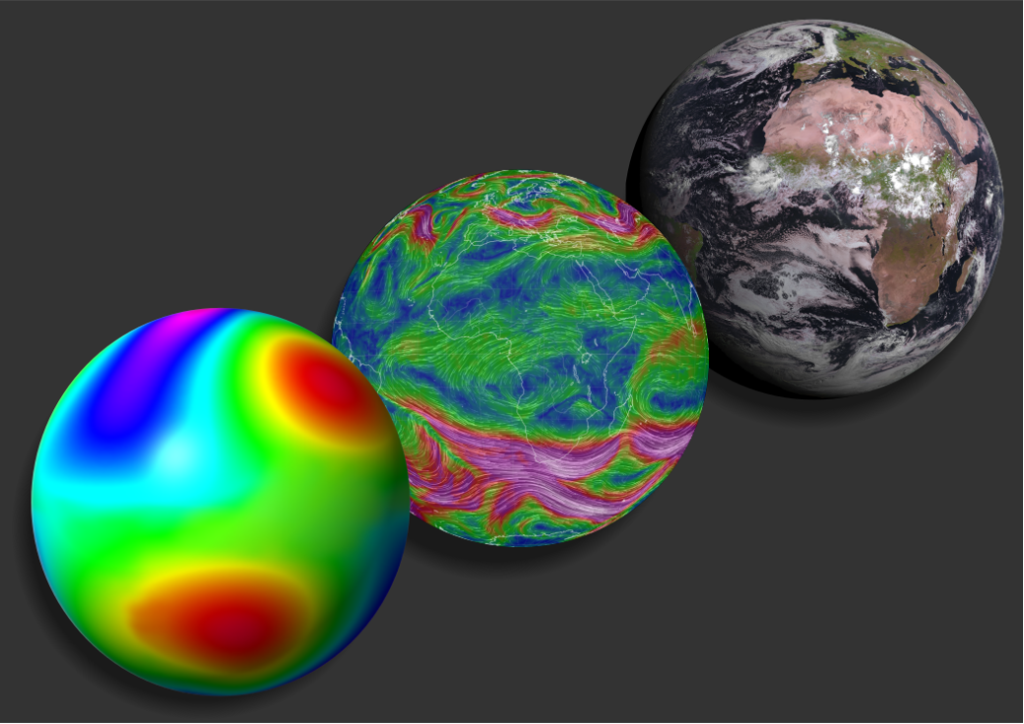
Simple is good: How we understand climate using idealised models
Do you gravitate to science because of the subject’s ability to explain complicated behaviour in nature through experimentation? When we see things or get our hands dirty by conducting experiments, it helps us comprehend scientific theories which are harder to explain. Introducing a complicated scientific theory is often carried out initially by presenting a simplified …[Read More]
GeoLog
Who is an EGU Early Career Scientist Representative and what do they do?
Early Career Scientists (ECS) are students, PhD candidates and scientists who received their highest degree within the last seven years (with extensions for parenting, illness, disability and national service). We make up over 60% of the EGU membership and we are active in research, science communication, publishing, Equality Diversity and Inclusion (EDI) initiatives, networking, convening …[Read More]
Cryospheric Sciences
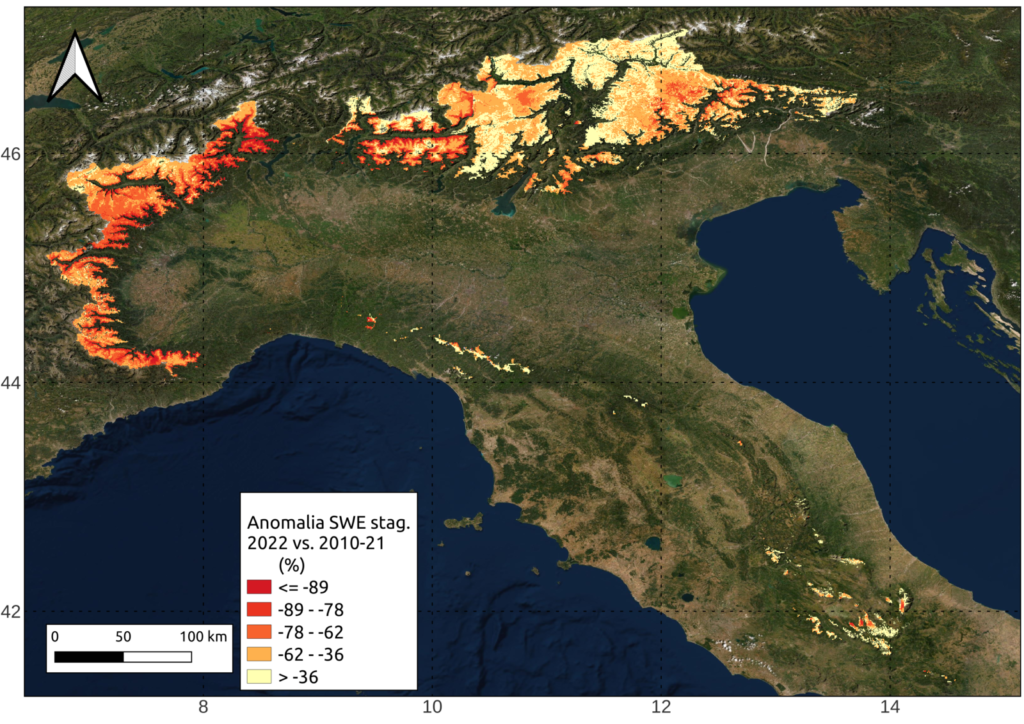
Why the 2022 Italian snow drought matters to you
June 2022: I was discussing the ongoing drought with my family over lunch, when my dad pointed to me and summarized things as follows: “You know, less snow in winter means less water in summer!” I almost choked … what? Not only was it the first time I realized my family had been listening to …[Read More]