
CR
Cryospheric Sciences
Avatar photo

Giovanni Baccolo

I am Giovanni Baccolo, a postdoc in glaciology at the University of Milano-Bicocca. I am particularly interested in geochemical processes occurring on the surface of glaciers, within their obscure depths and in ice cores. I love ice and everything around it, probably because the more I study it and the more I discover amazing stories to explore!

Image of the week – The gaze of the ice cap
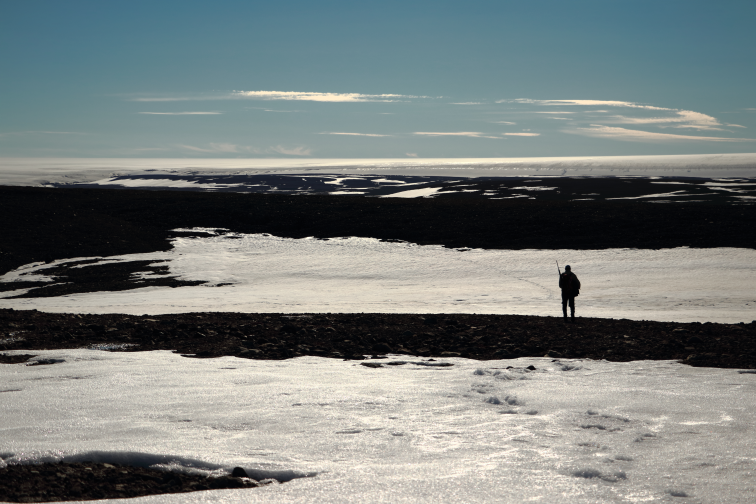
Image of the week – The gaze of the ice cap
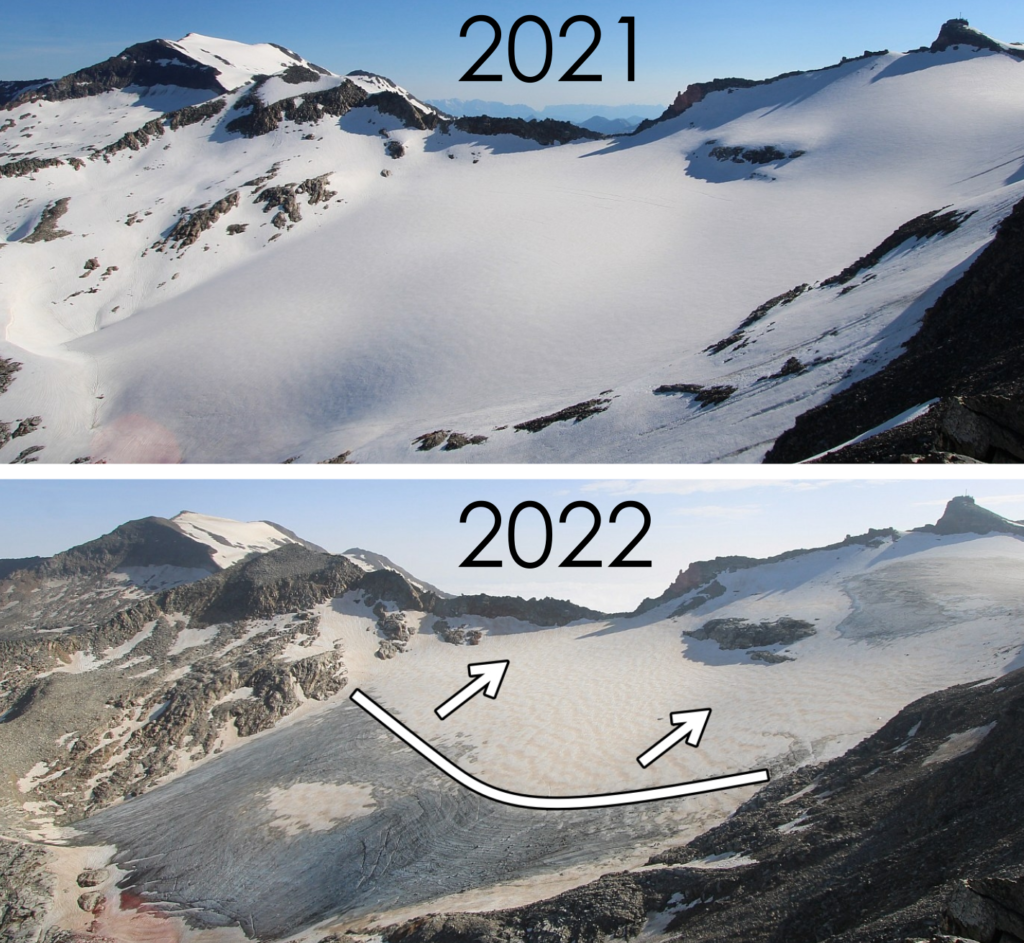
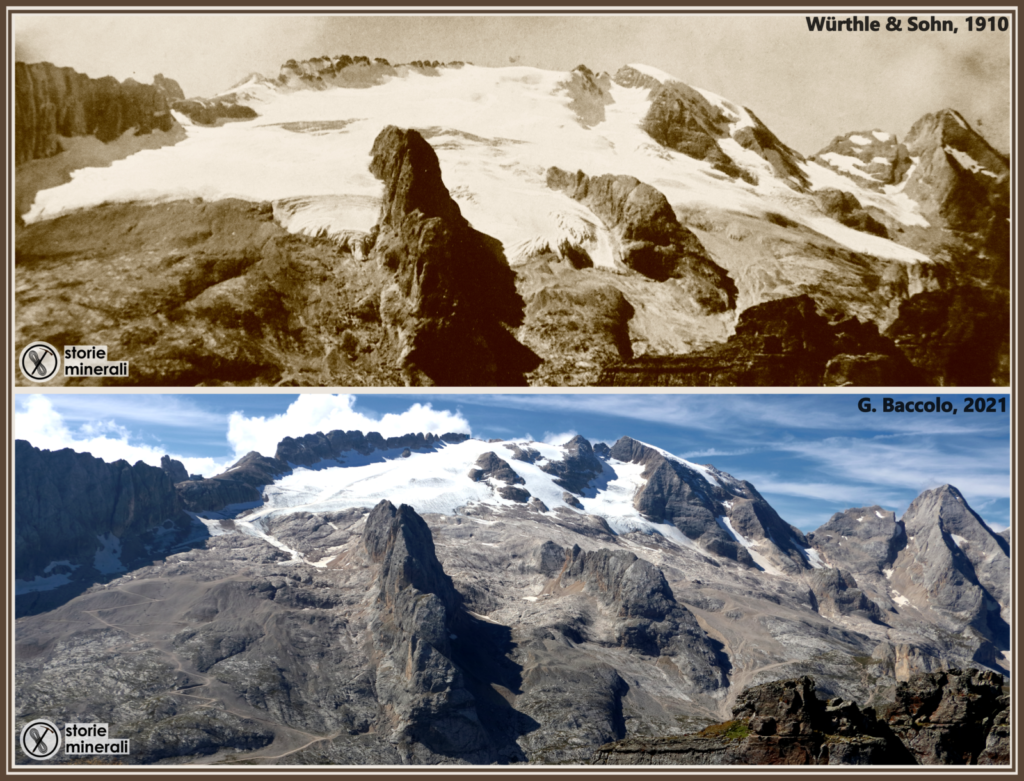
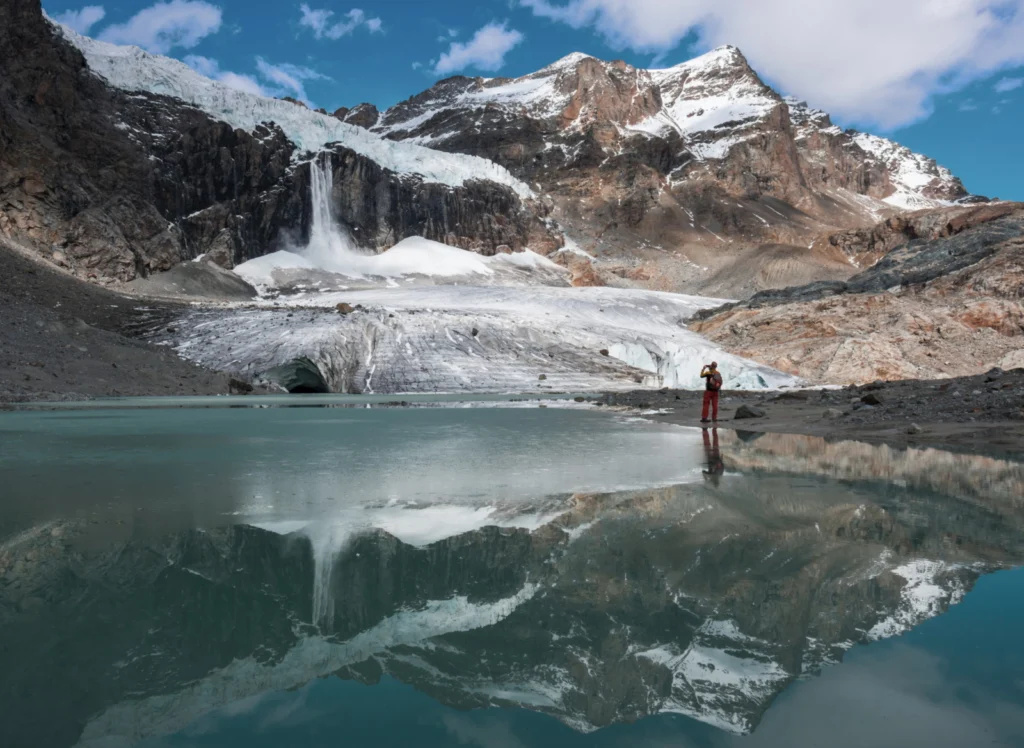
We are getting used to perceiving glaciers more and more distant and disconnected from our mountains. With each passing year, it is more difficult to observe them, reach them or climb them. They are becoming an exotic element of the Alpine imagination. When our gaze rests on a mountain glacier, with its crevasses and large moraines, we are filled with the fascination of someone observing a new nat ...[Read More]

The intriguing order of cold terrains

The intriguing order of cold terrains

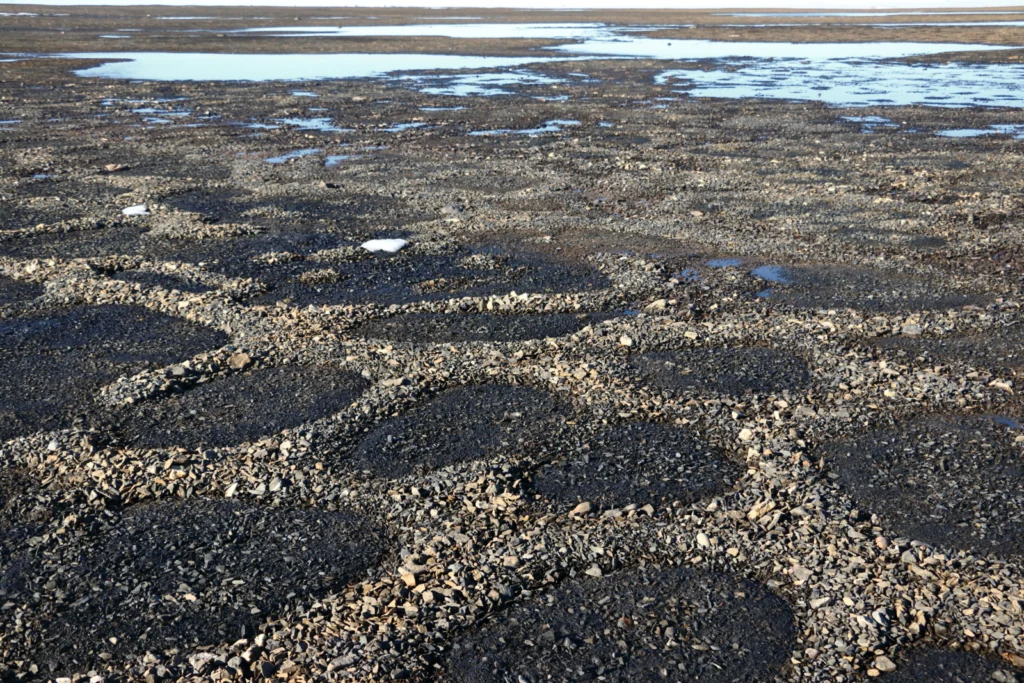
Do you know what the periglacial environment is? Well, the word periglacial refers to those environments which are somehow sculpted by seasonal freeze and thaw cycles. The alternation of freezing and thawing conditions can change the landscape, creating some spectacular landforms. Stone circles are certainly among the most mysterious and fascinating. Come and discover them! Some definitions Glacia ...[Read More]

Summer 2022: A perfect storm for Alpine glaciers

Summer 2022: A perfect storm for Alpine glaciers

The summer of 2022 is shaping up to be a perfect storm for Alpine glaciers. By a strange coincidence, all the factors that could adversely affect glacial dynamics seem to have come into agreement. Let’s find out why. What controls the behavior of Alpine glaciers? Snow, temperature, weather conditions and the properties of snow and ice. These are the most important factors governing the life ...[Read More]

Climate change and the Cryosphere – With ice we are also losing a piece of our cultural heritage: a glaciologist’s perspective

Climate change and the Cryosphere – With ice we are also losing a piece of our cultural heritage: a glaciologist’s perspective

Glaciers are shrinking and disappearing in many regions of the Earth. Did you know? I am joking of course. We are flooded with news talking about this. The decline of glaciers has manifold and severe consequences and is one of the most powerful icons of climate change. Here I want to talk a little bit about one of the less talked about impact of glacier decline: the loss of culture and knowledge r ...[Read More]

Did you know about Artificial Glaciers?

Did you know about Artificial Glaciers?

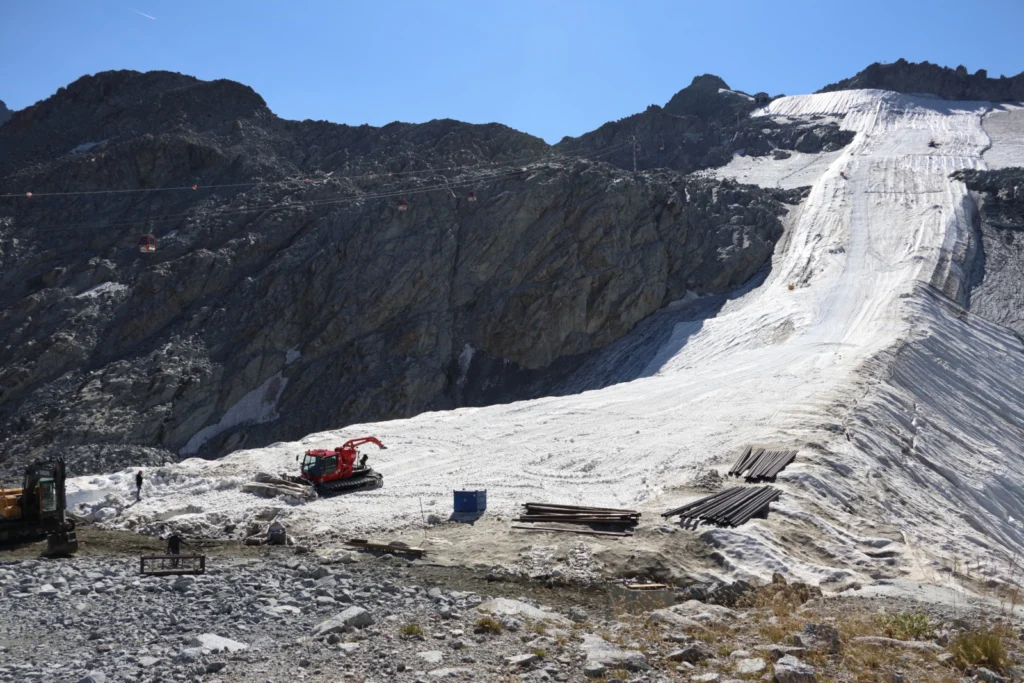
There are several ways that we can classify glaciers. We can look at their shape, their size, their type of terminus, and many other features. A new characteristic has recently been gaining in popularity: artificiality. Yes, we now have a few artificial glaciers! Have you ever heard about them? They are glaciers whose behavior is directly influenced by human interventions in order to improve their ...[Read More]

Did you know…about regenerated glaciers?

Did you know…about regenerated glaciers?

Ice caps, valley glaciers, cirque glaciers, piedmont glaciers, ice sheets… I’m guessing that if you are a glaciology enthusiast, you have already heard about these types of glaciers. But you probably don’t know anything about regenerated glaciers, am I right? Well, you are in the right place! Let’s find out more about this little-known glacier type. Classifying glaciers Glaciers are classified on ...[Read More]

Did you know… the surface of melting glaciers is one of the most radioactive places on Earth?

Did you know… the surface of melting glaciers is one of the most radioactive places on Earth?

Recent studies show that glaciers are significantly affected by pollution, and in general by human activities, but few people would imagine that their surface contains traces of nuclear contamination and radioactivity. It has been recently claimed that high amounts of radioactivity have accumulated on glaciers, only beaten by the radioactivity levels of sites where nuclear incidents and tests have ...[Read More]