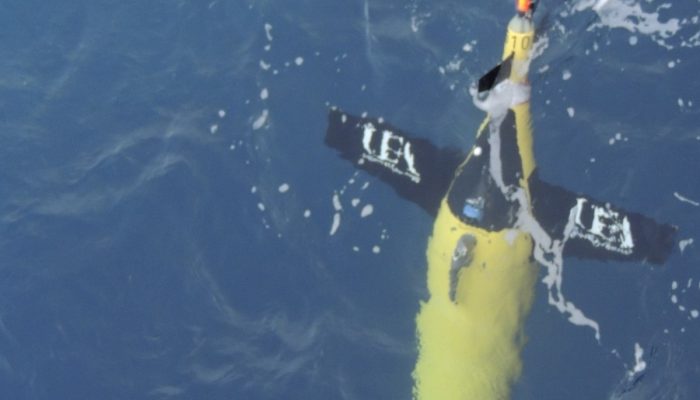
Buoyancy-driven drones are helping scientists paint a picture of the ocean with sound. Around the world, silent marine robots are eavesdropping on the ocean and its inhabitants. The robots can travel 1000 metres beneath the surface and cover thousands of kilometres in a single trip, listening in on the ocean as they go. These bright yellow bots, known as Seagliders, are about the size of a diver, ...[Read More]
June GeoRoundUp: the best of the Earth sciences from around the web
Drawing inspiration from popular stories on our social media channels, as well as unique and quirky research news, this monthly column aims to bring you the best of the Earth and planetary sciences from around the web. Major Story With June being the month when the world’s oceans are celebrated with World Ocean Day (8th June) and the month when the UN’s Ocean Conference took place, it seemed apt t ...[Read More]
Knowing the ocean’s twists and turns
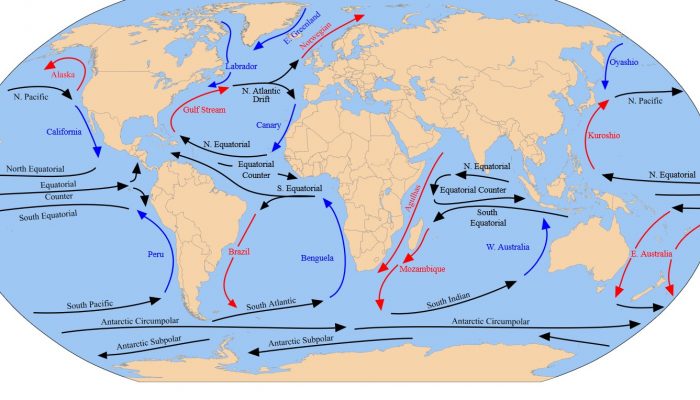
Navigating the ocean demands a knowledge of its movements. In the past, sailors have used this knowledge to their advantage, following the winds and the ocean currents to bring them on their way. Prior to mutiny in 1789, Captain Bligh – on the HMS Bounty – famously spent a month attempting to pass westward through the Drake Passage, around Patagonia’s Cape Horn. Here the westerly ...[Read More]
GeoTalk: Investigating the transport of plastic pollution in the oceans
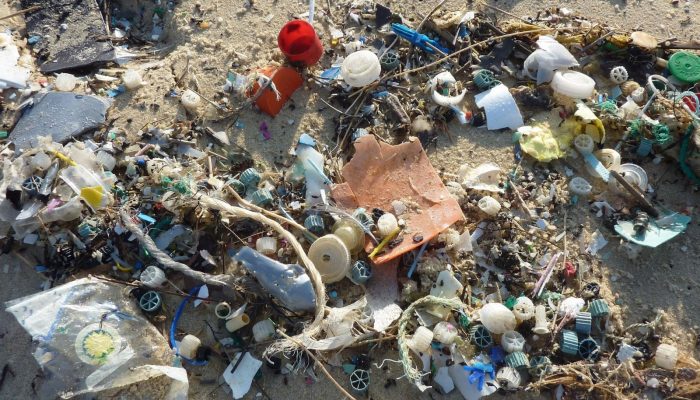
Geotalk is a regular feature highlighting early career researchers and their work. In this interview we speak to Erik van Sebille, an oceanographer at the Grantham Institute at Imperial Collage London, and winner of the 2016 OS Outstanding Young Scientist Award. As an expert in understanding how oceans transport all kinds of materials, from water and heat through to plastics, Erik has gained detai ...[Read More]
Last chance to enter the EGU Photo Contest 2016!
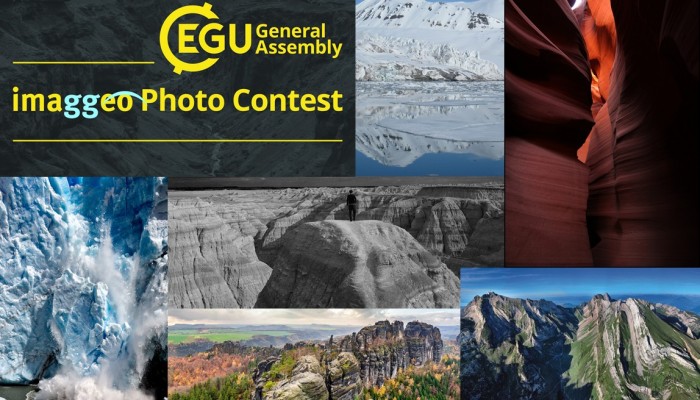
If you are pre-registered for the 2016 General Assembly (Vienna, 17 -22 April), you can take part in our annual photo competition! Winners receive a free registration to next year’s General Assembly! But hurry, there are only a few days left to enter! Every year we hold a photo competition and exhibit in association with our open access image repository, Imaggeo and our annual General Assembly. Th ...[Read More]
Imaggeo on Mondays: Sunset over the Labrador Sea
Ruby skies and calm waters are the backdrop for this week’s Imaggeo image – one of the ten finalist images in this year’s EGU Photo contest. “I took the picture while on a scientific cruise in West Greenland in 2013,” explains Christof Pearce, a postdoctoral researcher at Stockholm University. “We spent most of the time inside the fjord systems around the Greenland capital, Nuuk, but this specific ...[Read More]
Last chance to enter the EGU Photo Contest!
If you are pre-registered for the 2015 General Assembly (Vienna, 12 -17 April), you can take part in our annual photo competition! Winners receive a free registration to next year’s General Assembly! But hurry, there are only a few days left to enter! Every year we hold a photo competition and exhibit in association with our open access image repository, Imaggeo and our annual General Assembly. Th ...[Read More]
Geosciences Column: Did Mediterranean salt change the global climate?
The latest Geosciences Column is brought to you by Annabel Slater, who describes a time of dramatic change in the Mediterranean. Slater shares the results of a recently published Climate of the Past study and sheds light on how – in the context of global climate – a little salt can go a long way… Many of us worry about the effects of too much salt on our health, not its effects on global climate. ...[Read More]
Geosciences Column: Meshing models with the small-scale ocean
The latest Geosciences Column is brought to you by Nikita Marwaha, who explains how a new generation of marine models is letting scientists open up the oceans. The new technique, described in Ocean Science, reveals what’s happening to ocean chemistry and biology at scales that are often hard to model… Diving into the depths of the ocean without getting your feet wet is possible through biogeochemi ...[Read More]
Real life Minesweeper
Reading GeoLog when you should be working? We are all guilty of a little procrastination, but, sometimes, the parallels between science and the games we play to postpone the next write-up are closer than you’d think. Victor Archambault, a scientist from US Radar, reveals how playing Minesweeper mimics the way geoscientists analyse data in the field… We have all played the infamous Minesweeper that ...[Read More]