GeoLog

ocean

Imaggeo On Monday: King penguin (Beagle Channel)
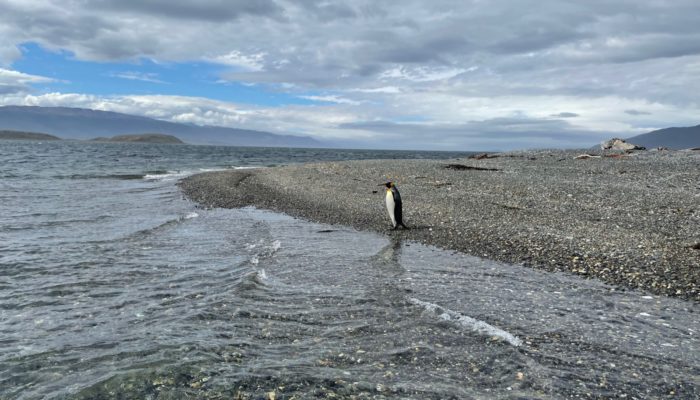
Imaggeo On Monday: King penguin (Beagle Channel)
King penguin in the Beagle Channel, Tierra del Fuego. Photo by Tatjana Milojevic, shared on imaggeo.egu.eu.   Imaggeo is the EGU’s online open access geosciences image repository. All geoscientists (and others) can submit their photographs and videos to this repository and, since it is open access, these images can be used for free by scientists for their presentations or publications, by edu ...[Read More]

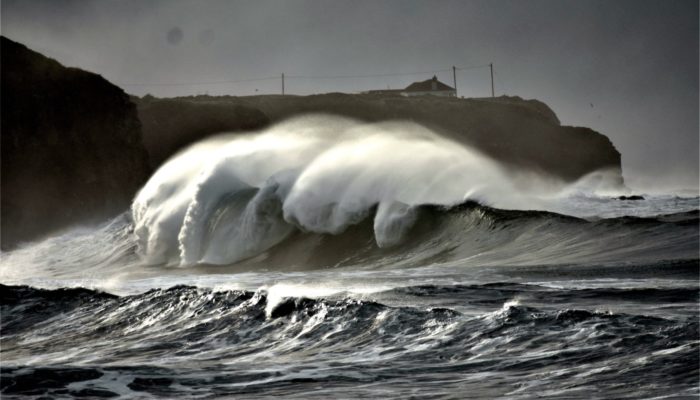
Imaggeo On Monday: Stormy waves in Ireland

Imaggeo On Monday: Stormy waves in Ireland

Waves captured during a storm in Portrush, Northern Ireland. Photo by Melanie Biausque, shared on imaggeo.egu.eu. Editors note: please ensure to put your own safety first before attempting to photograph storm waves.   Imaggeo is the EGU’s online open access geosciences image repository. All geoscientists (and others) can submit their photographs and videos to this repository and, since it is ...[Read More]

Imaggeo On Monday: The Ω shaped Voidokilia beach

Imaggeo On Monday: The Ω shaped Voidokilia beach

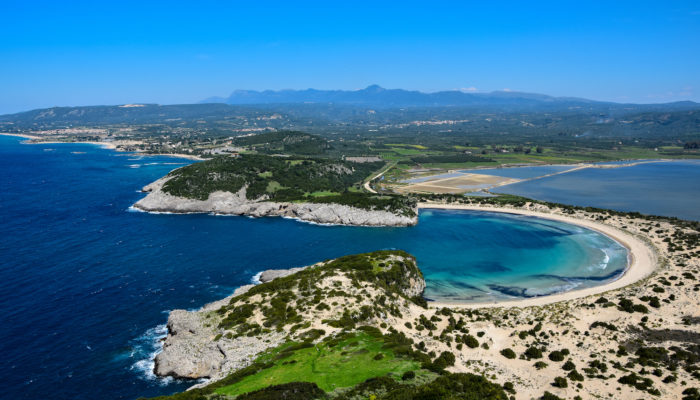
Voidokilia beach is located on the Ionian coast of Messinia, in the southwestern part of the Peloponnese region, in Greece. While it is famous for its round shape reminiscent of the Greek letter Ω, it is considered one of the most beautiful beaches in the Mediterranean. It is separated by a strip of dunes from the lagoon of Gialova, which was created due to both tectonic activity and sea level ris ...[Read More]

Imaggeo On Monday: Ocean Views from St Georges

Imaggeo On Monday: Ocean Views from St Georges

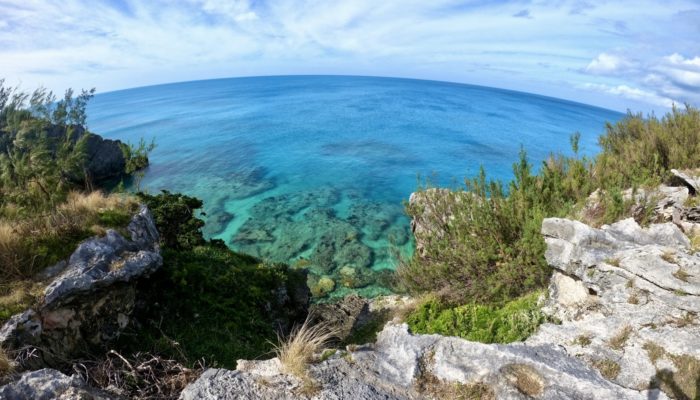
North View from Railway Trail at St Georges island in Bermuda. Photo taken with a GoPro and a wide-angle lens 16-34mm, while walking on my way for groceries at St Georges from the Bermuda Institute of Ocean Sciences. Description by Josue G Millan, after the description on imaggeo.egu.eu.   Imaggeo is the EGU’s online open access geosciences image repository. All geoscientists (and others) can ...[Read More]

Weathering the storm from a research vessel

Weathering the storm from a research vessel

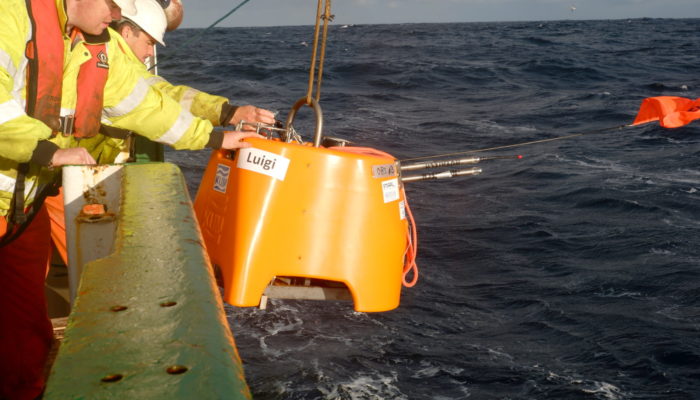
Fieldwork can take geoscientists to some of the most remote corners of the Earth in some of the harshest conditions imaginable, but stories from the field hardly make it into a published paper. In this blog post, Raffaele Bonadio, a PhD student in seismology at the Dublin Institute for Advanced Studies in Ireland, shares a particularly formidable experience in the field while aboard a research ves ...[Read More]

Geosciences Column: Scientists pinpoint where seawater could be leaking into Antarctic ice shelves

Geosciences Column: Scientists pinpoint where seawater could be leaking into Antarctic ice shelves

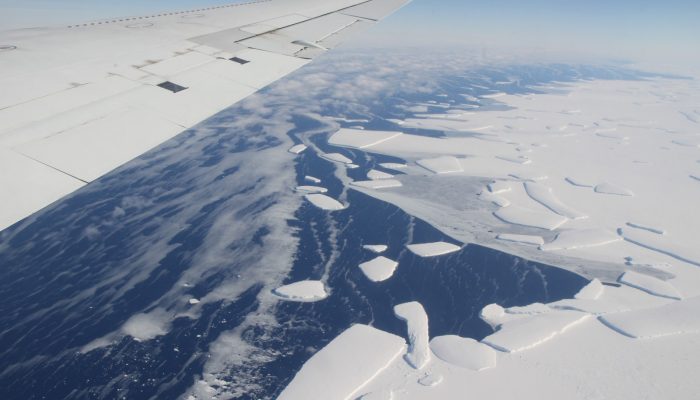
Over the last few decades, Antarctic ice shelves have been disintegrating at a rapid rate, likely due to warming atmospheric and ocean temperatures, according to scientists. New research reveals that one type of threat to ice shelf stability might be more widespread that previously thought. A study recently published in EGU’s open access journal The Cryosphere identified several regions in Antarct ...[Read More]

Imaggeo on Mondays: The calm before the storm

Imaggeo on Mondays: The calm before the storm

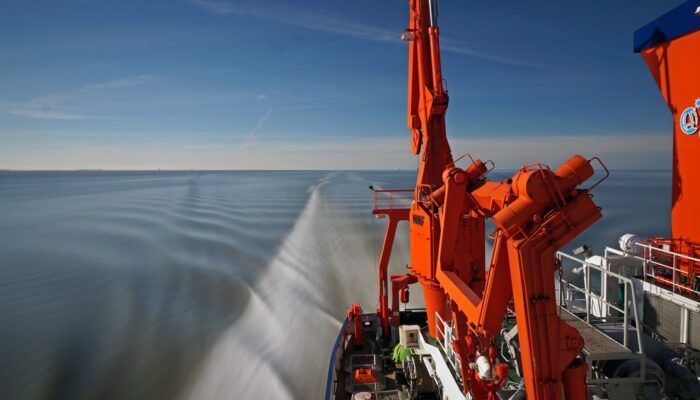
The picture was taken during the 2015 research cruise HE441 in the southern German Bight, North Sea. It features the research vessel Heincke, on a remarkably calm and warm spring day, forming a seemingly steady wake. The roughly 55 metre long FS Heincke, owned by the German federal government and operated by the Alfred Wegener Institute, provides a great platform for local studies of the North Sea ...[Read More]

Imaggeo on Mondays: Sunset on the Giant’s Causeway

Imaggeo on Mondays: Sunset on the Giant’s Causeway

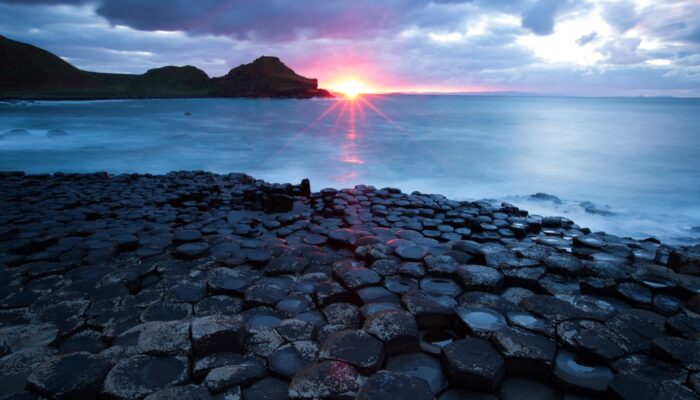
Pictured here is the Giant’s Causeway – a region of basalt columns, created 50-60 million years ago during the Paleogene. The typical polygonal form of the bedrocks, a product of active volcanic processes from the past, is well underlined by the sunset’s light; that’s why I took the photo in the late evening. The separate cracks are extended by weathering over time and are filled eluvi ...[Read More]