GeoLog

limestone

Imaggeo On Monday: Crete- Diplono Petris (Διπλόνο Πέτρις)
Imaggeo On Monday: Crete- Diplono Petris (Διπλόνο Πέτρις)
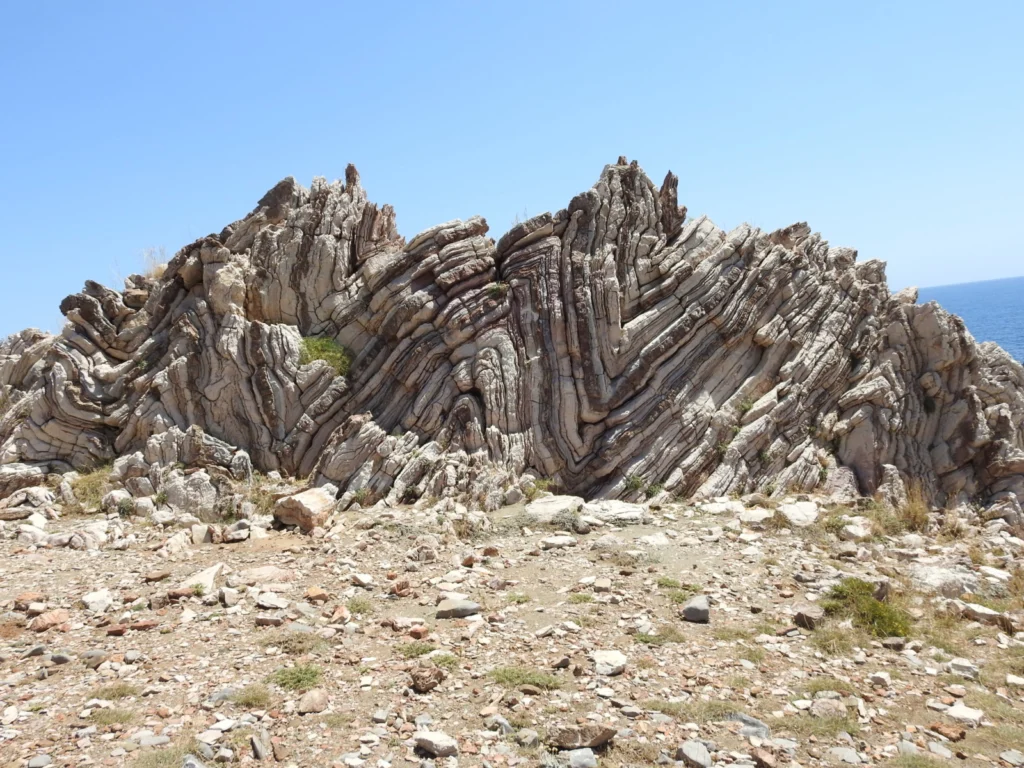
Diplono Petris near Agios Pavlos in the south of Crete island is one of Europe’s most impressive folded rock formations. The rock strata document an alternation of different limestone layers in the pindos top of the Cretan ceiling pile. These sediments, once deposited in a deeper ocean basin of the Pindos Ocean, were deformed in the course of Alpine fold tectonics, triggered by the Northern ...[Read More]

Imaggeo on Mondays: Tertiary Flying Saucers

Imaggeo on Mondays: Tertiary Flying Saucers

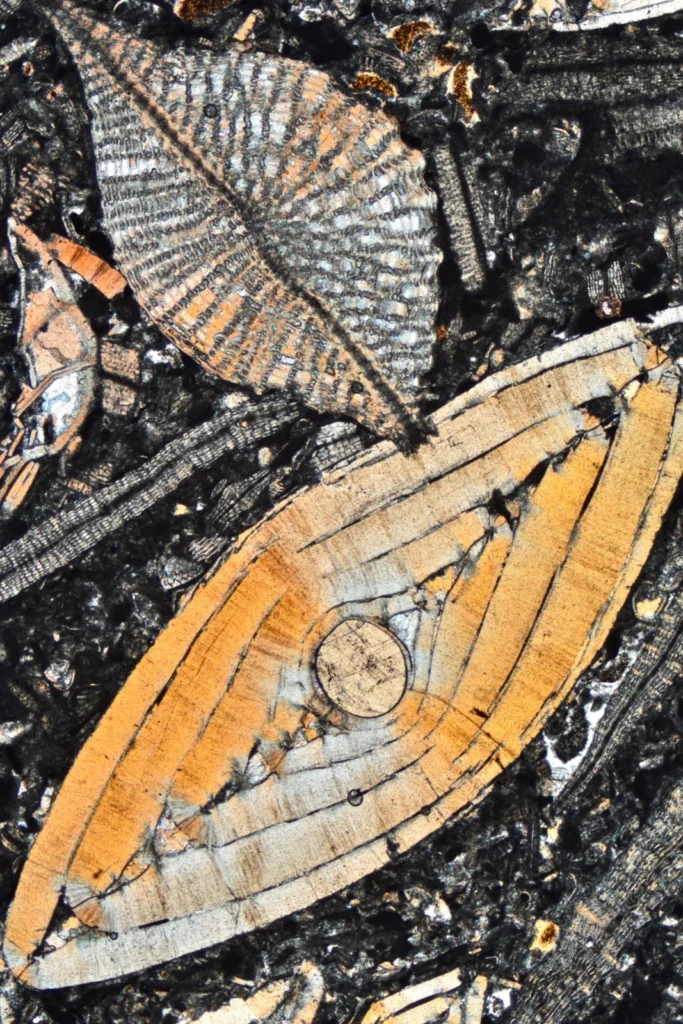
Besides for the purposes of documenting my research, I like to take photos of rocks under the microscope also because of their aesthetic appeal. It’s an hidden, marvelous world. These flying-saucer-looking objects are in fact the fossil skeletons of a Nummulites (the larger) and a Discocyclina (the one on top left), both belong to the phylum of Foraminifera. These single-celled organisms occupyied ...[Read More]

Imaggeo on Mondays: Through the hole

Imaggeo on Mondays: Through the hole

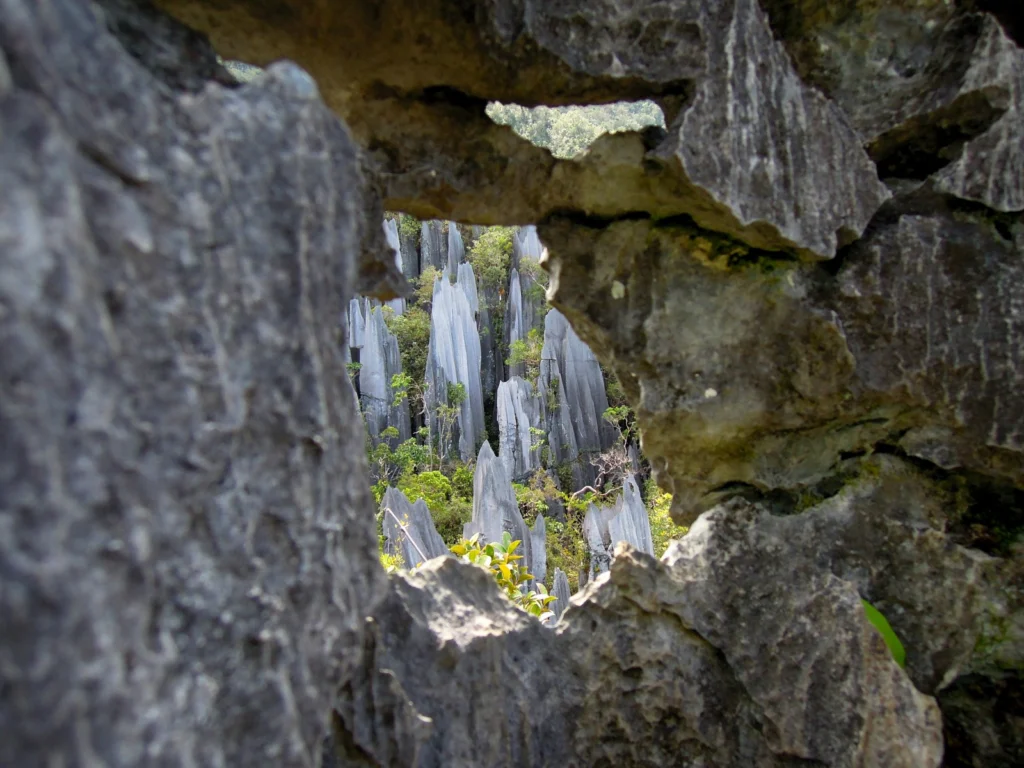
The Gunung Mulu National Park is an area so geologically remarkable and home to such incredibly diverse fauna and flora it has been declared a World Heritage Area.  Located on the island of Borneo, the park is famous for its over 100 different palm species and 3500 other plant types. Geologically speaking, a trip though the varied landscapes will be rewarded with views of deep gorges and hidden va ...[Read More]

Imaggeo on Mondays: Salted Moon

The eerie landscape depicted in our Imaggeo on Mondays image, is brought to you by Donatella Spano (University of Sassari, Italy). This picture was taken at Mammoth Hot Springs, one of the largest hot spring areas at Yellowstone National Park, Wyoming, United States on August 10, 2010. Mammoth Hot Springs is divided into two sections, the Lower Terrace and the Upper Terrace Loops. The photo below ...[Read More]

Imaggeo on Mondays: Lime Pancakes

These are the Pancake Rocks of Punakaiki, on the west coast of New Zealand. They are made of limestone that was deposited as calcifying organisms fell to their fate on the sea floor about 30 million years ago. Since then, the limestone has been uplifted, exposed, and eroded by the wind and the sea. Each of the limestone layers are separated by a thin sheet of mudstone in an arrangement known as st ...[Read More]

Imaggeo on Mondays: Mammoth structures, springs and snowmelt

Spring waters are rich in minerals, carrying with them dissolved components of the rocks they have travelled through. The water that discharges at Mammoth Hot Springs in Yellowstone National Park is highly alkaline (contains a lot of dissolved CO2) and rich in calcium, but as the water cools, the calcium precipitates to form the white limestone terraces you see here. This limestone is known as tra ...[Read More]