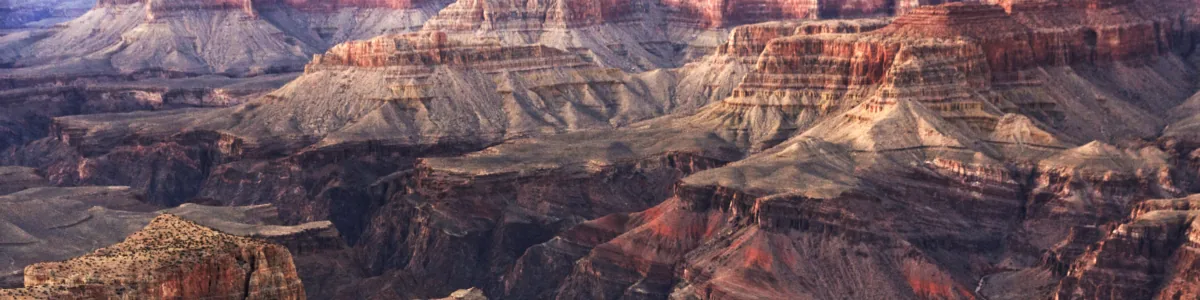
Detail of a photo: Maze of layered canyon walls and buttes in bands of red, cream and grey, receding into the distance in soft evening light.
GeoLog

imaggeo on mondays

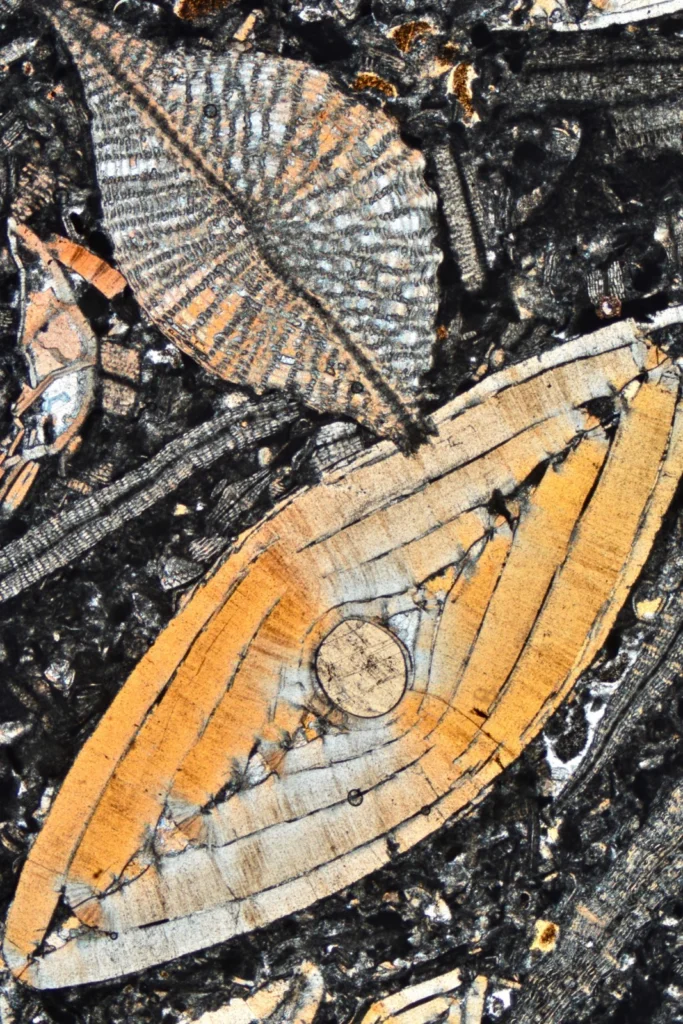
Imaggeo on Mondays: Tertiary Flying Saucers

Imaggeo on Mondays: Tertiary Flying Saucers

Besides for the purposes of documenting my research, I like to take photos of rocks under the microscope also because of their aesthetic appeal. It’s an hidden, marvelous world. These flying-saucer-looking objects are in fact the fossil skeletons of a Nummulites (the larger) and a Discocyclina (the one on top left), both belong to the …[Read More]

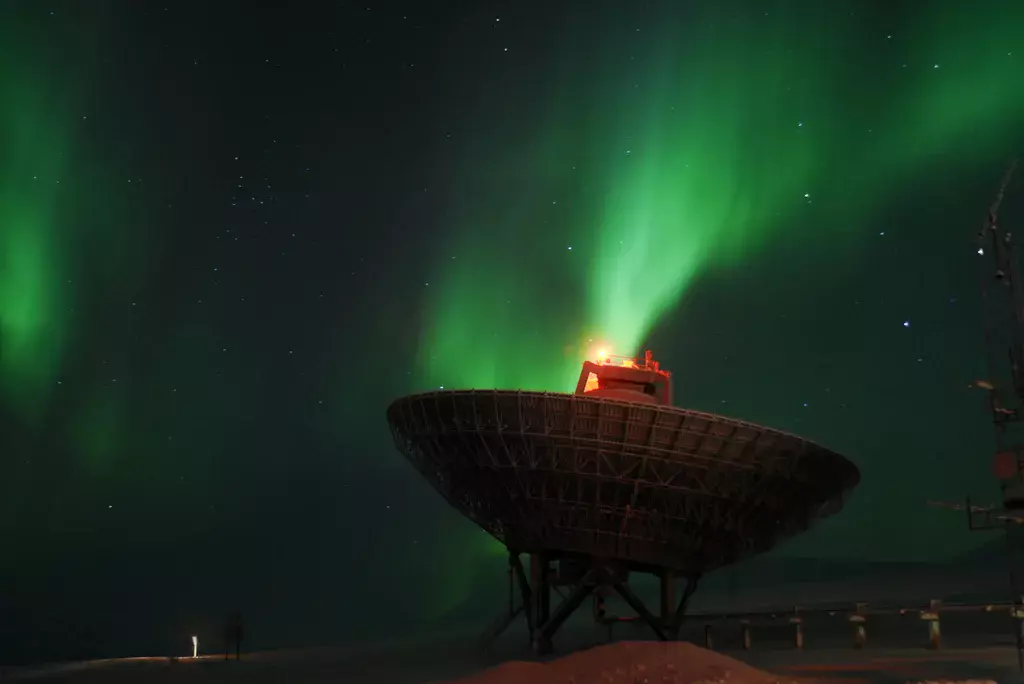
Imaggeo on Mondays: The Tempest

Imaggeo on Mondays: The Tempest

Measuring the aurora. This picture was taken while doing an optical/radar coordinated campaign in Svalbard, Norway, near the settlement of Longyearbyen. In this campaign, we were measuring for the first time the polarisation of the auroral ‘red line’ of atomic oxygen with a photopolarimeter and were running the radars in order to have a better …[Read More]

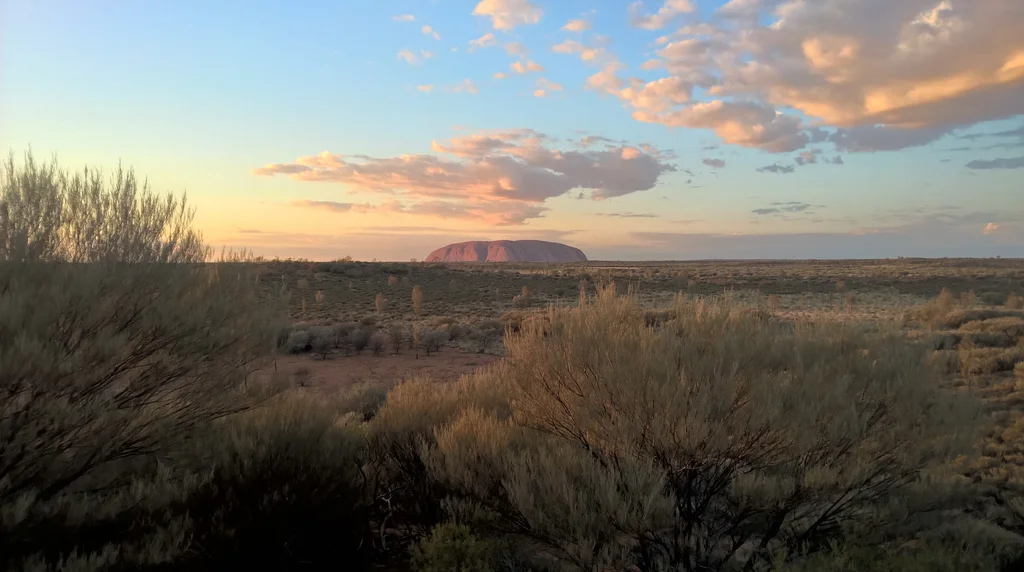
Imaggeo on Mondays: The sun rises also in the middle of nowhere

Imaggeo on Mondays: The sun rises also in the middle of nowhere

Uluru in Australia is one of the most visibly recognisable geological features in the world. This sandstone formation covers an area of 3.3 kilometres and stands 345 metres above the plains around it. According to geoscientists, the rocks that form Uluru were deposited in an inland sea during the Cambrian Period approximately 500 million years …[Read More]

Imaggeo on Mondays: Cooking crystals in the Earth cauldron

Imaggeo on Mondays: Cooking crystals in the Earth cauldron

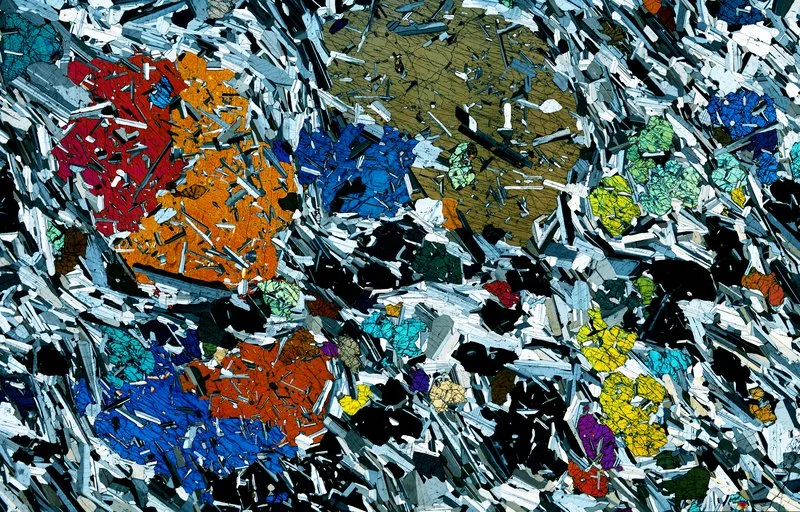
This picture shows a 30 micrometer thick rock section of a gabbro from the Rum Layered Intrusion (Scotland). Large clinopyroxene crystals are enclosed in a foliated fine grained groundmass of plagioclase and olivine. The clinopyroxene core crystallized at an early stage, at 1160°C. They were partly molten at 1200°C during successive hot magma injections and …[Read More]

Imaggeo On Mondays: Contrasting Colors of Pinnacles and Mountains

Imaggeo On Mondays: Contrasting Colors of Pinnacles and Mountains

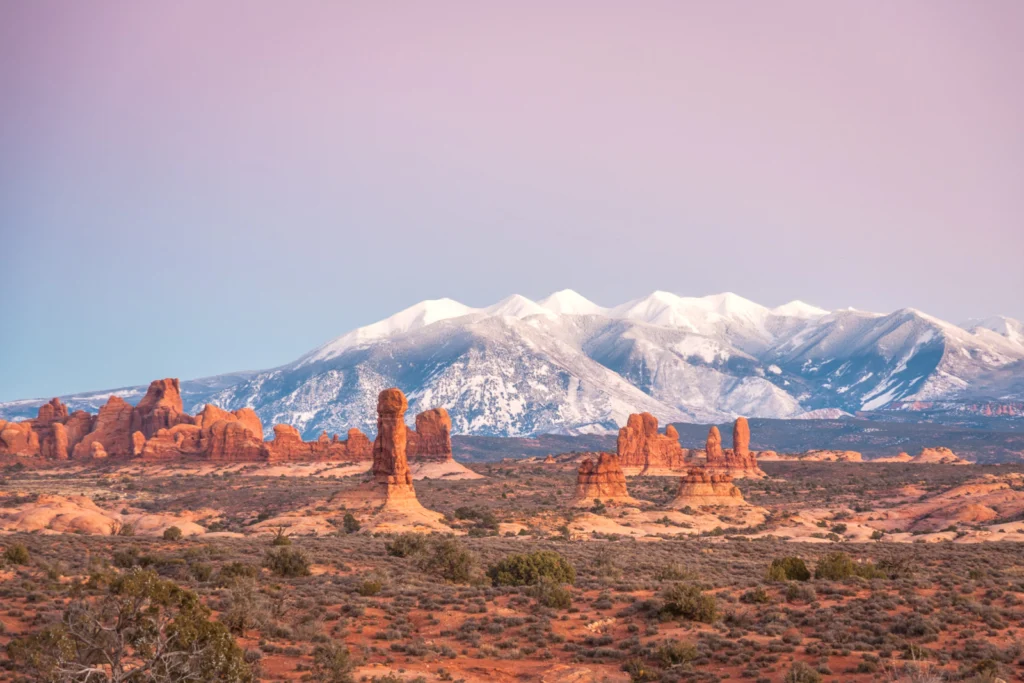
Despite its rugged appearance of sandstone pinnacles and arches, the ecosystem of Arches National Park in Utah, U.S.A. is very fragile. Beyond the normal ‘high desert’ environment, this beautiful landscape is home to microbial communities in the soil called cryptobiotic crusts. These biological soil crusts are very vulnerable to damage and when harmed they can …[Read More]

Imaggeo on Mondays: Santorini cliffs sculpted by wind and sea

Imaggeo on Mondays: Santorini cliffs sculpted by wind and sea

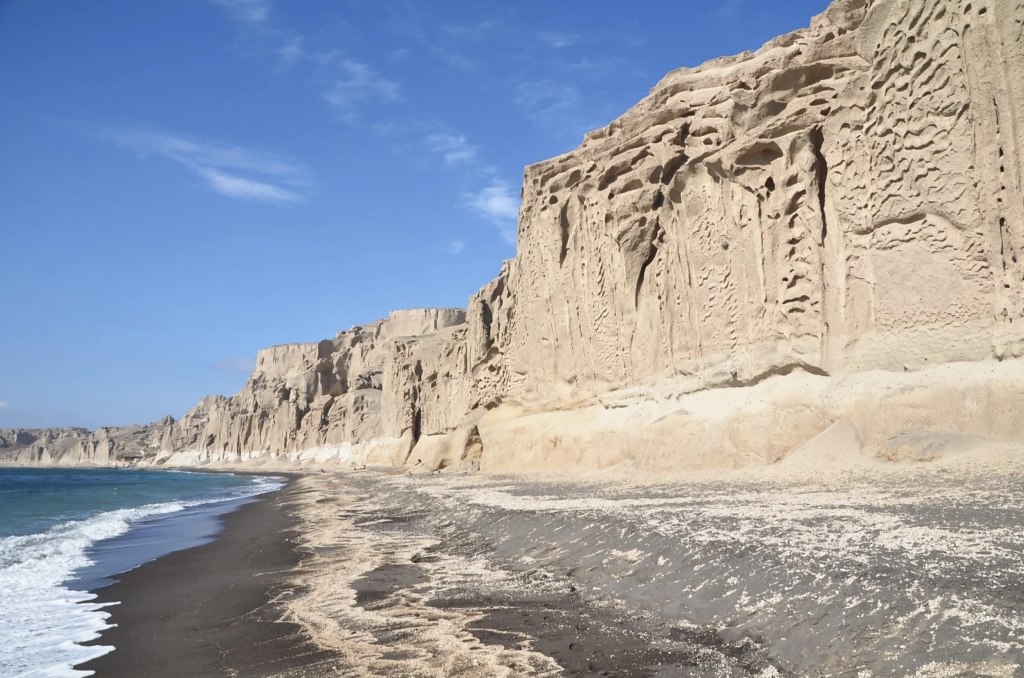
The cliffs look like a bas-relief sculpted by a tireless artist. Naturally carved by the wind and sea, Vlychada’s white cliffs border its black sands, on the southern shore of Thera (Santorini), Greece. Both are of volcanic origin. The material originates from the Late Bronze Age eruption around 1600 BCE, which also buried the prosperous …[Read More]

Imaggeo on Mondays: Sampling sulfurous sinkhole water

Imaggeo on Mondays: Sampling sulfurous sinkhole water

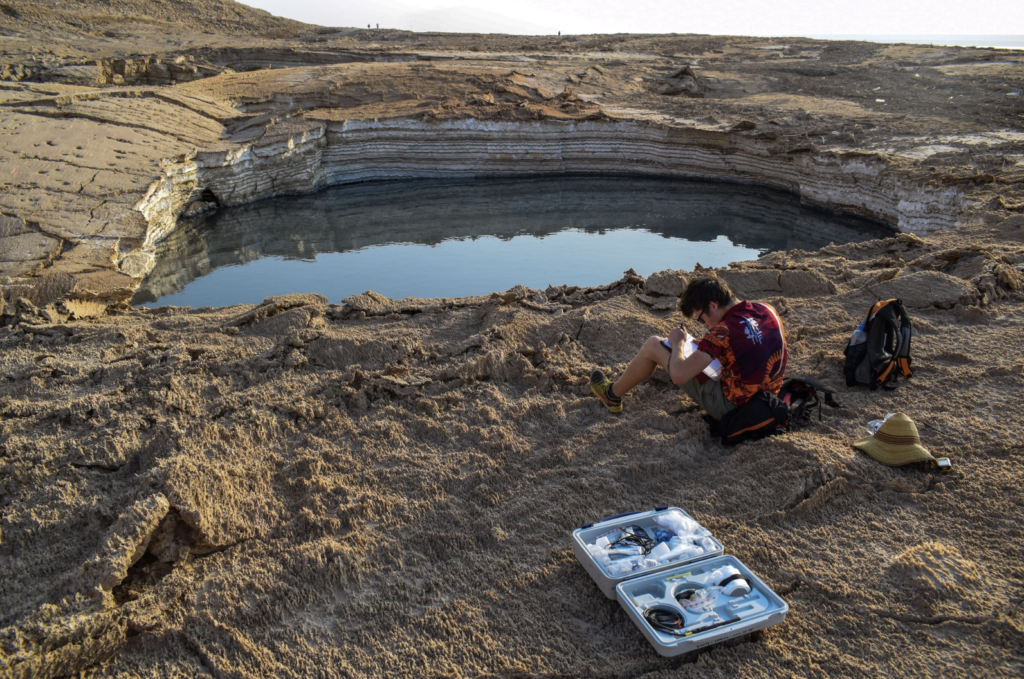
Sampling of water present in sinkhole formed in superficial salt-rich lacustrine deposits at Ghor Al-Haditha, Dead Sea eastern shore, Jordan, during a field campaign in October 2018. The water in this sinkhole flows into the Dead Sea in a surface stream channel formed in 2012. The water was highly acidic and extremely conductive, with a …[Read More]

Imaggeo on Mondays: The best of imaggeo in 2019

Imaggeo on Mondays: The best of imaggeo in 2019

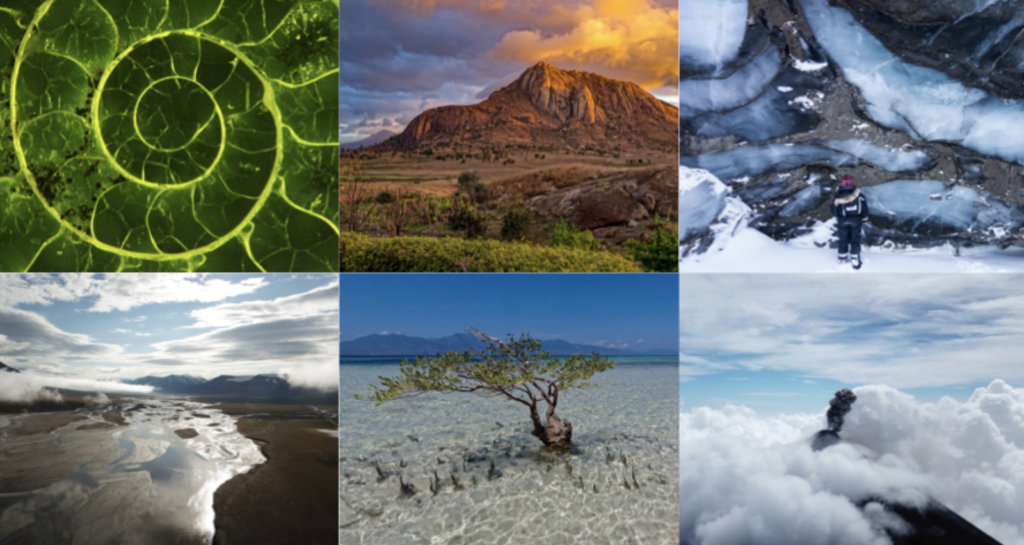
Imaggeo, our open access image repository, is packed with beautiful images showcasing the best of the Earth, space and planetary sciences. Throughout the year we use the photographs submitted to the repository to illustrate our social media and blog posts. For the past few years we’ve celebrated the end of the year by rounding-up some …[Read More]