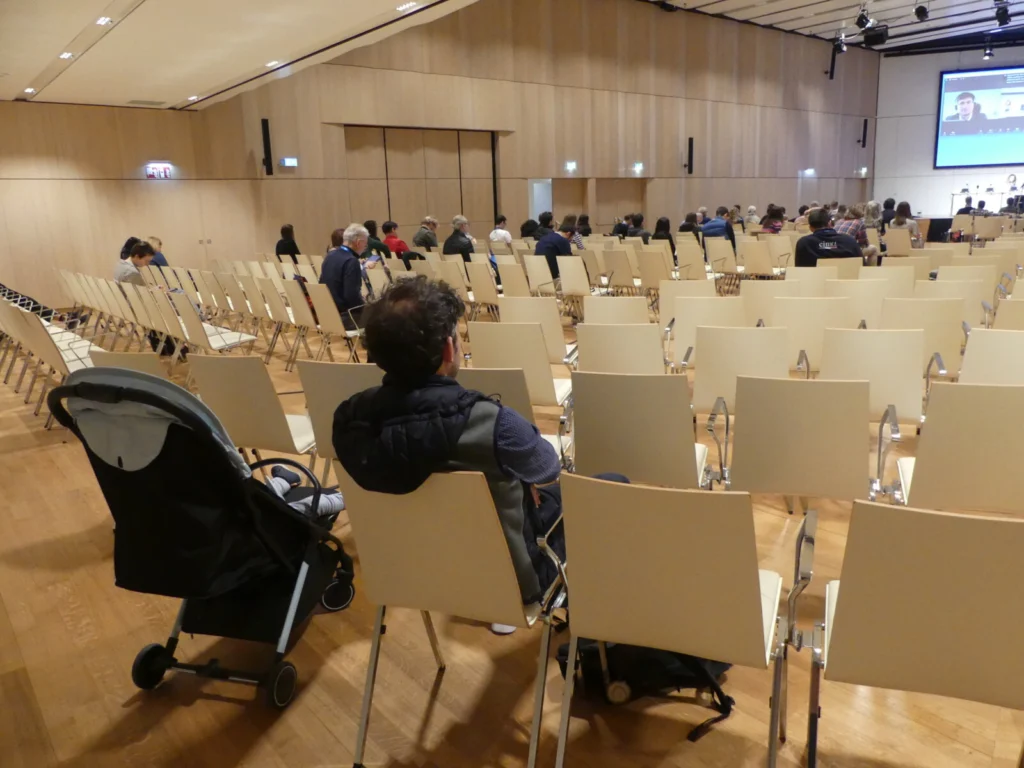
Do you think managing a scientific career and having a family is difficult? Would you like to see more family support at conferences? So do we! ‘We’ are Lisa Schielicke, Leonie Esters, and Elena Päffgen from the Meteorological Department of the University of Bonn in Germany. Together, we are working on the project “Family-Friendly Conferences …[Read More]
EGU
Interview with Peter van der Beek, President of EGU
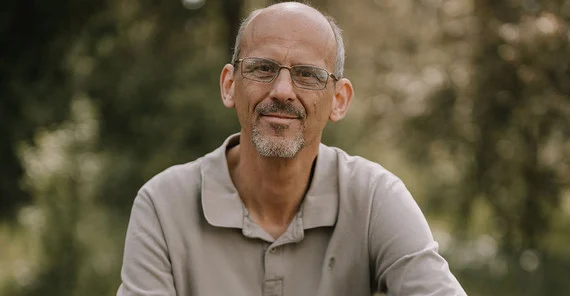
Hello Peter, thank you for taking the time to speak with us and welcome to your new role as President of EGU! Can you tell us a little about yourself and what led you to this role? I am a professor of General Geology at the University of Potsdam in Germany. Originally from the Netherlands, …[Read More]
EGU’s Pride: Insights into our EDI’s committee’s initiatives
The Equality, Diversity, and Inclusion (EDI) Committee at the European Geosciences Union (EGU) is dedicated to promoting a vision of equality, diversity, and inclusion through an integrated, coordinated, and constructive approach. Their mission includes raising awareness of EDI values within the scientific community, organizing sessions and meetings focused on EDI issues, representing EGU in relevant …[Read More]
The EGU Science-Media Toolkit: your guide to overcoming science communication limbo!
Your research deserves recognition beyond your peer-reviewed paper. While academia is often considered the hallmark for knowledge generation, the dissemination of your work should take further steps so that your scientific research can reach the people it is meant to help. Because your audience may not always be experts in your field and may require …[Read More]
Past ice and future predictions – scanning and drilling the changing Antarctic ice
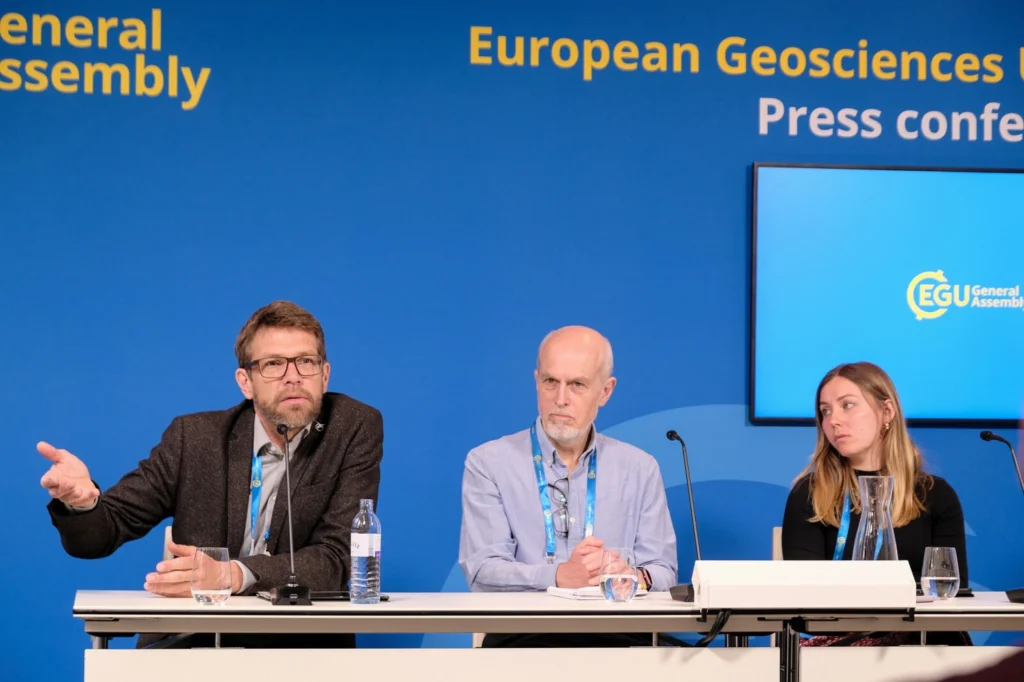
Did you know that some of the scientists of each General Assembly get invited to a press conference to face a group of curious journalists? I did not – but as press assistant for the #EGU24, I had the unique chance to attend the press conference “Unveiling Antarctica’s secrets: new research brings us one step …[Read More]
Outstanding Student and PhD-candidate Presentation (OSPP) top tips from previous winners and judges!
Every year at the General Assembly hundreds of students present their research with a lot of time and effort going into preparing these presentations. With the aim to further improve the overall quality of poster presentations and more importantly, to encourage Early Career Scientists to present their work in the form of a poster, the …[Read More]
GeoTalk: meet David Fernández-Blanco, your new Union-level Early Career Scientist Representative!
Hello David. Thank you for agreeing to this interview! To break ground, could you tell our readers about yourself and your career background? Hi Simon. It’s my pleasure, thank you for inviting me. Well, I’m a Spanish “tectonicist” and I’ve been lucky to work in great institutions all over Europe; Amsterdam, Paris, Zürich, London, and …[Read More]
Outstanding Student and PhD-candidate Presentation (OSPP) top tips from winners and judges!
Every year at the General Assembly hundreds of students present their research with a lot of time and effort going into preparing these presentations. With the aim to further improve the overall quality of poster presentations and more importantly, to encourage Early Career Scientists to present their work in the form of a poster, the …[Read More]
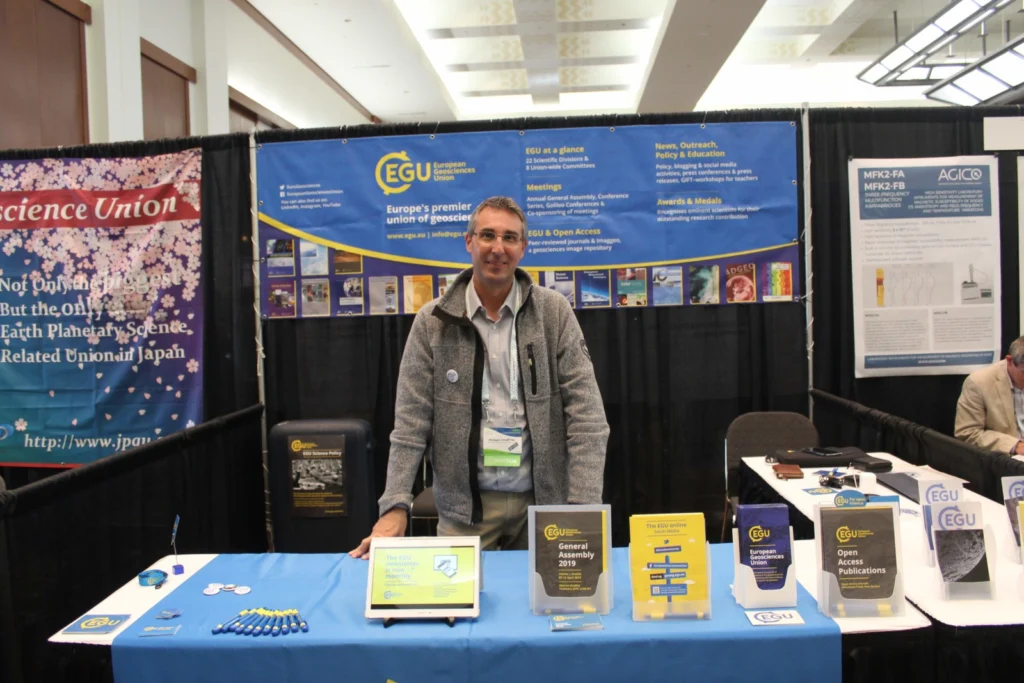
GeoTalk: Philippe Courtial, Executive Secretary, reflects on 20 years of EGU!
Hi Philippe, could you please introduce yourself and your role for our readers? Thank you for inviting me today to provide this contribution as part of this celebration of the EGU 20th anniversary. Being fascinated by the geological features and the beauty of the minerals since my early age, I had the opportunity to study …[Read More]
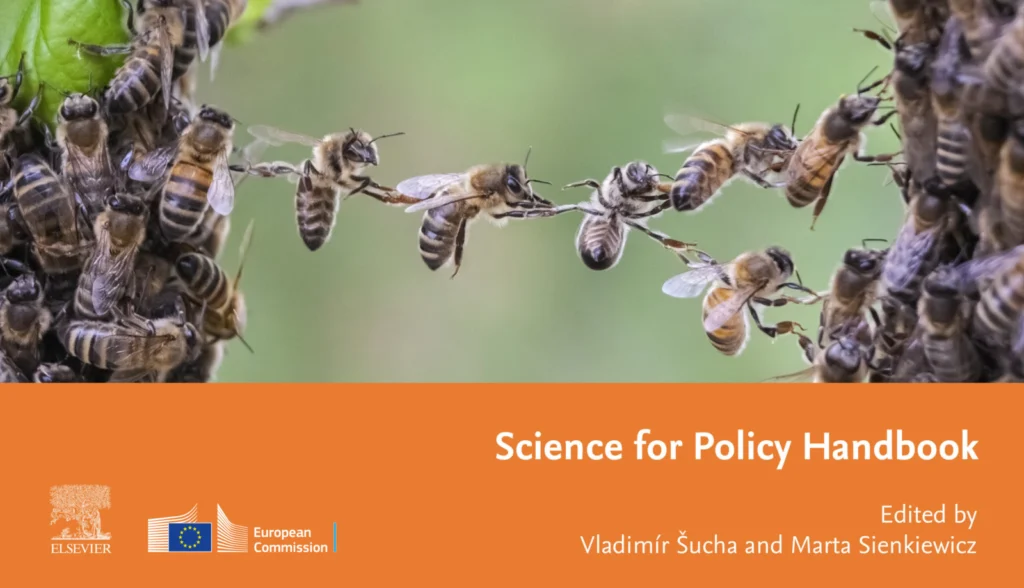
GeoPolicy: How to achieve policy impact
Last year, the European Commission’s Joint Research Centre (JRC) published their Science for Policy Handbook that provides advice on how to bring science to the attention of policymakers. The Handbook is divided into 19 Chapters covering different areas of science for policy as well as some of the challenges that scientists face when engaging with …[Read More]