GeoLog

GeoLog

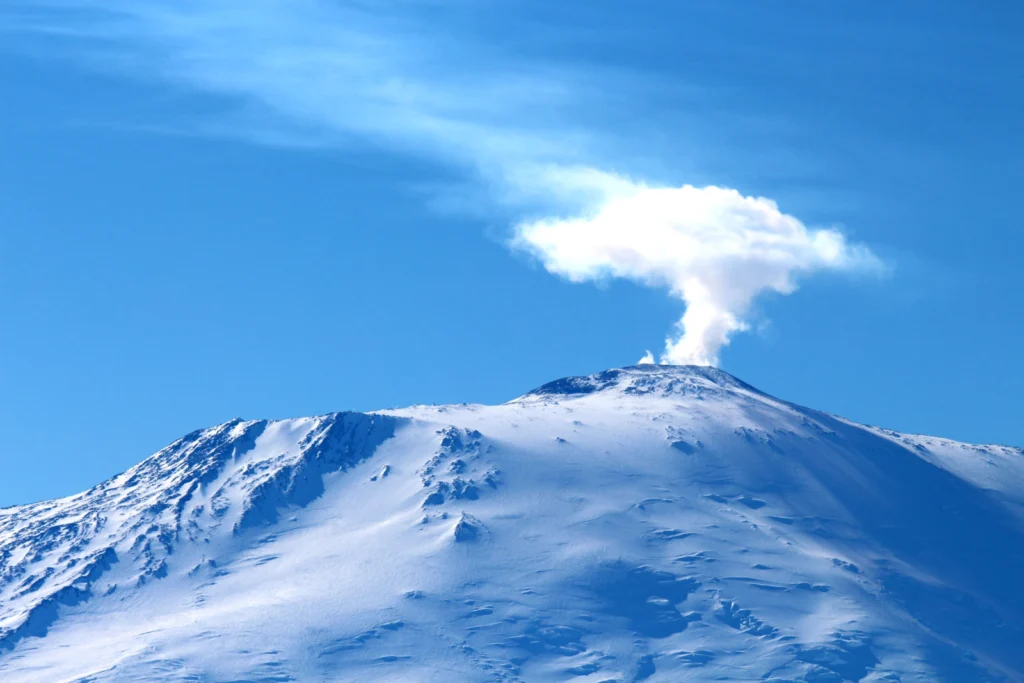
Imaggeo On Monday: Plume of steam rising from the crater of Mount Erebus, Antarctica

Imaggeo On Monday: Plume of steam rising from the crater of Mount Erebus, Antarctica

Plume rising from Mount Erebus on a rare calm day. This 3794 m high volcano is the most active in Antarctica and close to the American base at McMurdo. Photo by Martyn Unsworth, description from imaggeo.egu.eu.   Imaggeo is the EGU’s online open access geosciences image repository. All geoscientists (and others) can submit their photographs and videos to this repository and, since it is open ...[Read More]

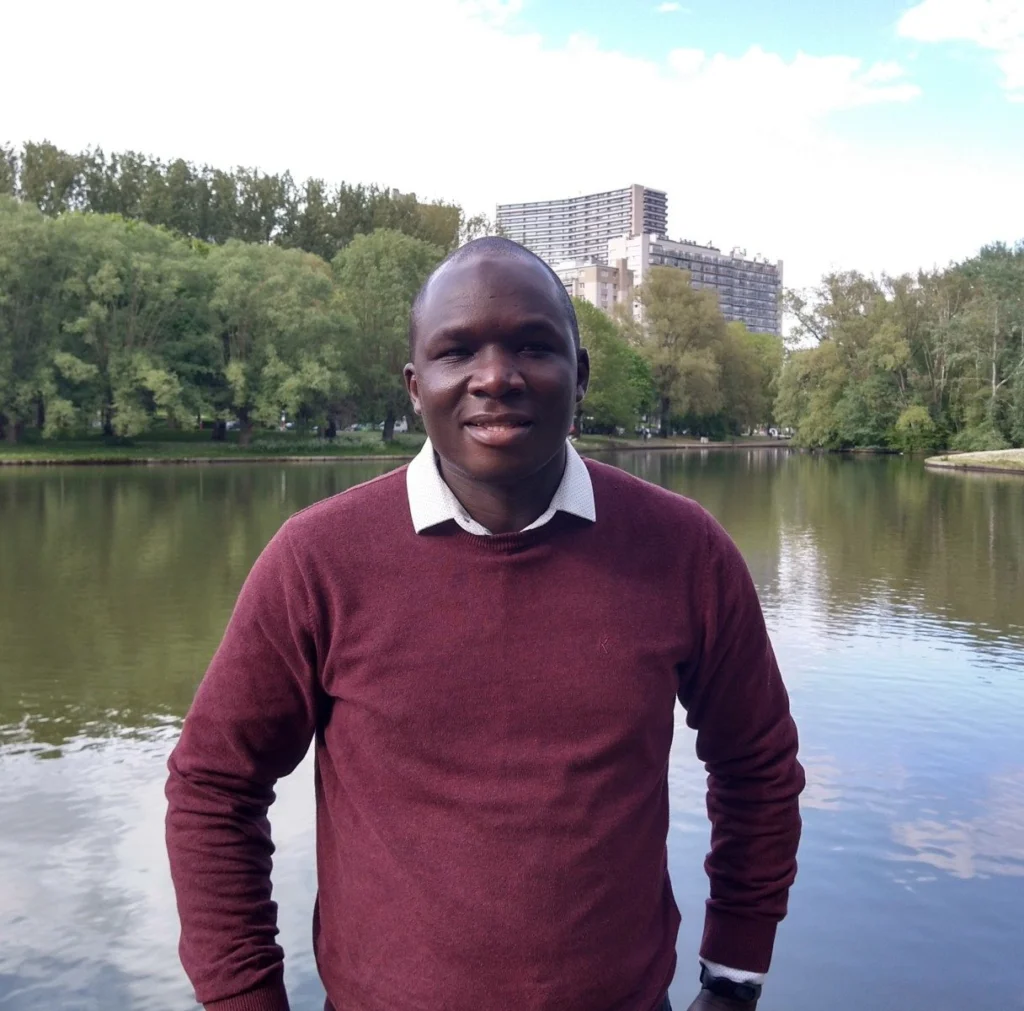
GeoTalk: meet Blaise Nyandwi, researcher in public perceptions of volcanic hazards!

Blaise Mafuko Nyandwi

Thanks for joining us today Blaise! To begin, could you talk about your background and why you pursued research on people’s perceptions of natural hazards? I have a background in geology and environmental sciences. Goma is my hometown and I work as a lecturer at the University of Goma. Living and working in a city built on lava flows and permanently threatened by several hazards from Nyiragongo vo ...[Read More]

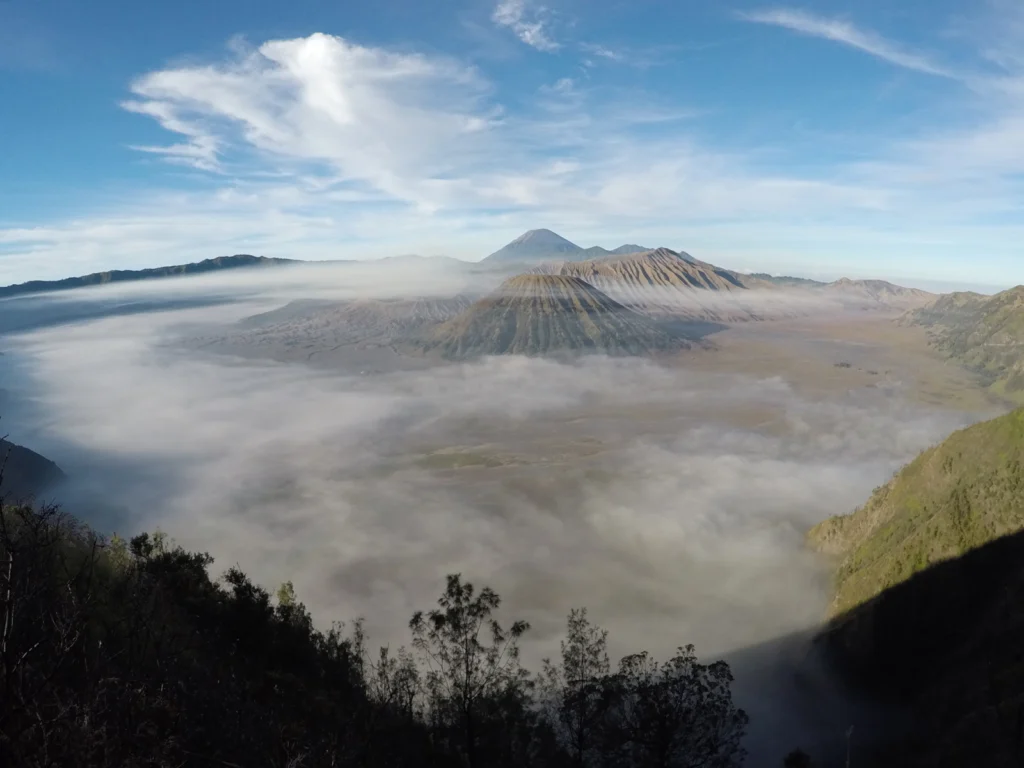
Imaggeo On Monday: Morning view of volcanoes in Java, Indonesia

Imaggeo On Monday: Morning view of volcanoes in Java, Indonesia

Tengger Caldera is a volcanic complex consisting of five overlapping stratovolcanoes (Mounts Batok, Bromo, Kursi, Watangan and Widodaren) forming out of the ancient volcano Tengger, which was formed about 820,000 years ago, situated in East Java, Indonesia. In this panoramic view are visible Mount Batok (in the front; an inactive volcano with lush green vegetation on its rises), Mount Bromo (the s ...[Read More]

Glacial lake outburst floods: What we know about this destructive ice hazard

Glacial lake outburst floods: What we know about this destructive ice hazard

Glacial lake outburst floods are among the most concerning consequences of retreating glaciers in mountain ranges around the world. Although the phenomenon isn’t a new one, it has increasingly become the focus of research efforts in the last two decades, with many scientists seeing these floods as an emblematic symptom of climate change. This blog sheds some light on this lesser-known geological e ...[Read More]

GeoPolicy: Building stronger and more diverse communities at the science-policy interface

GeoPolicy: Building stronger and more diverse communities at the science-policy interface

There are numerous reasons why we should want to build stronger and more diverse scientific communities. Greater inclusivity leads to innovation, expands the pool of ideas, broadens perspectives, and encourages more people to engage. Strong and diverse scientific communities allow us to go beyond the information we can produce on our own and scale our research outcomes. But one reason not often ci ...[Read More]

GeoRoundup: the highlights of EGU Journals published during September!

GeoRoundup: the highlights of EGU Journals published during September!

Each month we feature specific Divisions of EGU and during the monthly GeoRoundup we put the journals that publish science from those Divisions at the top of the Highlights roundup. For September, however, all the EGU Divisions are in the spotlight as we celebrate EGU’s 20 year anniversary. So read on to discover the papers published this month, and while you’re at it – join us i ...[Read More]

GeoPolicy: Top 10 science for policy resources recommended by the EGU’s Science for Policy Working Group

GeoPolicy: Top 10 science for policy resources recommended by the EGU’s Science for Policy Working Group

EGU’s Science for Policy Working Group aims to promote greater collaboration between the geoscientific community and policymakers, highlight policy-relevant outputs from EGU scientists, and support evidence-based policy. Not only does the Working Group support EGU’s policy activities but it also provides individual members with relevant information and opportunities through the EGU&#82 ...[Read More]

Imaggeo On Monday: Diversity of resources in forest harvesting systems in the Dehesa (Sevilla, Spain)

Imaggeo On Monday: Diversity of resources in forest harvesting systems in the Dehesa (Sevilla, Spain)

Spanish “dehesas” and Portuguese “montados” are grassland areas with sparse trees (usually oaks) that allow a diversity of agrosylvopastoral uses. Photo by Antonio Jordán, description as shown on imaggeo.egu.eu.   Imaggeo is the EGU’s online open access geosciences image repository. All geoscientists (and others) can submit their photographs and videos to this reposito ...[Read More]

To accept or not accept: what makes a good scientific editor

To accept or not accept: what makes a good scientific editor

Researchers and those in academia sooner or later come across the scientific editor: the gatekeeper of scientific journals. The editor plays a key role in the publishing process, working closely with authors and reviewers to implement an unbiased peer-review process that upholds rigorous standards. They are often experienced scientists and experts in their field who ensure that the published resea ...[Read More]