Trying to understand the reasons behind the global warming of our climate is a never ending quest for scientists across the geosciences. Scientists often rely on deciphering past change to help us understand, and perhaps predict, what might happen in the future. Many will be familiar with the common saying ‘the past is the key …[Read More]
GeoLog
Imaggeo on Mondays: The organisation of a river system
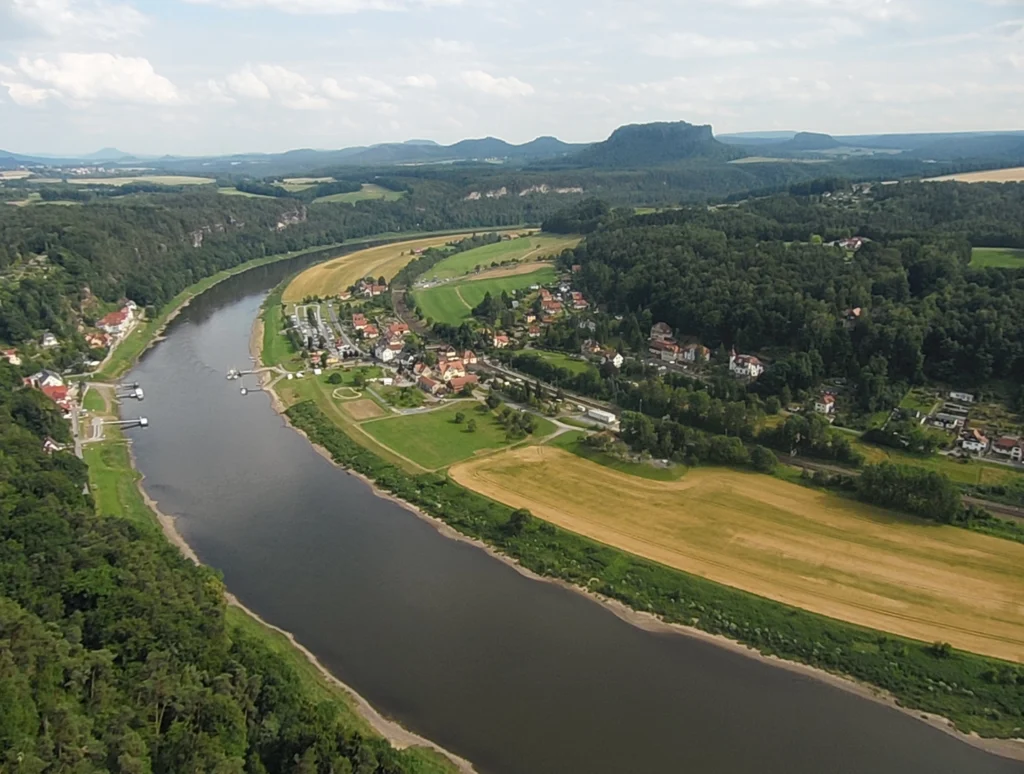
The picture shows the Elbe Rivervalley, one of the major rivers of Central Europe. It was taken from the Bastei Bridge close to Rathen, which towers 194 meters above the Elbe River in the state of Saxony in the south-eastern Germany. This region belongs to the national park known as Saxon Switzerland. Together with the …[Read More]
Geosciences Column: Soil in art
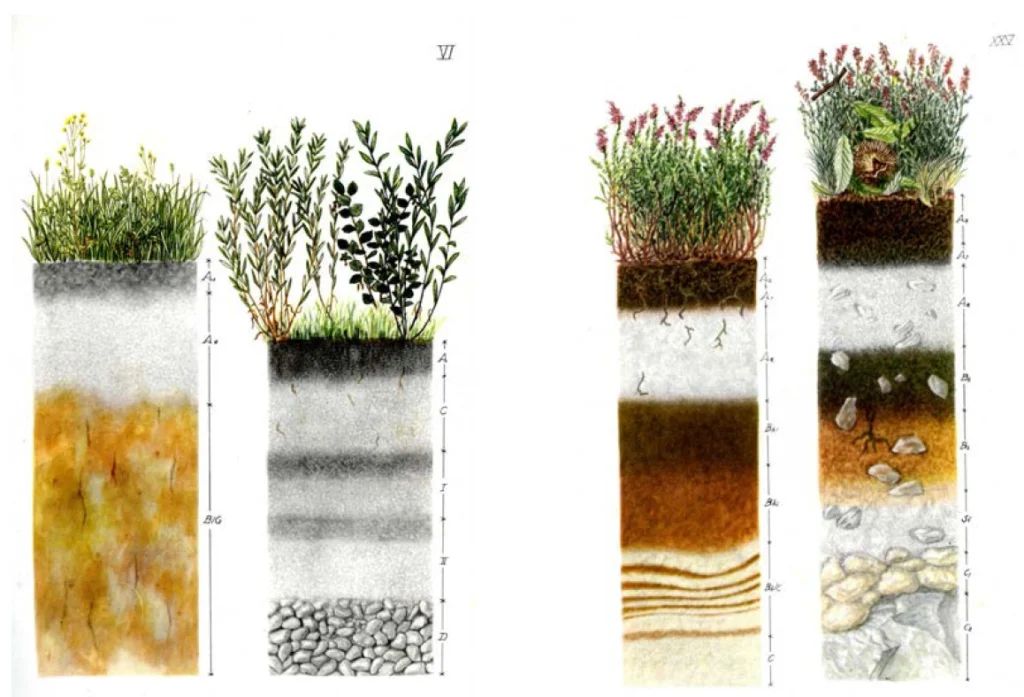
When you think of soil, what is the first thing that comes to mind? The answer will depend on your perception of soil: to some it has a patriotic meaning (“soil of Britain”, for example), while to others it has a strong agricultural connection and to an Earth scientist, well, it’ll depend on their field …[Read More]
Introducing the EGU Executive Office
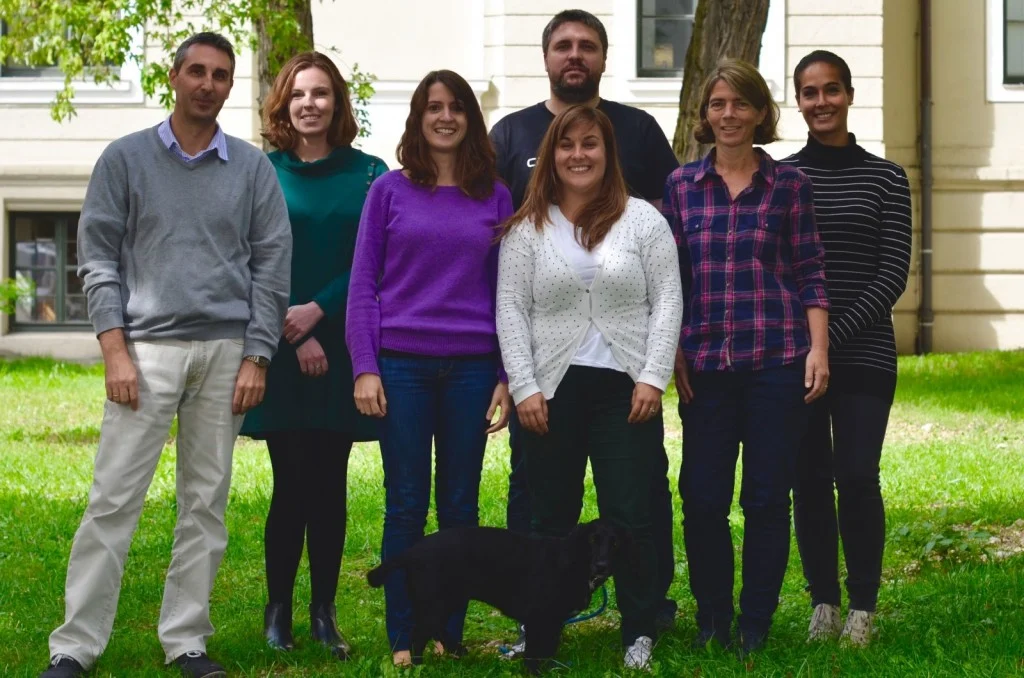
With so many thinking the EGU’s activities are restricted to the organisation and running of the General Assembly, we thought we’d share a behind-the-scenes peek at the team who works year-round to promote the Earth, ocean and planetary sciences and the work of the members of the Union. At the EGU Executive Office in Munich, …[Read More]
Imaggeo on Mondays: Tombstones Mountains
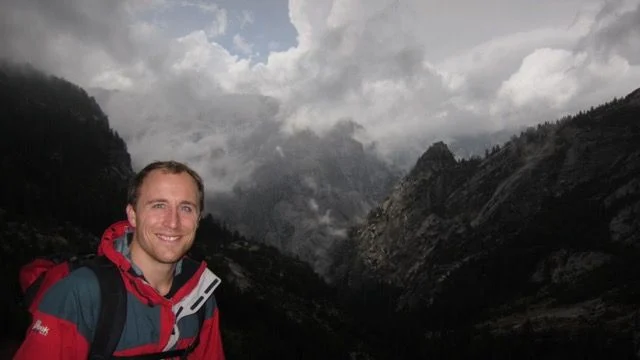
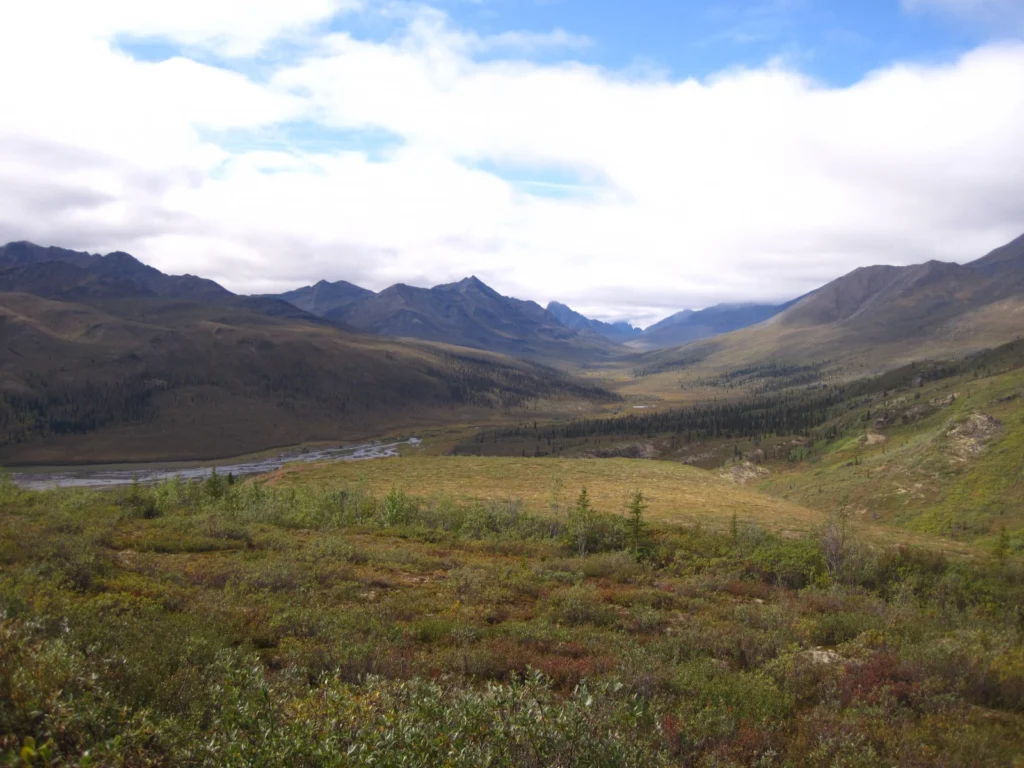
This week’s Imaggeo image is brought to you by one of our network bloggers, Matt Herod. Of the image, Matt said ” this particular one is one of my all time favourites. I have even blown it up and hung it on my wall at home,” and we couldn’t agree more; this Canadian landscape is …[Read More]
A guide to convening a session at the General Assembly – Part II
Convening a session at a conference can seem daunting, especially if you are an early career research and a first-time convener. That’s why we’ve put together this two part series to outline the main steps of the process, with more detailed instructions to be published on the 2016 EGU General Assembly in due course. Remember, …[Read More]
Imaggeo on Mondays: Electron cloud gone wrong
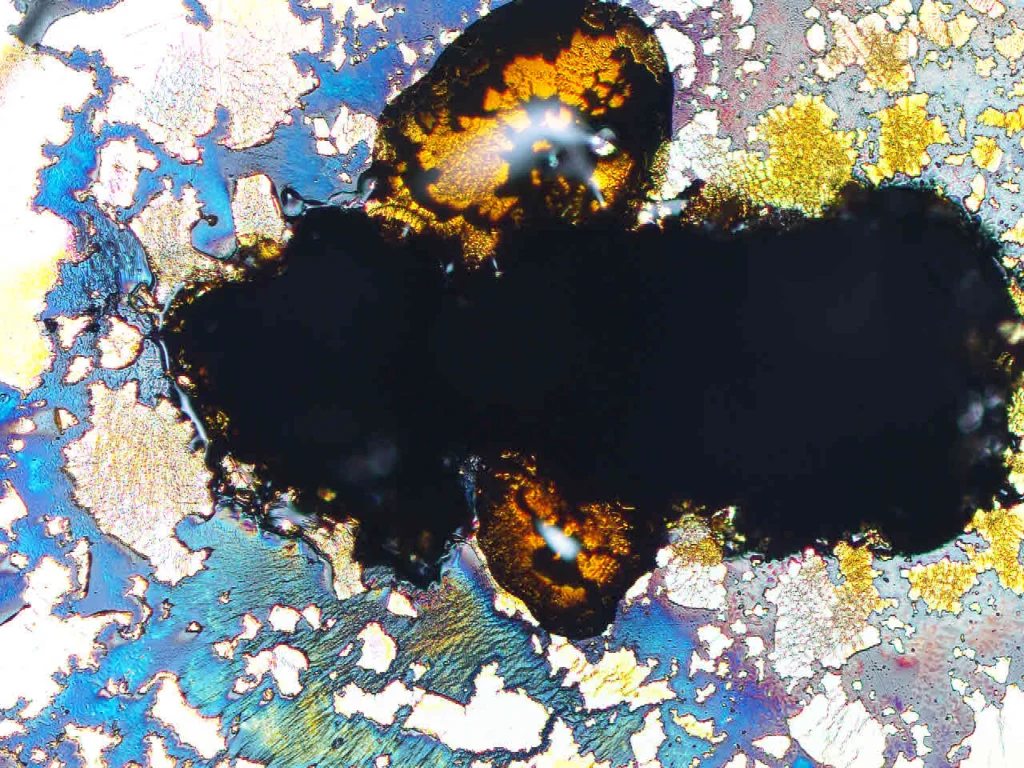
Deciphering the past history of rocks and what they might reveal about the Earth’s future is a key part of geology, and tools such as Ion Probes can be used by Earth Scientists to extract valuable information about a rock’s past. Today’s Imaggeo on Monday’s image was acquired by Sarah Glynn, a researcher at the …[Read More]
Meet the EGU’s new Science Policy Fellow
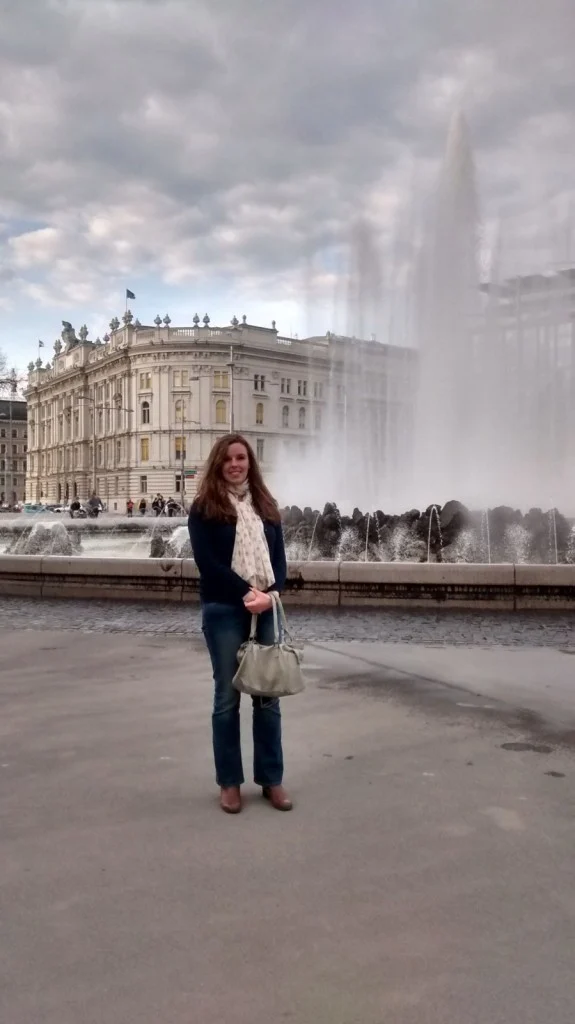
I seem to have moved to Munich at the perfect time – glorious weather and three weeks before Oktoberfest! My name is Sarah and I’ve joined EGU as their Science Policy Fellow – a position created to implement science-policy related activities for EGU scientists. Before Munich, I studied a Masters in Chemistry at the University …[Read More]
Geosciences Column: The Oldest Eurypterid
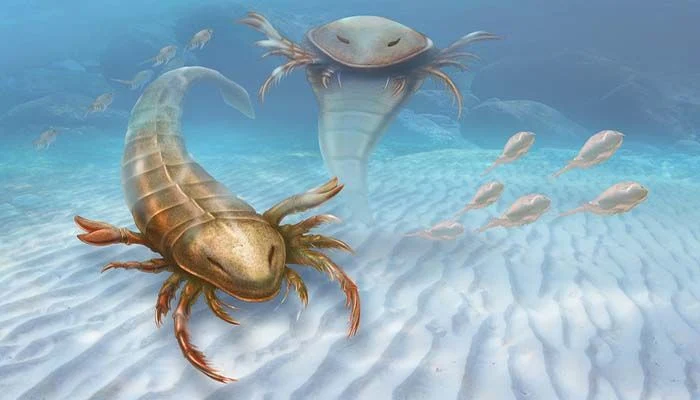
The name of a newly found fossil of sea scorpion draws inspiration from ancient Greece warships and is a unique example of exceptional preservation, shedding light on the rich life of this bygone sea critter, explains David Marshall of Palaeocast fame. To learn more about the importance of giving new fossils names and what Pentecopterus …[Read More]
Imaggeo on Mondays: Mola de Lord
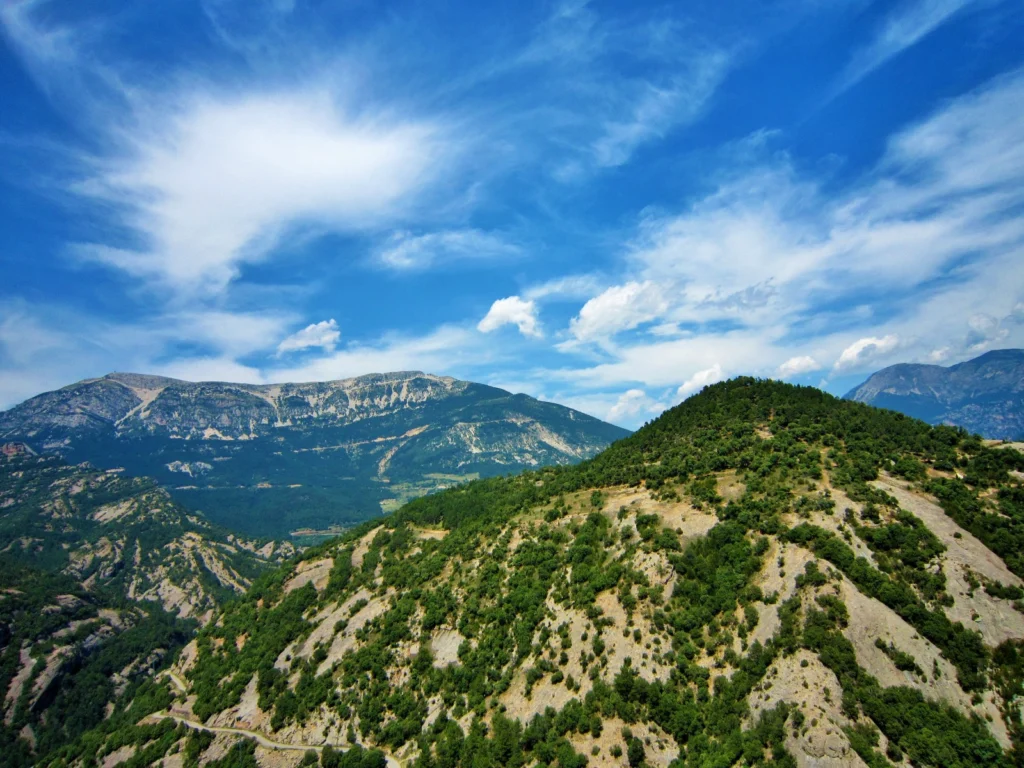
From the easterly Atlantic waters of the Bay of Biscay to the Catalan wild coast (Costa Brava) in the west, the Spanish Pyrenees stretch 430 km across the north of the country. At the foothills of the Catalan Pyrenees you’ll find the Pre-Pyrenees. Despite not reaching the soaring heights of the peaks of the Pyrenees, …[Read More]