GeoLog

GeoLog

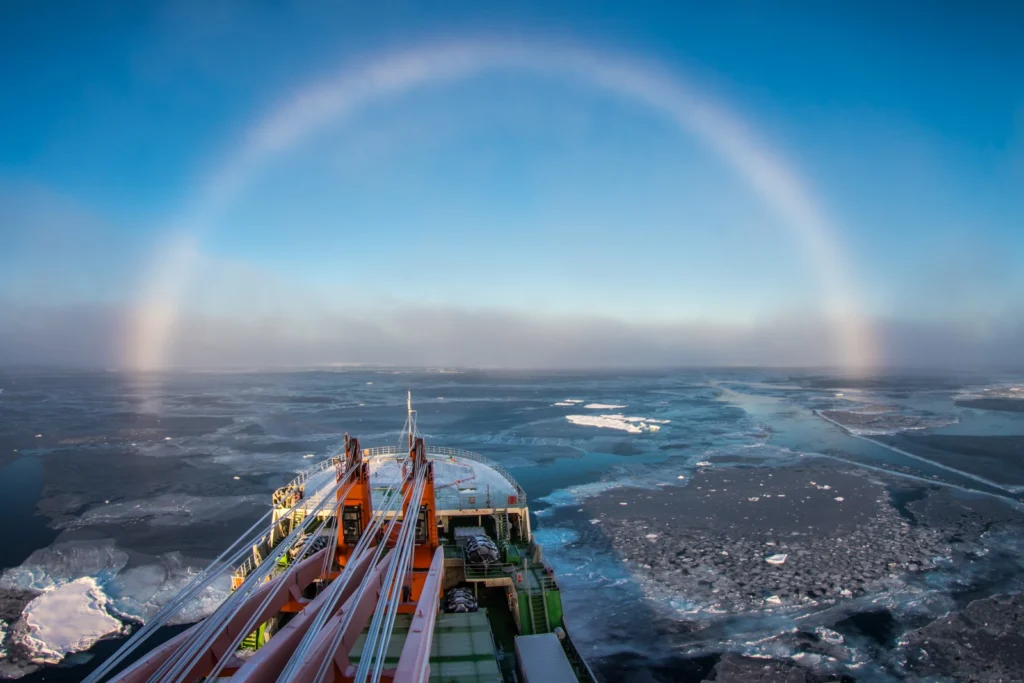
Imaggeo on Mondays: White rainbow in the Arctic

“Above the foggy strip, this white arch was shining, covering one third of the visible sky in the direction of the ship's bow,” he explains. “It was a so-called white, or fog rainbow, which appears on the fog droplets, which are much smaller then rain droplets and cause different optic effects, which is a reason of its white colour.”

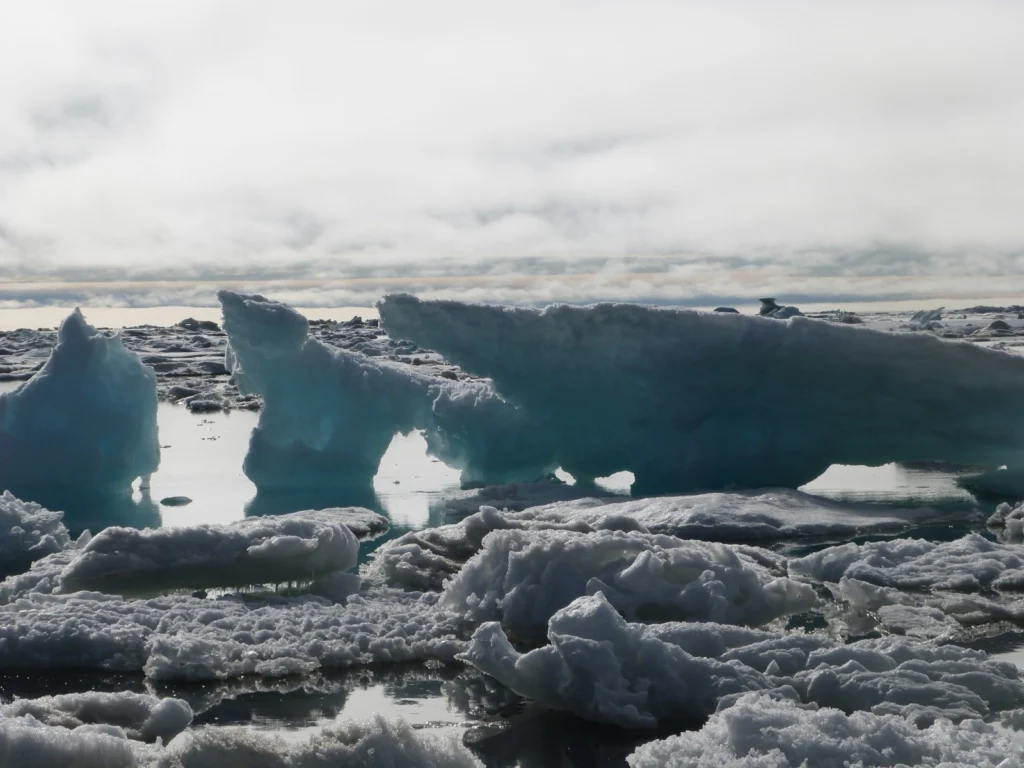
Despite heading into the long polar night – the time when the sun doesn’t shine in the globe’s most northerly latitudes and when temperatures drop and thick sheets of sea ice form -the Arctic is reported to be 20° C warmer than average for this time of year.  Never has it been more important to understand the effects of climate change on Polar Regions. Mikhail Varentsov, a climate and meteor ...[Read More]

Try something different – choose a PICO session at EGU 2017!

Try something different – choose a PICO session at EGU 2017!

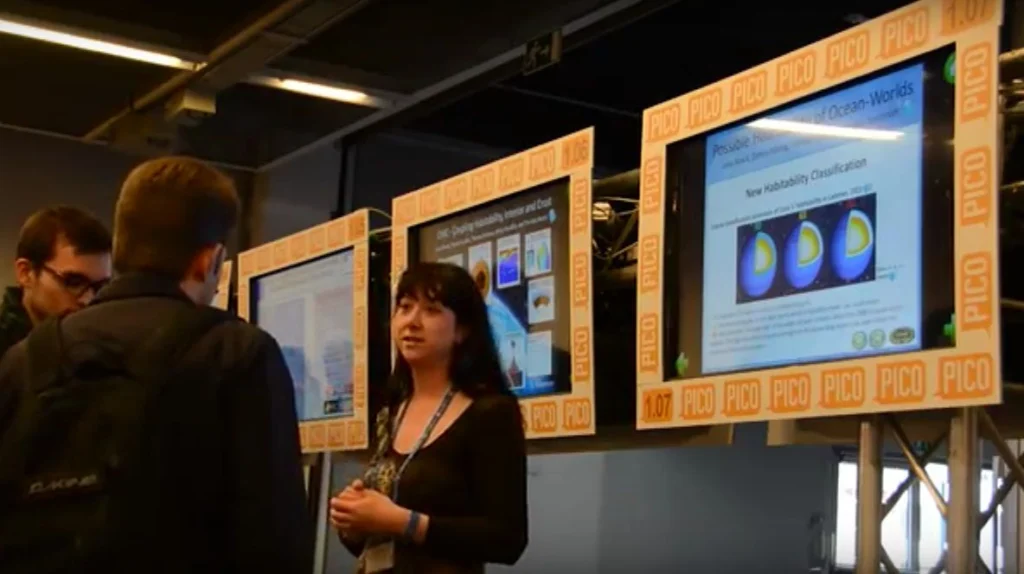
Some of the sessions scheduled for the upcoming EGU General Assembly are PICO only sessions. This means that, rather than being oral or poster format, they involve Presenting Interactive COntent (PICO). The aim of these presentations is to highlight the essence of a particular research area – just enough to get the audience excited about a topic without overloading them with information. What’s gr ...[Read More]

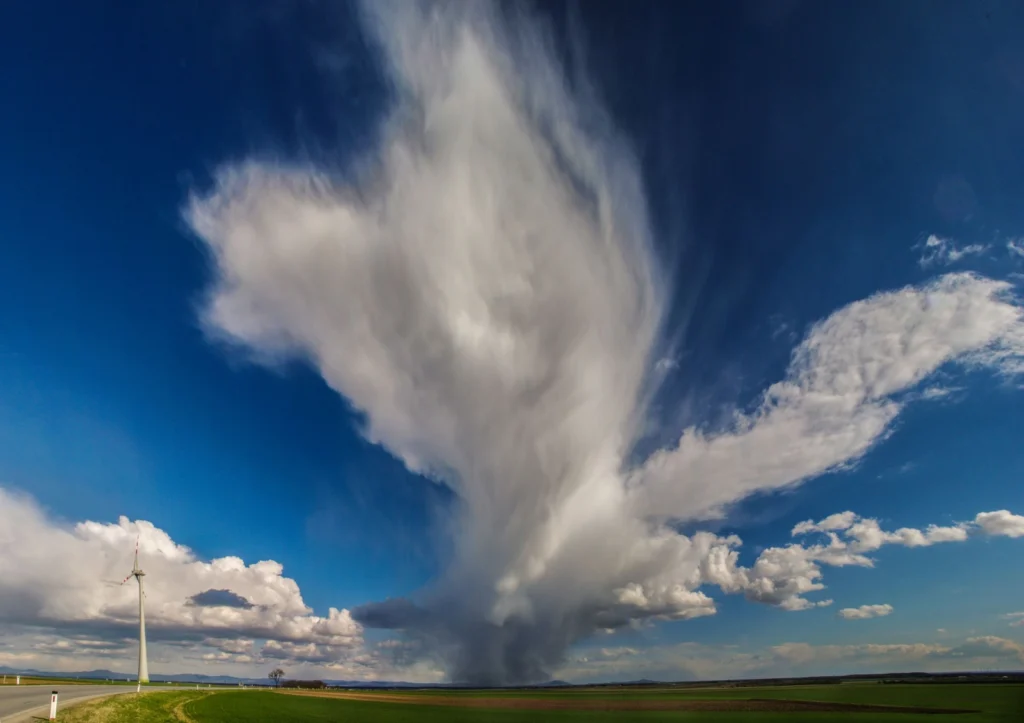
Imaggeo on Mondays: Isolated storm

Imaggeo on Mondays: Isolated storm

Clouds and storms are formed when warm, moist air rises. This causes the air to expand and cool: forming clouds as the moisture condenses onto particles suspended in the air (called cloud condensation nuclei). Normally, air rises from surface heating, or when warm and cold air pockets collide, or if air is pushed upwards when passing over hills or mountains. If this heating, and subsequent rising, ...[Read More]

What’s new for the 2017 EGU General Assembly?

What’s new for the 2017 EGU General Assembly?

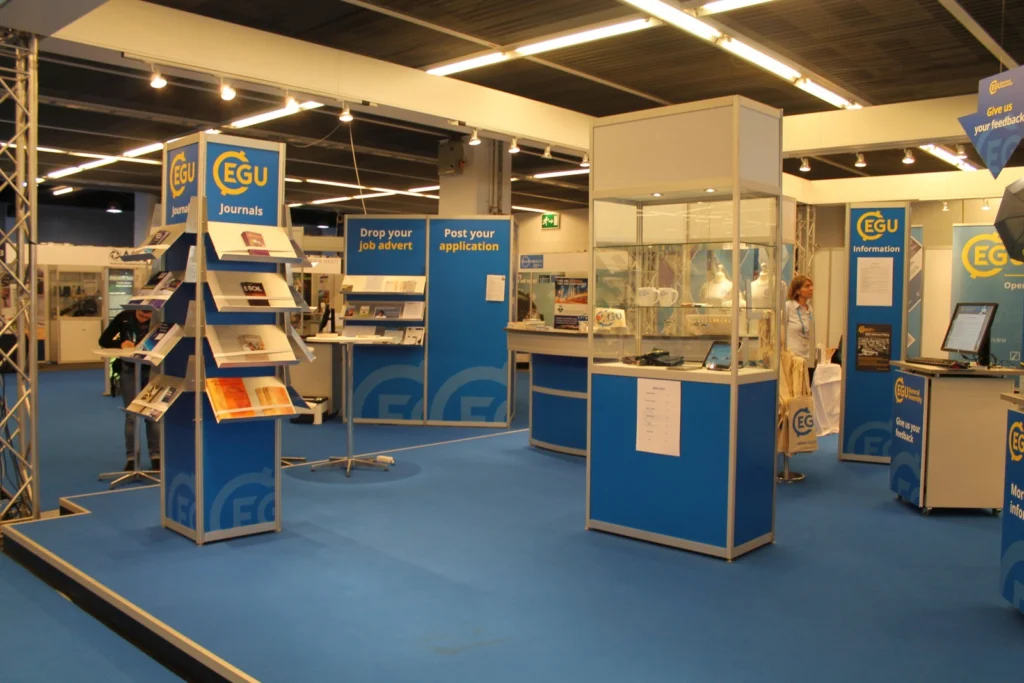
Following a record number of participants at last year’s General Assembly and feedback received, the EGU and its conference organiser Copernicus will be introducing a number of changes at the EGU 2017 General Assembly. In this post, we highlight a few of the changes that returning participants will notice at next year’s conference. More participants means making way for more presentati ...[Read More]

GeoPolicy: What will a Trump presidency mean for climate change?

GeoPolicy: What will a Trump presidency mean for climate change?

The US Presidential election this month saw Republican Donald Trump, a fierce climate sceptic, be elected into office. In wake of the election results, this month’s GeoPolicy post will take a look at Trump’s proposed actions on climate change, how likely these are to happen, and what the climate and clean technology communities could do to limit the damage.   This tweet, written four years ag ...[Read More]

Showcase your film at GeoCinema at the 2017 General Assembly!

Showcase your film at GeoCinema at the 2017 General Assembly!

Every year, we showcase a great selection of geoscience films at the EGU General Assembly and after seven successful years we will again be running GeoCinema in 2017. If you’ve shadowed a scientist in the lab, filmed fantastic spectacles in the field, or have produced an educational feature on the Earth, planetary or space sciences, we want to hear from you! Geocinema features short clips and long ...[Read More]

Imaggeo on Mondays: Aoraki & a round-up of the latest New Zealand earthquake news

Imaggeo on Mondays: Aoraki & a round-up of the latest New Zealand earthquake news

On Sunday the 13th November, New Zealand’s South Island was struck by a powerful 7.8 M earthquake. Initial analysis by the United States Geological Survey (USGS) indicates that the source of the tremor was faulting on or near the boundary between the Pacific and Australia plates. A tsunami alert (no longer active) was triggered following the earthquake, with risk of tsunami waves along coastal are ...[Read More]

GeoTalk: Peter Lippert, understanding continental tectonics through palaeomagnetic studies

GeoTalk: Peter Lippert, understanding continental tectonics through palaeomagnetic studies

Geotalk is a regular feature highlighting early career researchers and their work. In this interview we speak to Peter Lippert, a palaeomagnetist at the University of Utah, and winner of the 2016 EMRP Outstanding Young Scientist Award. He was granted the award for his contributions to insights into palaeoceanography and continental tectonics through palaeomagnetic studies. Crucially, his work usin ...[Read More]