GeoLog

GeoLog

The best of Imaggeo in 2016: in pictures

The best of Imaggeo in 2016: in pictures

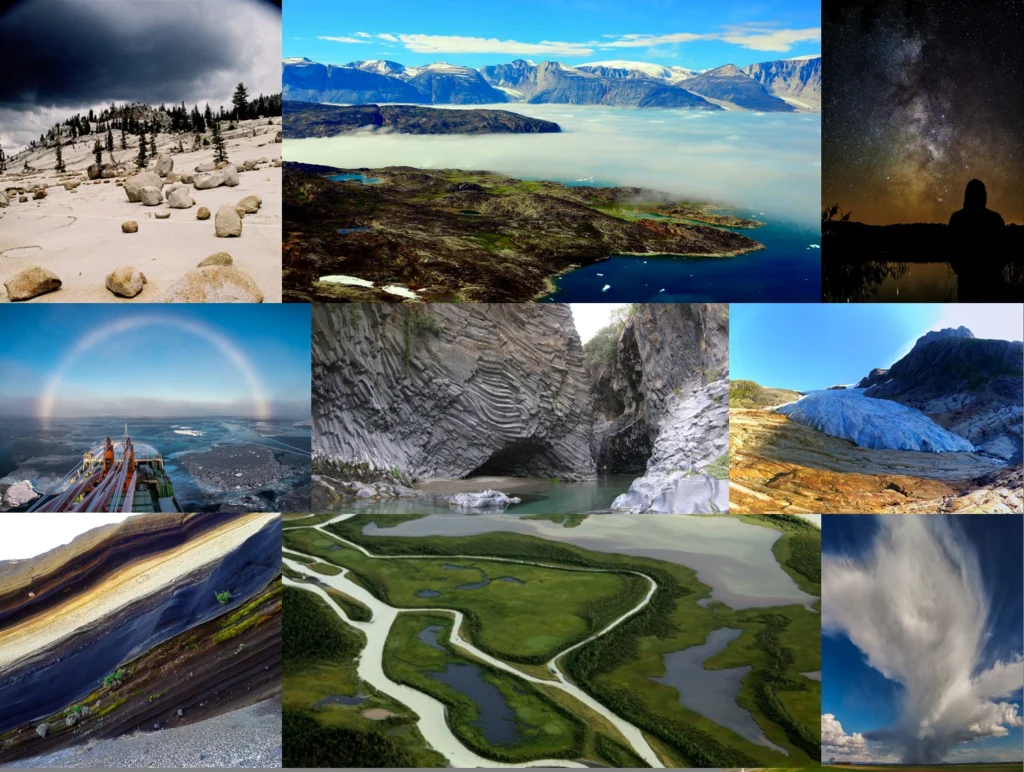
Imaggeo, our open access image repository, is packed with beautiful images showcasing the best of the Earth, space and planetary sciences. Throughout the year we use the photographs submitted to the repository to illustrate our social media and blog posts. For the past few years we’ve celebrated the end of the year by rounding-up some of the best Imaggeo images. But it’s no easy task to pick which ...[Read More]

Looking back at the EGU Blogs in 2016: a competition

Looking back at the EGU Blogs in 2016: a competition

The past 12 months has seen an impressive 360 posts published across the EGU’s official blog, GeoLog, as well as the network and division blogs. From a lighthearted Aprils Fools’ Day post featuring an extreme chromatic phenomenon (otherwise known as FIB); through to how climate change is affecting mountain plant’s sex ratios; features on natural hazard events throughout the year and children’s dis ...[Read More]

Imaggeo on Mondays: Ice drilling

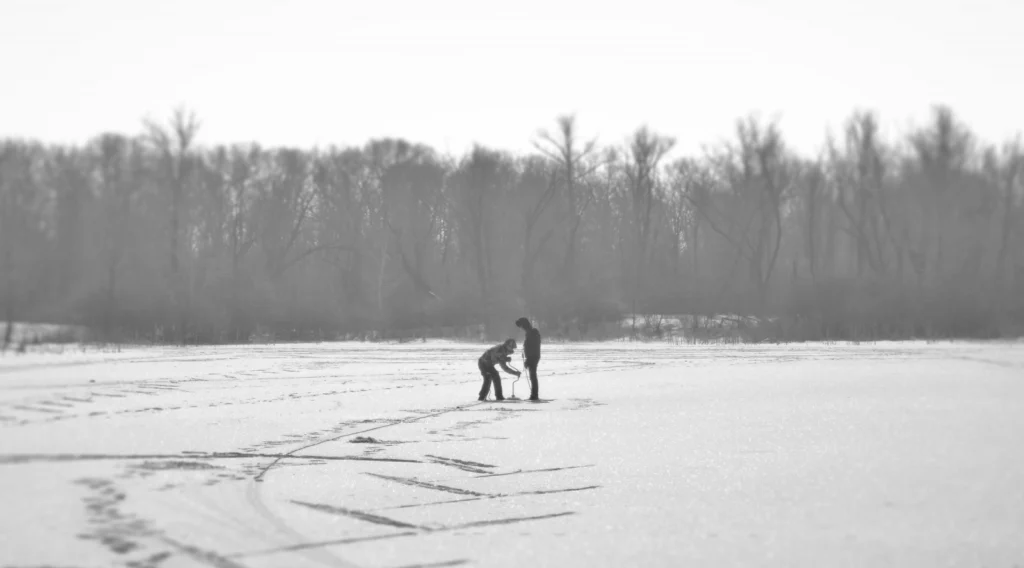
Ice drilling in Saratov

This week’s Imaggeo on Monday’s post, captured by Maksim Cherviakov, shows students from Saratov National Research University practicing a method to measure lake ice thickness. The students are using an ice auger to manually burrow through the ice. Afterwards, the ice depth is recorded using a tape measure. “We measure ice thickness every year on the lakes located in the floodplain of the Vo ...[Read More]

GeoTalk: Using satellites to unravel the secrets of our planet’s polar regions

GeoTalk: Using satellites to unravel the secrets of our planet’s polar regions

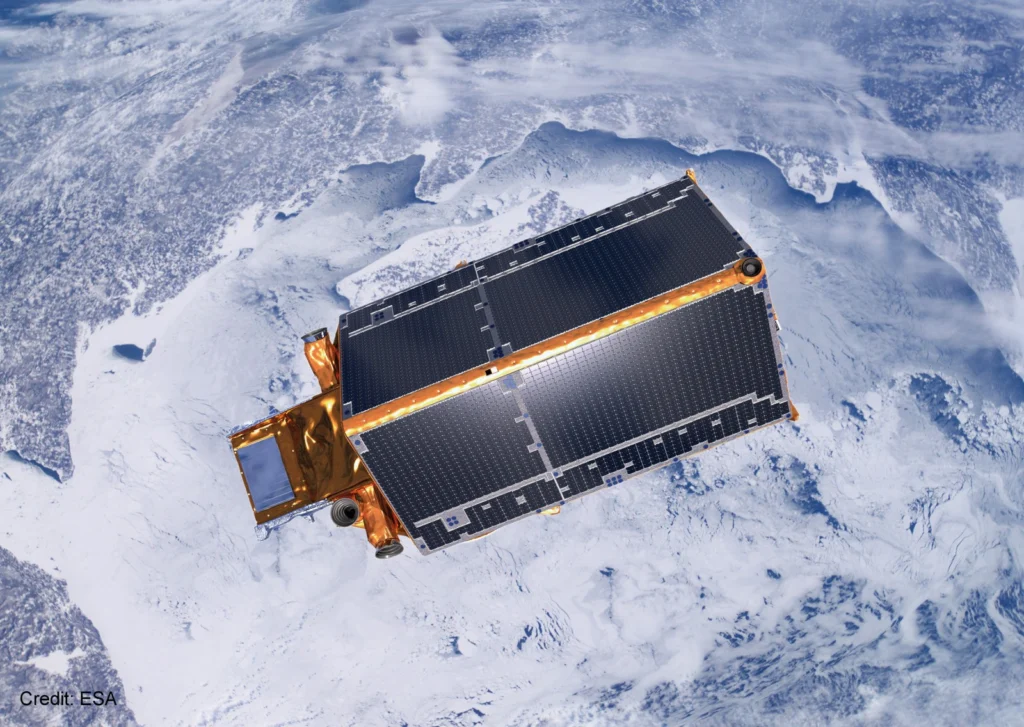
Geotalk is a regular feature highlighting early career researchers and their work. In this interview we speak to Bert Wouters, a polar scientist at the University of Utrecht, and winner of one of the 2016 Arne Richter Awards for Outstanding Young Scientists. At a time when the polar regions are facing increasing challenges resulting from climate change, understanding how they might respond to them ...[Read More]

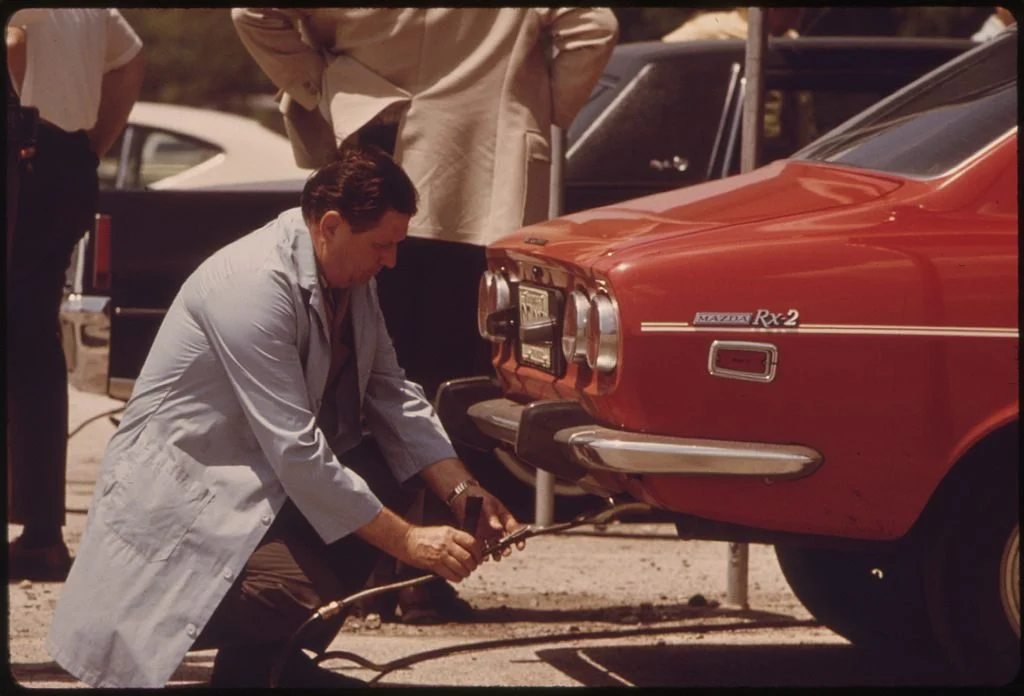
GeoPolicy: A new vehicle emissions test to be introduced, say EU’s top scientists

Inspector testing vehicle emissions

Last year the European Commission appointed a panel of world leading scientists to advise on key science policy issues. In November, the panel issued their first recommendation report focusing on CO2 vehicle emissions. The month’s GeoPolicy post takes a closer look at this high-level advisory panel and the recommendations they have published.   In 2015, the Scientific Advice Mechanism (SAM) w ...[Read More]

Imaggeo on Mondays: “Vancouver! Vancouver! This is it!”

Mount St Helen's, Washington, seen from Johnston Ridge.

On May 18th 1980 Mount St Helens (an active stratovolcano of the Cascades located in the North West US), erupted explosively following a magnitude 5.1 earthquake. The quake triggered a devastating landslide which swept away the volcano’s northern flank – in what is the largest debris avalanche recorded on Earth to date. Removal of a section of the edifice depressurised the volcano’s magmatic ...[Read More]

EGU 2017: Registration open & townhall and splinter meeting requests

EGU 2017: Registration open & townhall and splinter meeting requests

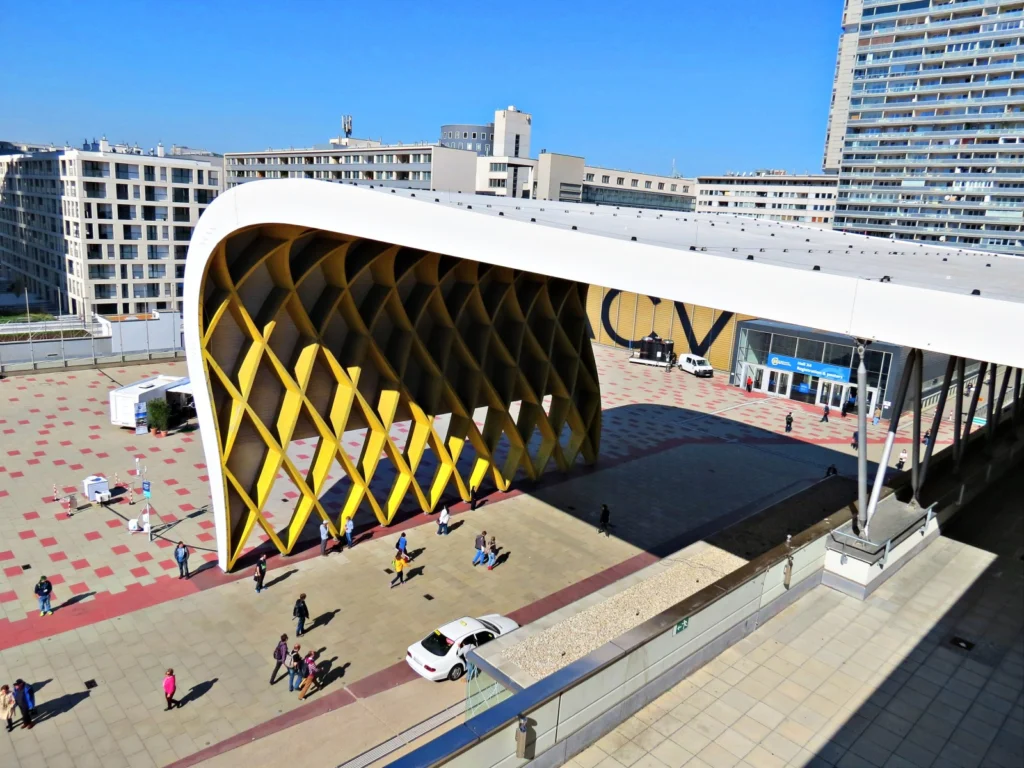
The EGU General Assembly brings together geoscientists from all over the world to one meeting that covers all disciplines of the Earth, planetary and space sciences. The conference is taking place in Vienna on 23–28 April 2017, providing an opportunity for both established scientists and early career researchers to present their work and discuss their ideas with experts in all fields of the geosci ...[Read More]

AGU Fall Meeting 2016: Come meet the EGU!

AGU Fall Meeting 2016: Come meet the EGU!

Are you attending the AGU Fall Meeting in San Francisco next week (12th-16th December?) If so come and visit the EGU booth! You’ll find us in the Exhibition Hall in Booth 1231, just opposite the Recharge Lounge (top right of the exhibition hall). You can find us on the map of the exhibition hall online. In attendance will be the EGU’s Executive Secretary (Philippe) and the Communications Officer ( ...[Read More]

Imaggeo on Mondays: The shrinking of Earth’s saltiest lake

One of the consequences of the rapid fall of the water level (>1 m per year), is that vast areas of salt-rich ground of the shrunken Dead Sea are prone to strong dissolution and mechanical erosion of the subsurface processes.

The Dead Sea is one of the saltiest lakes on Earth, located at the lowest point of the globe.  For centuries it has been known for the restorative powers of its muds and waters. Their hypersalinity means it is possible to easily float on the lake’s surface. Bordering Israel, the West Bank and Jordan, it is a unique environment in an otherwise arid region.  Changing climate, which is seeing tempera ...[Read More]

Geosciences Column: The complex links between shrinking sea ice and cloud cover

Sea ice breaking on the Chukchi Sea, Barrow, July 2014

The global climate system is complex. It is composed of, and governed by, a plethora of interconnect factors. Solar radiation, land surface, ice cover, the atmosphere and living things, as well as wind and ocean currents, play a crucial role in the climate system. These factors are intricately connected; changes to some can have significant effects on others, leading to overall consequences for th ...[Read More]