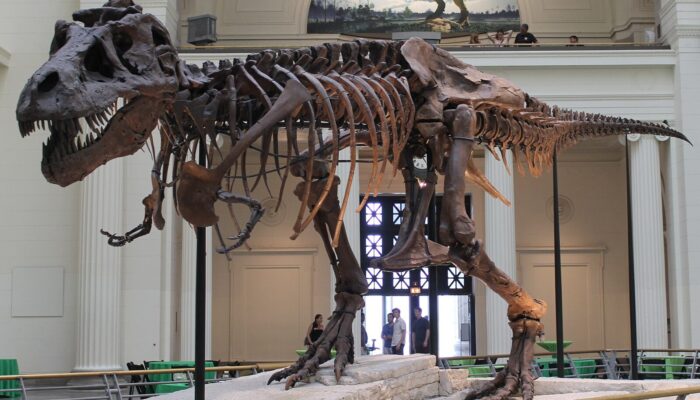
This year marks the 35th anniversary of a discovery that redefined our understanding of the Tyrannosaurus Rex and captivated the world. It’s a story of serendipity, fierce legal battles, groundbreaking science, and an unexpected journey into pop culture. Discovered in South Dakota in 1990 by fossil hunter Sue Hendrickson, Sue is not just any dinosaur skeleton; it is the largest and most complete T ...[Read More]
GeoTalk: meet Shradha Menon, researcher of island stability under climate change and Early Career Scientist Representative!
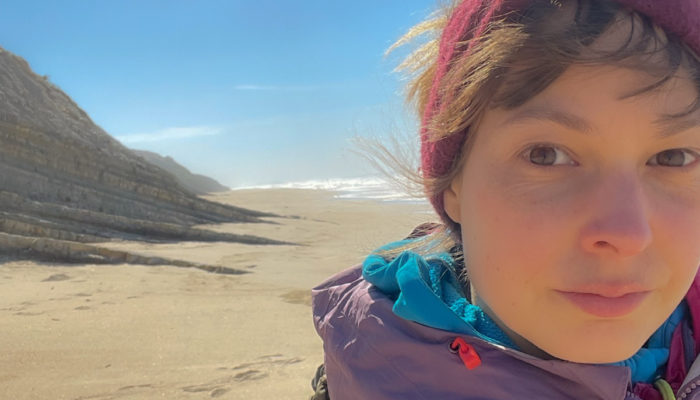
Hello Shradha – welcome to GeoTalk. Before we kick off, could you introduce yourself to our readers? Hi Simon and thank you for inviting me to the GeoTalks Series. I am Shradha Menon and I I am from Kerala, a state in the southern part of India. I am a geologist at heart and my side quests include archaeology as well. I am currently pursuing a PhD in carbonate sedimentology at the Indian Ins ...[Read More]
Swamps may be considered spooky, but is there more than meets the eye?
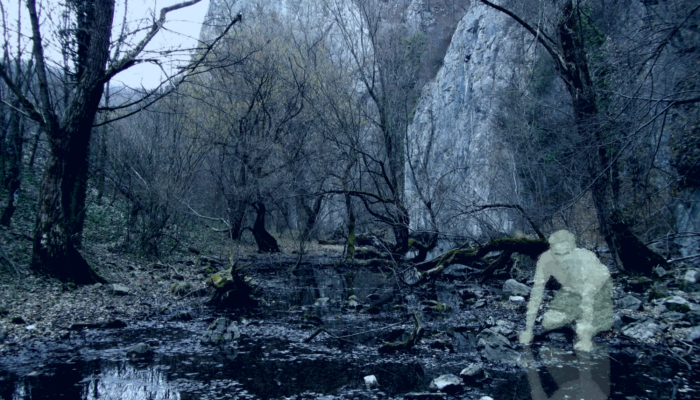
Swamps are spooky. This is the prevailing notion from the depiction of wetlands – the saturated lands of swamps, bogs, and fens – in the media. From the folktales of Will-o’-the-Wisps guiding travellers astray to the many, many swamp monsters of Scooby Doo, the sign is clear: a scrawled “stay away from here” thrust deep in the mud, writ by centuries of storytellers. As a reputation it’ ...[Read More]
International Archaeology Day: Challenging stereotypes about migration
Discoveries like excavations of prehistoric civilizations, shipwrecks with long-lost treasures, forgotten cities, and ancient tombs and temples, paint a vivid picture of archaeology and human history. Yet understanding how cultures evolved is often a more laborious process focused on prosaic finds; pottery shards, tools, implements, skeletal remains, art, inscriptions, pollen or soil samples, amon ...[Read More]
100 years since we learned dinosaurs laid eggs, what do we know now?
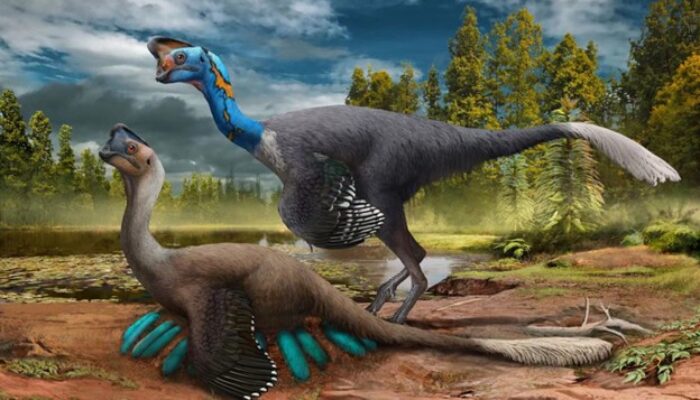
In July 1923, 100 years ago this month, scientists and explorers made an extraordinary discovery that forever changed our view of dinosaurs. An expedition to the Gobi Desert in Mongolia unearthed fossilized dinosaur eggs, in a nest, confirming that dinosaurs laid eggs like the reptiles that scientists at the time thought dinosaurs were. The find was announced in newspapers at the time, to much fan ...[Read More]
GeoTalk: Meet Marisa Storm, Molecular Fossil researcher!
Hi Marisa. Thank you for joining us today! Could you tell our readers a bit about yourself and your research? Hi, I am a geologist and organic geochemist, currently working as a postdoc at the NIOZ Netherlands Institute for Sea Research based on the island Texel. After my geology-focused undergraduate and master studies in Germany at the RWTH Aachen and Heidelberg University, I graduated wi ...[Read More]
Winners announced: Here are the best EGU Blog Posts of 2022!
As future-focused as we like to be at EGU, we sometimes pause to look back at the year gone by – just a brief glimpse to appreciate all the good work of 2022! As always, we had so many inspiring and thought-provoking blog posts published this year across the EGU’s official blog GeoLog and division blogs. Thank you to each of you for your writing contribution! To continue our annual appreciation fo ...[Read More]
Imaggeo On Monday: A steady silent witness
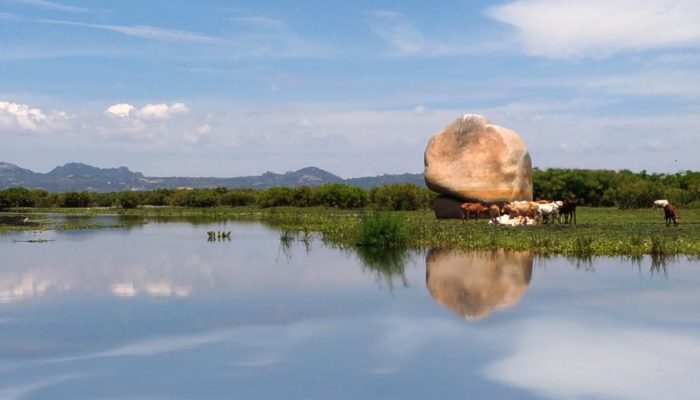
I took this picture during a sunny field work day in the Mara Wetland, Tanzania. The granitic inselberg appeared to me as a huge silent witness not only of siltation and inundation of the wetland but also of the human actions. Slash-and-burn is widely used to deforest lands and riparian vegetation for new crops and grazing fields along the Mara River. The induced habitat degradation is jeopardizin ...[Read More]
Imaggeo On Monday: Stands of Time
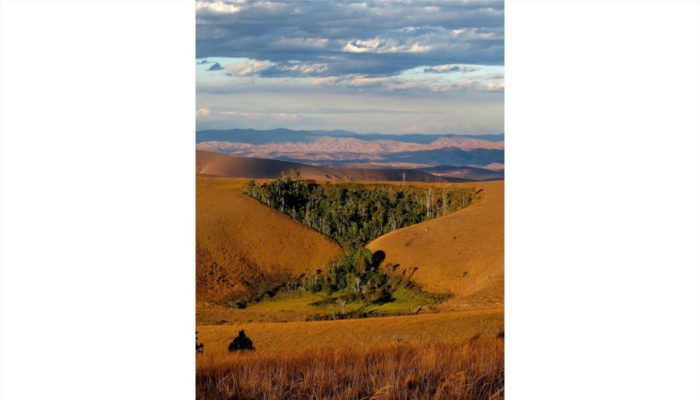
Within the heart of the Malagasy Hauts-Plateaux, the rolling grasslands are pitted by deep incisions locally referred to as lavaka (‘hole’ in Malagasy). These mass failure features provide vast quantities of terrestrial matter to local freshwater arteries, accounting for over 80% of the annual sediment load of the Betsiboka River. The collapse of the overlying laterite exposes a comparatively nutr ...[Read More]
Congratulations to the winners of the EGU Best Blog Posts of 2021
At EGU, we like to believe that a new year is more meaningful when we pause to look back at the year gone by – just a brief glimpse to appreciate all our good work and progress! 2021 was certainly an excellent year for our blogging network at EGU. Across the EGU’s official blog, GeoLog and division blogs we had so many inspiring, thought-provoking and even entertaining posts this year. Thank you t ...[Read More]