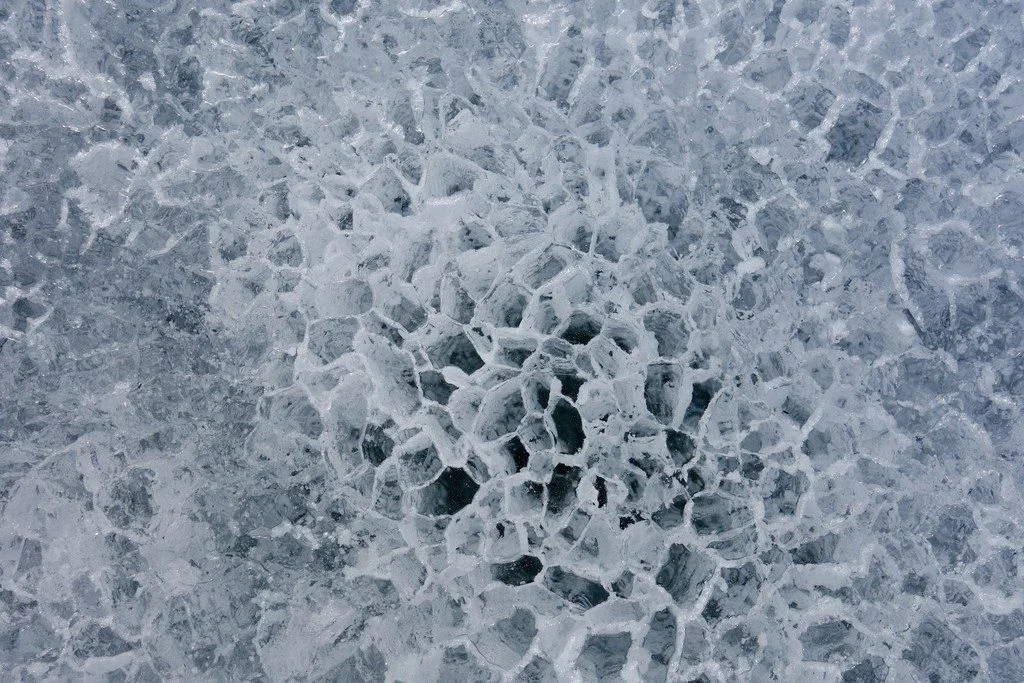
These delicate ice structures may look like frozen honeycombs from another world, but the crystalline patterns can be found 80 degrees south, in Antarctica, where they are shaped by the white continent’s windy conditions. In Western Antarctica is a 9-kilometre line of rocky ridges, called Patriot Hills. Often cold wind furiously descends from the hills across Horseshoe Valley glacier, sculpting do ...[Read More]
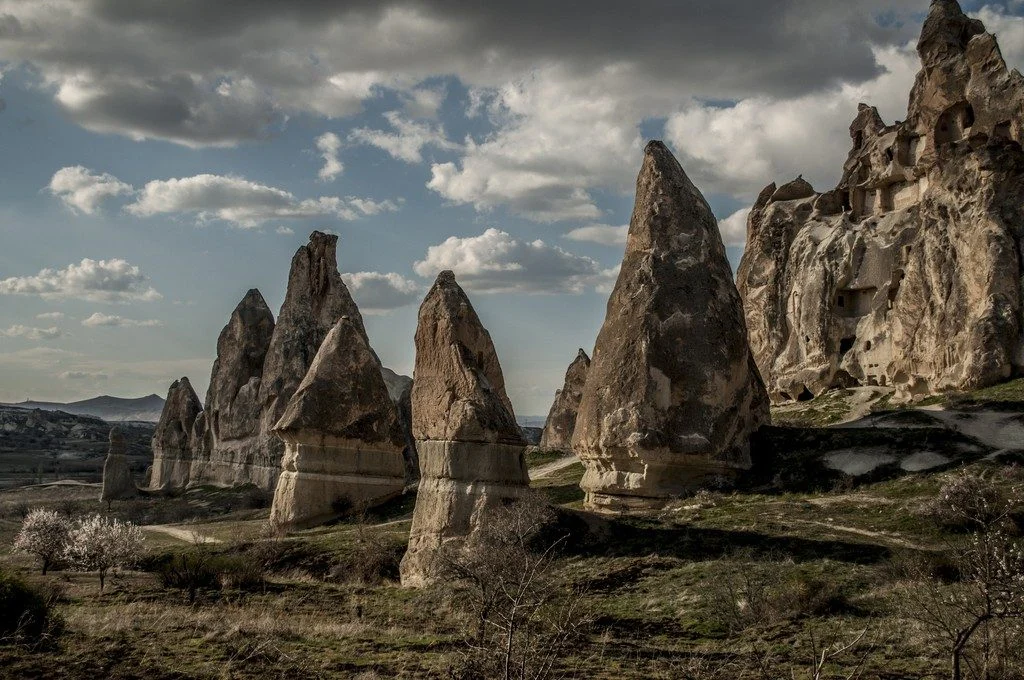
Imaggeo on Mondays: Fairy chimneys in Love Valley
Every year tourists from around the world flock to Love Valley in Göreme National Park in the Cappadocia region of central Turkey to marvel at the region’s peculiarly pointy geological features. These cone-shaped formations, known as ‘fairy chimneys’ or hoodoos, dominate the park’s skyline, with some rocky spires extending up to 40 metres towards the sky. While the name ‘fairy chimney’ suggests my ...[Read More]
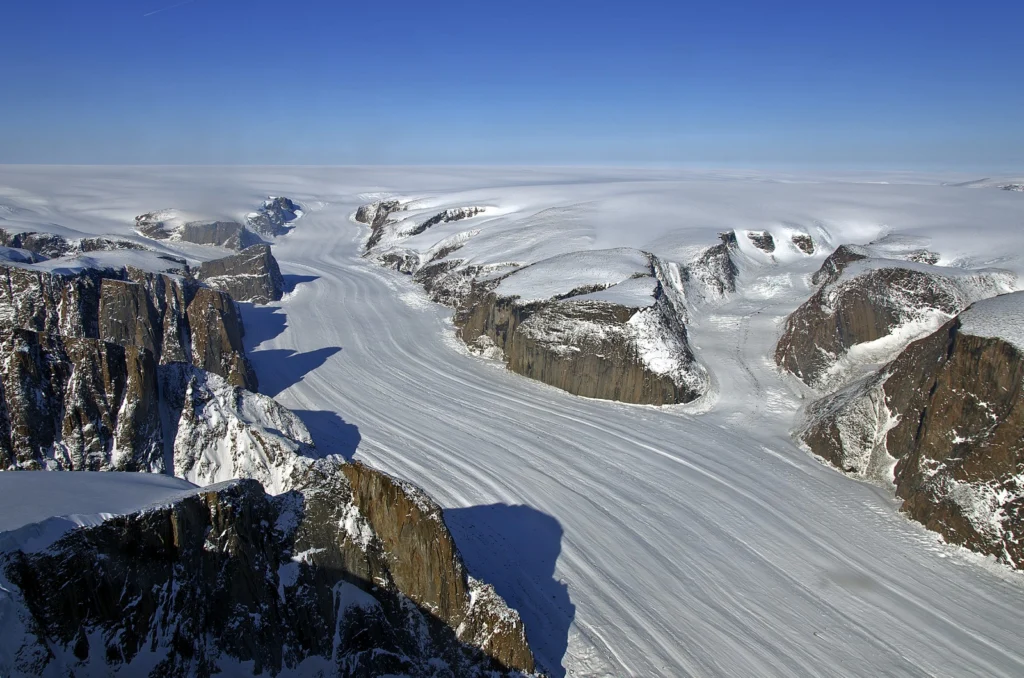
GeoTalk: To understand how ice sheets flow, look at the bedrock below
Geotalk is a regular feature highlighting early career researchers and their work. In this interview we speak to Mathieu Morlighem, an associate professor of Earth System Science at the University of California, Irvine who uses models to better understand ongoing changes in the Cryosphere. At the General Assembly he was the recipient of a 2018 Arne Richter Award for Outstanding Early Career Scient ...[Read More]
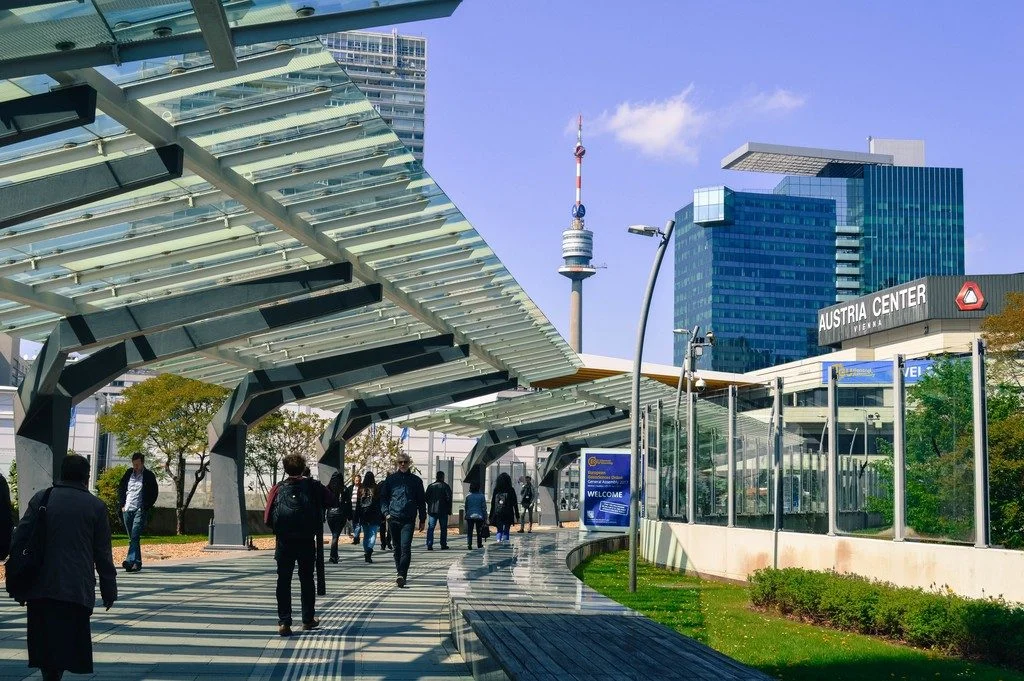
Imaggeo on Mondays: Getting involved with EGU!
Today’s featured photo comes from the 2017 General Assembly. Did you enjoy this year’s 666 unique scientific sessions, 68 short courses and 294 side events? Did you know that EGU members and conference attendees can play an active role in shaping the scientific programme of the conference? It’s super easy! You can suggest a session (with conveners and description), and/or modific ...[Read More]
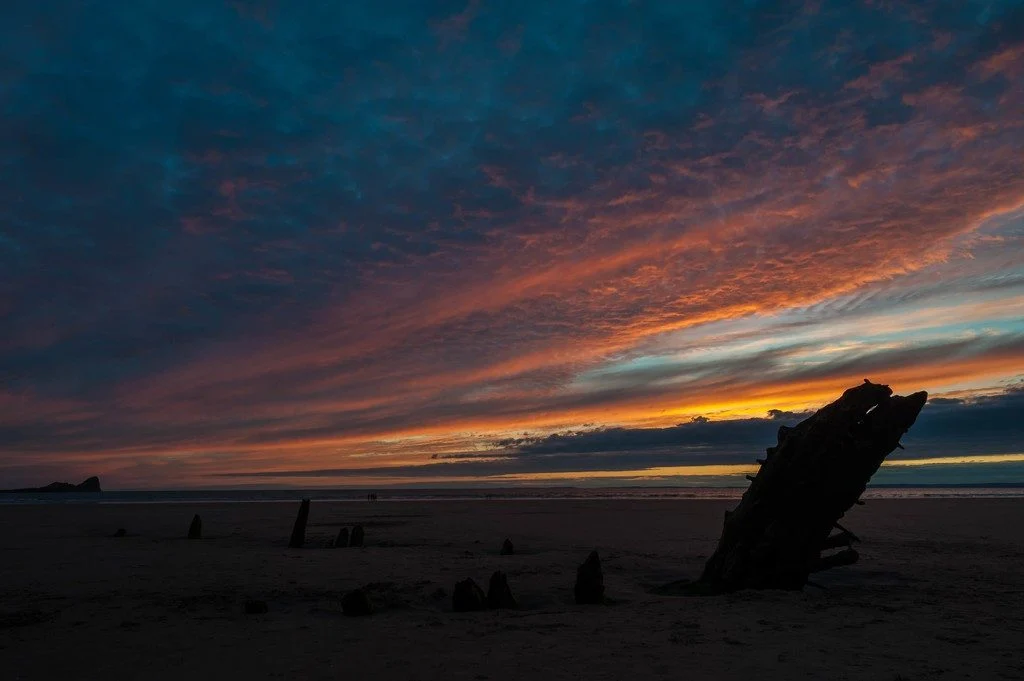
Imaggeo on Mondays: The Gower Peninsula, a coast marked by time
The Gower Peninsula in South Wales, United Kingdom, is a spectacular site to view a sunset. However, to geologists, the shore is also a prime spot to find artifacts from Earth’s ancient and recent past. “The limestone coastline is dotted with caves that are rich in Quaternary flora and fauna,” said Mike Smith a visiting researcher at Plymouth University (UK) and photographer of this featured image ...[Read More]
July GeoRoundUp: the best of the Earth sciences from around the web
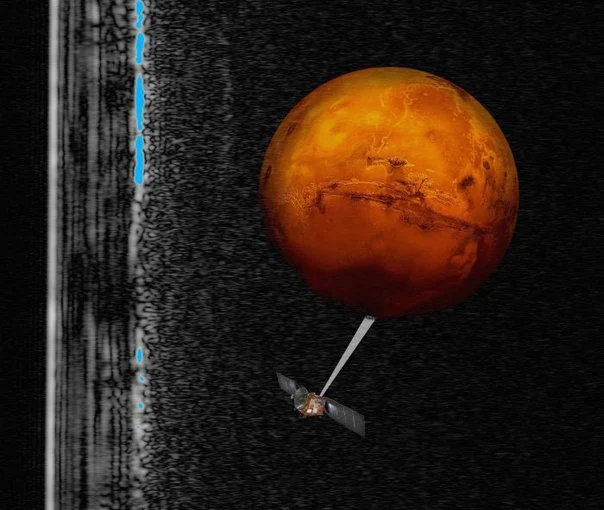
Drawing inspiration from popular stories on our social media channels, as well as unique and quirky research news, this monthly column aims to bring you the best of the Earth and planetary sciences from around the web. Major stories Signs of water 55 million kilometres away Last week scientists announced that they have found signs of existing water on Mars, offering new hope to the possibility o ...[Read More]
Imaggeo on Mondays: Digging out a glacier’s story
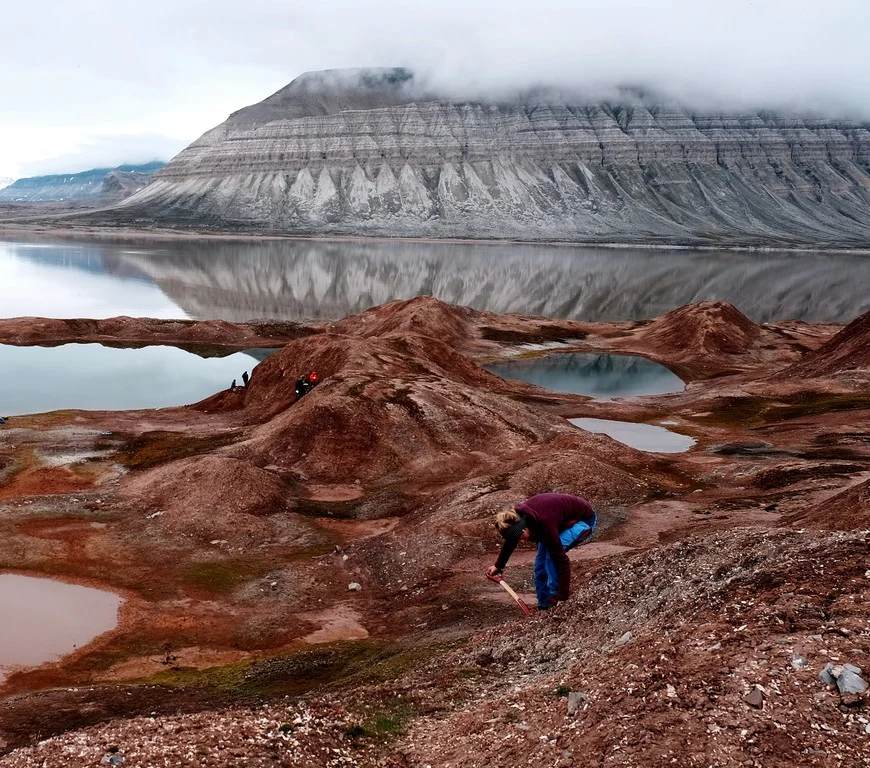
This photograph shows landforms on Coraholmen Island in Ekmanfjorden, one of the fjords found in the Norwegian archipelago, Svalbard. These geomorphic features were formed by Sefströmbreen, a tidewater glacier, when it surged in the 1880s. Although all glaciers flow, some glaciers undergo cyclic changes in their flow. This is called surging, and glaciers that surge are called surging glaciers. Dur ...[Read More]
GeoPolicy: ESOF – putting scientists & policymakers in the same room!
The EuroScience Open Forum (ESOF), the largest interdisciplinary science meeting in Europe, was held earlier this month in Toulouse, France and attracted scientists and policymakers from across the globe. Held every second year, ESOF provides an interface between science, policy and society. This year was my first ESOF. I attended as the EGU Policy Officer and was able to actively participate in a ...[Read More]
Imaggeo on Mondays: Wildfires leave their mark on Jasper National Park
Jasper National Park is the largest national park in the Canadian Rocky Mountains, spanning across nearly 11,000 square kilometres of Canadian wilderness. The park is known for its rugged landscape, extensive trails, and abundance of deer, bighorn sheep, wolves, mountain lions and bears. This region is also very susceptible to blazing wildfires, a result of human activity that began more than a ce ...[Read More]
GeoTalk: Severe soil erosion events and how to predict them
Geotalk is a regular feature highlighting early career researchers and their work. In this interview we speak to Matthias Vanmaercke, an associate professor at the University of Liège in Belgium who studies soil erosion and land degradation across Europe and Africa. At the EGU General Assembly he received the 2018 Soil System Sciences Division Outstanding Early Career Scientists Award. Thanks for ...[Read More]