Detail of a photo: Maze of layered canyon walls and buttes in bands of red, cream and grey, receding into the distance in soft evening light.
GeoLog

Regular Features

Imaggeo on Mondays: Exploring ice in the deep
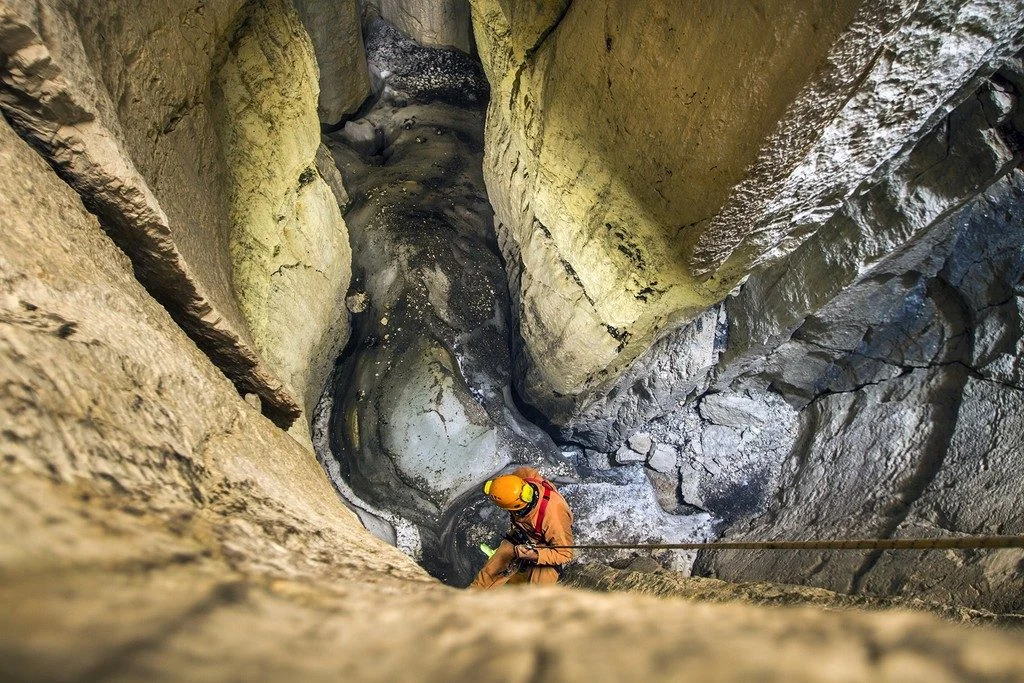
Imaggeo on Mondays: Exploring ice in the deep
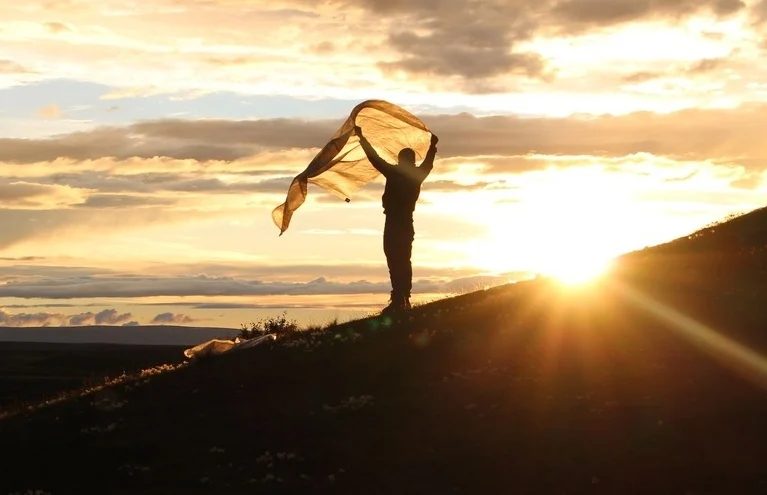
The occurrence of sporadic permafrost in the Alps often needs challenging fieldwork in order to be investigated. Here in the high altitude karstic plateau of Mt. Canin-Kanin (2587 m asl) in the Julian Alps (southeastern European Alps) several permanent ice deposits have been recently investigated highlighting how also in such more resilient environments global warming …[Read More]

Can the EU become carbon neutral by 2050? A new strategy from the EU!

Can the EU become carbon neutral by 2050? A new strategy from the EU!

On Wednesday 28 November 2018, the European Commission adopted a strategic long-term vision for a climate neutral economy (net-zero emissions) by 2050!  A Clean Planet for All, tactically released ahead of the 24th Conference of the Parties (COP 24), which will be hosted in Katowice, Poland from 2-14 December, describes seven overarching areas that require …[Read More]

Imaggeo on Mondays: Watching the world from space with EarthKAM

Imaggeo on Mondays: Watching the world from space with EarthKAM

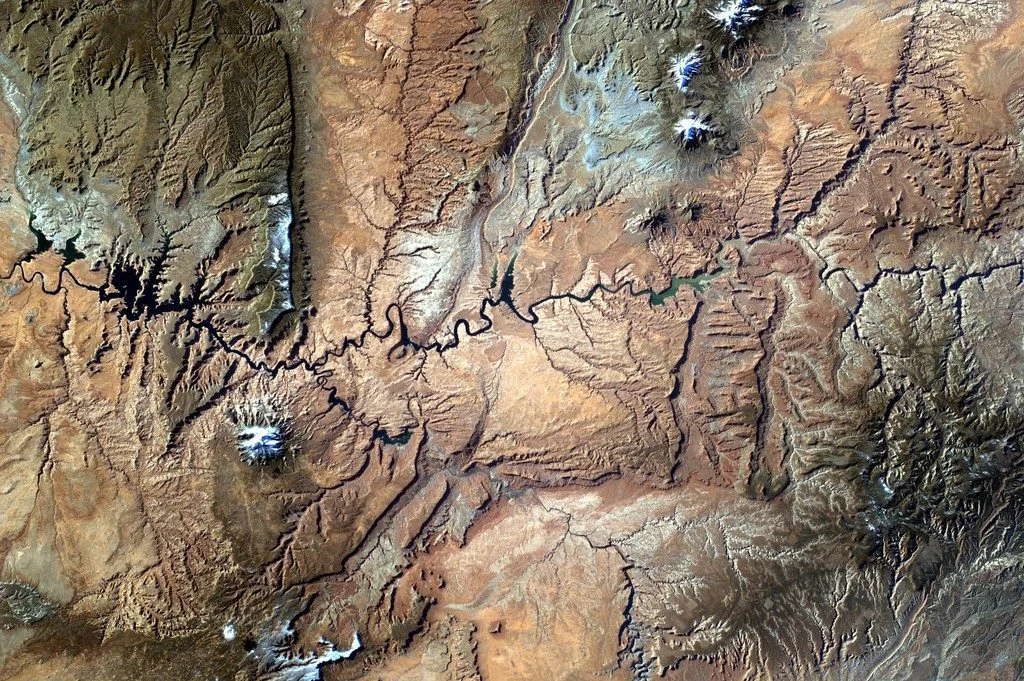
This photo was taken from the International Space Station (ISS), approx. 400 km above the Earth, in the NASA-led educational project Sally Ride EarthKAM (www.earthkam.org), Mission 58, April 2017. The image was requested by a team of 10th and 11th grade students from the National College of Computer Science, Piatra-Neamț, Romania, coordinated by me. The …[Read More]

Imaggeo on Mondays: On the way to Tristan’s penguins

Imaggeo on Mondays: On the way to Tristan’s penguins

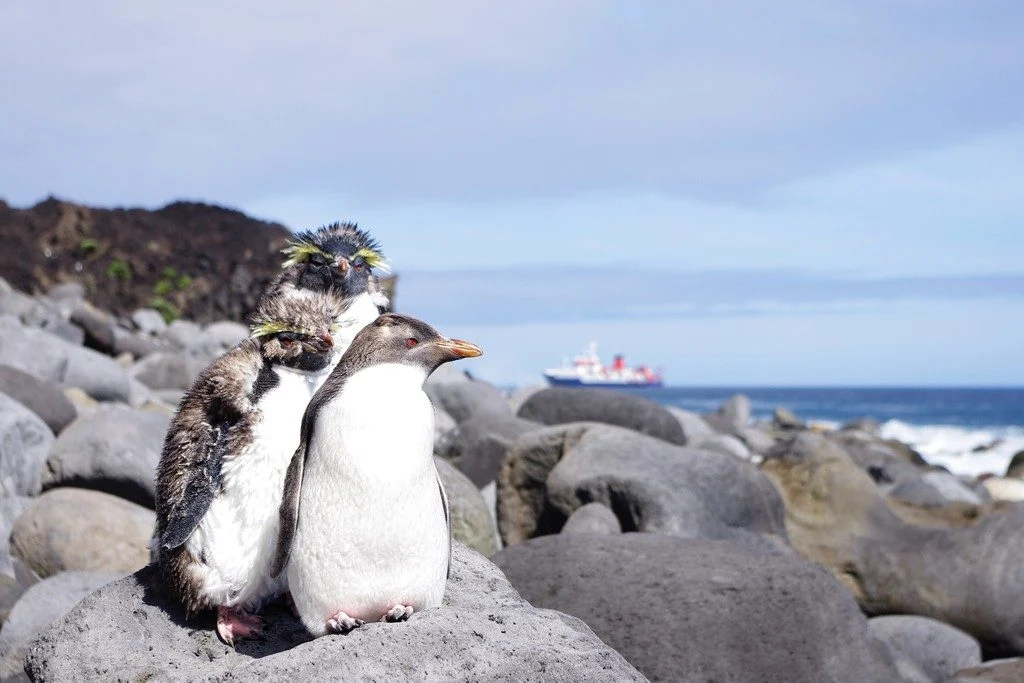
Tristan da Cunha is a remote volcanic island in the south Atlantic Ocean. In fact, it is the most remote inhabited archipelago in the world. Tristan is still volcanically active; the last time it erupted was in 1961. After the eruption, which luckily did not have any casualties, the whole population of around 260 people …[Read More]

GeoTalk: Sharing geoscience with kids and educators

GeoTalk: Sharing geoscience with kids and educators

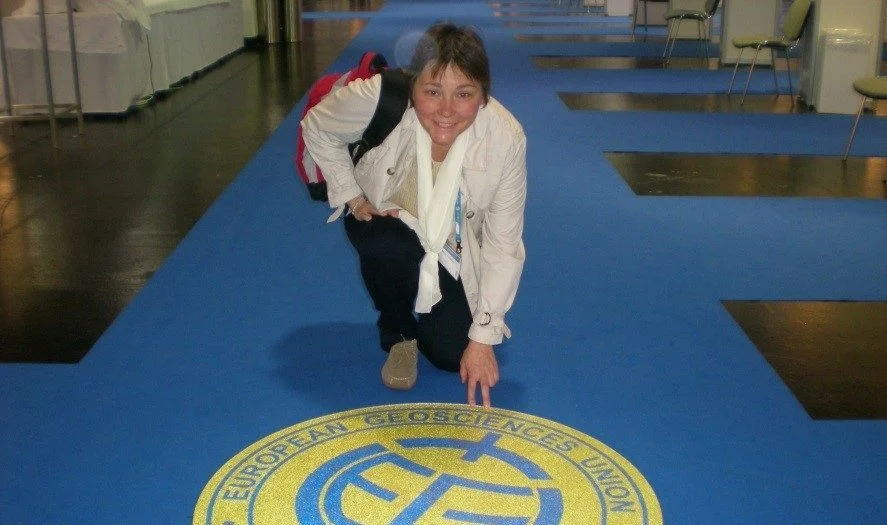
GeoTalk interviews usually feature the work of early career researchers, but this month we deviate from the standard format to speak to Marina Drndarski, a biology teacher at the primary school Drinka Pavlović in Belgrade, Serbia. Marina has been involved with EGU’s geoscience education activities for more than five years; she is an active contributor …[Read More]

Imaggeo on Mondays: Small scale processes, large scale landforms

Imaggeo on Mondays: Small scale processes, large scale landforms

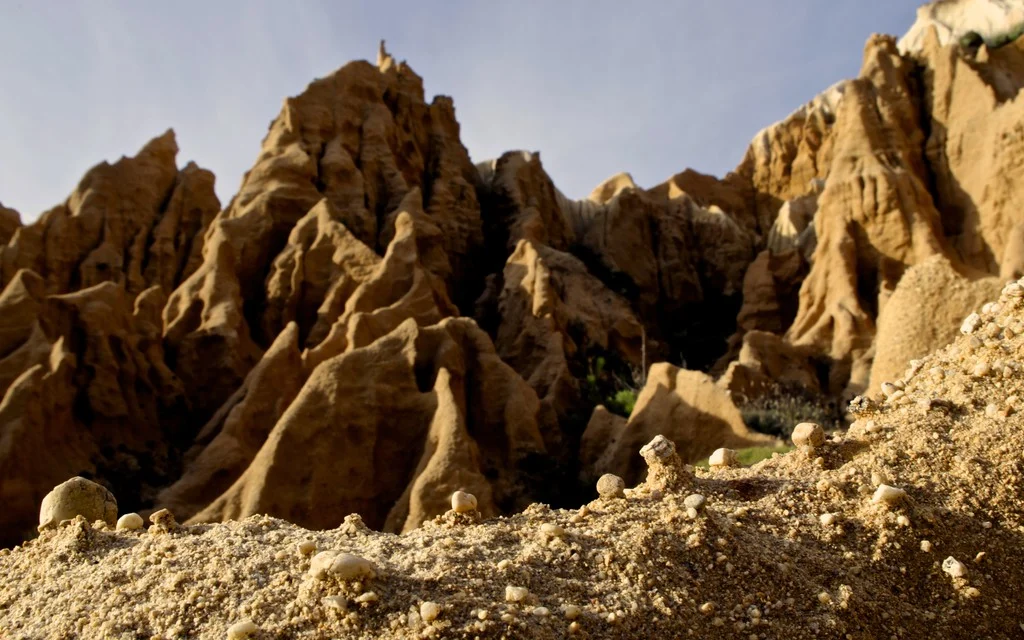
This picture was taken in a sea cliff gully landscape at the Portuguese coast. It shows the microrelief which small scale wash and erosional processes produce in these poorly consolidated sediments. These small scale landforms could be interpreted as initial stages of larger scale gully landforms, which can be seen in the back. This highlights …[Read More]

Imaggeo on Mondays: In-tents Icelandic sunset

Imaggeo on Mondays: In-tents Icelandic sunset

This photograph was taken at the campsite near lake Mỳvatn during a field trip to Iceland. Every year a group of students from Wageningen University travels from the Netherlands to Iceland for a weeklong excursion as part of a course on catchment hydrology. The aim of the trip is to provide students with real life …[Read More]

Imaggeo on Mondays: Hole in a hole in a hole…

Imaggeo on Mondays: Hole in a hole in a hole…

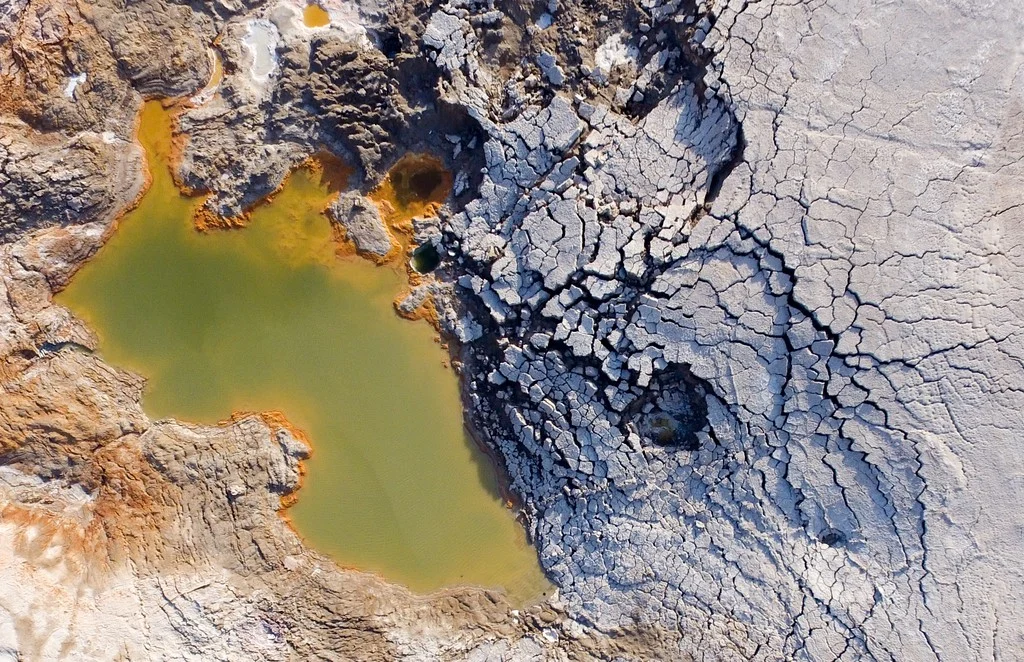
This photo, captured by drone about 80 metres above the ground, shows a nested sinkhole system in the Dead Sea. Such systems typically take form in karst areas, landscapes where soluble rock, such as limestone, dolomite or gypsum, are sculpted and perforated by dissolution and erosion. Over time, these deteriorating processes can cause the surface …[Read More]