GeoLog

Regular Features

GeoPolicy: EGU science for policy: what’s coming up in 2021?

GeoPolicy: EGU science for policy: what’s coming up in 2021?
There were a lot of big changes to the EGU’s science for policy programme in 2020 with many of our activities, such as the annual science for policy event and science-policy pairing scheme, moving online. But 2021 promises to be an even bigger year with a greater number of opportunities to engage and activities becoming …[Read More]

Imaggeo On Monday: Revealing the secrets of the Arctic sky

Imaggeo On Monday: Revealing the secrets of the Arctic sky

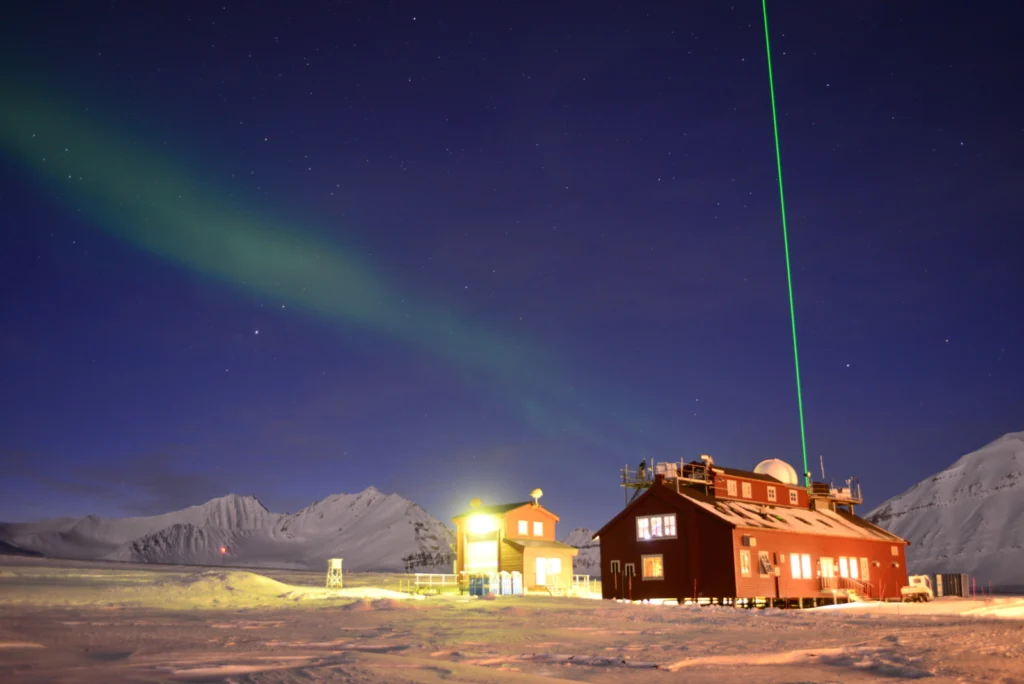
When it is dark over Ny Ålesund, Svalbard, a bright green laser beam can be seen quite often, shooting from the AWIPEV Arctic Research Base observatory towards the sky. This beam belongs to “KARLi” the Koldewey Aerosol Raman Lidar, run by the Alfred Wegener Institute for more than 25 years, which contributes to long-term, atmospheric …[Read More]

Top 5 GeoLog posts of 2020!

Top 5 GeoLog posts of 2020!

Happy New Year!!   2020 has been a pretty relentless and turbulent year – and a lot has happened. Here at EGU headquarters (currently spread across our staff’s several homes) we all know how much we owe to you, our members, followers and friends, this year, through all the highs and the lows. We honestly …[Read More]

Imaggeo On Monday: Konsfjorden and Kronebreen glacier

Imaggeo On Monday: Konsfjorden and Kronebreen glacier

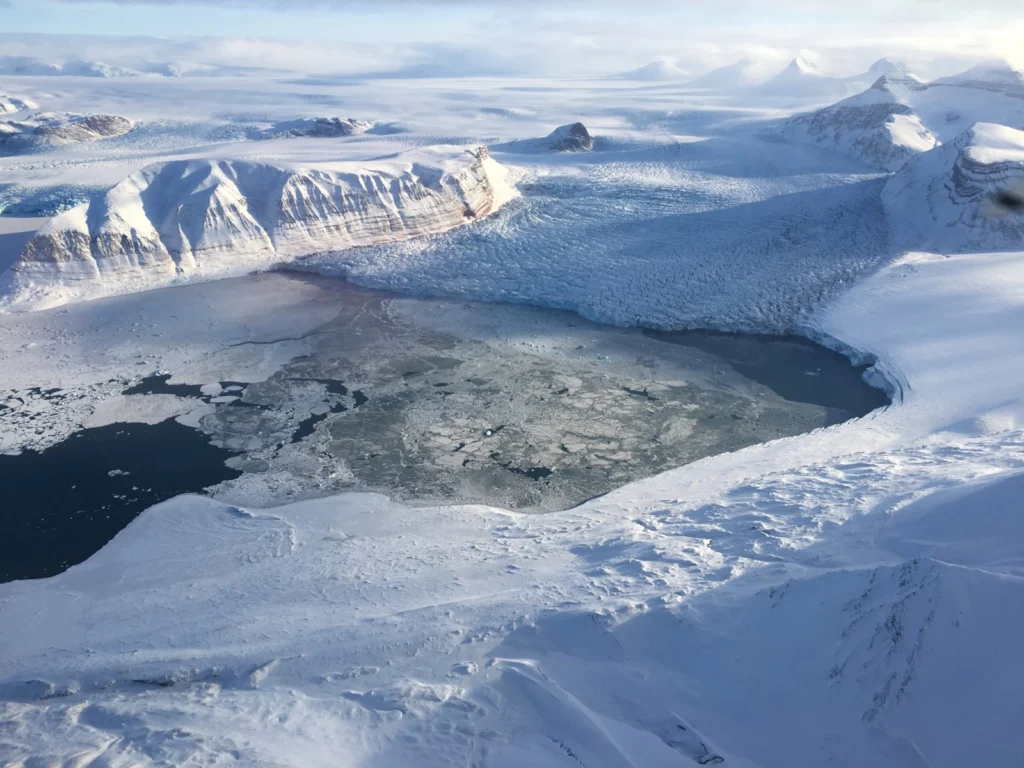
Taken shortly after our departure from Ny-Ålesund after our first “Lost Meteorites” field trial in Greenland testing new equipment that can be used to discover ‘missing’ iron meteorites in Antarctica, the return flight gave incredible views of the surrounding landscape. This photo was taken looking down to the icy waters of Kongsfjorden on the west …[Read More]

Imaggeo On Monday: Nature of ice crystals

Imaggeo On Monday: Nature of ice crystals

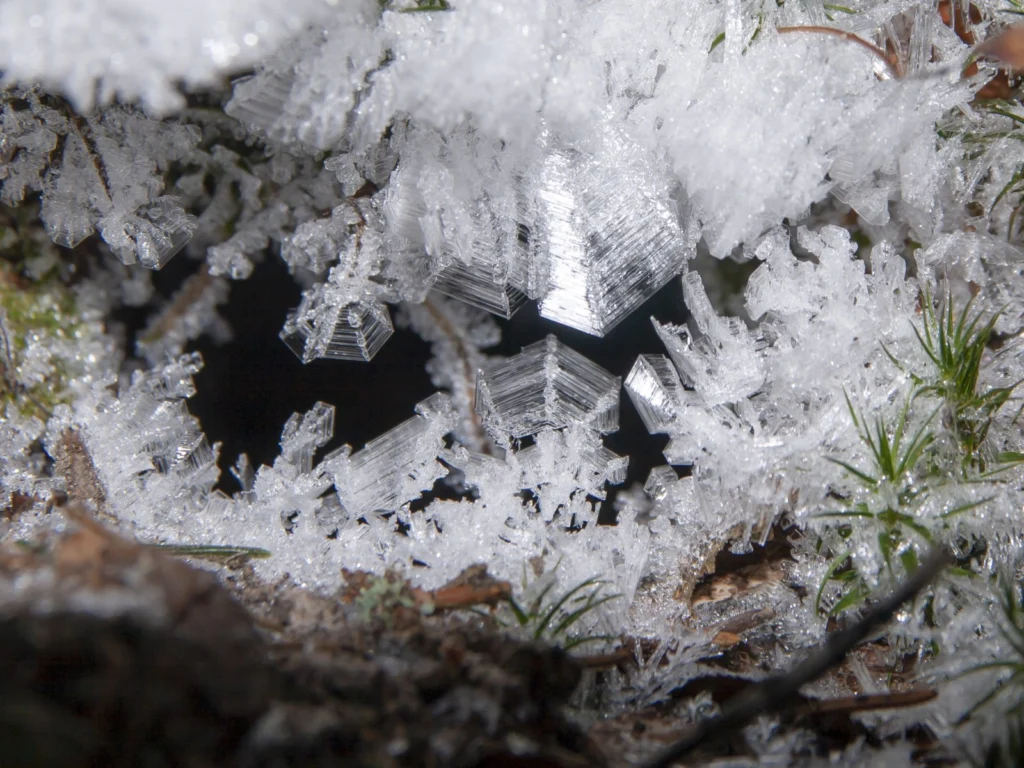
Moisture coming from the ground is freezing at the entrances of small ground pockets, shaping wonderful natural ice crystals, during a very cold and dry winter in Poland in 2019. Description by Katarzyna Walczak, after the description on imaggeo.egu.eu.   Imaggeo is the EGU’s online open access geosciences image repository. All geoscientists (and others) can submit their photographs …[Read More]

GeoRoundup: the highlights of EGU Journals published during December!

GeoRoundup: the highlights of EGU Journals published during December!

Each month we feature specific Divisions of EGU and during the monthly GeoRoundup we will be putting the journals that publish science from those Divisions at the top of the Highlights roundup. For December, the Divisions we are featuring are: Cryospheric Sciences (CR), Climate: Past, Present & Future (CL) and Nonlinear Processes in Geoscience (NP). They …[Read More]

Imaggeo On Monday: Ice-coated roots at sunset

Imaggeo On Monday: Ice-coated roots at sunset

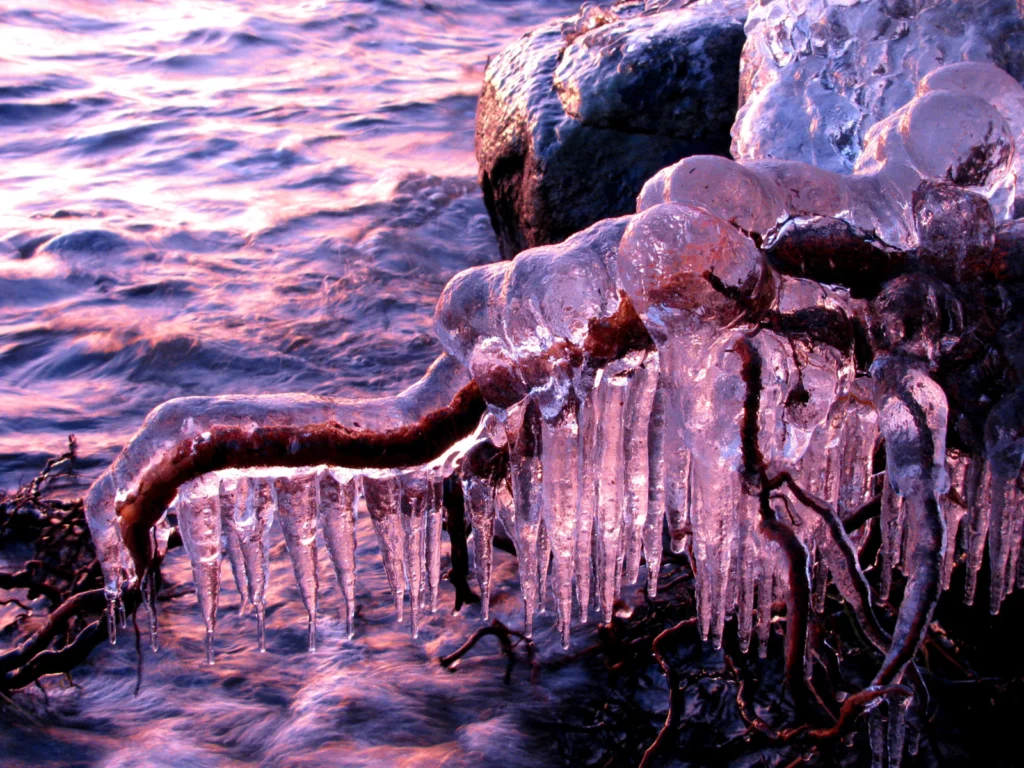
The coating by the ice and the icicles are created through the interplay of wave action and the simultaneous freezing of the water around the exposed tree roots. The reason for the exposed tree roots is increased bank erosion due to a rather unusual circumstance. The combination of the lake not yet being frozen in …[Read More]

GeoPolicy: European Research Council funding opportunities – Your questions answered!

GeoPolicy: European Research Council funding opportunities – Your questions answered!

The European Research Council (ERC) is a leading European funding body supporting frontier research, investigator-driven, across all fields of science.The ERC offers various different funding opportunities with grants budgets of €1.5 to €3.5 million for individual scientists with the sole criterion for selection being scientific excellence. In October, the EGU hosted a webinar that highlighted …[Read More]

Imaggeo On Monday: A science outpost in midnight sun

Imaggeo On Monday: A science outpost in midnight sun

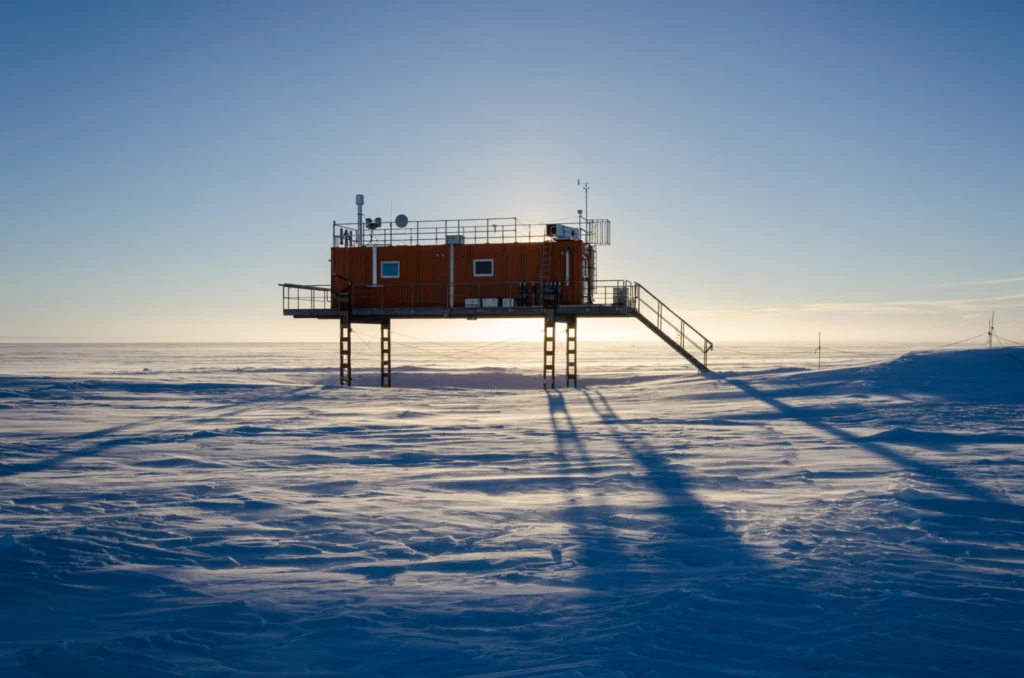
Photo of the air chemistry observatory of the German Neumayer III Antarctic station during Polar Day 2017. Located in a clean air sector south of the station, the observatory’s main purpose is to record continuous, year-round data records of relevant particulate and gaseous trace components of the troposphere. As one of only few stations located …[Read More]