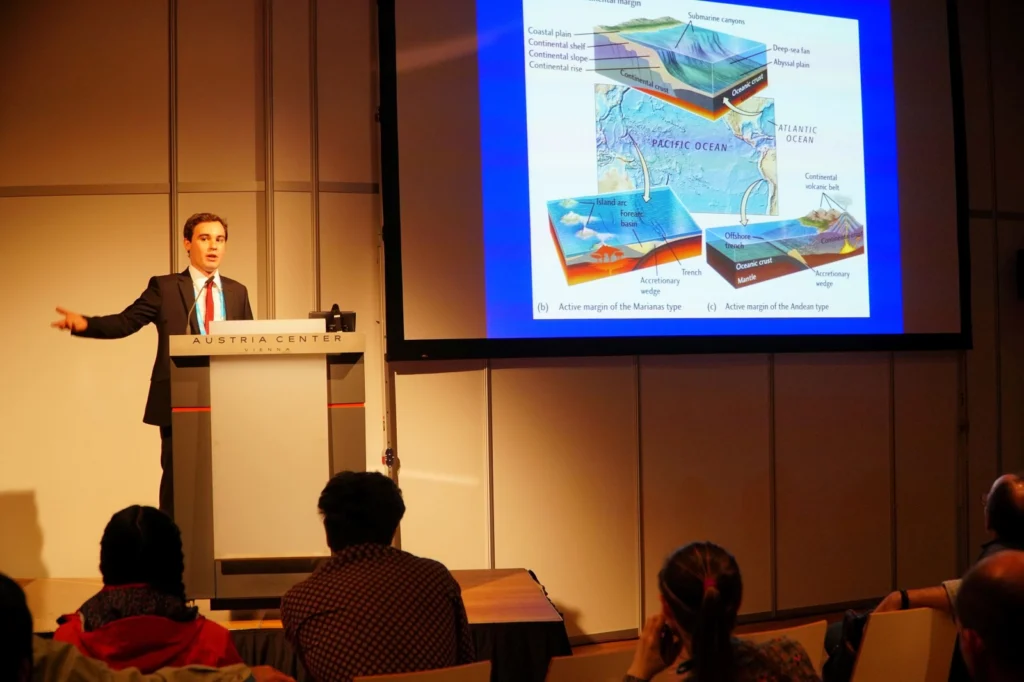
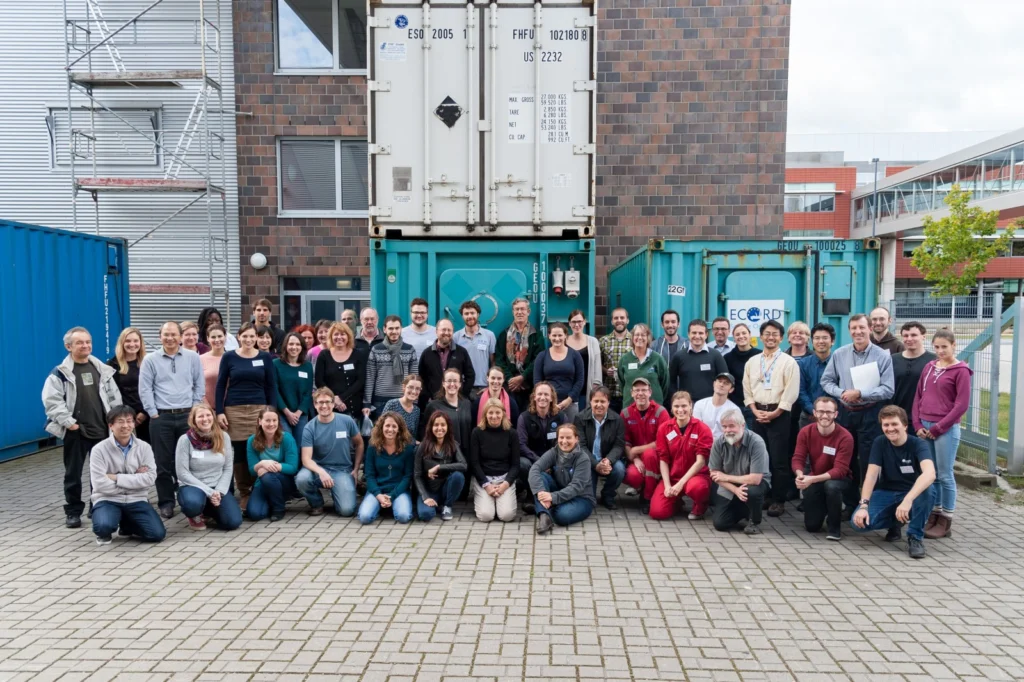
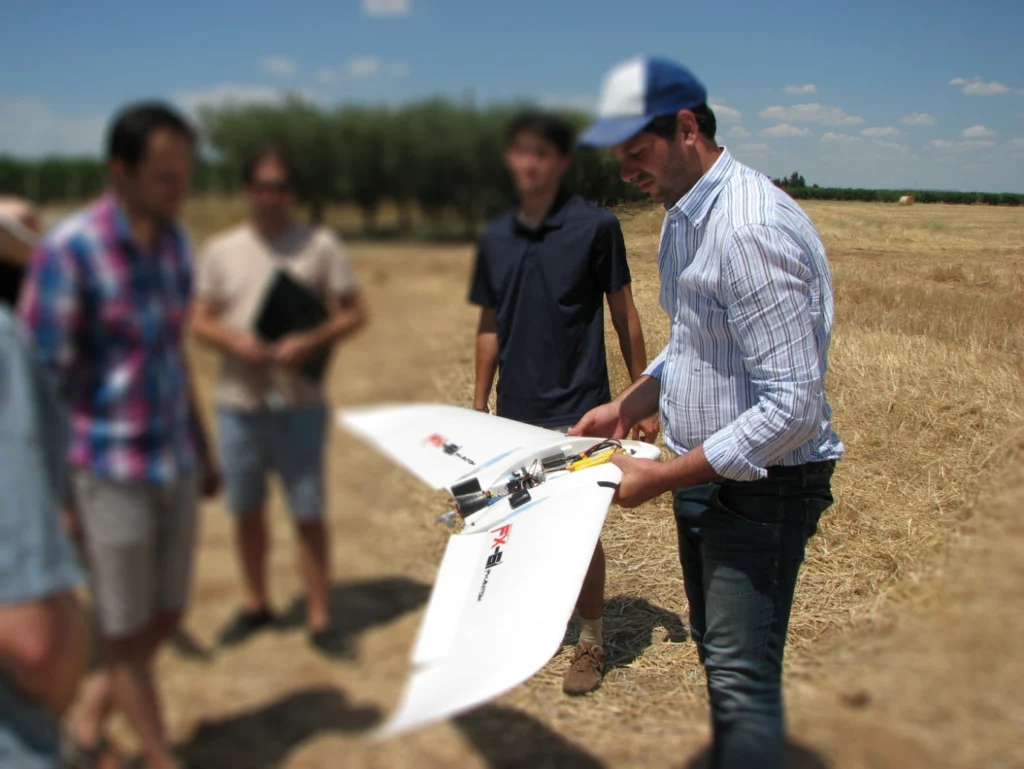
Geotalk is a regular feature highlighting early career researchers and their work. Following the EGU General Assembly, we spoke to João Duarte, the winner of a 2017 Arne Richter Award for Outstanding Early Career Scientists. João is a pioneer in his field. He has innovatively combined tectonic, marine geology and analogue modelling techniques to further …[Read More]
GeoTalk
GeoTalk: How are clouds born?
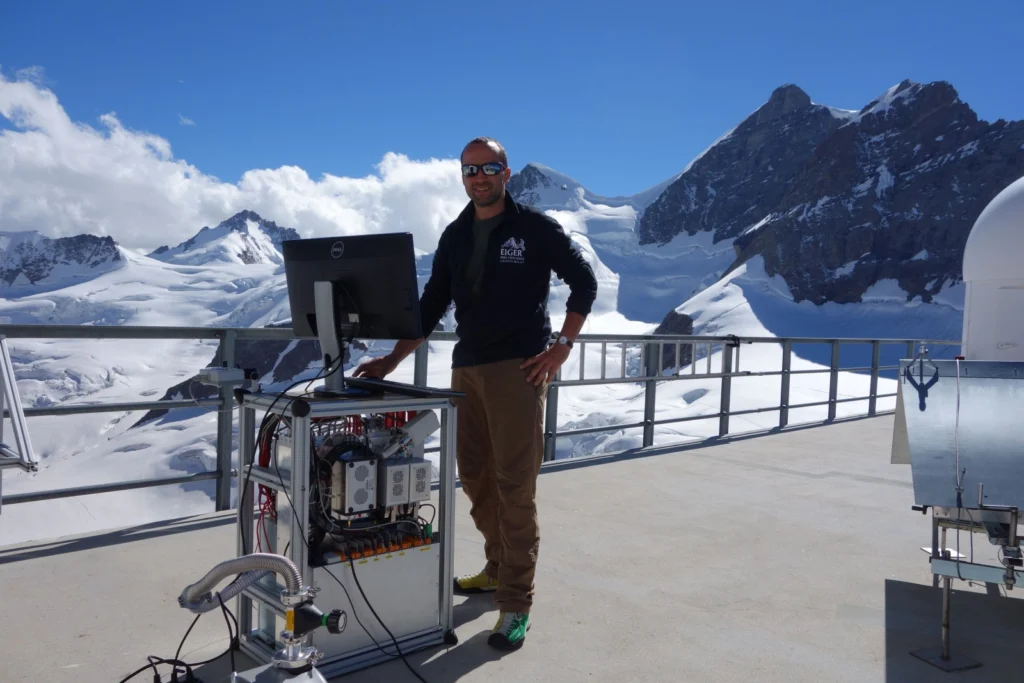
Geotalk is a regular feature highlighting early career researchers and their work. In this interview we speak to Federico Bianchi, a researcher based at University of Helsinki, working on understanding how clouds are born. Federico’s quest to find out has taken him from laboratory experiments at CERN, through to the high peaks of the Alps …[Read More]
GeoTalk: Beatriz Gaite on why videos are a great tool for communicating your research to a broad audience
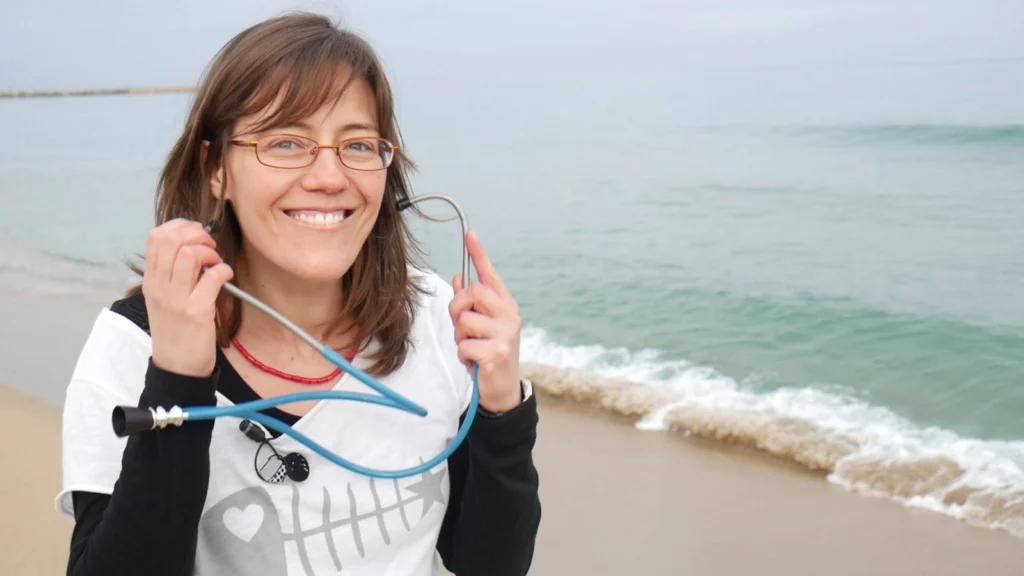
If you’ve not heard about our Communicate Your Science Video Competition before it gives early career scientists the chance to produce a video up-to-three-minutes long to share their research with the general public. The winning entry receives a free registration to the General Assembly the following year. In this GeoTalk interview, Laura Roberts talks to Beatriz …[Read More]
GeoTalk: Using satellites to unravel the secrets of our planet’s polar regions
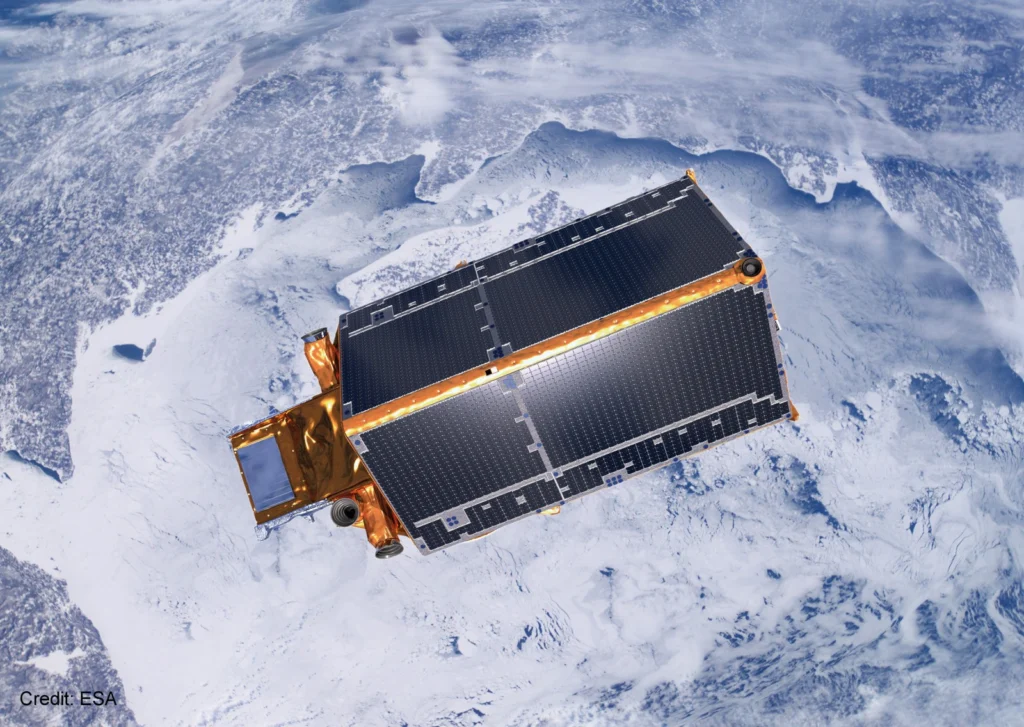
Geotalk is a regular feature highlighting early career researchers and their work. In this interview we speak to Bert Wouters, a polar scientist at the University of Utrecht, and winner of one of the 2016 Arne Richter Awards for Outstanding Young Scientists. At a time when the polar regions are facing increasing challenges resulting from …[Read More]
GeoTalk: Drilling into the crater which contributed to the demise of dinosaurs
Six months ago, somewhere in the tropical waters off the coast of Mexico, scientists began drilling into one of the most iconic geological features on Earth: the Chicxulub crater; the 66 million year old remnants of a deadly asteroid impact, thought to have contributed to the demise of dinosaurs and most other forms of life …[Read More]
This calls for a celebration: GeoLog’s 1000 post!
As far as blogging milestones go, today is pretty special. This is GeoLog’s 1000 post! Since the EGU’s official blog launched back in March 2010 (that’s right, there’s over 6 years of back catalogue for you to enjoy!), we’ve shared posts about research spanning almost every discipline in the Earth sciences; highlighted member’s adventures in …[Read More]
GeoTalk: Investigating the transport of plastic pollution in the oceans
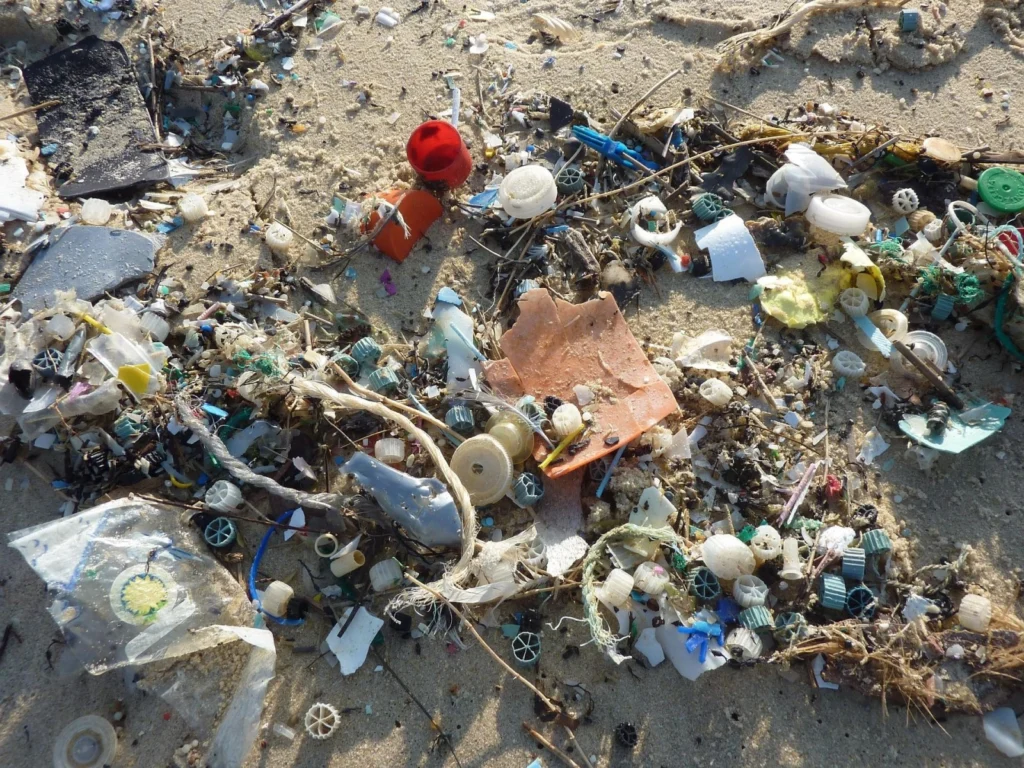
Geotalk is a regular feature highlighting early career researchers and their work. In this interview we speak to Erik van Sebille, an oceanographer at the Grantham Institute at Imperial Collage London, and winner of the 2016 OS Outstanding Young Scientist Award. As an expert in understanding how oceans transport all kinds of materials, from water …[Read More]
GeoTalk: Raffaele Albano, Early Career Scientist Representative
In addition to the usual GeoTalk interviews, were we highlight the work and achievements of early career researchers, over the next few months we’ll be introducing the Division early career scientist representatives (ECS). They are responsible for ensuring that the voice of EGU ECS membership is heard. From organising short courses during the General Assembly, …[Read More]
GeoTalk: REcycle textile posters into useful products
Conference posters: Most scientists spend tens (if not hundreds) of working hours perfecting their conference poster. There’s not just the science to think about, but also the design, the flow, the images, the language… The list is endless. Once complete, you print it, roll it up and feed it into the protective poster tube. Then …[Read More]
GeoTalk: Matt Taylor of ESA’s Rosetta mission
In November 2014, space exploration history was made. Millions of kilometres away, orbiting a piece of ice and rock, the European Space Agency’s (ESA) Rosetta mission sent its probe Philae to become the first spacecraft to soft-land on a comet. After the tense 7-hour wait that followed the separation from the main orbiter, a tweet …[Read More]