GeoLog

Geosciences Column

Geosciences Column: The Oldest Eurypterid
Geosciences Column: The Oldest Eurypterid
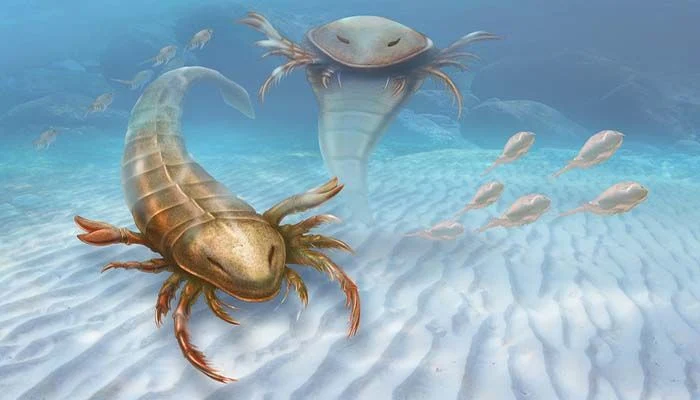
The name of a newly found fossil of sea scorpion draws inspiration from ancient Greece warships and is a unique example of exceptional preservation, shedding light on the rich life of this bygone sea critter, explains David Marshall of Palaeocast fame. To learn more about the importance of giving new fossils names and what Pentecopterus decorahensis (as the new fossil is formally called) teaches u ...[Read More]

Geosciences Column: The calamity of eruptions, or an eruption of benefits?

Geosciences Column: The calamity of eruptions, or an eruption of benefits?

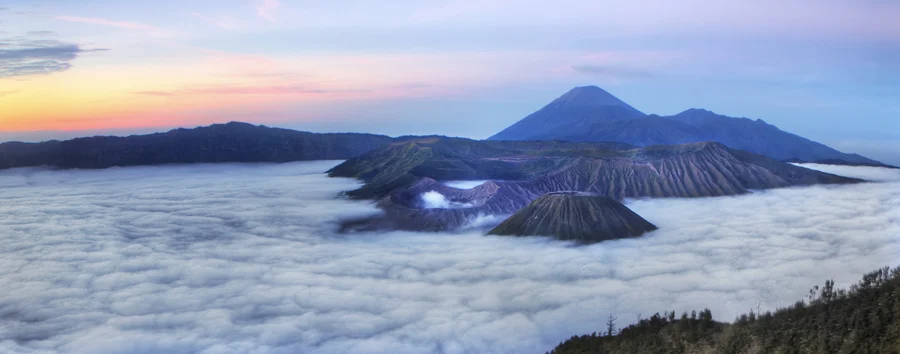
So here is a question: why would anyone want to live in the vicinity of an active volcano? The risks are well known, with hazards arising from lava flows, lahars, ash falls, debris avalanches, and pyroclastic density currents, with many often having deadly consequences. But despite the danger, more than half a billion people live in the direct vicinity of volcanoes. Could it be that communities pr ...[Read More]

Geosciences Column: When water is scarce, understanding how we can save it is important

Geosciences Column: When water is scarce, understanding how we can save it is important

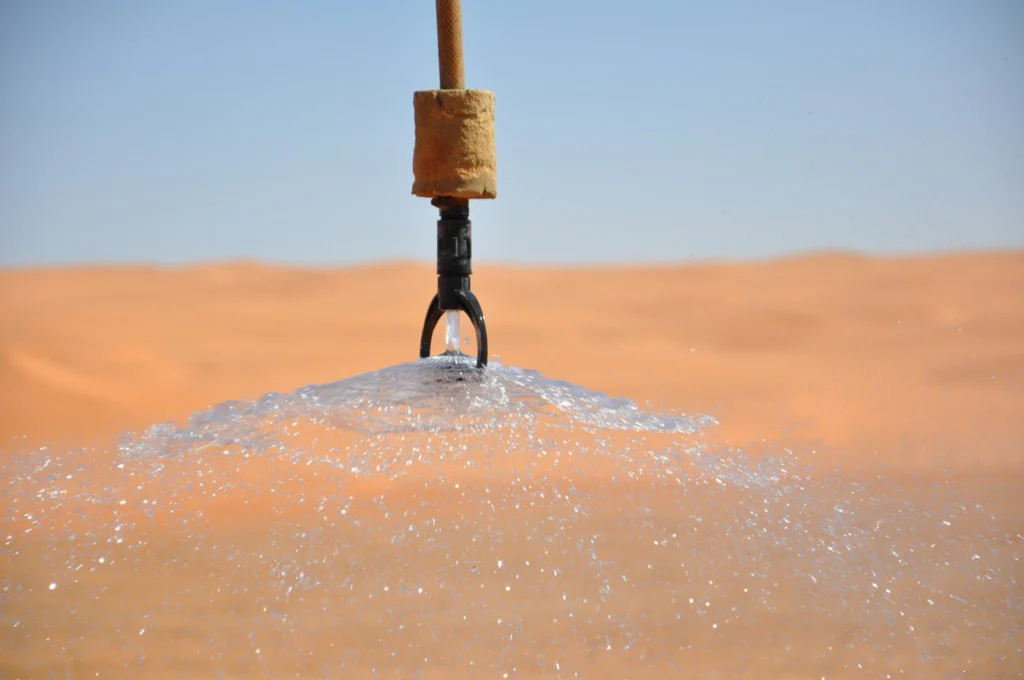
Supplies of water on Earth are running dry. The rate at which an ever growing population consumes this precious resource is not matched by our Planet’s ability to replenish it. Water scarcity is proving a problem globally, with regions such as California and Brazil facing some of the most severe water shortages on record. Used for drinking, agriculture and industrial processes, water forms an fund ...[Read More]

Geosciences Column: Recent and future changes in the Greenland Ice Sheet

Geosciences Column: Recent and future changes in the Greenland Ice Sheet

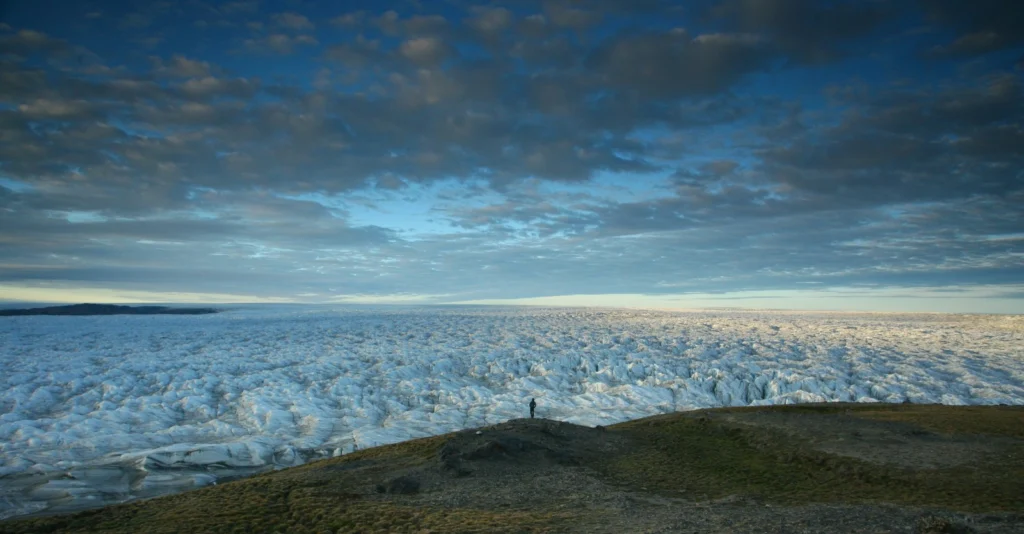
Over the past few decades, the Arctic region has warmed more than any other on Earth. The Greenland Ice Sheet is losing mass faster than ever before, and is expected to keep melting with consequences for global sea-level rise and ocean circulation. At a media briefing, during the EGU’s General Assembly in April (stream it here), researchers presented new results on the factors that influence the G ...[Read More]

Floods and droughts set to increase due to climate change

Floods and droughts set to increase due to climate change

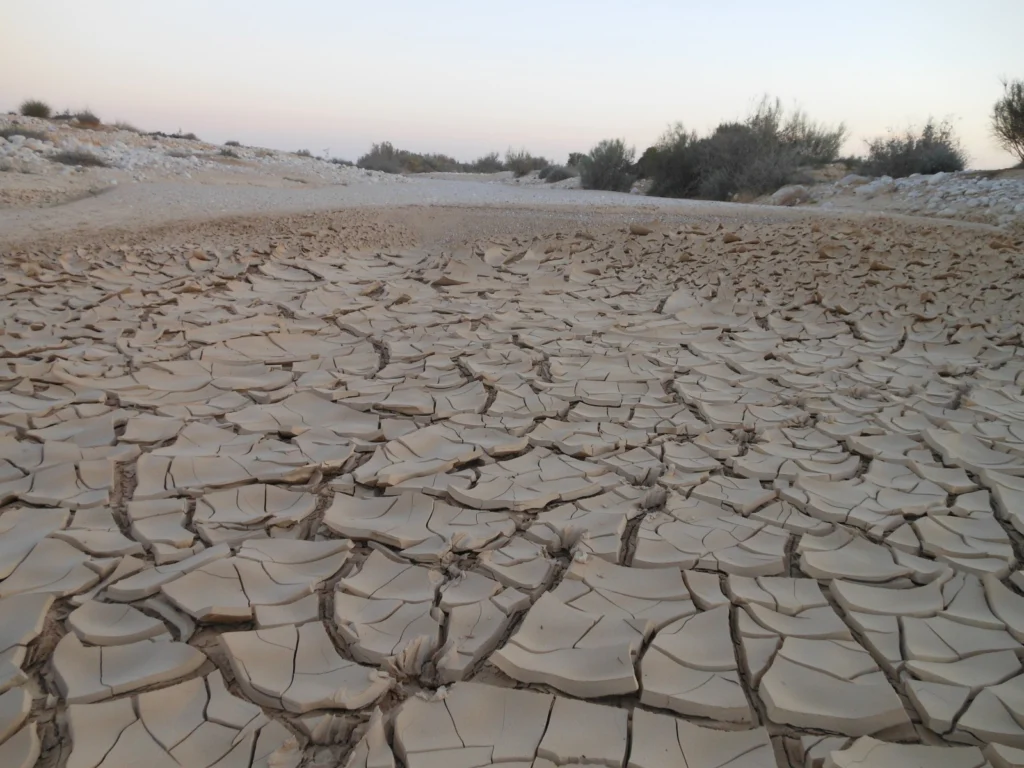
The planet is set to encounter a record-level amount of floods and droughts by 2050 – researchers recently announced at the European Geosciences Union’s General Assembly in Vienna. Nikita Marwaha shares their predictions on the impact that climate change will have on these extreme weather conditions. In a study by the Joint Research Centre (JRS) – the European Commission’s in-house science service ...[Read More]

Geosciences Column: The quest for life on Mars

Geosciences Column: The quest for life on Mars

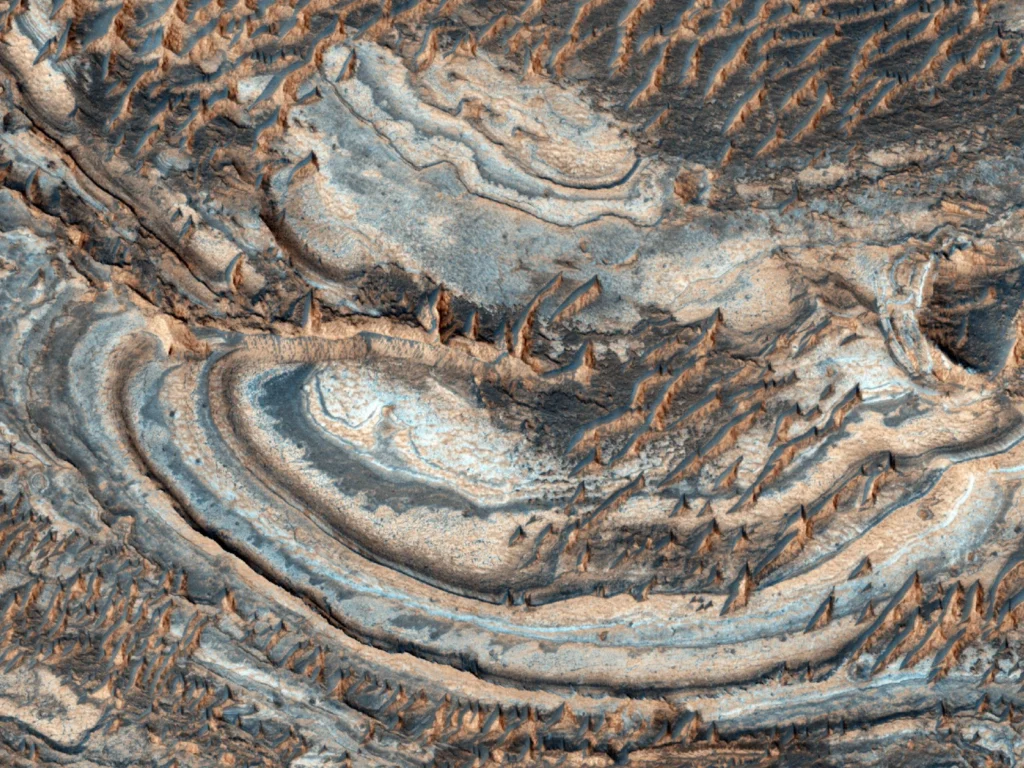
Understanding where we come from and whether Earth is the only habitable planet in the Solar System has been a long standing conundrum in science. Partly because it is our nearest neighbour, partly because of its past and current similarities with our own home, Mars, the red planet, is a likely contender in the quest for extra-terrestrial life. In this guest blog post, James Lewis, a PhD student a ...[Read More]

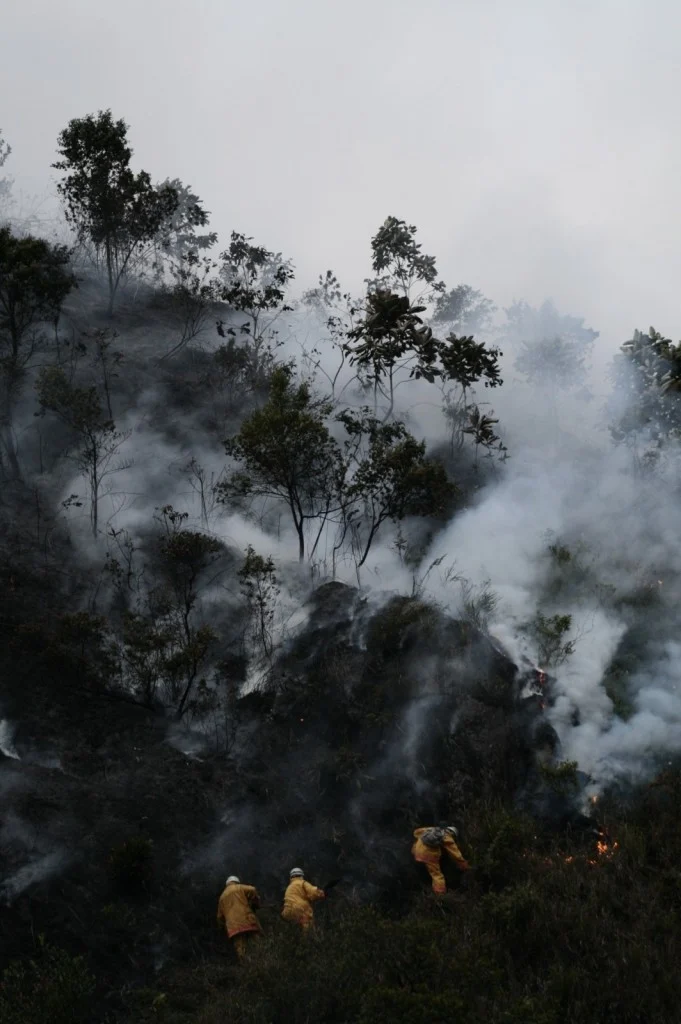
Geosciences Column: Fire in ice – the history of boreal forest fires told by Greenland ice cores.

Burning of biomass contributes a significant amount of greenhouses gases to the atmosphere, which in turn influences regional air quality and global climate. Since the advent of humans, there has been a significant increase in the amount of biomass burning, particularly after the industrial revolution. What might not be immediately obvious is that, (naturally occurring) fires also play a part in e ...[Read More]

Geosciences Column: Do roads mean landslides are more likely?

Geosciences Column: Do roads mean landslides are more likely?

Landslides have been in the news frequently over the past 12 months or so. It’s not surprising considering their devastating consequences and potential impact on nearby communities. Data collected by Dave Petley in his Landslide Blog shows that from January to July 2014 alone, there were 222 landslides that caused loss of life, resulting in 1466 deaths. A recent paper, in the journal Natural Hazar ...[Read More]

When Astronomy Gets Closer to Home: Why space weather outreach is important and how to give it impact

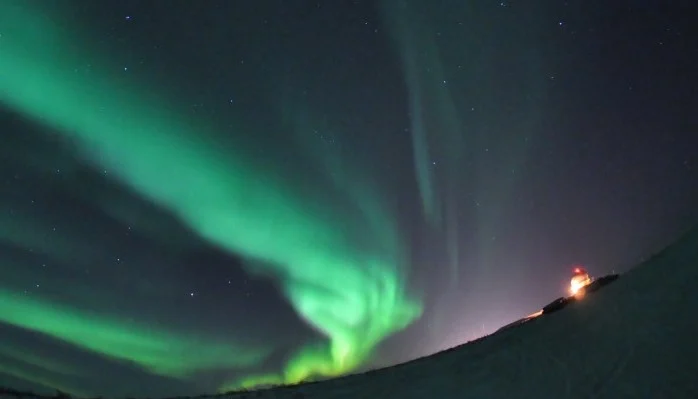
When the public think about natural hazards, space weather is not the first thing to come to mind. Yet, though uncommon, extreme space weather events can have an economic impact similar to that of large floods or earthquakes. Although there have been efforts across various sectors of society to communicate this topic, many people are still quite confused about it, having only a limited understandi ...[Read More]

Geosciences Column: Is it possible to quantify the effect of natural emissions on climate?

Geosciences Column: Is it possible to quantify the effect of natural emissions on climate?

The air we breathe is full of tiny particles that can have a big impact on our climate. Industrial activities have greatly increased the number of these particles, cooling the climate and potentially offsetting some of the warming due to greenhouse gases. In this post Kirsty Pringle introduces new research that suggests that it might not be possible to quantify the effect of industrial emissions o ...[Read More]