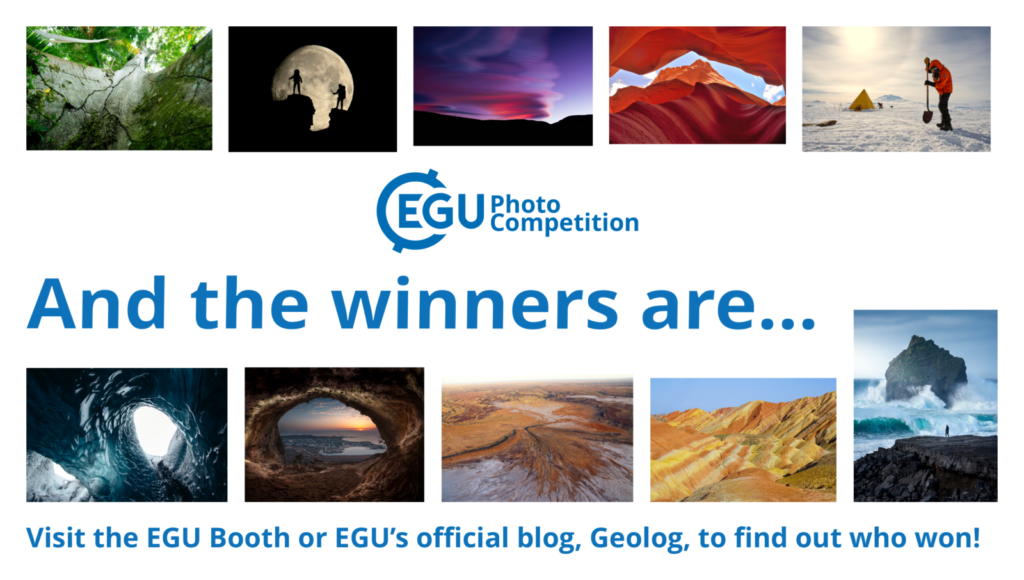
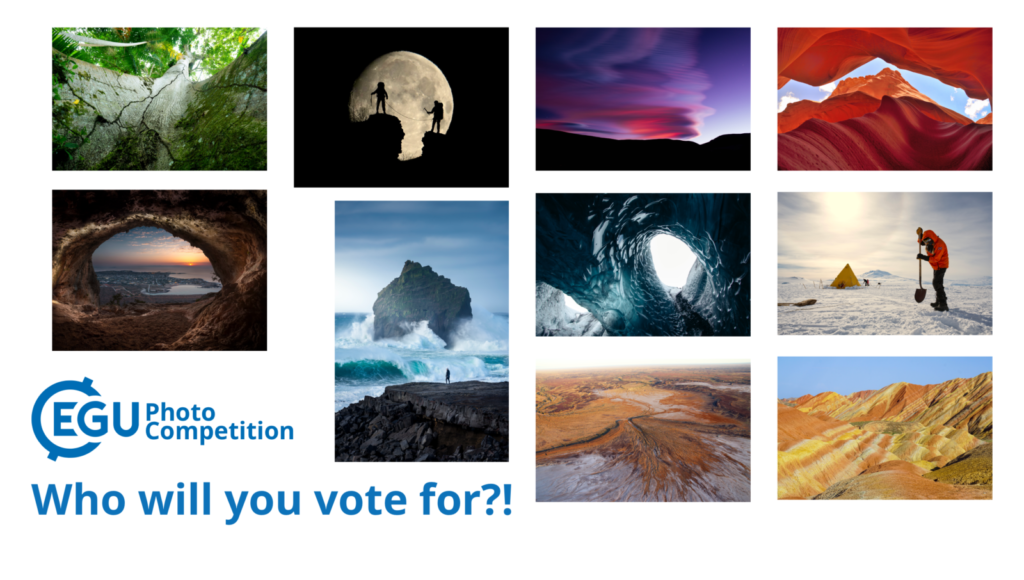
For this year’s Photo Contest, EGU received hundreds of amazing images capturing a broad spectrum of the geosciences. After the selection committee whittled the field down to 10 finalists, you have been voting for your favourites throughout EGU23’s week-long conference, both on-site in Vienna at the EGU Booth, and online. After an enthusiastic response from voters, we are now ready -and very ...[Read More]
EGU23 Photo Competition finalists – who will you vote for?
This year’s Photo Competition judging panel did a fantastic job of narrowing down the outstanding photo submissions to the EGU’s Photo Competition to just 10 finalists! The finalist photos are listed below and on the Imaggeo website where you can vote for them from Sunday 23 April until Thursday, 27 April 2023 – voting closes at 18:00 CEST. The three photos with the most votes will be ...[Read More]
Imaggeo On Monday: the EGU Photo Competition – ONE WEEK LEFT!
In 2010 EGU held our first annual Photo Competition at the General Assembly in Vienna. Since then hundreds of photos have been shared on imaggeo by geoscientists and researchers just like you, with a lucky few being selected each year to be highlighted during the meeting and voted on by our members. These images can be of anything to do with geology or geoscience – we get many beautif ...[Read More]
Imaggeo On Monday: the EGU Photo Competition – stunning natural phenomena
In 2010 EGU held our first annual Photo Competition at the General Assembly in Vienna. Since then hundreds of photos have been shared on imaggeo by geoscientists and researchers just like you, with a lucky few being selected each year to be highlighted during the meeting and voted on by our members. These images can be of anything to do with geology or geoscience – we get many beautif ...[Read More]
Imaggeo On Monday: the EGU Photo Competition – dynamic geoscience
In 2010 EGU held our first annual Photo Competition at the General Assembly in Vienna. Since then hundreds of photos have been shared on imaggeo by geoscientists and researchers just like you, with a lucky few being selected each year to be highlighted during the meeting and voted on by our members. These images can be of anything to do with geology or geoscience – we get many beautif ...[Read More]
Imaggeo On Monday: Fingerprint in the cotton
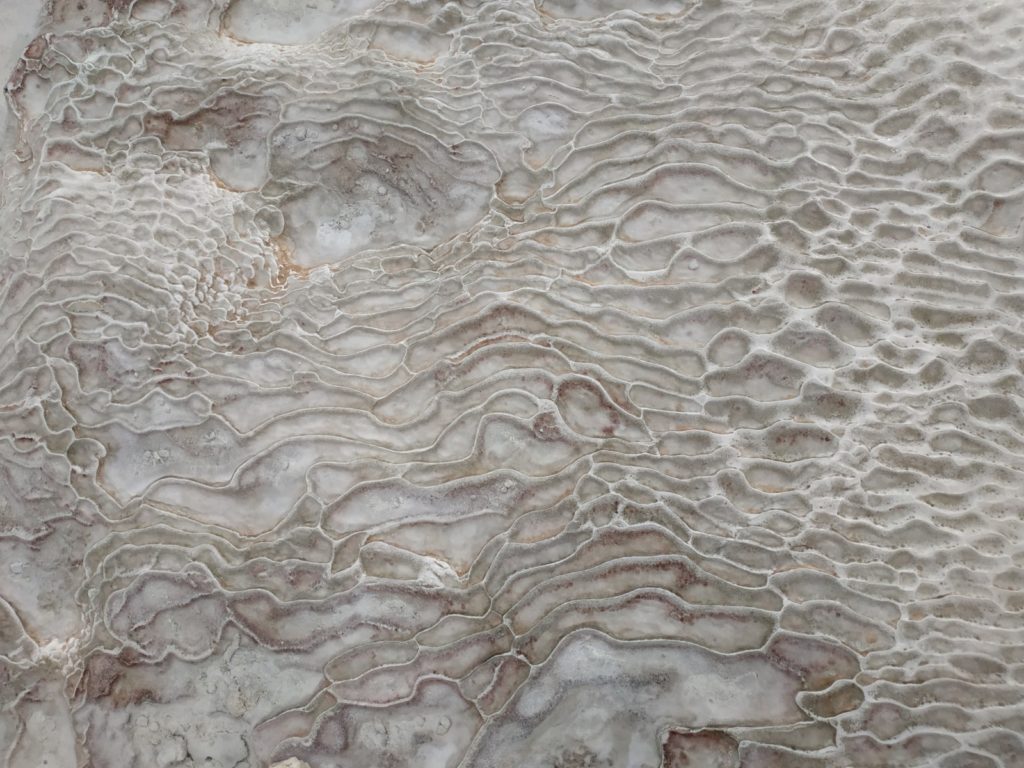
This photo is taken at the Pamukkale (meaning “cotton castle” in Turkish), a natural site near Denizli, Turkey. This location is world famous for terraces made of snow-white travertine, a sedimentary rock deposited by water from the hot springs, and a stunning turquoise water color. Close look at the surface texture reveals an extraordinary pattern created by the thermal water slowly f ...[Read More]
Imaggeo On Monday: Wannabe cubic calcite
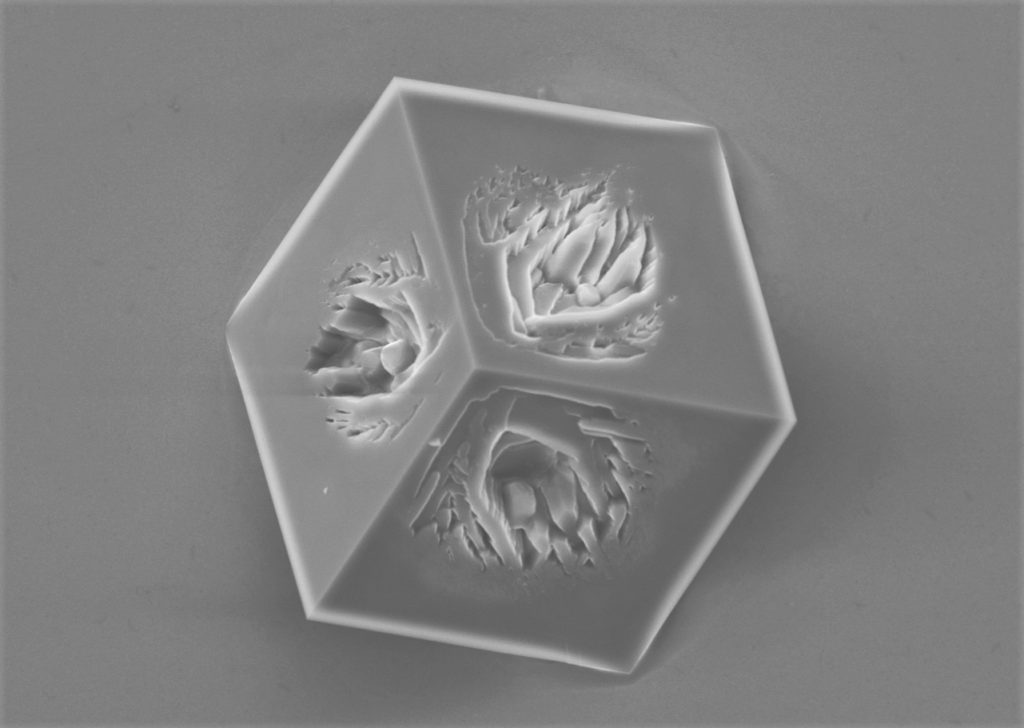
This imperfect cube of calcite was formed on the gold surface during the electrochemically assisted scaling process. Once negative electrochemical potential is applied to the gold surface, the oxygen dissolved in water undergoes reduction, yielding hydroxide anions. These anions accumulate at the gold-solution interface, forming a high pH layer. As calcite becomes less soluble with the increasing ...[Read More]
Imaggeo On Monday: Blue cements in Jurassic rocks?
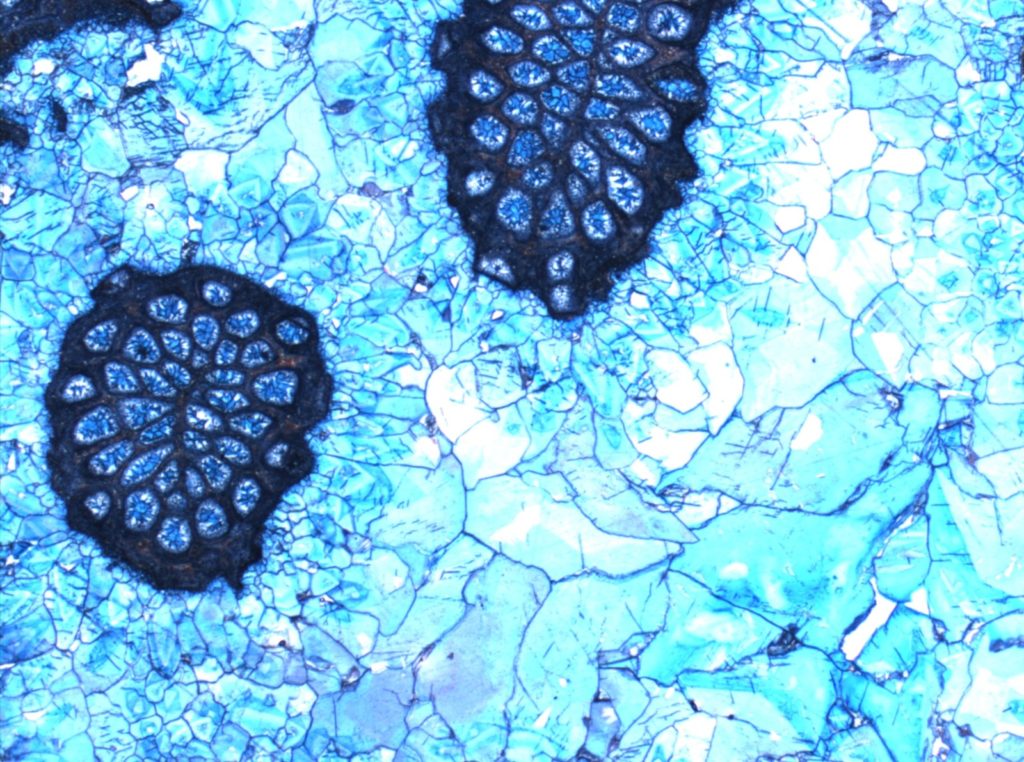
Staining of thin sections and rock slabs is a method of identification that has long helped researchers to distinguish certain minerals which often otherwise appeared very similar. Modern studies have now largely replaced this method of identification with more analytical techniques that usually provide a higher degree of certainty, such as analysis with a microprobe or Scanning Electron Microscop ...[Read More]
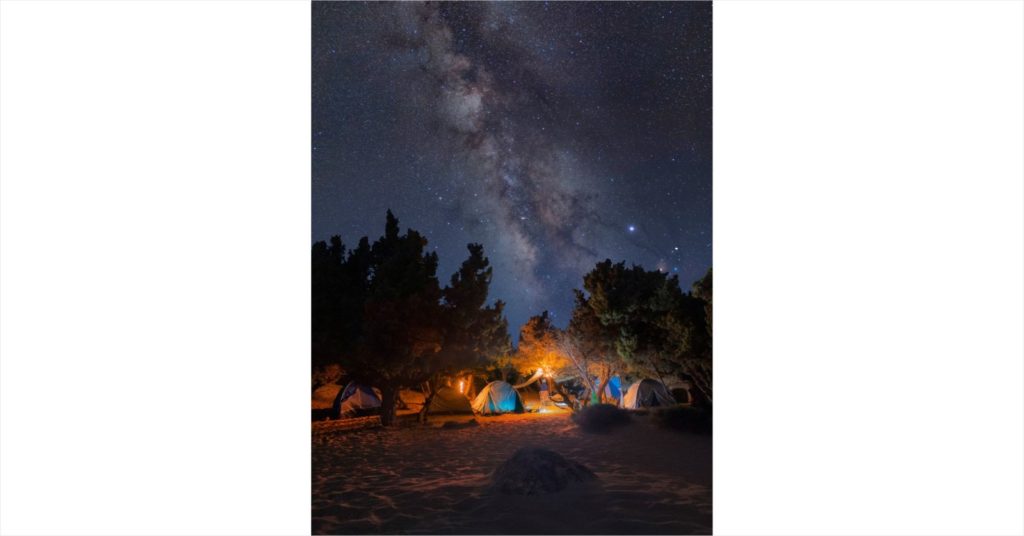
Imaggeo On Monday: One with the Cosmos
Camping under the stars is an experience that allows people to connect with the cosmos in a unique and profound way. As they set up their tents and gaze up at the night sky, they are reminded of the vastness and beauty of the universe. They can see the stars, the planets and other celestial objects, and feel a sense of awe and wonder. They are reminded that they are just a small part of something ...[Read More]
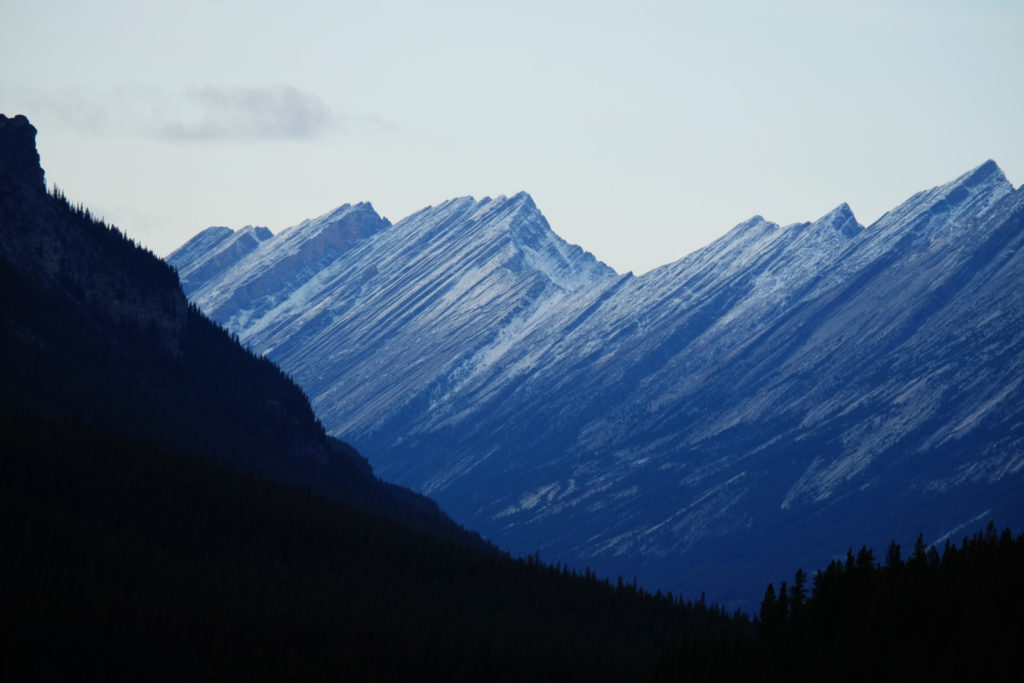
Imaggeo On Monday: Pantone of Blue Mountains, light scattering.
The light’s interaction with matter enables scientists to observe greenhouse gases from space, but also creates the shifting blue tones throughout the mountains that hikers travel long distances to admire! The blue shades are created by an effect called Raleigh scattering, where very small atmospheric particles between the viewer (or camera) and the mountains cause the shorter wavelength lig ...[Read More]