GeoLog

EGU Scientific Divisions

GeoTalk: Matt Taylor of ESA’s Rosetta mission

GeoTalk: Matt Taylor of ESA’s Rosetta mission

In November 2014, space exploration history was made. Millions of kilometres away, orbiting a piece of ice and rock, the European Space Agency’s (ESA) Rosetta mission sent its probe Philae to become the first spacecraft to soft-land on a comet. After the tense 7-hour wait that followed the separation from the main orbiter, a tweet confirmed that the little lander had successfully completed the fir ...[Read More]

Imaggeo on Mondays: The glacial landscape of Yosemite

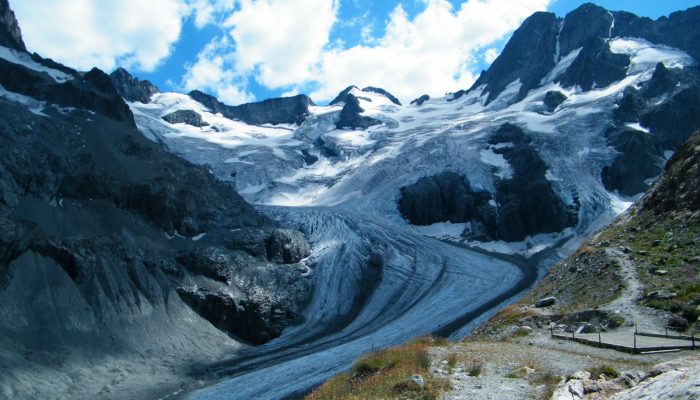
Yosemite National Park, in California, is renowned for its beautiful and striking landscapes. So much so, this is the second time it has feature on the blog this summer. While our last post on the park focused on the ancient volcanic history of its landscape, in this post we fast forward to the Plesitocene (some 110,000 to 12,000 years ago) to discover more about how glaciers shaped Yosemite’s lan ...[Read More]

Imaggeo on Mondays: Why is groundwater so important?

Imaggeo on Mondays: Why is groundwater so important?

Groundwater is an often underestimated natural resource, but it is vital to the functioning of both natural and urban environments. Indeed, it is a large source of drinking water for communities world-wide, as well as being heavily used for irrigation of crops and crucial for many industrial processes. The water locked in the pores and cracks within the Earth’s soils and rocks, also plays an impor ...[Read More]

Geosciences Column: Pollen tells a 7300 year old story of Malta’s climate and vegetation

Geosciences Column: Pollen tells a 7300 year old story of Malta’s climate and vegetation

Figuring out what the climate was like, and how it changed, throughout Earth’s history is like trying to complete a 1000 piece puzzle. Except that scientists usually don’t have all the nuggets and building a comprehensive picture relies on a multidisciplinary approach in order to fill in the blanks. This is particularly true during the Holocene, which spans the last 11,700 years of the Earth’ ...[Read More]