Are you a budding science writer, or want to try your hand at science communication? You might just be the person for our EGU network bloggers! A number of our network blogs would like to give their pages a bit of a boost and are seeking guest bloggers to contribute new, informative and engaging posts …[Read More]
Cryospheric Sciences
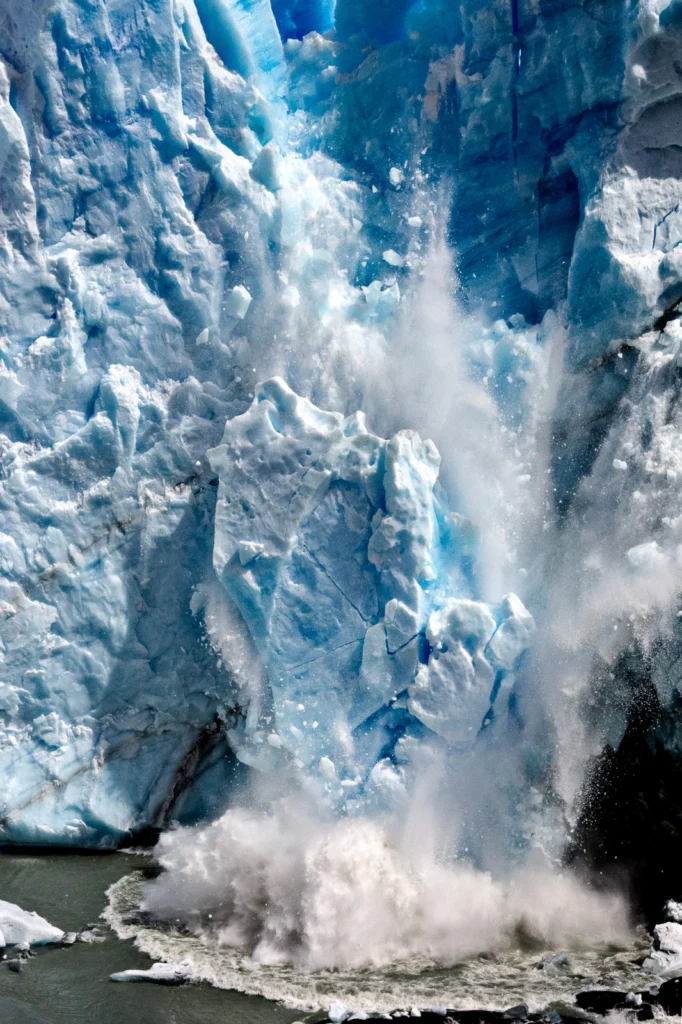
Imaggeo on Mondays: Late Holocene Fever
A huge ice fall off the Perito Moreno glacier in the Los Glaciares National Park, southwest Santa Cruz Province, Argentina, was voted one of the three best pictures entered into the EGU’s annual photo contest, by the conference participants at the 2015 General Assembly. Perito Moreno glacier is one of 48 glaciers feeding into the …[Read More]
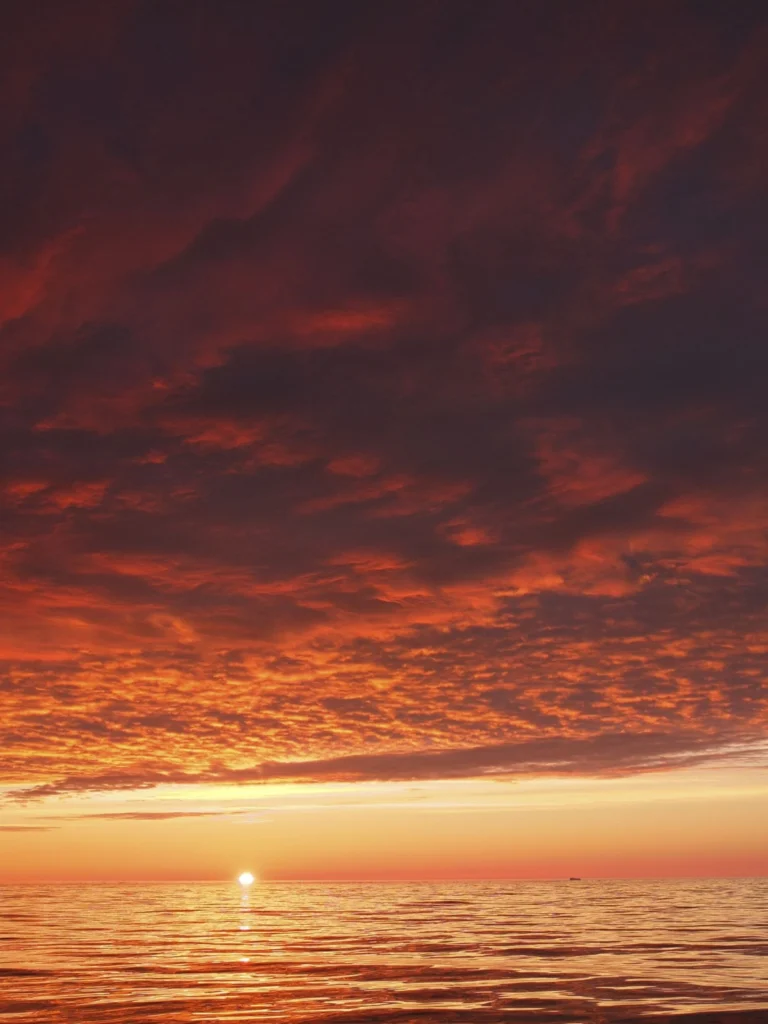
Imaggeo on Mondays: Sunset over the Labrador Sea
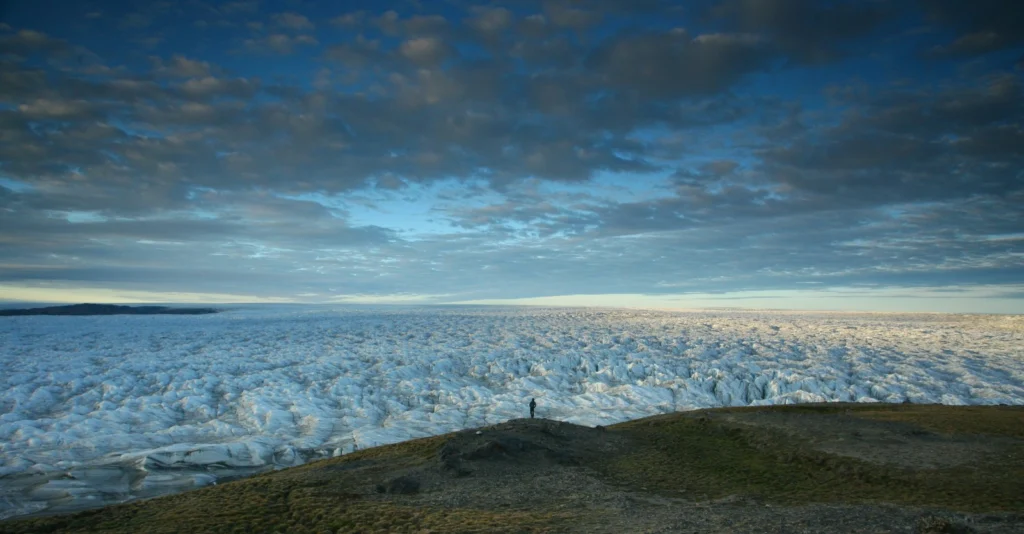
Ruby skies and calm waters are the backdrop for this week’s Imaggeo image – one of the ten finalist images in this year’s EGU Photo contest. “I took the picture while on a scientific cruise in West Greenland in 2013,” explains Christof Pearce, a postdoctoral researcher at Stockholm University. “We spent most of the time …[Read More]
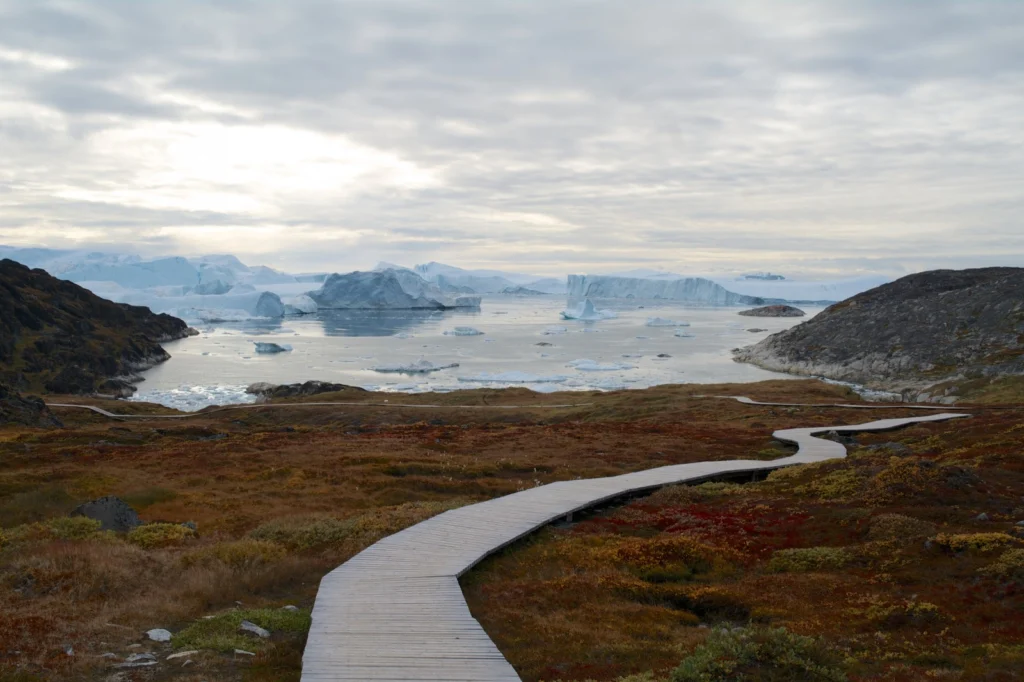
Imaggeo on Mondays: Just Passing
If lucky enough to visit Ilulissat Icefjord, you’d find yourself in a truly ancient landscape. From the up to 3.9 billion year old Precambrian rocks, to ice dating back to the Quaternary Ice Age (2.6 thousand years old) and archaeological remains which evidence the past settlement of this remote Greenlandic outpost, it’s no surprise this …[Read More]
Geosciences Column: Recent and future changes in the Greenland Ice Sheet
Over the past few decades, the Arctic region has warmed more than any other on Earth. The Greenland Ice Sheet is losing mass faster than ever before, and is expected to keep melting with consequences for global sea-level rise and ocean circulation. At a media briefing, during the EGU’s General Assembly in April (stream it …[Read More]
Imaggeo on Mondays: Foehn clouds
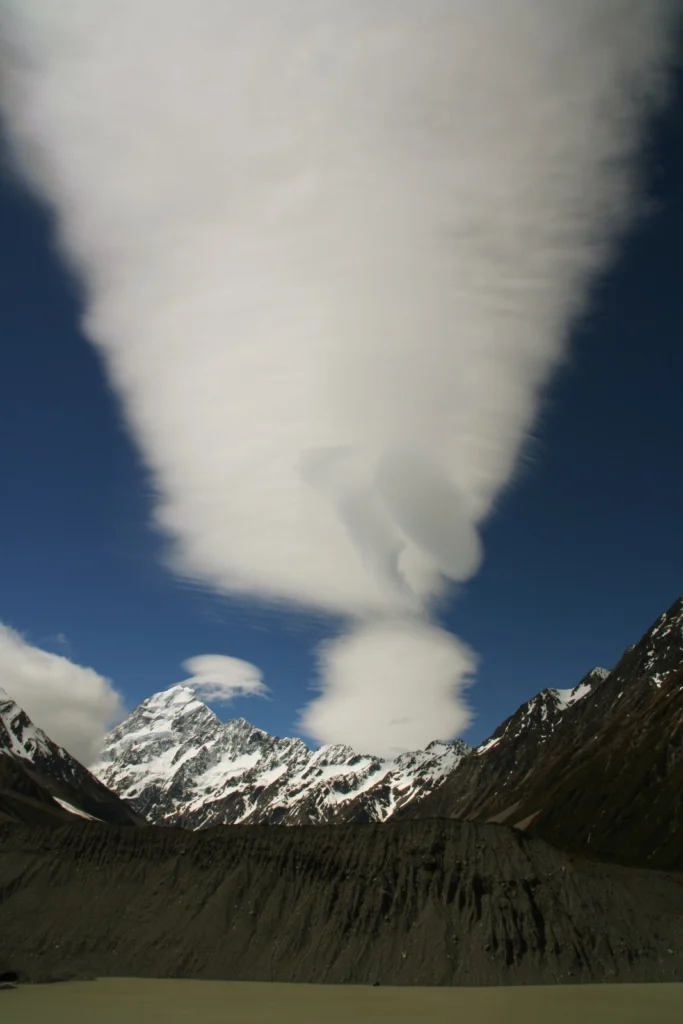
This week’s post is brought to you by Stefan Winkler, a Senior Lecturer in Quaternary Geology & Palaeoclimatology, who explains how the mountain tops of the Southern Alps become decorated by beautiful blanket-like cloud formations. The Sothern Alps of New Zealand are a geoscientifically dynamic environment in all aspects. They are arguably one of the …[Read More]
Imaggeo on Mondays: Mirror Image
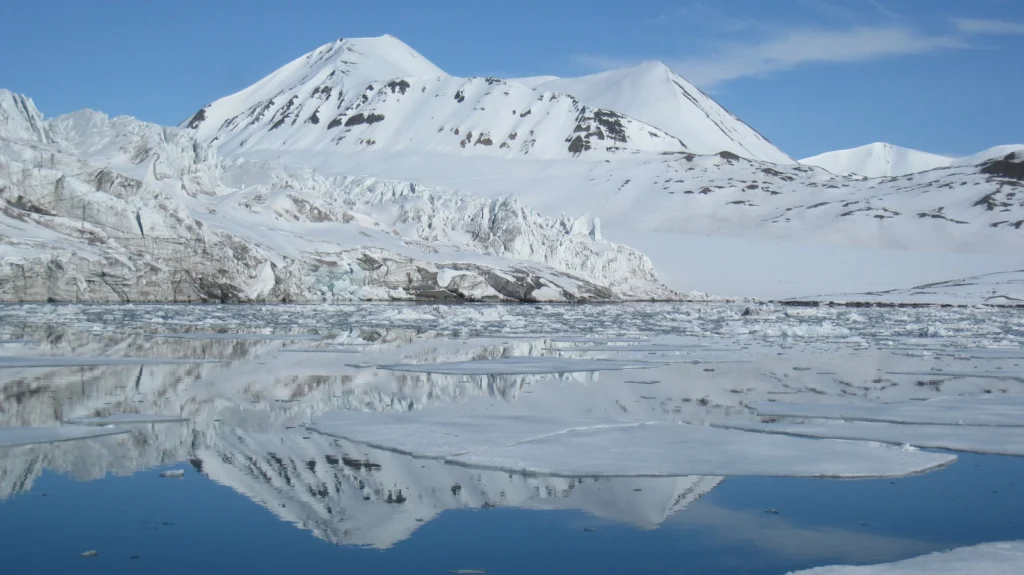
This week’s Imaggeo on Mondays image is brought to you by Fabien Darrouzet, who visited the icy landscapes of Svalbard back in 2012. Whilst the aim of his trip was not to better understand the geology of the landscapes, his eyes were very much focused on goings on up, up in the sky, it didn’t …[Read More]
Imaggeo on Mondays: Drumlins Clew Bay
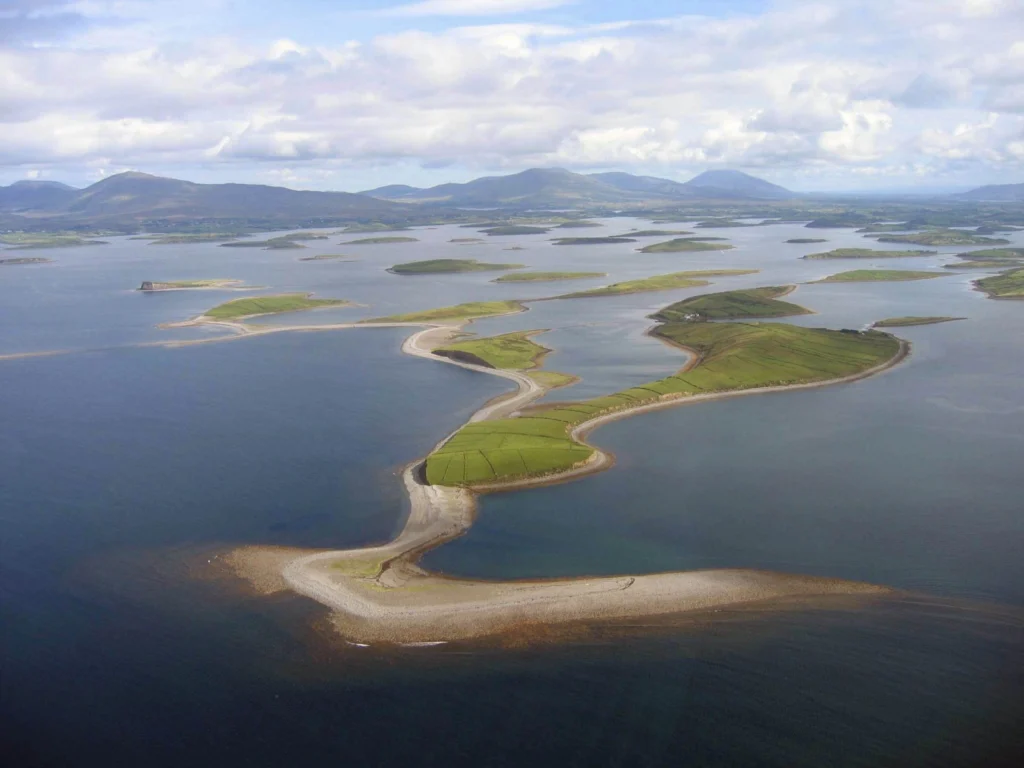
During ice ages landscapes are sculpted by the power of advancing glaciers. From rock scratches, to changing mountains and the formation of corries, cirques and aretes, through to the formation of valleys and fjords, the effects of past glaciations are evident across the northern hemisphere landscape. Perhaps not so familiar, drumlin fields are also vestiges …[Read More]
Imaggeo on Mondays: Retreating Glacier
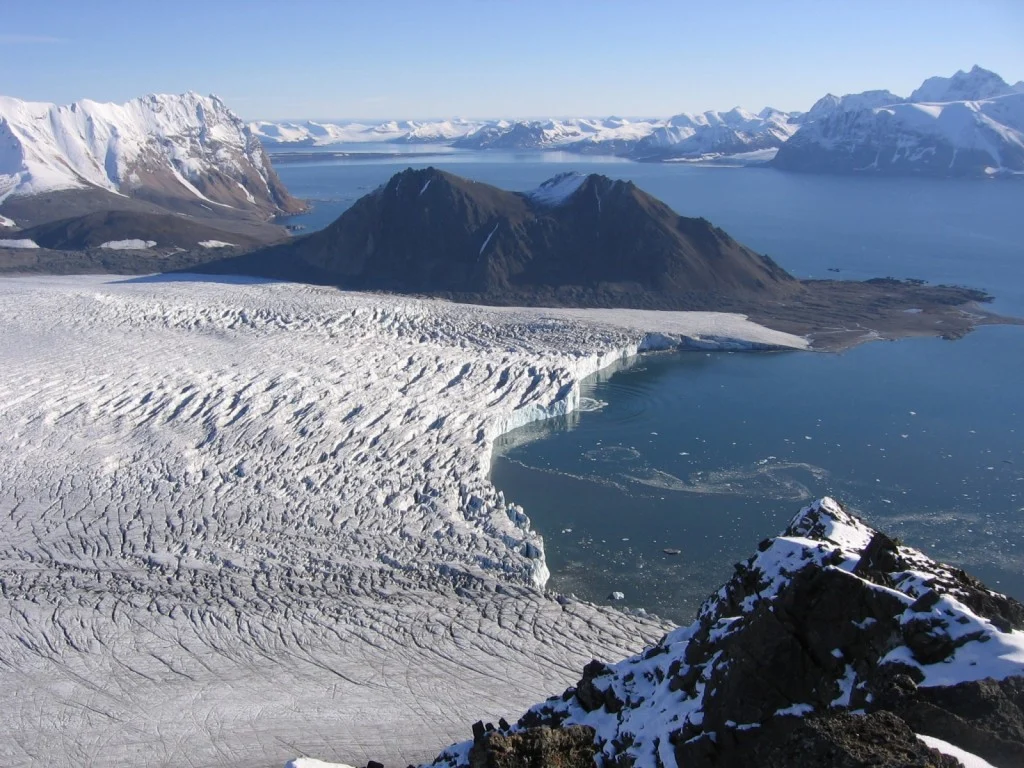
The Svalbard archipelago is considered to be one of the best places to study the geological history of the Earth because its rocks represent every geological period. This image shows a view from the peak of Fugleberget (569 m a. s. l.; 77º 00’ N, 15º 30’ E) on the south-western coast of the island …[Read More]
Geosciences Column: Fire in ice – the history of boreal forest fires told by Greenland ice cores.
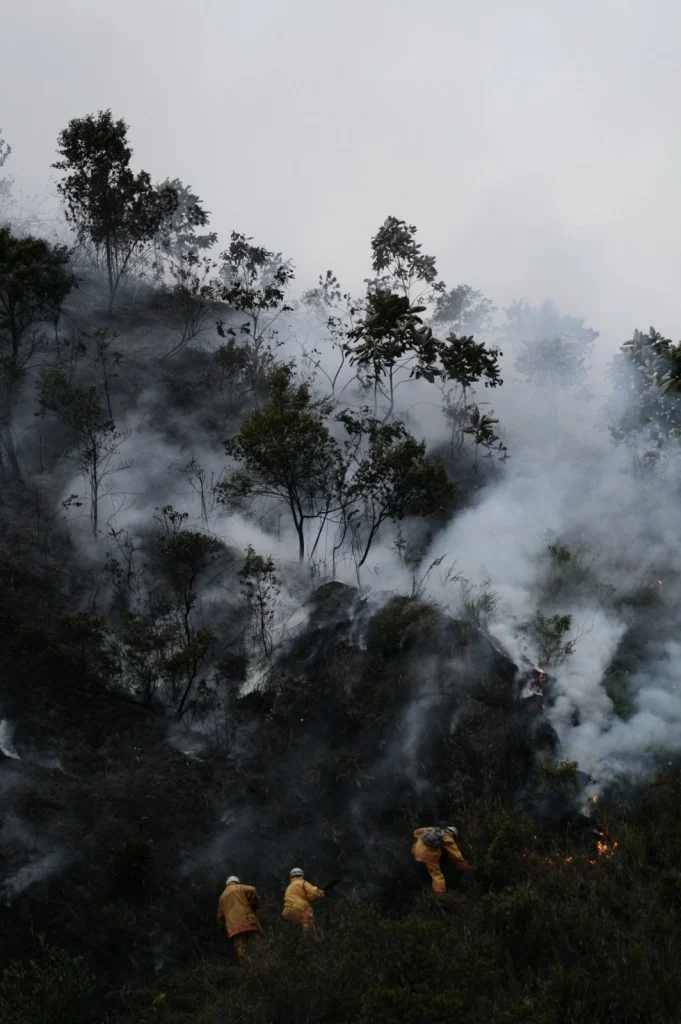
Burning of biomass contributes a significant amount of greenhouses gases to the atmosphere, which in turn influences regional air quality and global climate. Since the advent of humans, there has been a significant increase in the amount of biomass burning, particularly after the industrial revolution. What might not be immediately obvious is that, (naturally occurring) …[Read More]