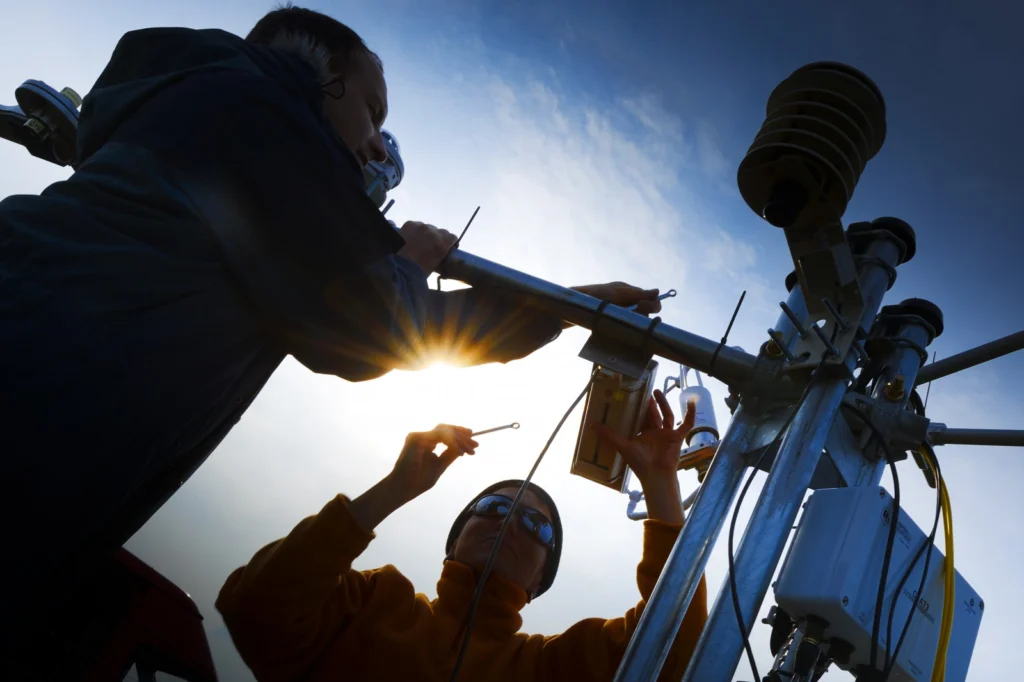
The effects of a warming climate are expected to be far reaching. Sea-level rise, and how it will affect costal settlements make regular headlines, and not without reason. However, climate change may have other less obvious but equally dangerous impacts; for example, take a look at this recent piece highlighting the increased risk of storms and droughts in mainland Europe. The area of Saxony-Anhal ...[Read More]
Climate: Past, Present & Future
Geoscience hot topics – Part I: The Earth’s past and its origin
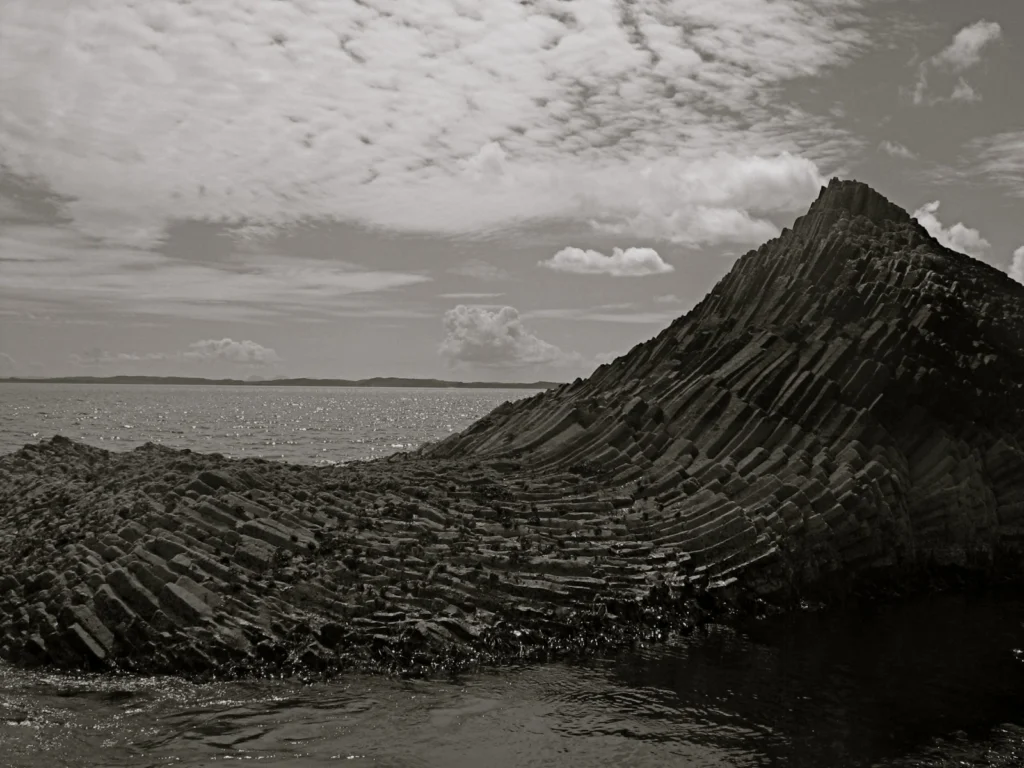
What are the most interesting, cutting-edge and compelling research topics within the scientific areas represented in the EGU divisions? Ground-breaking and innovative research features yearly at our annual General Assembly, but what are the overarching ideas and big research questions that still remain unanswered? We spoke to some of our division presidents and canvased their thoughts on what the ...[Read More]
GeoPolicy: EGU sciences on debate at the European Parliament
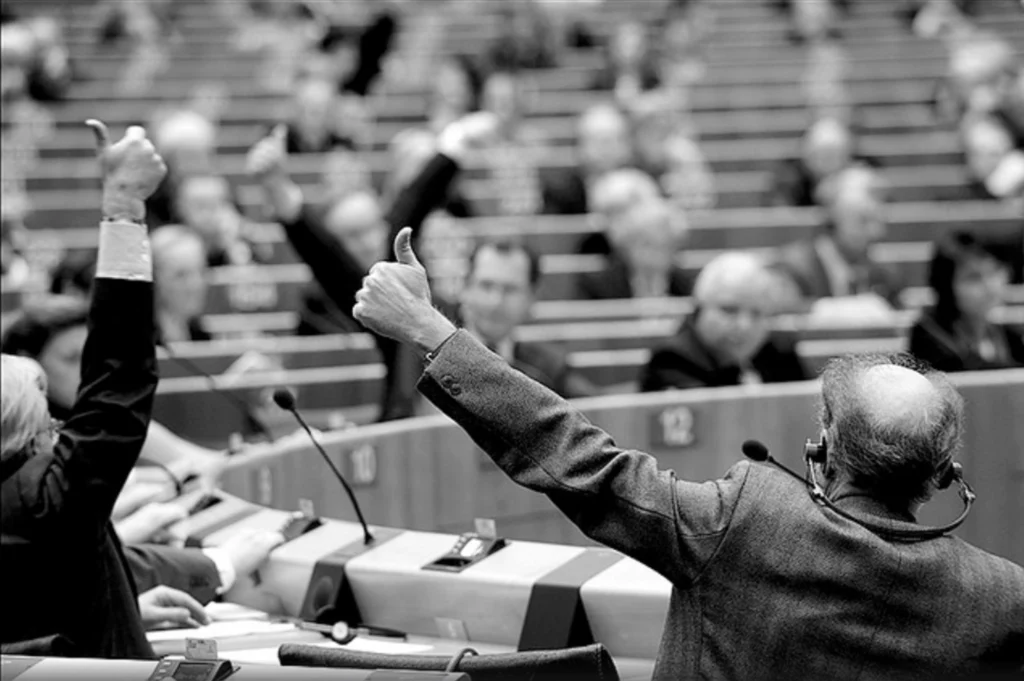
The adoption of legislation within the European Union (EU) is a complex process involving many steps. In my first blog post in this GeoPolicy series I highlighted an example of this process. Several draft legislation pieces are currently being assessed within the European Parliament (EP) and Council of Ministers (Council) that have been influenced by EGU-related science. This blog post summarises ...[Read More]
Imaggeo on Mondays: Icy seasmoke
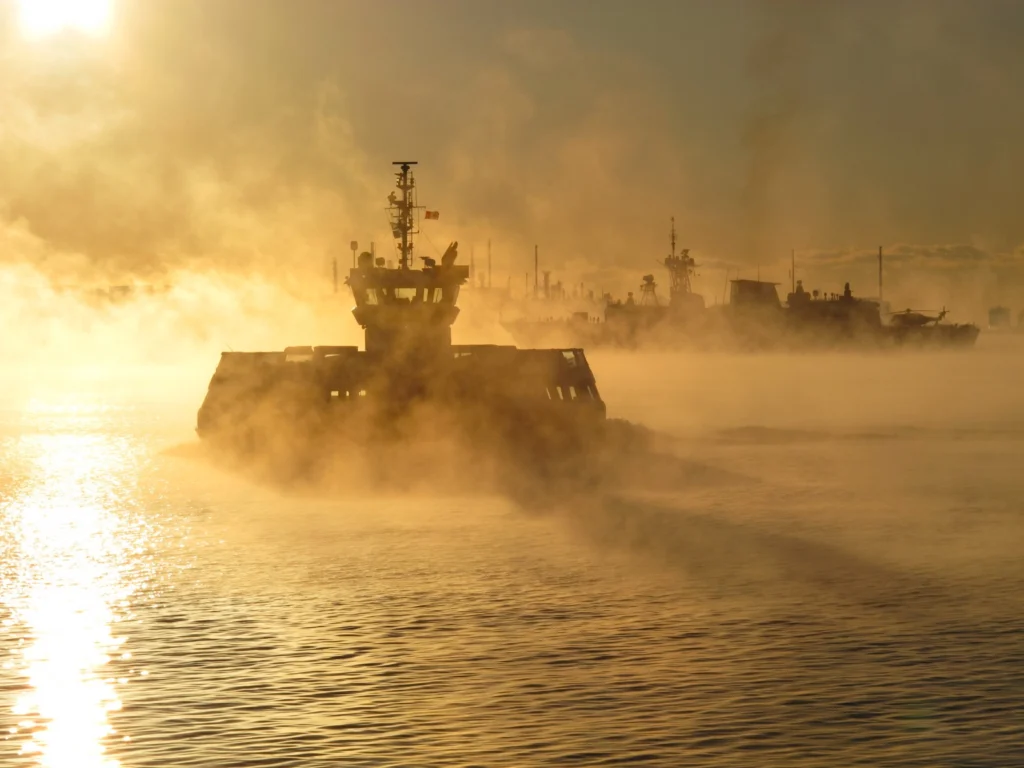
Today’s Imaggeo on Mondays image captures the eerie mood at Halifax Harbour, in Nova Scotia, Canada, on a sunny early morning. “The photograph captures rather unusual seasmoke surrounding a local commuter ferry with a number of other naval vessels in the background”, explains Helmuth Thomas, Professor at Dalhousie University (Canada) who took the snap back in February this year. Seasmoke is rather ...[Read More]
Crusing the Mediterranean: a first-hand account of a month at sea – Part 3
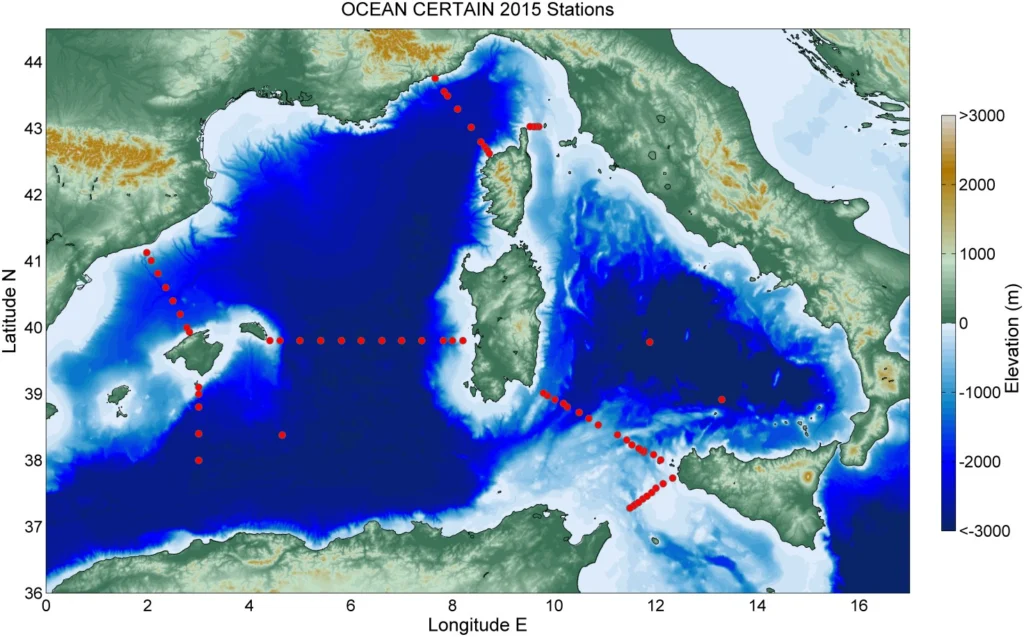
This is the final instalment of the adventures of Simona Aracri, a PhD student at University of Southampton, and her colleagues, who spent a month aboard a research vessel, cruising the Mediterranean Sea. Simona and the team of scientists aboard the boat documented their experiences via a blog and we’ve been sharing some highlights over the past few weeks. As we wave goodbye to the research ...[Read More]
Cruising the Mediterranean: a first-hand account of a month at sea – Part 2
This week we feature the second instalment in this series, which follows the adventures of Simona Aracri, a PhD student at University of Southampton, and her colleagues. as they spent a month aboard a research vessel, cruising the Mediterranean Sea. Simona and the team of scientists aboard the boat documented their experiences via a blog. This time we discover that chemists are always kept busy on ...[Read More]
Cruising the Mediterranean: a first-hand account of a month at sea – Part 1
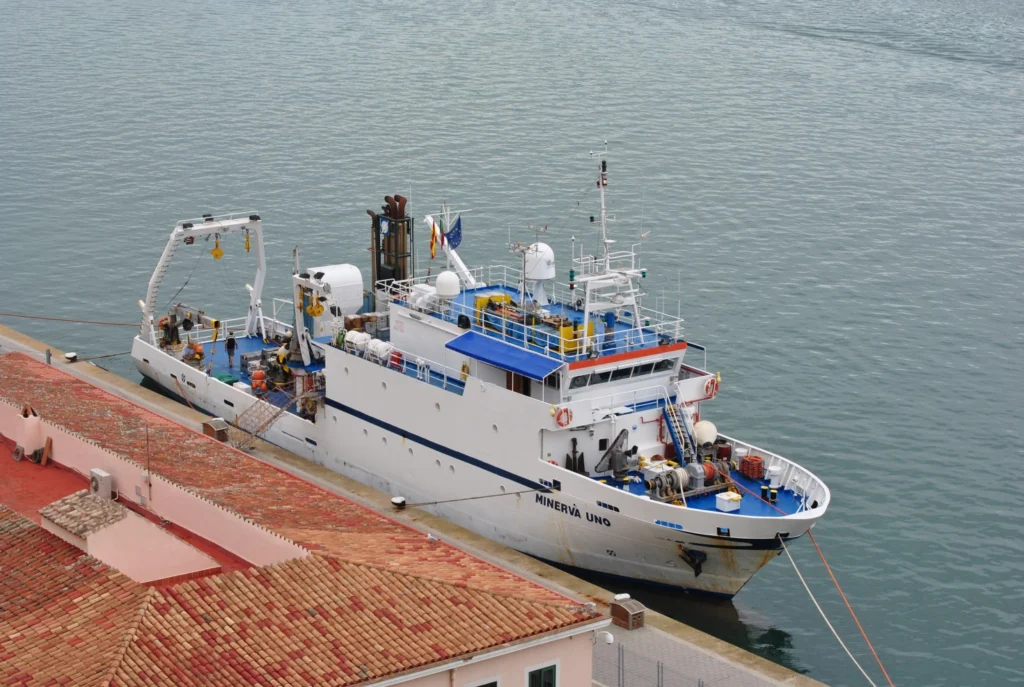
Simona Aracri, a PhD student at University of Southampton, spent a month aboard the research vessel, R/V Minerva Uno, cruising the Mediterranean Sea. Simona and the team of scientists aboard the boat documented their experiences via blog. Over the coming weeks we’ll feature a few of the posts the team shared over the one month voyage: you can expect to find out what life aboard a large research ve ...[Read More]
Imaggeo on Mondays: Moulin on the Athabasca Glacier
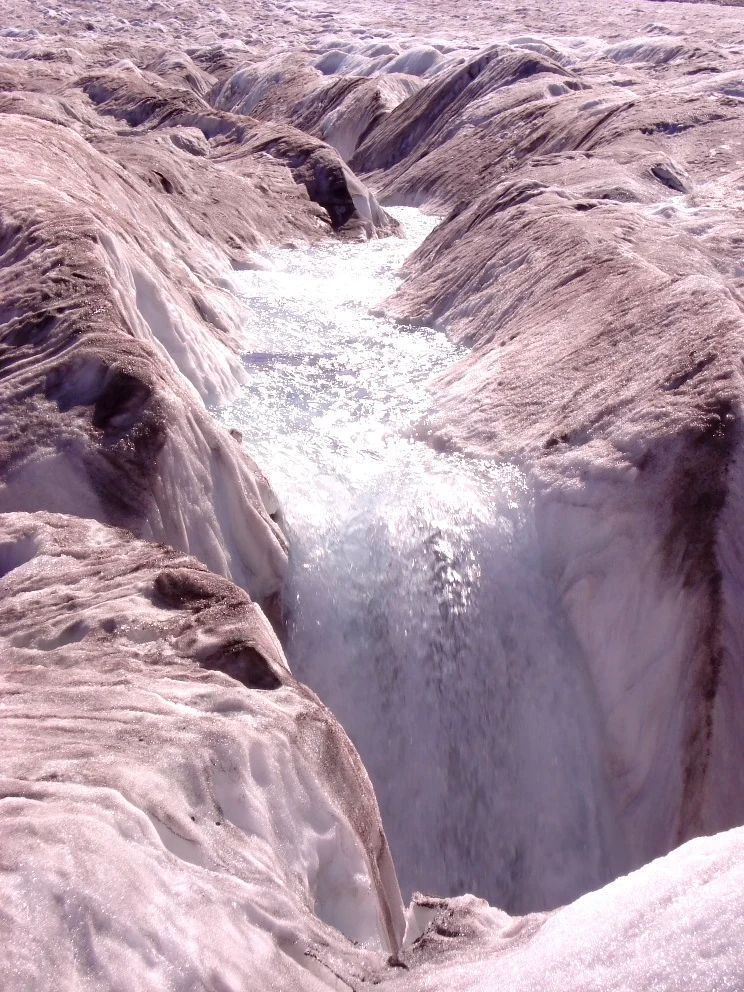
The Athabasca Glacier is located in Jasper National Park, in the Canadian Rockies. It is the largest of seven named distributary glaciers carrying ice away from the Columbia Icefield, the largest icefield in the Rocky Mountains. This picture shows a summer meltwater stream running on the surface of the ice disappear in a moulin – a vertical shaft forming part of the glacier’s internal plumbing sys ...[Read More]
GeoTalk: Talking about ‘ocean burps’ with James Rae
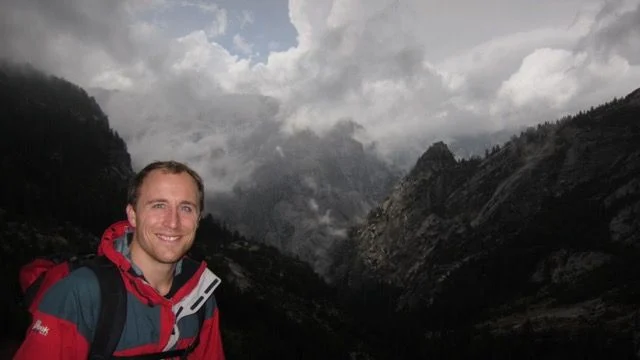
Trying to understand the reasons behind the global warming of our climate is a never ending quest for scientists across the geosciences. Scientists often rely on deciphering past change to help us understand, and perhaps predict, what might happen in the future. Many will be familiar with the common saying ‘the past is the key to the future’. This is exactly what James Rae, a research fellow at th ...[Read More]
Geosciences Column: Soil in art
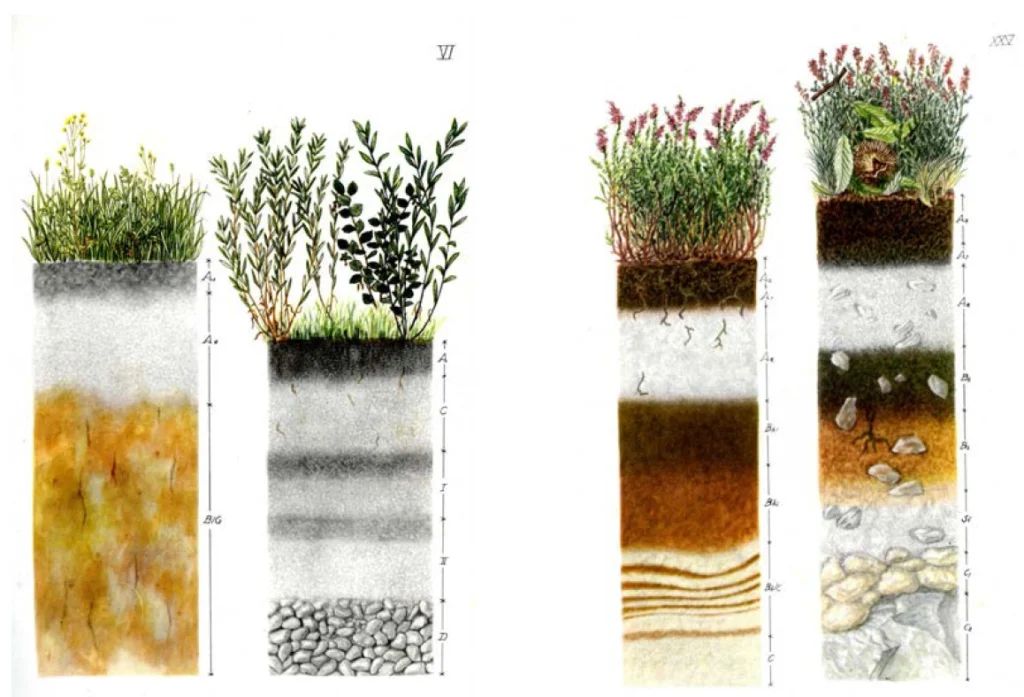
When you think of soil, what is the first thing that comes to mind? The answer will depend on your perception of soil: to some it has a patriotic meaning (“soil of Britain”, for example), while to others it has a strong agricultural connection and to an Earth scientist, well, it’ll depend on their field of expertise. A geotechnical engineer’s perception of soil is different to how it might be view ...[Read More]