GeoLog

Climate: Past, Present & Future

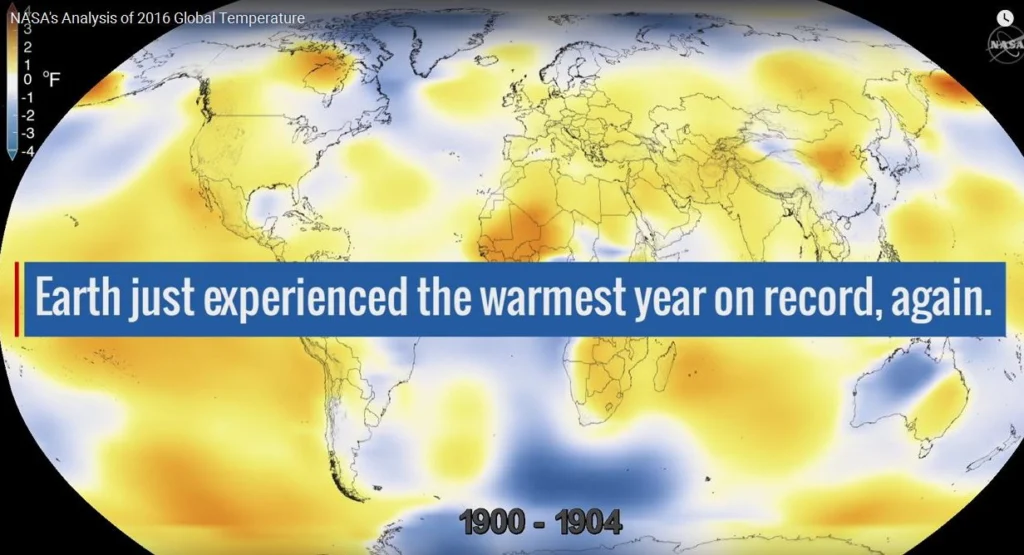
March GeoRoundUp: the best of the Earth sciences from around the web
March GeoRoundUp: the best of the Earth sciences from around the web
Drawing inspiration from popular stories on our social media channels, as well as  unique and quirky research news, this monthly column aims to bring you the best of the Earth and planetary sciences from around the web. Major story While the March headlines might not have been dominated by a particular story, the state of the Earth’s climate has definitely been the overarching theme of the month. ...[Read More]

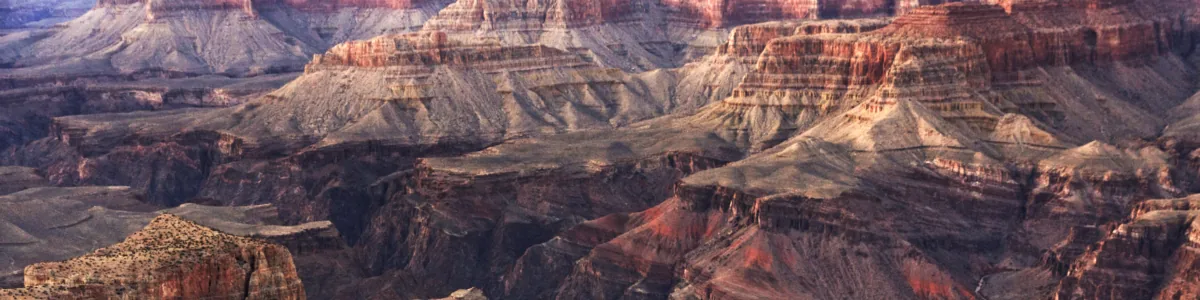
Imaggeo on Mondays: Erosion

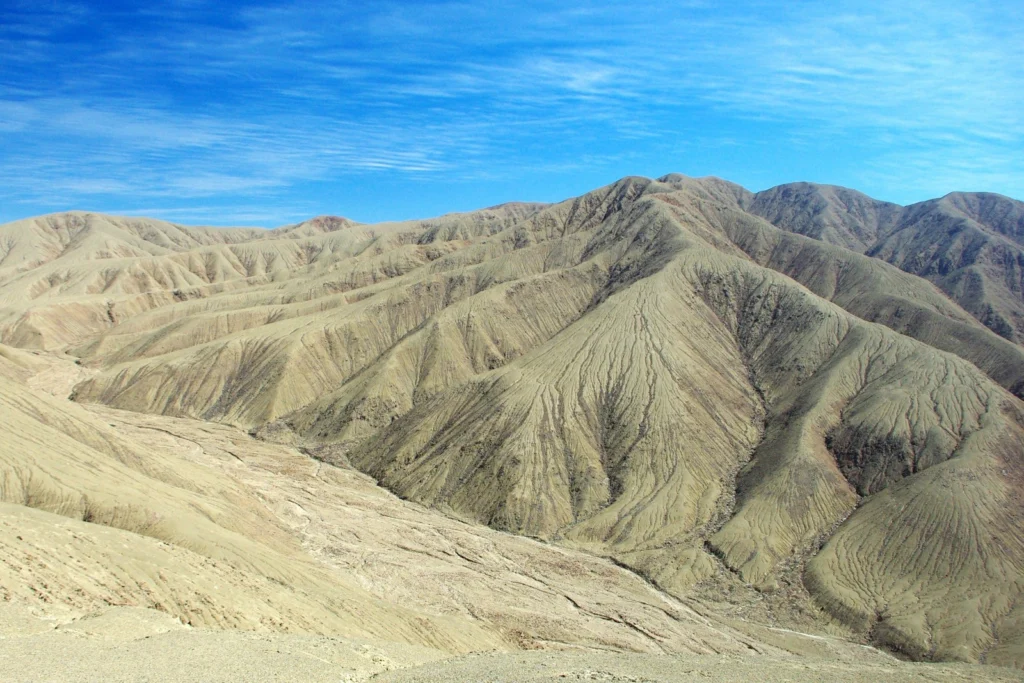
Imaggeo on Mondays: Erosion

In mountainous regions precipitation – be that in the form of rain, hail or snow, for example – drives erosion, which means it plays an important part in shaping the way the landscape looks. Precipitation can directly wear away at hillsides and creates streams and rivers, which leave their mark on the scenery by cutting and calving their way through it. Take for instance the hills in the arid coas ...[Read More]

Imaggeo on Mondays: Concord at midnight

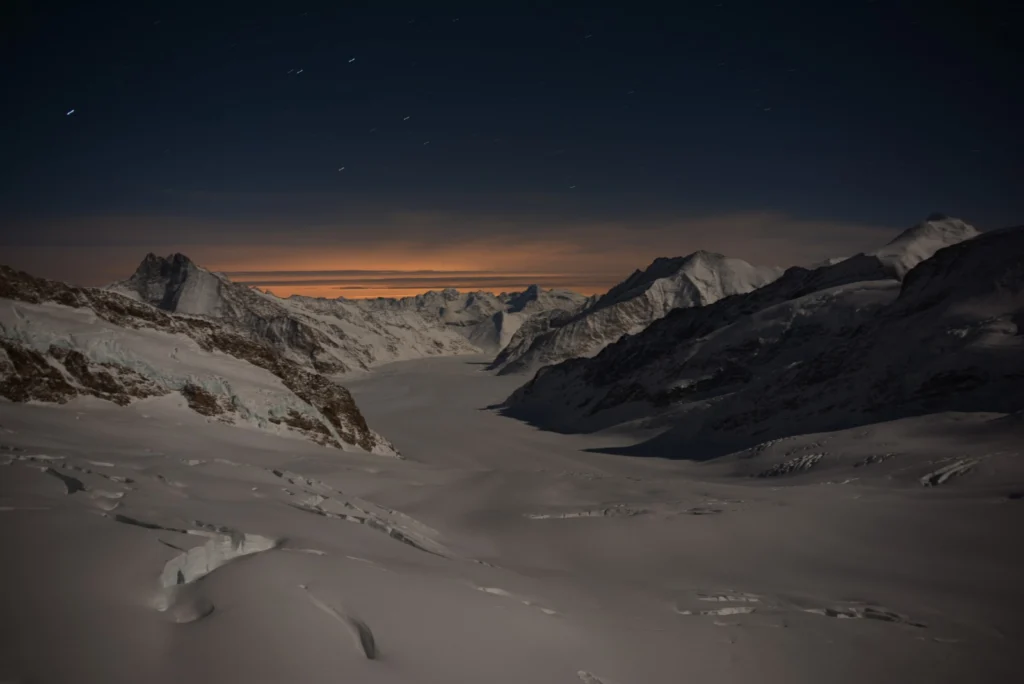
Imaggeo on Mondays: Concord at midnight

The high peaks of the Alps are always awe inspiring, but this midnight shot, captured by Alessandro Lechmann, a PhD student at the Institute of Geological Sciences at the University of Bern, further enhance their fragile beauty. With a warming climate threatening snow availability to even the highest peaks, it has never been more important to appreciate the importance of the glaciers which drape t ...[Read More]

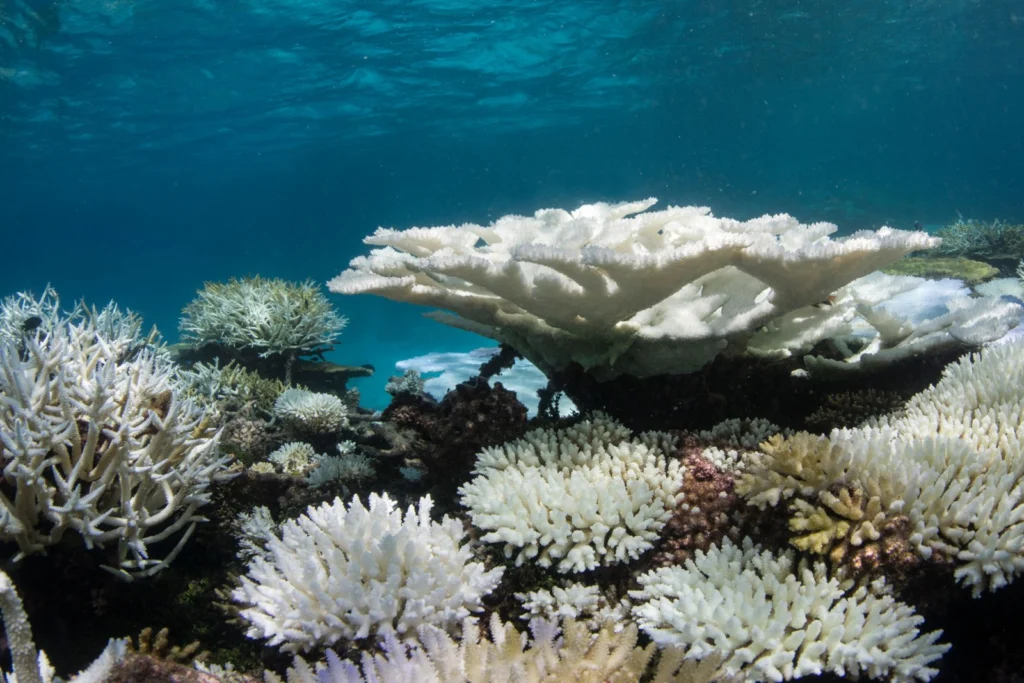
Geosciences Column: How El Niño triggered Indonesia corals die-off

Geosciences Column: How El Niño triggered Indonesia corals die-off

In the glistening waters of Indonesia, shallow corals – the rain forests of the sea – teem with life.  Or at least they did once. Towards the end of 2015 the corals started to die, leaving a bleak landscape behind. An international team of researchers investigated the causes of the die-off. Their findings, published recently in the EGU’s open access journal, Biogeosciences, are rather ...[Read More]

February GeoRoundUp: the best of the Earth sciences from around the web
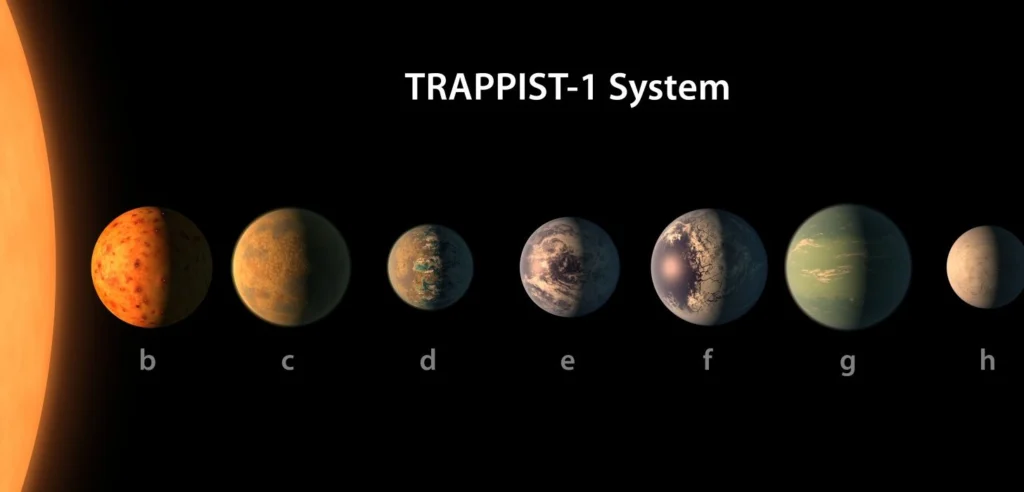
Comparing the TRAPPIST-1 planets

Drawing inspiration from popular stories on our social media channels, as well as  unique and quirky research news, this monthly column aims to bring you the best of the Earth and planetary sciences from around the web. Major story Undoubtedly the story of the month is the discovery of a star system of seven Earth-sized planets just 40 light-years away from our own. What makes the finding so excit ...[Read More]

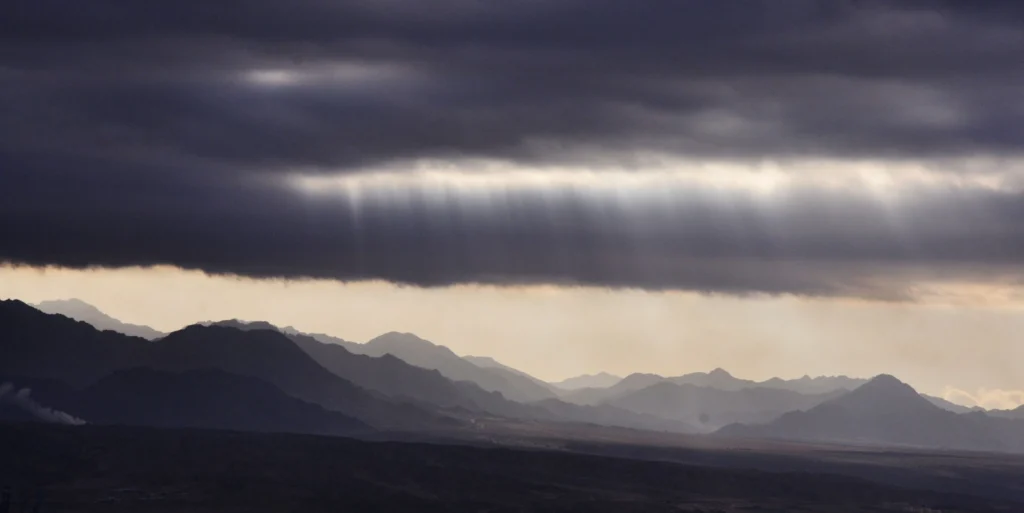
Imaggeo on Mondays: a storm is coming

Imaggeo on Mondays: a storm is coming

Coastlines globally are immensely diverse: from the beautifully topical and sun kissed beaches of the Caribbean, to the wet and misty British coastline, through to the raw and wild Alaskan shores, they are home to scores of flora and fauna; rich habitats shaped by powerful forces of nature. In stark contrast, some coastlines, (28,000 km worldwide to be precise) are dry almost barren places, where ...[Read More]

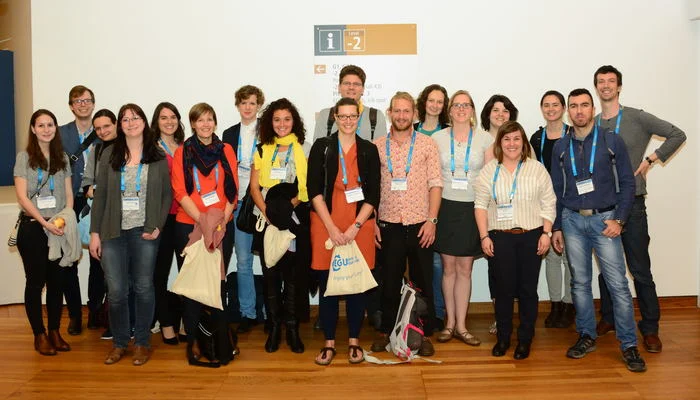
Get involved: become an early career scientist representative

Get involved: become an early career scientist representative

Early career scientists (ECS) make up a significant proportion of the EGU membership and it’s important to us that your voices get heard. To make sure that happens, each division appoints an early career scientists representative: the vital link between the Union and the ECS membership. After tenure of two or four years, a few of the current ECS Representatives are stepping down from their post at ...[Read More]

Geosciences Column: Africa’s vulnerability to climate change

Climate change is set to hit the nations of the Global South the hardest.

Ravaged by armed conflicts, a deep struggle with poverty, poor governance and horizontal inequality, some parts of Africa and other Global South regions are arguably the most vulnerable to the impacts of climate change. Largely reliant on natural resources for sustenance, current and future changes in temperatures, precipitation and the intensity of some natural hazards threaten the food security, ...[Read More]

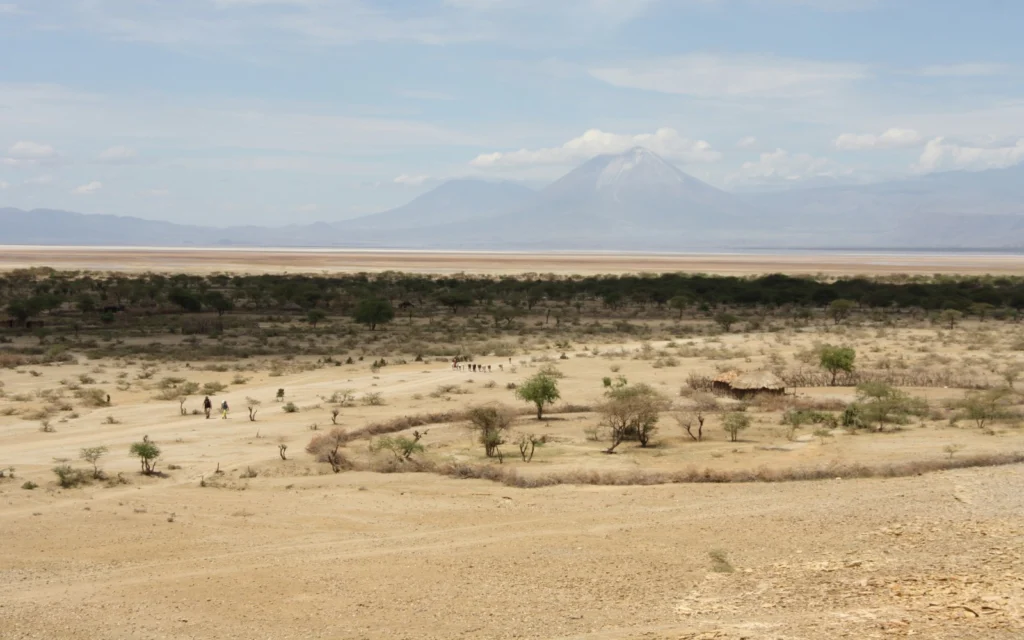
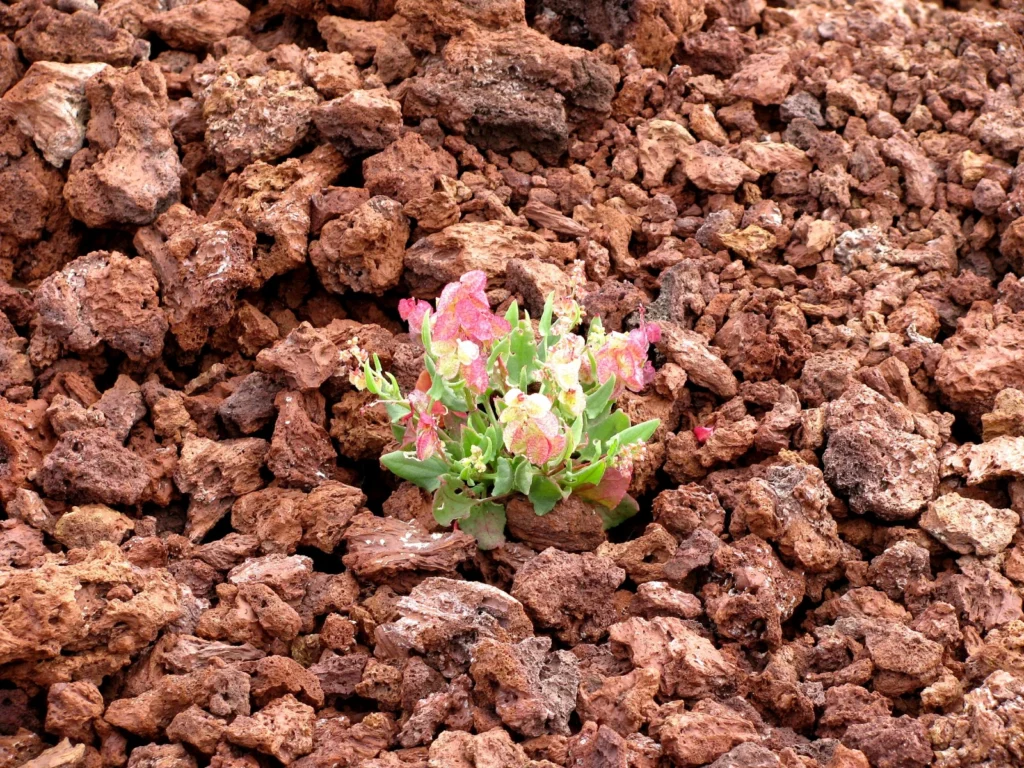
Imaggeo on Mondays: Life on bare lava

Life on bare lava

There are plenty of hostile habitats across the globe but some flora and fauna species are resourceful enough to adapt and make extreme environments their home. From heat-loving ants of the Sahara to microbes living in the light-deprived ocean depths, through to beatles who brave the bitterly cold Alaskan winter, there are numerous examples of plants, animals and bugs who strive in environments of ...[Read More]

January GeoRoundup: the best of the Earth sciences from across the web

January Georoundup: the best of the Earth sciences from across the web

The start of the new year sees the launch of a new series here on GeoLog. Drawing inspiration from popular stories on our social media channels, as well as unique and quirky research news, this monthly column aims to bring you the best of the Earth and planetary sciences from around the web. Major stories One of the biggest stories of this month was the anticipated release of the average global su ...[Read More]