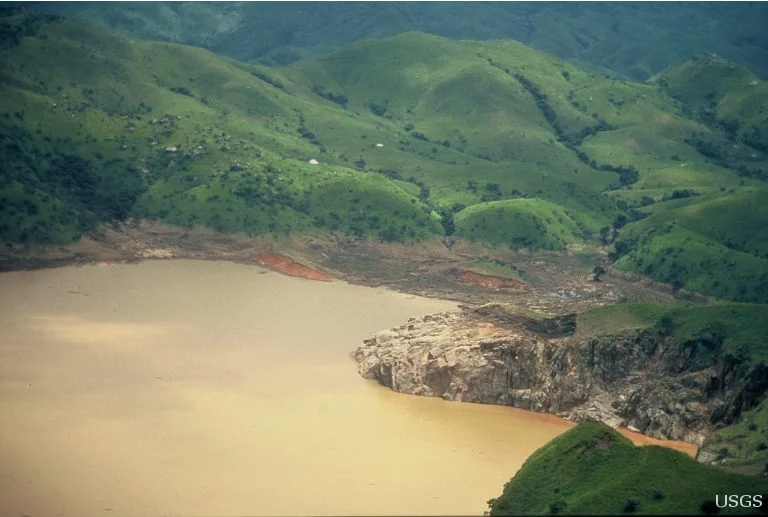
On the evening of August 21, 1986, an unusual stillness blanketed the green highlands of northwestern Cameroon. The local villagers in Nyos, Cha, and Subum were preparing for bed, totally unaware that the crater lake nearby had reached its breaking point. Without warning, a wave of gas burst from the lake and spilled over the volcanic crater rim and cascaded into the valleys. Unseen, heavy, and co ...[Read More]
Climate: Past, Present & Future
Footprints reveal climate’s mark on mudflats
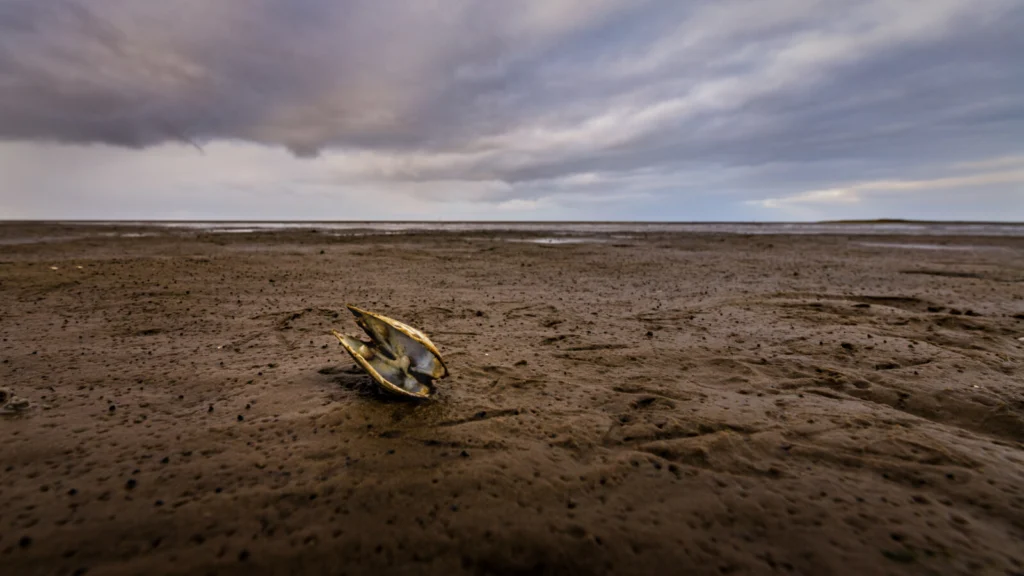
Tidal flats, the muddy reaches of estuaries unveiled at low tide, support rich ecosystems and fisheries worldwide. But these habitats are under threat from climate change, as sea level rise overwhelms the landscape and heavy rainfall scours away the sediment – impacts that scientists are only just beginning to explore. In an effort to understand how shellfisheries are affected by climate change, a ...[Read More]
Discovery to recovery: how international collaboration solved the ozone crisis
38 years ago, representatives from 46 countries around the globe came together to find a solution to the climate crisis. Alerted to an issue discovered by scientists 13 years previously, the representatives of these nations worked together swiftly and with purpose to create an international treaty to combat a major environmental issue. The treaty was signed by all 46 participant nations and would ...[Read More]
Rethinking Europe’s historical climate leadership in a ‘Time of Transition’
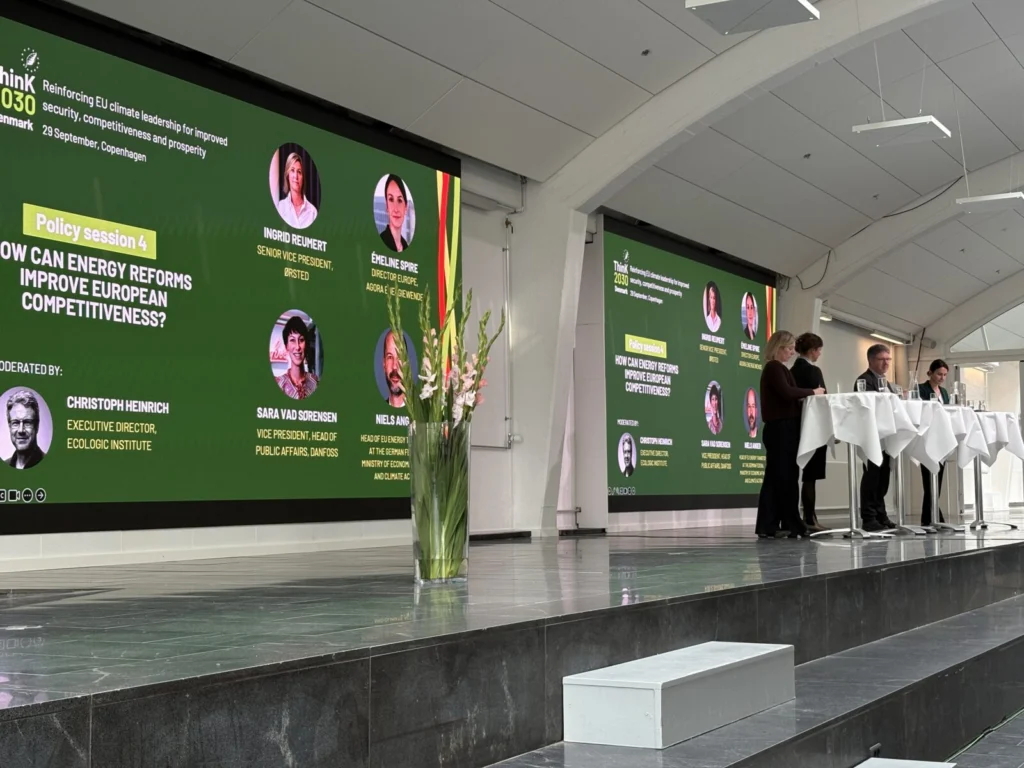
The Think2030 Dialogue Denmark was held in crucial times, since once the uncontested frontrunner in global climate governance, Europe now faces the dual challenge of renewing its leadership and maintaining competitiveness amid a shifting geopolitical and technological landscape, alongside a constantly changing multilateral world order. At a time when global competition over clean technologies, res ...[Read More]
Slavery in the geologic record – Environmental and geomorphological legacies
From 1525, when the first human trafficking ship departed Africa, to September 22, 1862, when the Emancipation Proclamation was issued, more than 300 years passed. This was enough time for the exploitation of humans and the earth to leave a permanent mark, one so profound it is now visible in the geological record. Not only did the age of chattel slavery during the Modern era shape the land and th ...[Read More]
GeoTalk: meet Lorne Farovitch, researcher of climate impacts on deaf communities!
Hello Lorne – welcome to GeoTalk! Could you introduce yourself and your background to our readers? I’m Dr. Lorne Farovitch, a deaf transdisciplinary biomedical researcher and multilingual signer, fluent in more than five sign languages. I’m passionate about advancing health equity for deaf communities worldwide through community-driven research! As the founder and Executive Director of the Global ...[Read More]
The false narrative of over-population: why Malthus had it wrong when it comes to global resources
Just like me, you may have, at some point in your life, come across Malthusian rhetoric: There are too many mouths to feed and not enough resources for a growing population. But what if the problem isn’t people, but an appetite for profit-driven extraction? In this blog, I peel back the myth of overpopulation and show how pinning ecological collapse on mere population numbers diverts attention fro ...[Read More]
Hoverboards, fusion, and future farms: What did Back to the Future (II) get right?
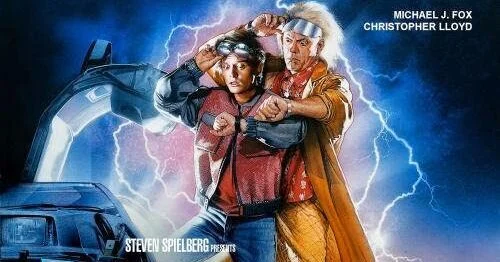
Fourty years ago, the movie Back to the Future (1985) revved its DeLorean into some hearts, zipping watchers back to 1955 with a grin and a flux capacitor–fueled paradox. Today we’re not just celebrating that original joyride’s 40th anniversary; we’re strapping in for the wild flight of Part II (1989), the movie that dared to ask, “what if Marty McFly really could hoverboard through 2015?” W ...[Read More]
“Are you aug?” A strategic foresight into human enhancement, climate adaptation, and access disparities
The Geneva Science and Diplomacy Anticipator (GESDA) placed human augmentation on a 5–10 year timeline, identifying it as a key area where technological advancement could soon reshape societies. Their GESDA radar platform tracks over 500 emerging science breakthroughs including enhanced cognition, programmable biology, and climate-resilient bioengineering. The foresight is clear: we are entering a ...[Read More]
Beyond the blame game: Bridging Climate science and policy Action
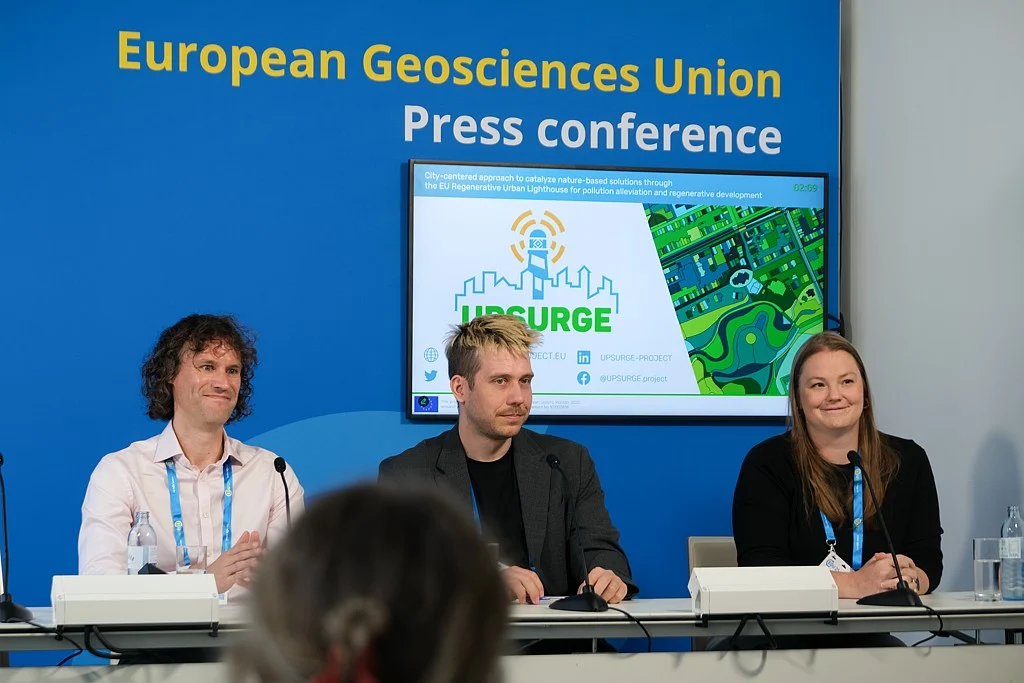
Findings supporting the urgency of climate change are coming ever-so-fast. Yet, so it seems that various economic, political, and ideological groups are stepping up their denial game. The complexity of the current state was reflected during the EGU25 press conference “Hot takes & policy quakes: When geoscience meets social science.” The speakers, Florian Ulrich Jehn [a], Chris Smit ...[Read More]