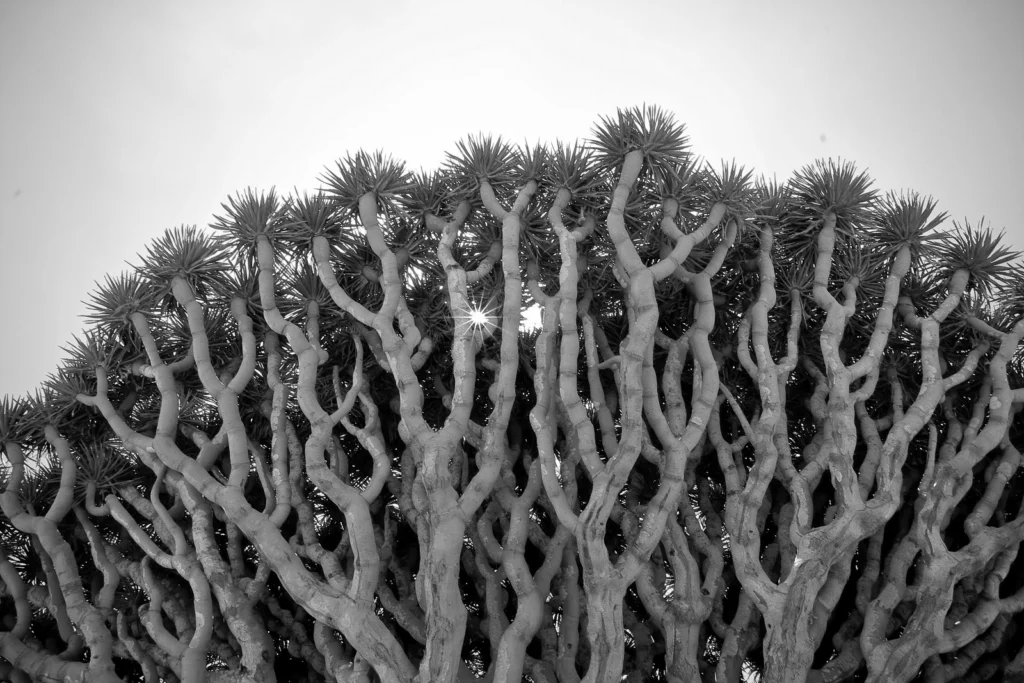
On a small and isolated island in the Indian Ocean you’ll find an endemic population of Dragon Blood Trees (Dracaena cinnabari). Burly, with an interesting umbrella-shaped fractal canopy, these unique trees are a sight to behold. To see them for yourself, you’ll have to travel to the little known Socotra archipelago. Off the coast of Somalia, but belonging to Yemen, the group of islands boast an i ...[Read More]
Biogeosciences
The EGU Network blogs are looking for guest contributions
Are you a budding science writer, or want to try your hand at science communication? You might just be the person for our EGU network bloggers! A number of our network blogs would like to give their pages a bit of a boost and are seeking guest bloggers to contribute new, informative and engaging posts on an ad hoc basis. If you’ve recently been thinking about trying your hand at blogging, but aren ...[Read More]
Geosciences Column: When water is scarce, understanding how we can save it is important
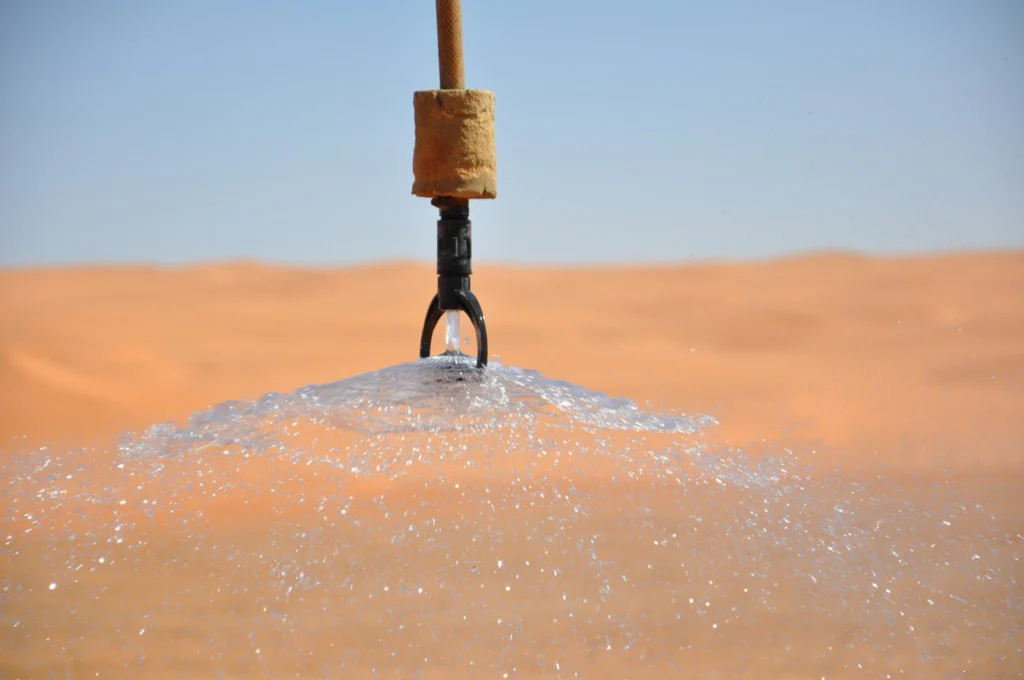
Supplies of water on Earth are running dry. The rate at which an ever growing population consumes this precious resource is not matched by our Planet’s ability to replenish it. Water scarcity is proving a problem globally, with regions such as California and Brazil facing some of the most severe water shortages on record. Used for drinking, agriculture and industrial processes, water forms an fund ...[Read More]
Film review: Revolution
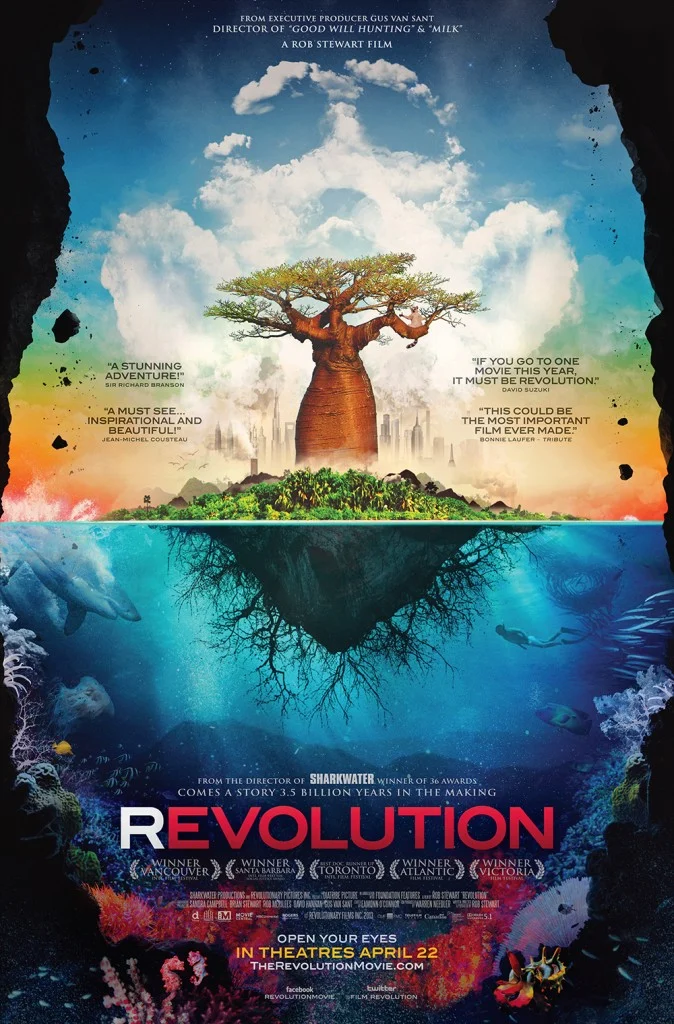
It’s not every day you are asked to review a film, and since it’s a documentary that encompasses a few of EGU’s sciences (such as climate sciences, biogeosciences, and energy, resources and the environment), I couldn’t say no. I’ll start by giving it a rating, 3.5/5 stars, though I would probably give it more if I were part of the film’s main target audience. Revolution, by biologist-photographer ...[Read More]
Imaggeo on Mondays: Sunset over the Labrador Sea
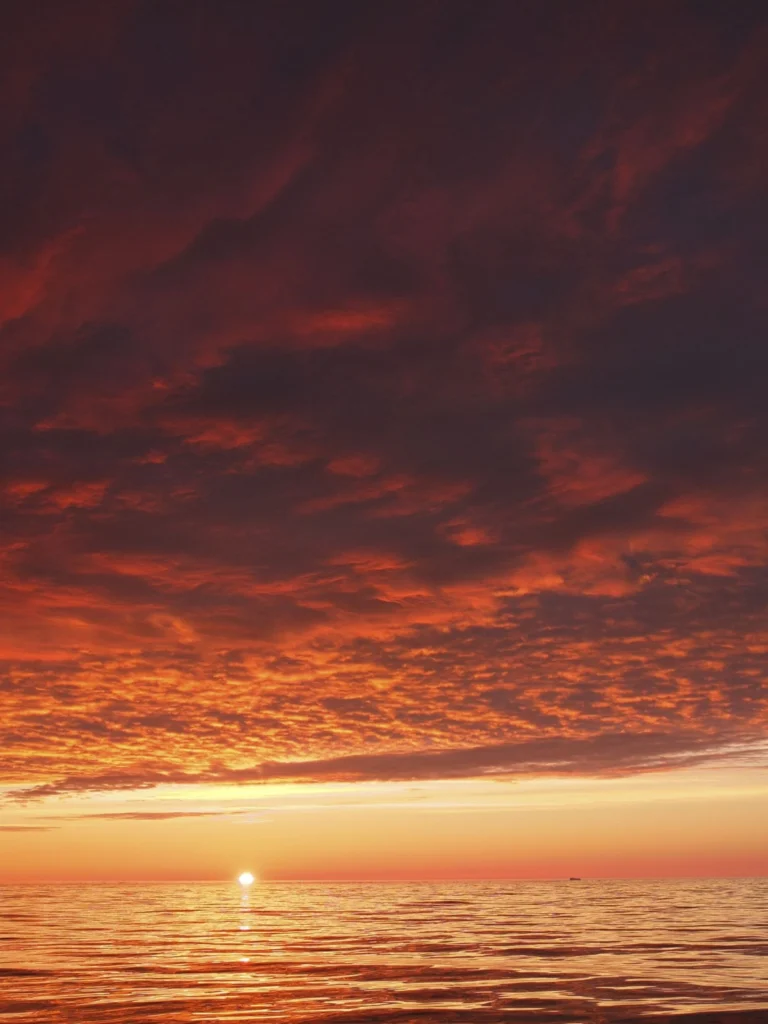
Ruby skies and calm waters are the backdrop for this week’s Imaggeo image – one of the ten finalist images in this year’s EGU Photo contest. “I took the picture while on a scientific cruise in West Greenland in 2013,” explains Christof Pearce, a postdoctoral researcher at Stockholm University. “We spent most of the time inside the fjord systems around the Greenland capital, Nuuk, but this specific ...[Read More]
GeoTalk: How hydrothermal gases change soil biology
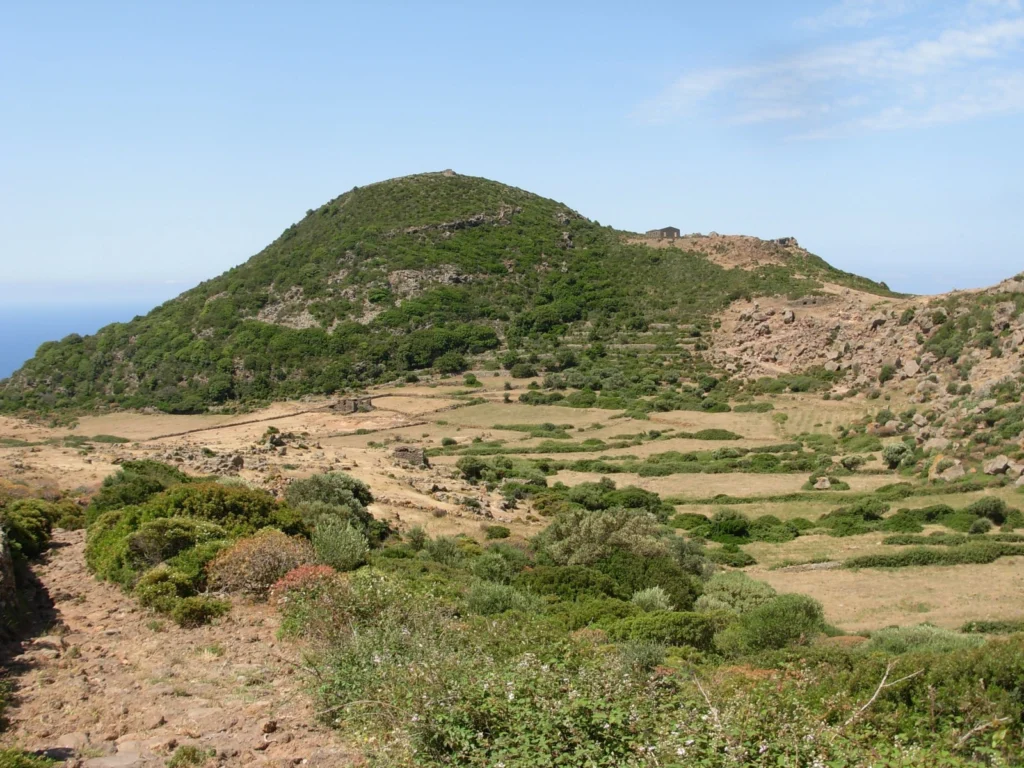
The biosphere is an incredible thing – whether you’re looking at it through the eye of a satellite and admiring the Amazon’s vast green landscape, or looking at Earth’s surface much more closely and watching the life that blossoms on scales the naked eye might never see, you are sure to be inspired. Geochemist, Antonina Lisa Gagliano has been working on the slopes of Pantelleria Island in an effor ...[Read More]
Imaggeo on Mondays: The largest fresh water lake in world
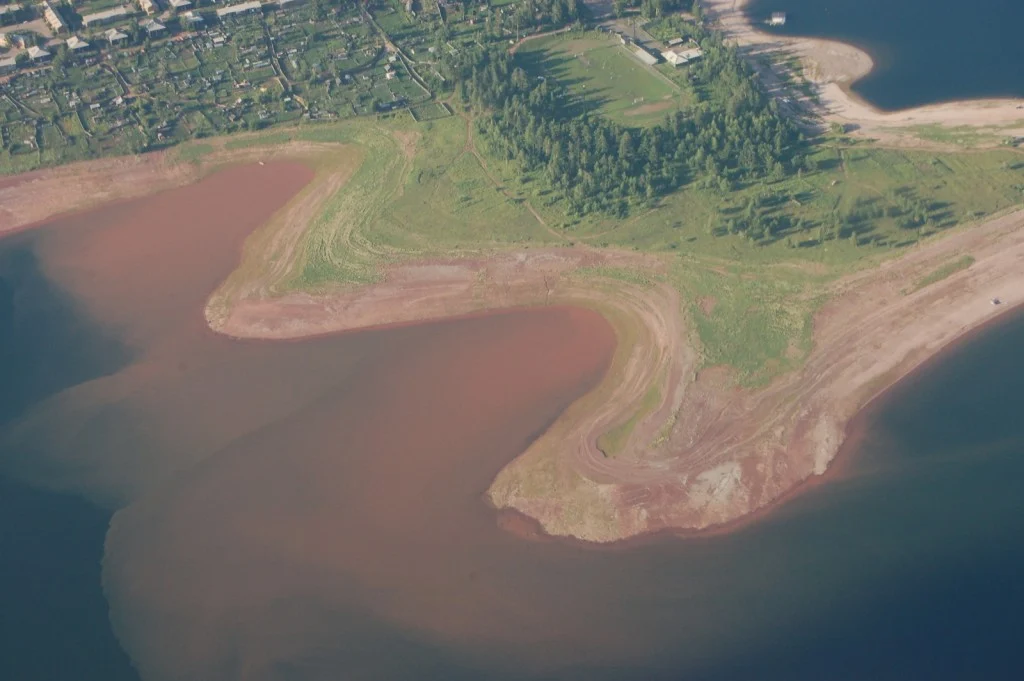
Most lakes in the Northern hemisphere are formed through the erosive power of glaciers during the last Ice Age; but not all. Lake Baikal is pretty unique. For starters, it is the deepest fresh water lake in the world. This means it is the largest by volume too, holding a whopping 23,615.39 cubic kilometres of water. Its surface area isn’t quite so impressive, as it ranks as the 7th largest in the ...[Read More]
Geosciences Column: Fire in ice – the history of boreal forest fires told by Greenland ice cores.
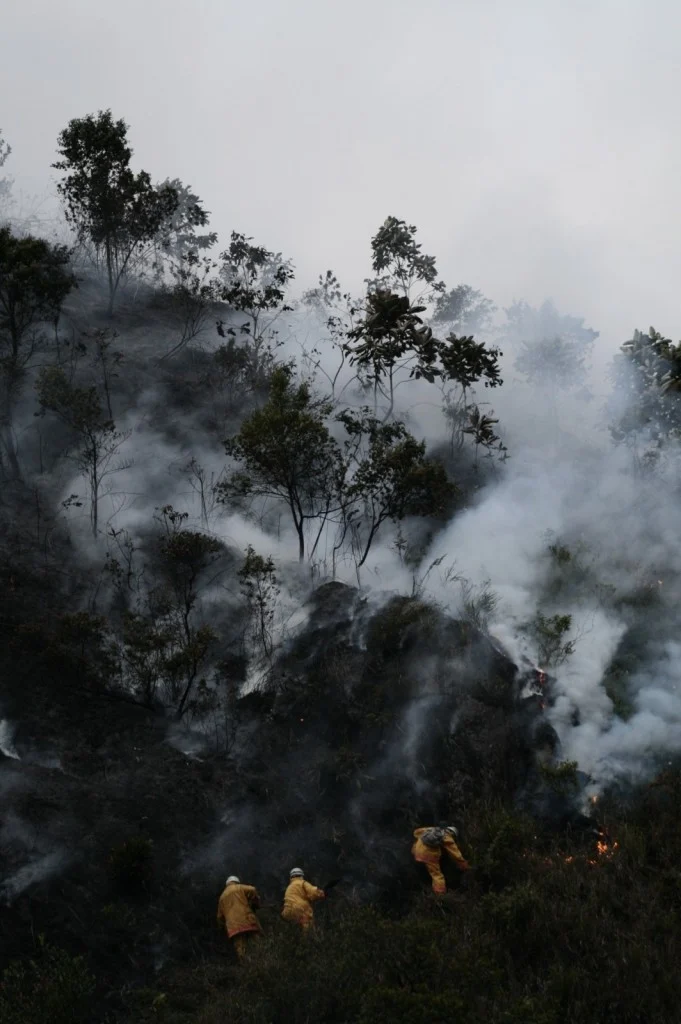
Burning of biomass contributes a significant amount of greenhouses gases to the atmosphere, which in turn influences regional air quality and global climate. Since the advent of humans, there has been a significant increase in the amount of biomass burning, particularly after the industrial revolution. What might not be immediately obvious is that, (naturally occurring) fires also play a part in e ...[Read More]
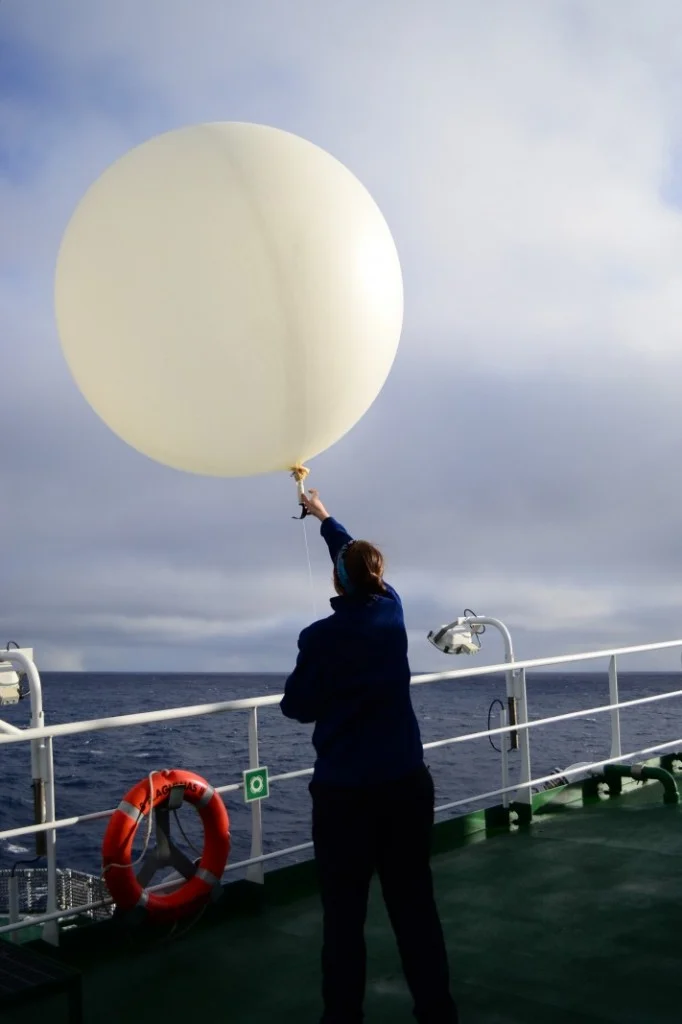
Imaggeo on Mondays: Fly away, weather balloon
Some aspects of Earth Science are truly interdisciplinary and this week’s Imaggeo on Mondays photograph is testament to that. The maiden voyage of the research cruise SA Agulhas II offered the perfect opportunity to combine oceanographic research, as well as climate science studies. Raissa Philibert, a biogeochemistry PhD student, took this picture of the daily release of a weather balloon by mete ...[Read More]
GeoCinema Online: What a difference technology can make.
Advances in technology mean research that was unthinkable some years ago is now possible. For instance, geographically remote areas which were once out of reach have become more accessible through better (not always easier) transportation, so what we understand by ‘remote areas’ has changed significantly over time. The films in this edition of GeoCinema online are fascinating because they showcase ...[Read More]