Just like me, you may have, at some point in your life, come across Malthusian rhetoric: There are too many mouths to feed and not enough resources for a growing population. But what if the problem isn’t people, but an appetite for profit-driven extraction? In this blog, I peel back the myth of overpopulation and show how pinning ecological collapse on mere population numbers diverts attention fro ...[Read More]
Hoverboards, fusion, and future farms: What did Back to the Future (II) get right?
Fourty years ago, the movie Back to the Future (1985) revved its DeLorean into some hearts, zipping watchers back to 1955 with a grin and a flux capacitor–fueled paradox. Today we’re not just celebrating that original joyride’s 40th anniversary; we’re strapping in for the wild flight of Part II (1989), the movie that dared to ask, “what if Marty McFly really could hoverboard through 2015?” W ...[Read More]
GeoRoundup: the highlights of EGU Journals published during June!
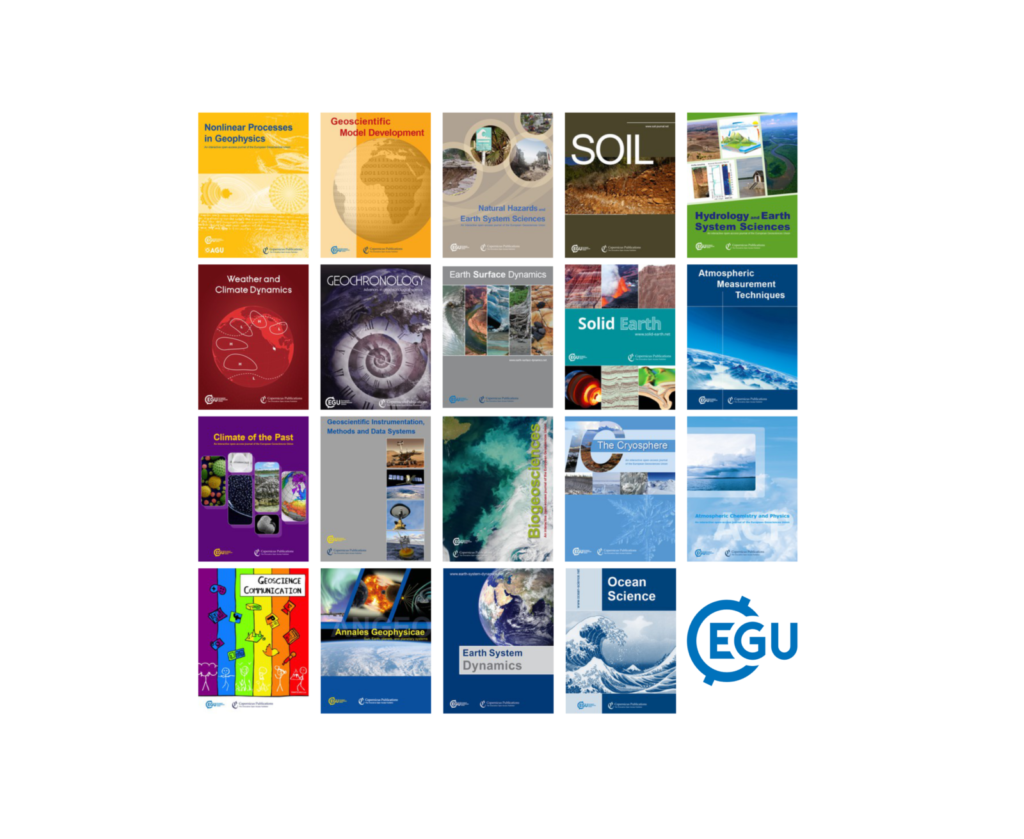
Each month we feature specific Divisions of EGU and during the monthly GeoRoundup we put the journals that publish science from those Divisions at the top of the Highlights section. During this month, we are featuring Ocean Science and Nonlinear Processes. They are represented by the journals Nonlinear Processes in Geophysics (NPG), Weather and Climate Dynamics (WCD), Ocean Science (OS), and Geosc ...[Read More]
Can seabed mapping help restore our blue planet?
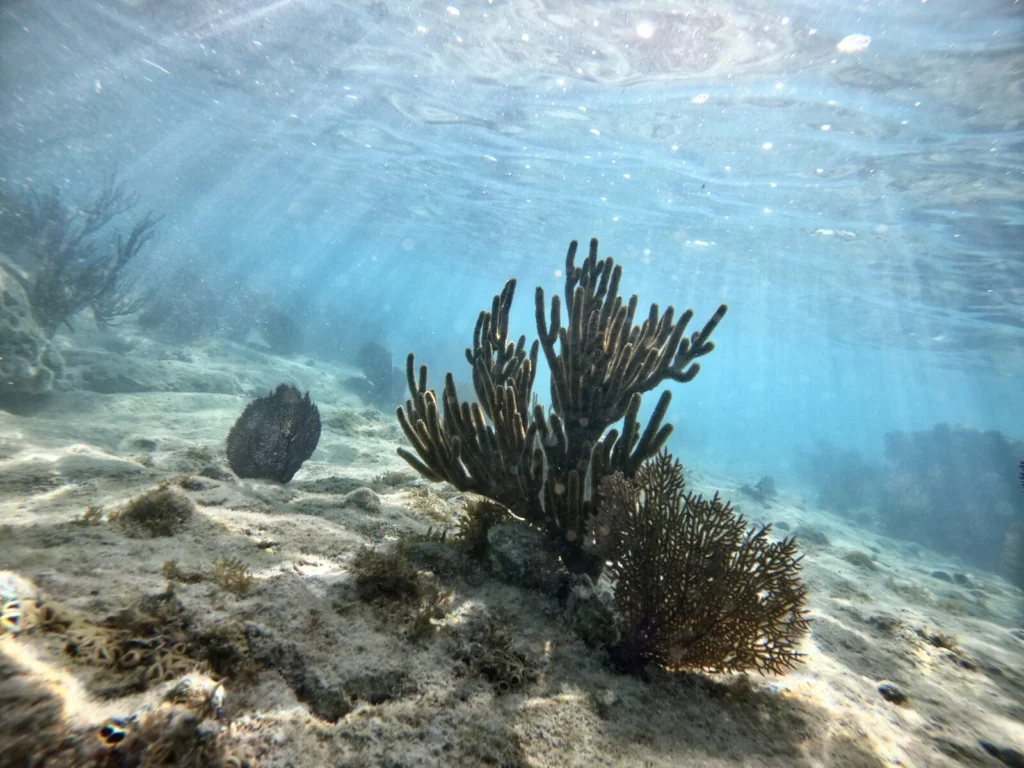
Some humans are racing to map the moon, Mars, and the stars, yet the very ground beneath our oceans remains largely unknown. What does it say about us, that we can chart the craters of distant planets before we bother to understand the seafloor that feeds us, cools us, and regulates our climate? In an age of climate breakdown, ecological collapse, and blue economy buzzwords, the seabed has become ...[Read More]
Surf’s up and so are marine heatwaves! How AI is forewarning the Mediterranean’s ocean sizzle
Imagine you’re standing on a rocky Mediterranean shore, early morning sun warming the air, the sea is calm and glassy. But away from sight and beneath that serene surface, there is a silent storm brewing. Marine heatwaves are sweeping across the basin, warming the water in ways that disrupt ecosystems, hit fisheries, and threaten everything from coral reefs to coastal livelihoods. That’s whe ...[Read More]
Queer Quarterly: LGBTQIA+ Inclusion during fieldwork
It’s pride month and we are delighted to feature a post on queer inclusion in fieldwork written by members of EGU’s pride group. Queer Quarterly is the blog series of the EGU pride group, an LGBTQIA+ team of geoscientists engaged to uphold and improve the rights of the community at EGU. This quarterly post is based on the EGU Webinar Uneven Ground 2 on improving fieldwork accessibility ...[Read More]
Urban resilience in the age of energy interdependence: Lessons from the 2025 Iberian blackout
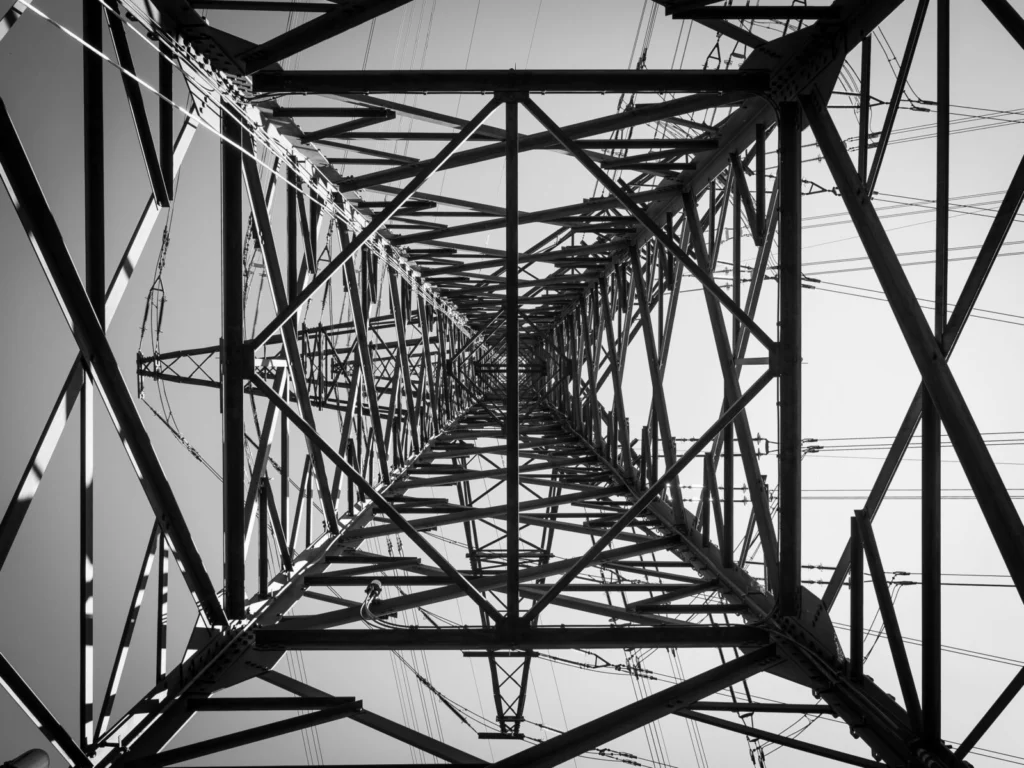
On April 28, 2025, the Iberian Peninsula experienced an unprecedented power outage that plunged Spain and Portugal into darkness for hours. This large-scale blackout disrupted daily life for millions and exposed the vulnerabilities inherent in contemporary energy infrastructures. It also highlighted the critical importance of cross-border energy cooperation in mitigating such crises. In a striking ...[Read More]
GeoRoundup: the highlights of EGU Journals published during May!
Each month we feature specific Divisions of EGU and during the monthly GeoRoundup we put the journals that publish science from those Divisions at the top of the Highlights section. During this month, we are not featuring any particular divisions, but instead share the publications of all EGU journals equally. Biogeosciences Cold-water coral mounds are effective carbon sinks in the western Mediter ...[Read More]
“Are you aug?” A strategic foresight into human enhancement, climate adaptation, and access disparities
The Geneva Science and Diplomacy Anticipator (GESDA) placed human augmentation on a 5–10 year timeline, identifying it as a key area where technological advancement could soon reshape societies. Their GESDA radar platform tracks over 500 emerging science breakthroughs including enhanced cognition, programmable biology, and climate-resilient bioengineering. The foresight is clear: we are entering a ...[Read More]
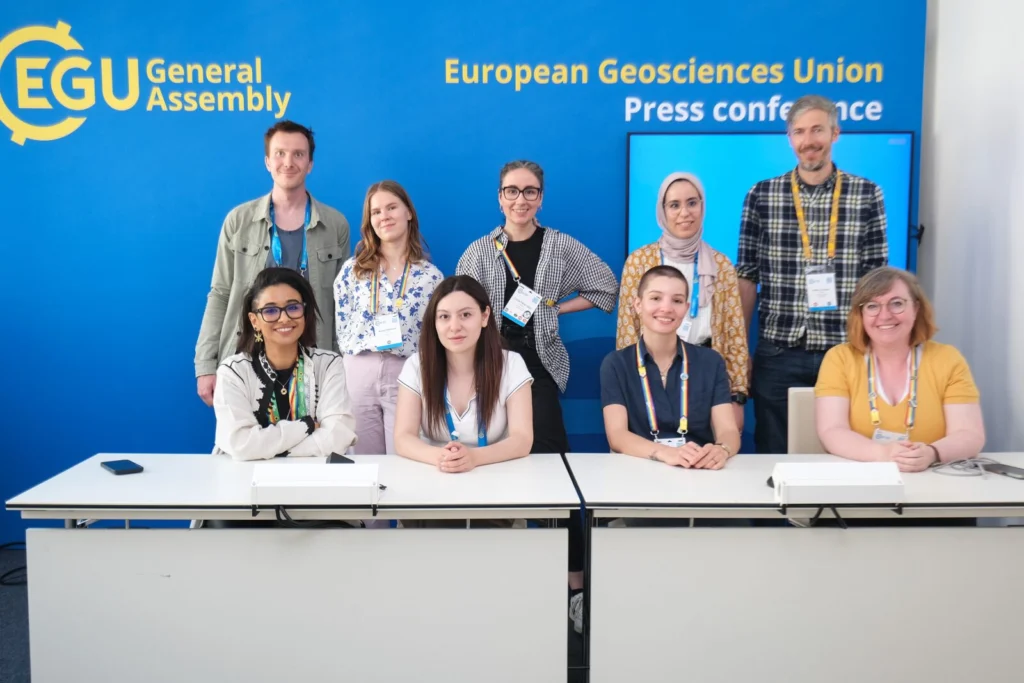
Behind the scenes: the EGU25 Press Centre
Every year, the European Geosciences Union (EGU) General Assembly transforms Vienna into a bustling hub of scientific discovery. Tens of thousands of scientists from around the world gather to present their latest research, but how do these discoveries reach the public? That’s where the EGU press centre comes in—a space where science meets storytelling, and complex research is translated into stor ...[Read More]