GeoLog
Avatar photo

Asmae Ourkiya

Asmae Ourkiya (They/Them) is the Media and Engagement Manager at EGU. They manage press releases, coordinate press participation and the press centre at the EGU General Assembly, and write and manage the EGU blogs. Asmae holds a Ph.D. in queer intersectional ecofeminism from MIC, University of Limerick in Ireland. Their research revolves around climate justice, and promotes inclusion and equality in climate governance.

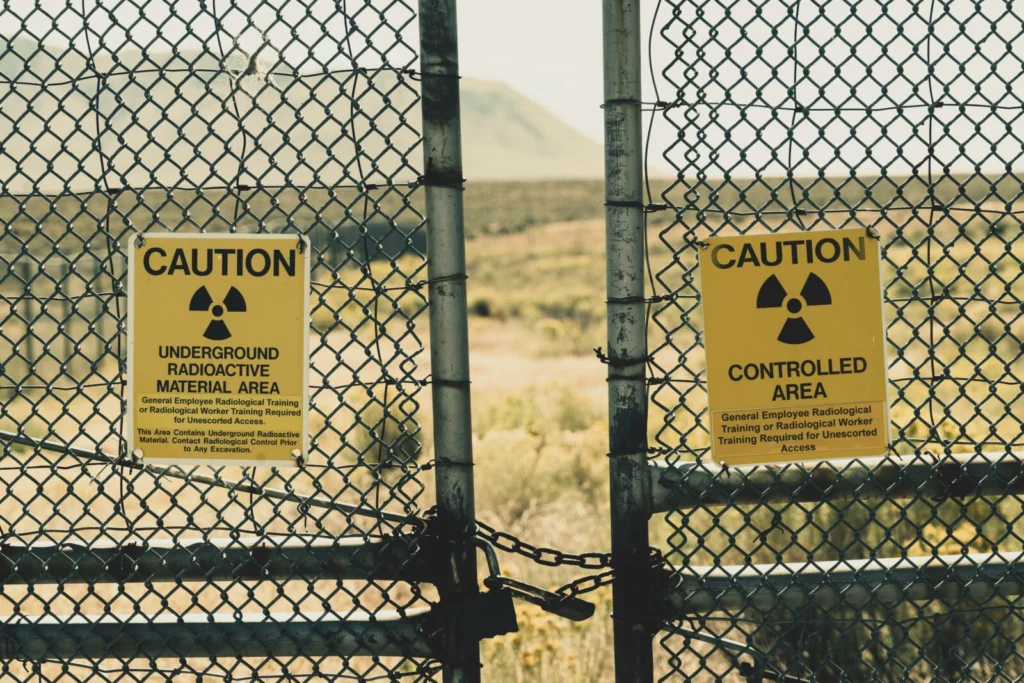
Earth Science Week: What can you do to celebrate energy resources for our future?

Earth Science Week:  What can you do to celebrate energy resources for our future?

As the air grows crisp and autumn’s colors begin to emerge in many parts of the Northern Hemisphere, I’m reminded that we’re approaching a special time of year for those of us who love the Earth. It’s Earth Science Week (12-18 October 2025), and this year, the theme Energy Resources for Our Future feels incredibly personal. Our lives are powered by energy, and this week is a chance to look a littl ...[Read More]

Is the climate crisis also a literacy crisis? Time to move from data dumping to co-creating knowledge with communities

Is the climate crisis also a literacy crisis? Time to move from data dumping to co-creating knowledge with communities

Today, September 8th, marks International Literacy Day with the theme “Promoting literacy in the digital era”, so it’s a moment to pause and consider the multifaceted nature of literacy. Beyond the foundational ability to read and write, literacy encompasses the capacity to comprehend, evaluate, and apply information within various contexts. It is this broader understanding of literacy ...[Read More]

GeoRoundup: the highlights of EGU Journals published during August!

GeoRoundup: the highlights of EGU Journals published during August!

Each month we feature specific Divisions of EGU and during the monthly GeoRoundup we put the journals that publish science from those Divisions at the top of the Highlights section. During this month, we are featuring Geochemistry, Mineralogy, Petrology & Volcanology (GMPV), Geodynamics (GD), and Stratigraphy, Sedimentology, and Palaeontology (SSP). They are represented by the journals Geoscie ...[Read More]

Sue the unconventional tyrant: 35 years of discovery, science, and icon status

Sue the unconventional tyrant: 35 years of discovery, science, and icon status

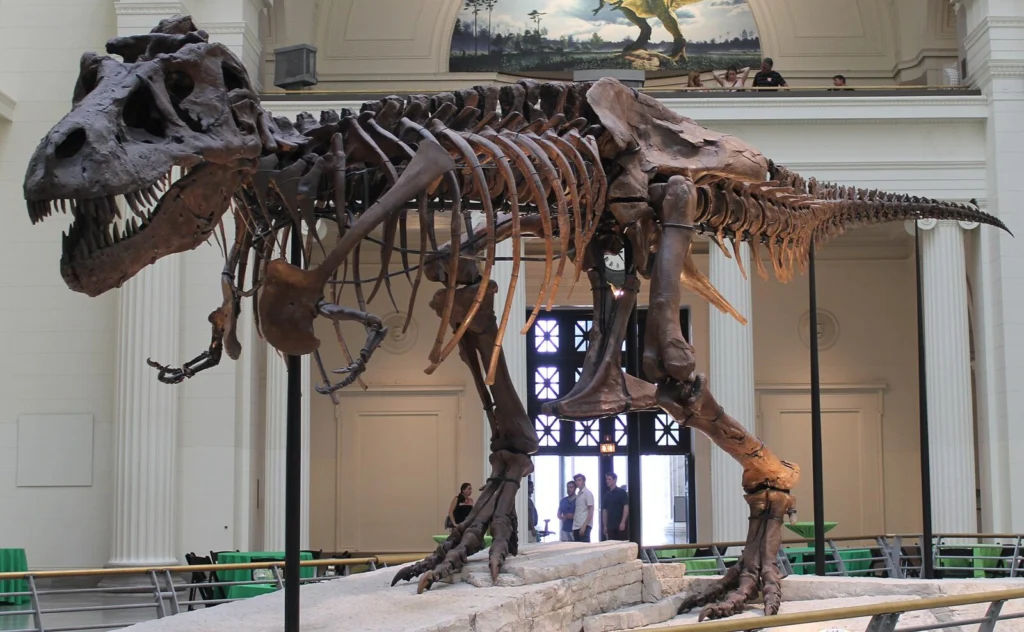
This year marks the 35th anniversary of a discovery that redefined our understanding of the Tyrannosaurus Rex and captivated the world. It’s a story of serendipity, fierce legal battles, groundbreaking science, and an unexpected journey into pop culture. Discovered in South Dakota in 1990 by fossil hunter Sue Hendrickson, Sue is not just any dinosaur skeleton; it is the largest and most complete T ...[Read More]

A leap of faith: Should we trust AI with a million-year problem?

A leap of faith: Should we trust AI with a million-year problem?

Artificial intelligence (AI) has been here a while, and it isn’t going anywhere, not any time soon. It has become an integral part of many lives and businesses. When I speak of AI, I am not referring to GenAI (generative AI) that writes your emails for you: Think about the algorithms that suggest what movie you should watch next, the voice assistant that adds milk to your shopping list, and ...[Read More]

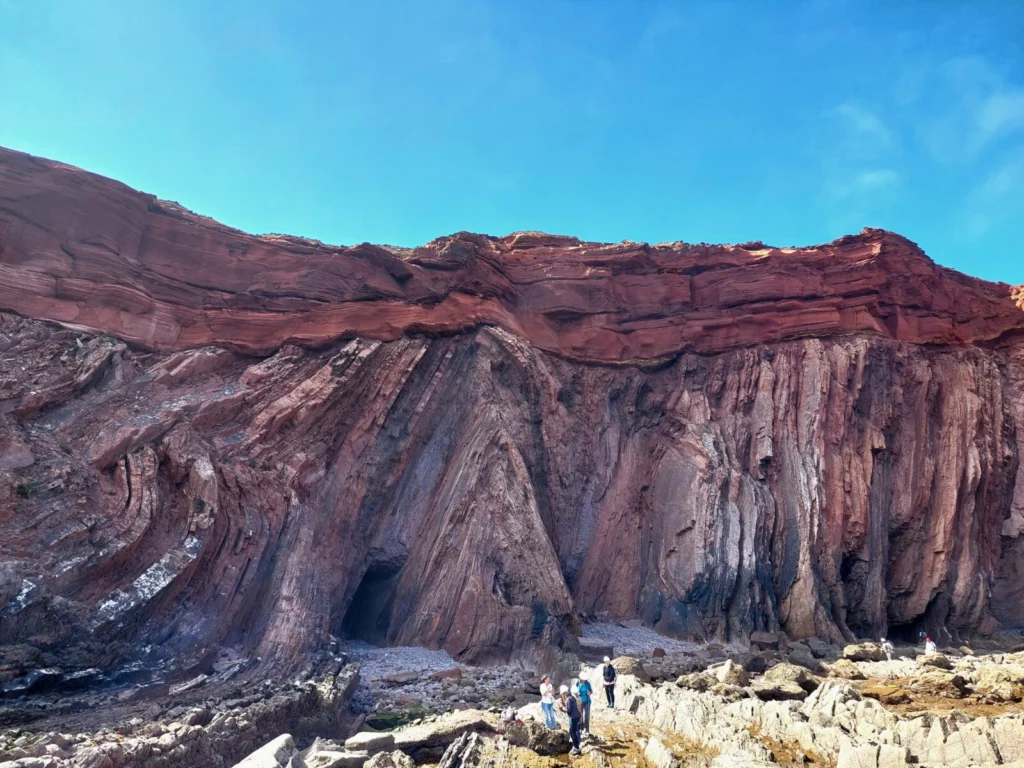
Where to next? A Geotourism guide to some of the World’s most epic landscapes

Where to next? A Geotourism guide to some of the World’s most epic landscapes

Geological tourism, or geotourism, offers a unique way to experience our planet’s incredible history and ongoing dynamic processes. Beyond simply admiring beautiful landscapes, geotourism invites us to understand the forces that shaped them, from ancient tectonic movements to the relentless power of erosion. Join us as we explore some remarkable geotourism destinations, each telling a compel ...[Read More]

GeoRoundup: the highlights of EGU Journals published during July!

GeoRoundup: the highlights of EGU Journals published during July!

Each month we feature specific Divisions of EGU and during the monthly GeoRoundup we put the journals that publish science from those Divisions at the top of the Highlights section. During this month, we are featuring Earth Magnetism & Rock Physics (EMRP), Geodesy (G), and Geomorphology (GM). They are represented by the journals Geoscientific Model Development (GMD), Solid Earth (SE), and Eart ...[Read More]

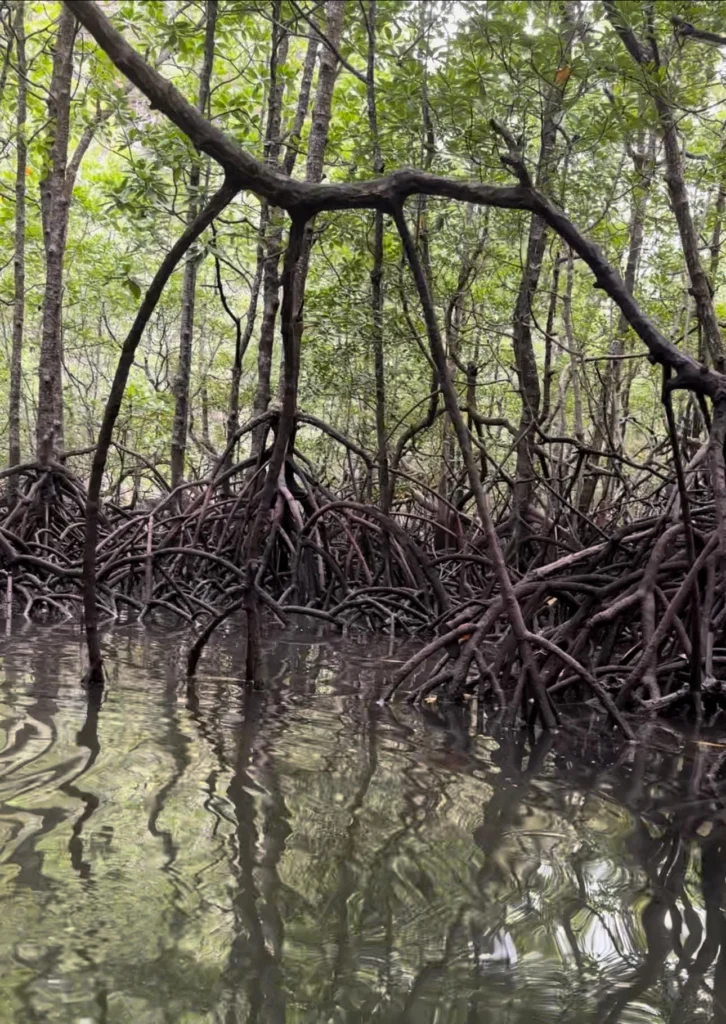
Mangroves: Our coastal guardians of soil, biodiversity, and climate

Mangroves: Our coastal guardians of soil, biodiversity, and climate

Mangrove forests, rare tidal woodlands at the interface of land and sea, are extraordinary ecosystems that bridge freshwater and marine environments. These forests support rich biodiversity and invaluable nursery habitat for fish and crustaceans, while also providing food, shelter, and cultural resources to millions of coastal communities. Think of mangroves as sea walls: their dense, prop-root ne ...[Read More]

Sixty years under the mountain: A geoscientific odyssey through the Mont Blanc tunnel

Sixty years under the mountain: A geoscientific odyssey through the Mont Blanc tunnel

On July 16, 1965, the Mont Blanc Tunnel, 11.611 km of tunnel piercing the heart of the Alps, opened to traffic, marking a triumph of engineering, geology, and international cooperation. Sixty years later, this civilian artery connecting Chamonix (France) and Courmayeur (Italy) stands not just as a testament to human inventiveness but as an ongoing marvel if viewed through a geoscientific lens. On ...[Read More]

The false narrative of over-population: why Malthus had it wrong when it comes to global resources

The false narrative of over-population: why Malthus had it wrong when it comes to global resources

Just like me, you may have, at some point in your life, come across Malthusian rhetoric: There are too many mouths to feed and not enough resources for a growing population. But what if the problem isn’t people, but an appetite for profit-driven extraction? In this blog, I peel back the myth of overpopulation and show how pinning ecological collapse on mere population numbers diverts attention fro ...[Read More]