Tinted detail of a photo: Aerial view of steep limestone mountain ridges whose pale rock layers are tilted almost vertical, with green grassy slopes between them, a deep shadowed valley and a building with a mast on the left summit.
TS
Tectonics and Structural Geology

Tectonics and Structural Geology

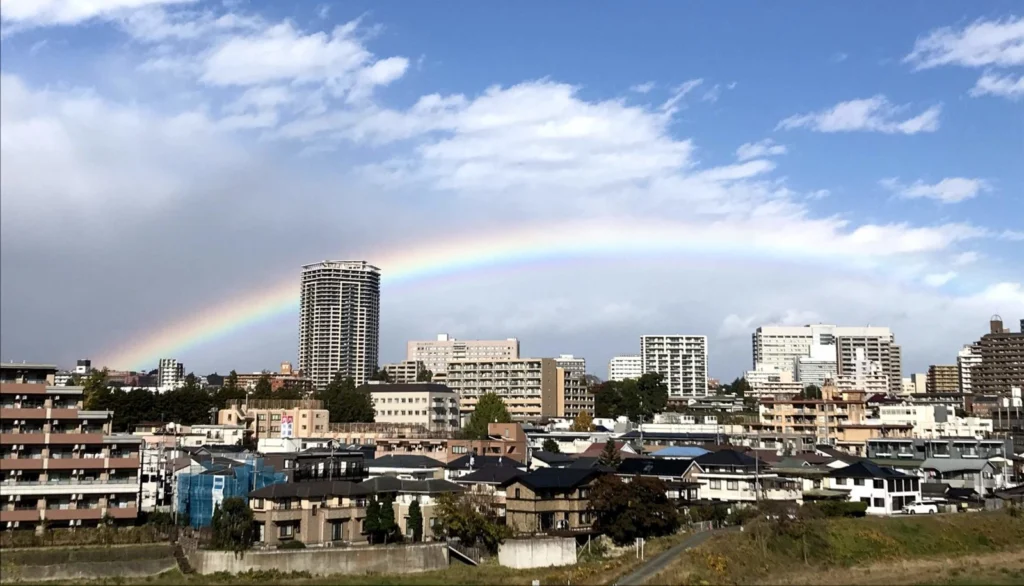
Sendai, living on the edge!

Sendai, living on the edge!

Sendai and its people live on the edge. The city and its citizens learned to live over a subduction zone. Sendai has survived 500 years of hazards; it is a resilient and industrious city. People know disaster will strike again, but also that they will rise up when it does. Japan, ‘the sunrise country’, would …[Read More]

Features from the field: Bedding/Stratification

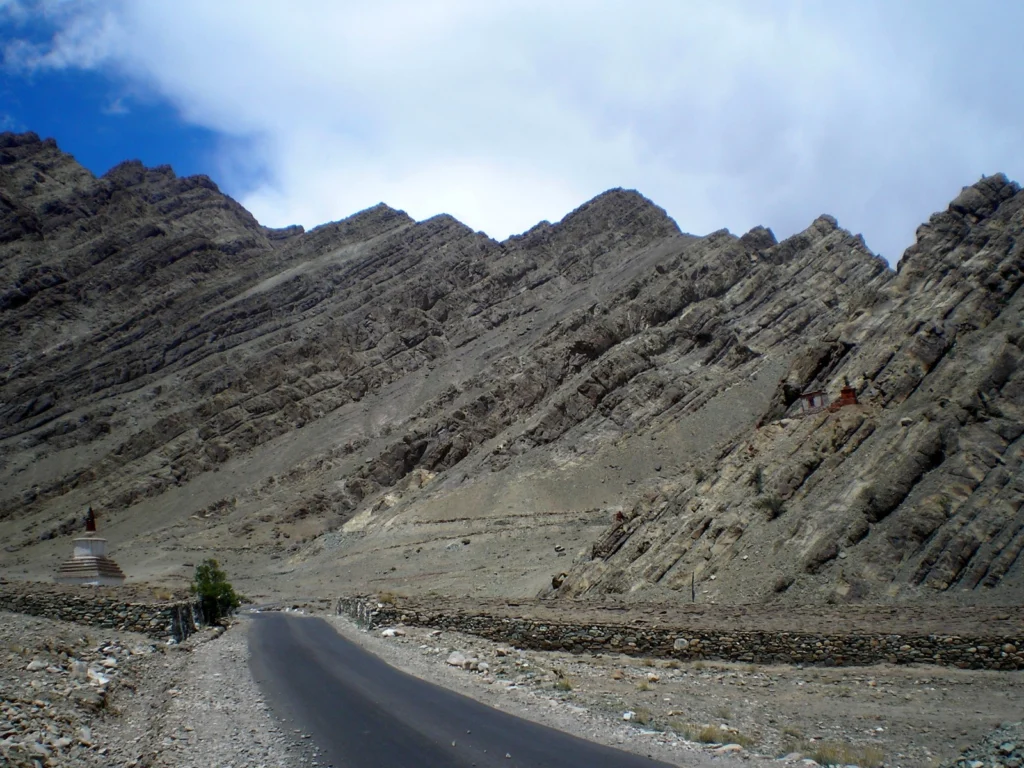
Features from the field: Bedding/Stratification

Bedding (also called stratification) is one of the most prominent features of sedimentary rocks, which are usually made up of ‘piles’ of layers (called ‘strata‘) of sediments deposited one on top of another. Every stratum is characterized by its own lithology (composition), sedimentary structures, grain size and fossil content that make it unique and different …[Read More]

Civita di Bagnoregio – the dying town

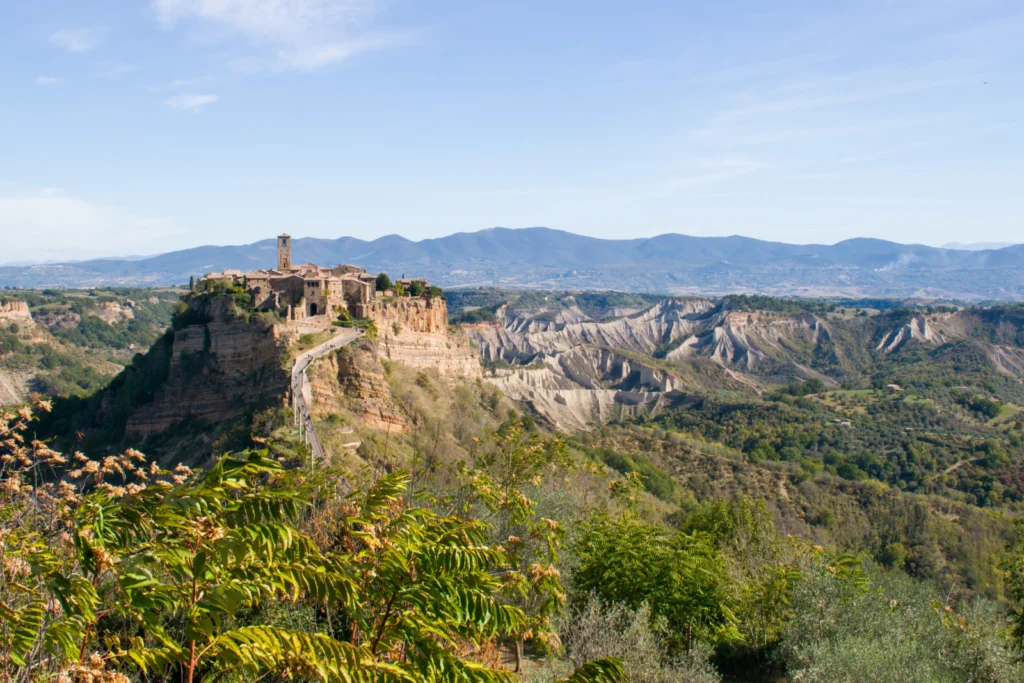
Civita di Bagnoregio – the dying town

On top of a steep cliff standing out from the surrounding countryside, lies the small town of Civita di Bagnoregio, one of the most famous villages of Italy. It is often called the dying town, although more recently people have started to refer to it as fighting to live. What this little town is fighting against is …[Read More]

Geothermal Energy and Structural Geology?

Geothermal Energy and Structural Geology?

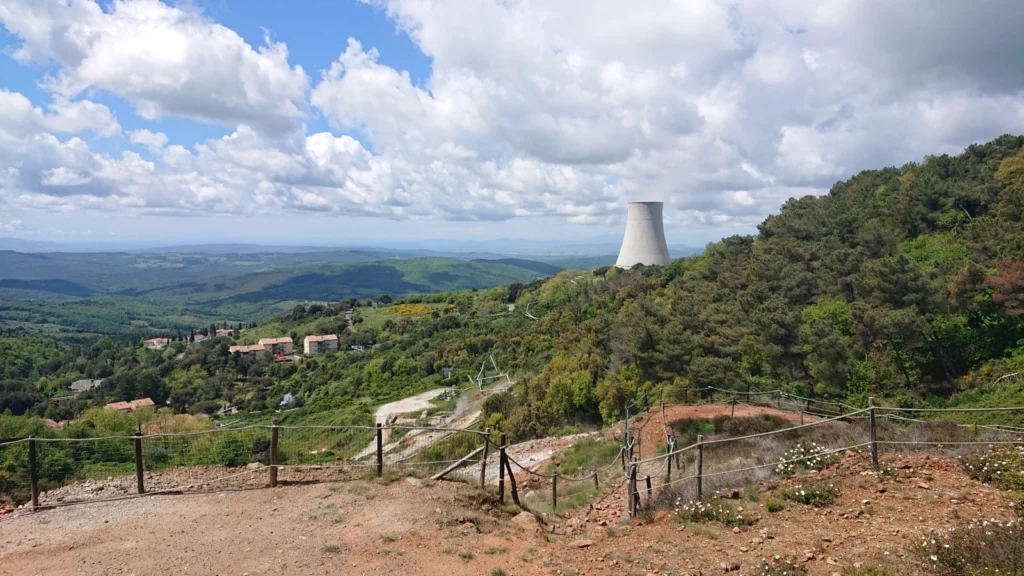
Fieldwork is a necessity to expand the brain, to kick-start 3D thinking. Field studies with a specific application in mind have – until now – usually been geared towards hydrocarbon reservoirs. However, with the increasing use of the subsurface, for example for CO2 storage and geothermal energy, alternative field studies gain importance. Here, we will …[Read More]

Trieste, where the word Karst originates

Trieste, where the word Karst originates

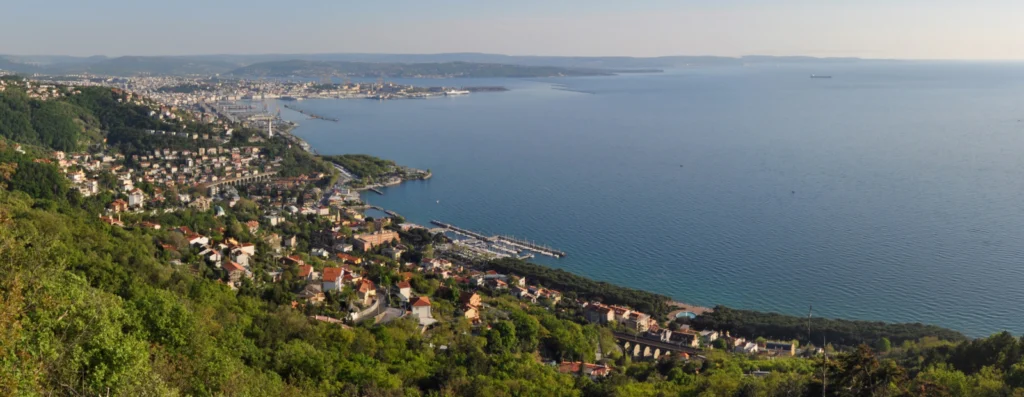
The city of Trieste lies in north-eastern Italy along the border with Slovenia. It is positioned at  the corner point between the Romance, Germanic and Slavic worlds and serves as an important seaport in the region. It is fascinating for both its history and geology. My relationship with Italy’s town of Science, as Trieste is …[Read More]

Features from the field: Ripple Marks

Features from the field: Ripple Marks

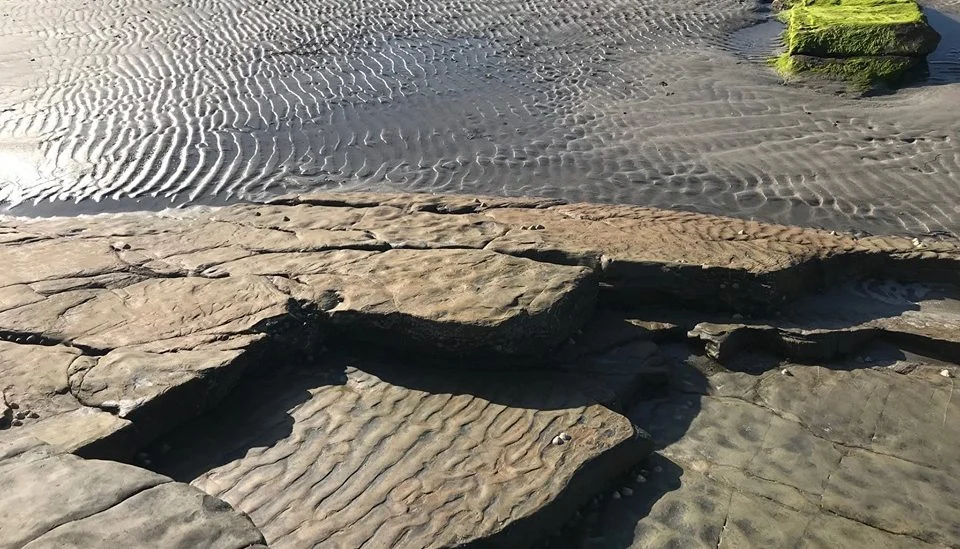
Earlier this year, Ian Kane, geologist at the University of Manchester, captured the iconic snapshot shown above. The picture reveals ripples, developed due to waves and currents in the sand of White Strand (near Killard, county Clare, Ireland) right next to Carboniferous sandstone that contains ‘petrified’ ripple marks! The image is powerful, because it shows …[Read More]

Beyond Tectonics: How the tectonic events of 1783 were perceived by the population of Europe

Beyond Tectonics: How the tectonic events of 1783 were perceived by the population of Europe

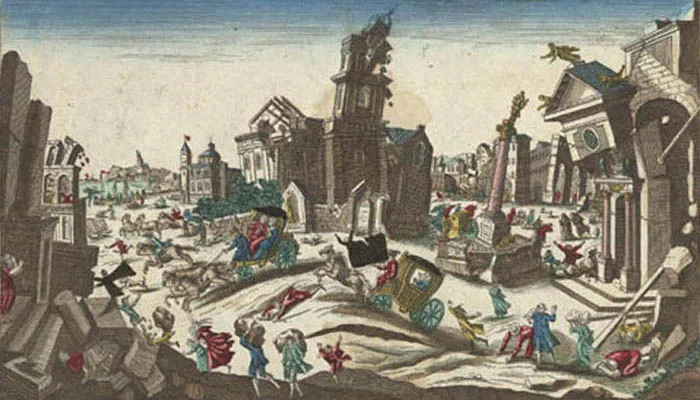
This edition of “Beyond Tectonics” is brought to you by Katrin Kleemann. Katrin is a doctoral candidate at the Rachel Carson Center/LMU Munich in Germany, she studies environmental history and geology. Her doctoral project investigates the Icelandic Laki fissure eruption of 1783 and its impacts on the northern hemisphere. “A Violent Revolution of Planet Earth” …[Read More]

Features from the field: Foliation

Features from the field: Foliation

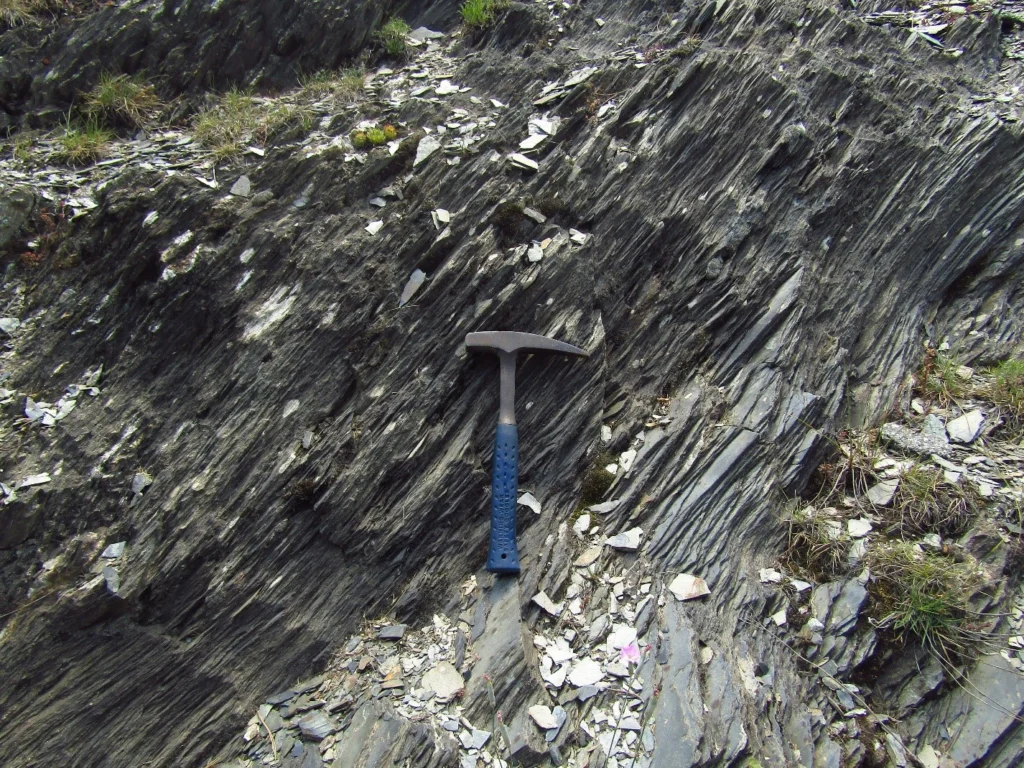
Have you ever walked on a mountain trail, passing past outcrops of rocks and noticed that many rocks appear to be split along a well-defined orientation? If you have, you might have seen one of the most important structures in metamorphic rocks – called foliation. The term ‘foliation’ derives from the Latin folium, meaning ‘leaf’. …[Read More]