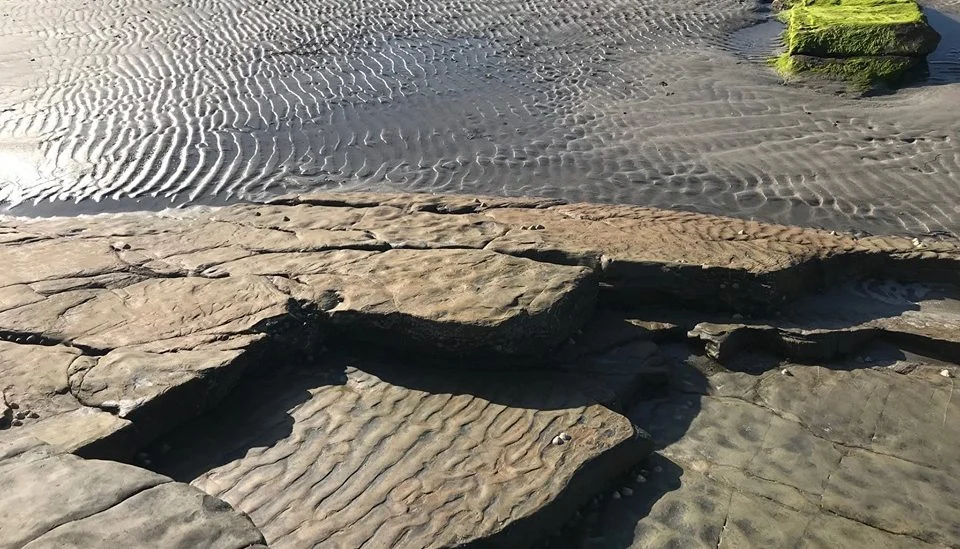
Earlier this year, Ian Kane, geologist at the University of Manchester, captured the iconic snapshot shown above. The picture reveals ripples, developed due to waves and currents in the sand of White Strand (near Killard, county Clare, Ireland) right next to Carboniferous sandstone that contains ‘petrified’ ripple marks! The image is powerful, because it shows …[Read More]
Features from the field
Features from the field: Foliation
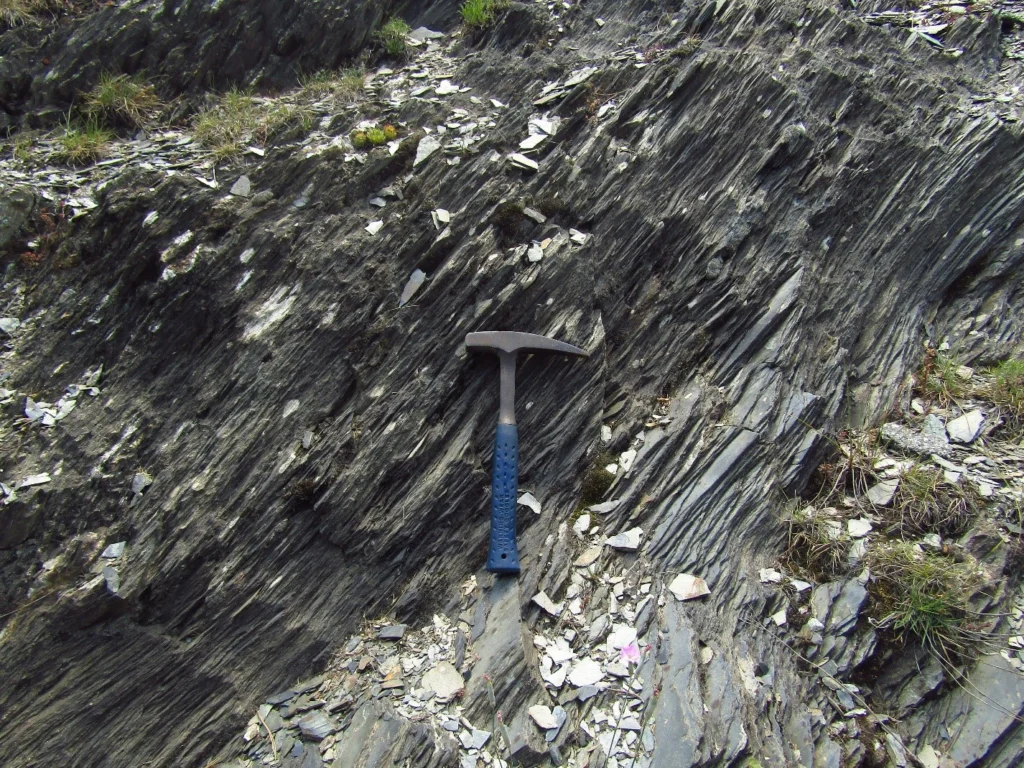
Have you ever walked on a mountain trail, passing past outcrops of rocks and noticed that many rocks appear to be split along a well-defined orientation? If you have, you might have seen one of the most important structures in metamorphic rocks – called foliation. The term ‘foliation’ derives from the Latin folium, meaning ‘leaf’. …[Read More]
Features from the field: Boudinage
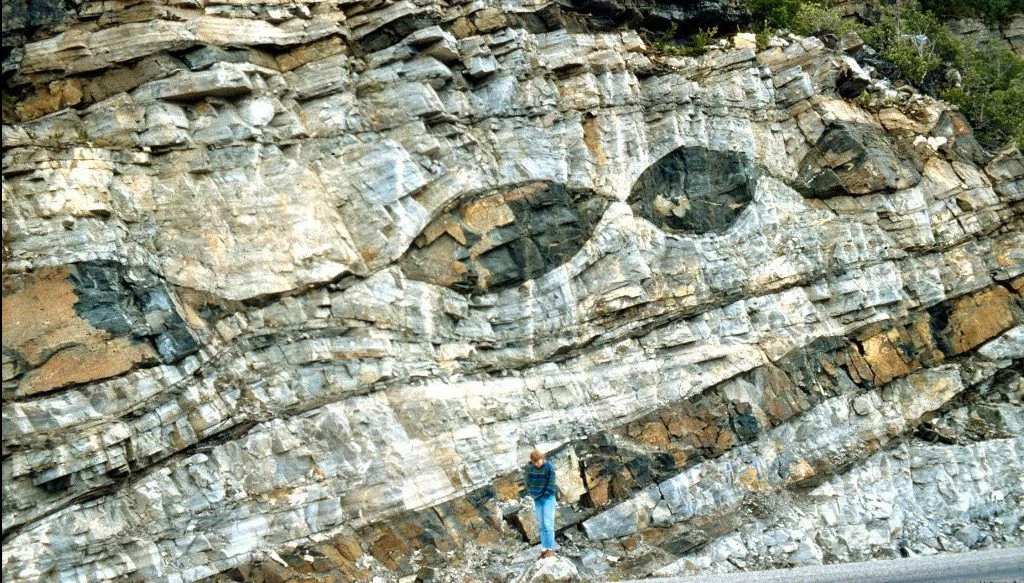
The Features from the Field series is back! In our previous posts, we have shown how rocks can deform during ductile deformation, producing folds. Folds very commonly develop in rocks when rock layers are shortened by tectonic forces in a specific direction. On the other hand, when layers are extended, we develop boudins. Boudins – …[Read More]
Features from the field: Folding
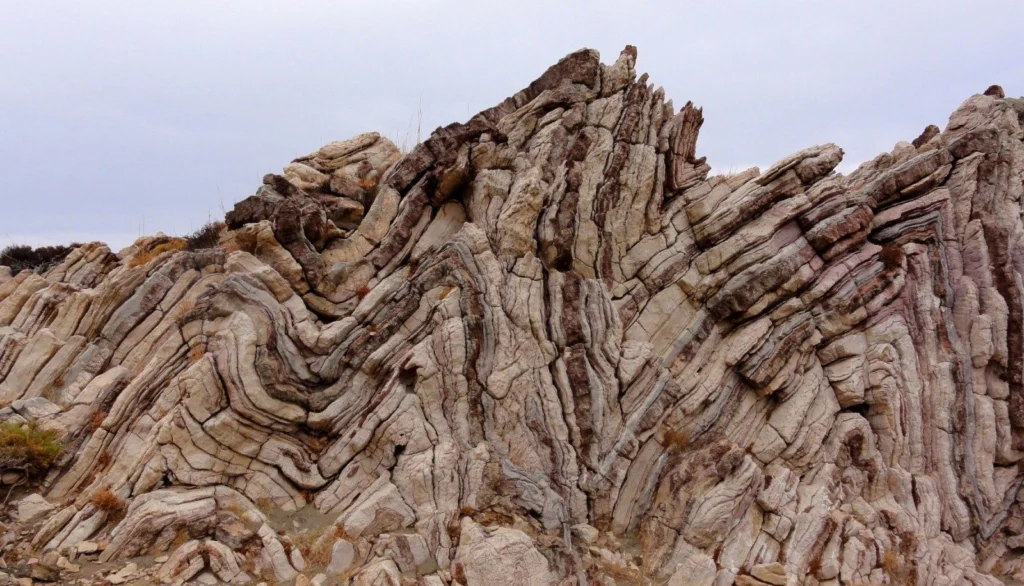
Folding is one of the most common geologic phenomena in the world. I should start with defining the term ‘deformation’ in order to understand the folding process better. In geology, deformation is an alteration of the size or shape of rocks. Deformation is caused by stress, the scientific term for force applied to a certain …[Read More]
Features from the field: Strike Slip Faults Classification
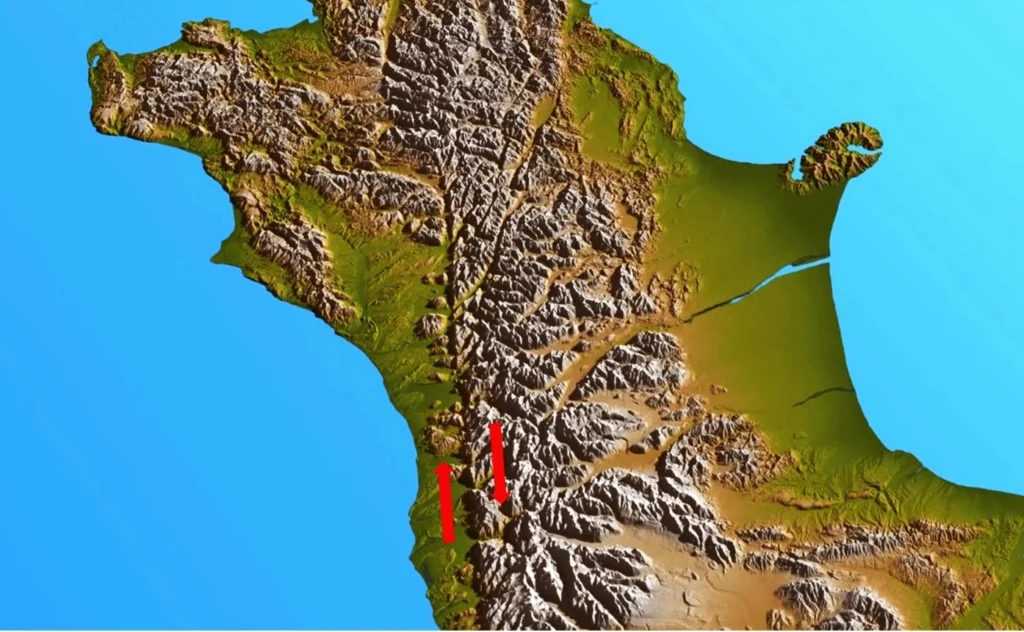
A strike slip faults is a fault on which most of the movement is parallel to the fault strike (Bates and Jackson, 1987). The term ‘wrench fault’ is also popularized in some researchers. Sylvester (1988) suggest not using wrench fault term for defining strike slip fault as general term because wrench fault was defined by …[Read More]
Features from the field: Growth Faults
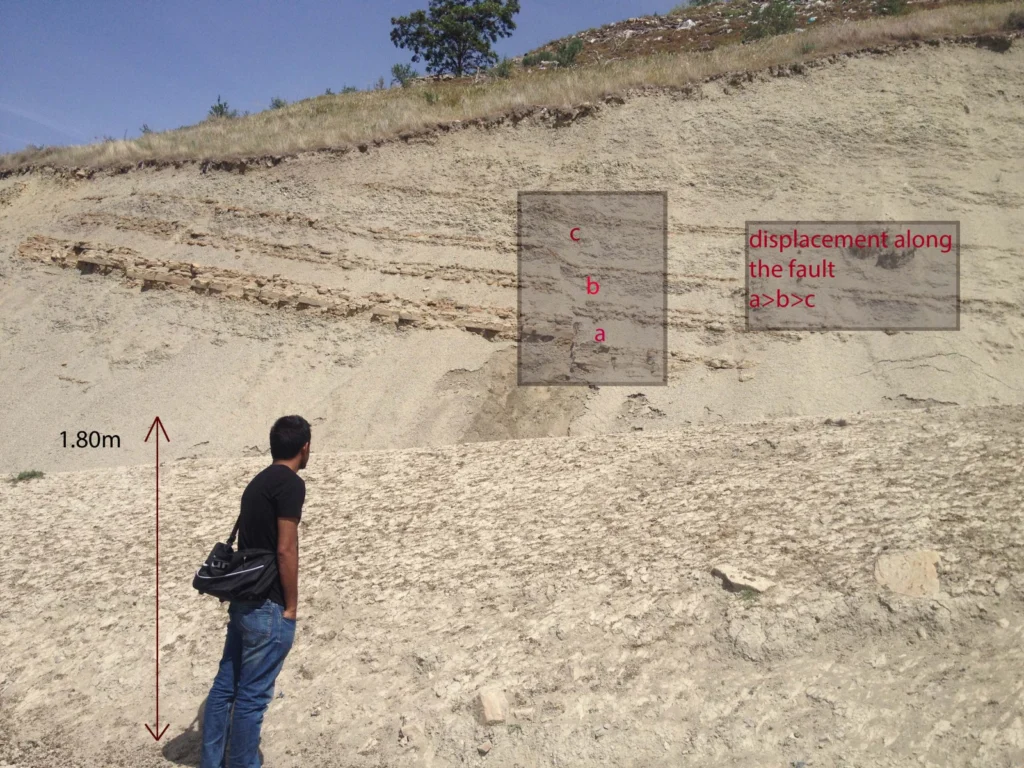
Growth faults are syndepositional or syn-sedimentary extensional faults. Growth faults develop when sediments are being deposited, are key elements in understanding deformation processes. Indeed, successively deposited sedimentary layers are involved in the different stages of the growth of the structure and produce a record of the deformation history. Their fault plane dips mostly toward the …[Read More]
Features from the field: Soft Sediment Structures
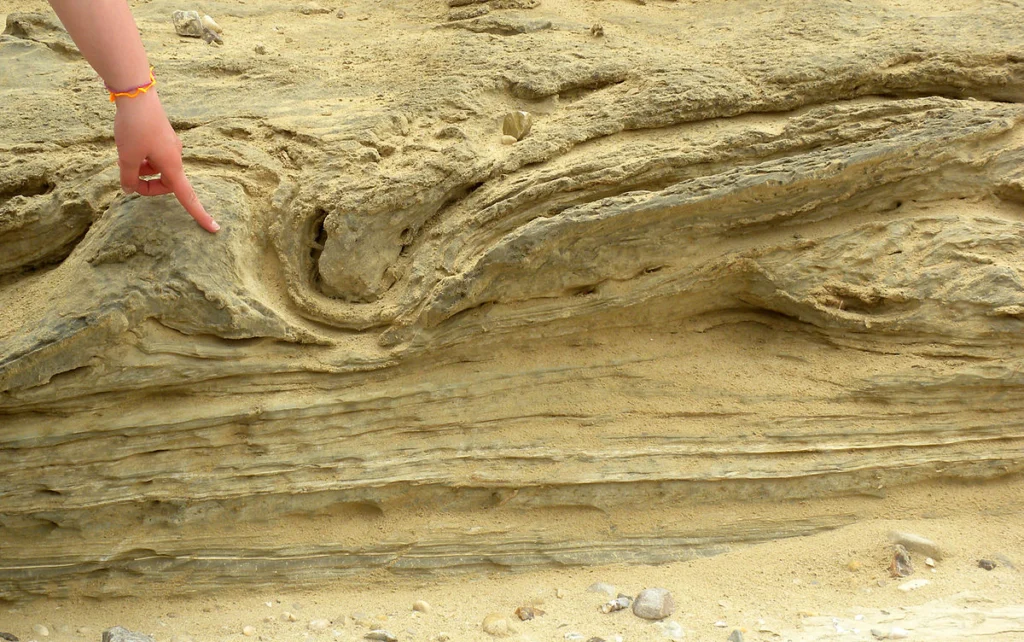
Today’s topic in Features of the Field is the well-known soft-sediment deformation; one of the most common phenomena which develop during, or shortly after deposition. The sediments; for this reason, need to be “liquid-like” or unsolidified for the deformation to occur. The most common places for soft-sediment deformations to form are deep water basins with …[Read More]
Features from the field: Slickenside Lineations
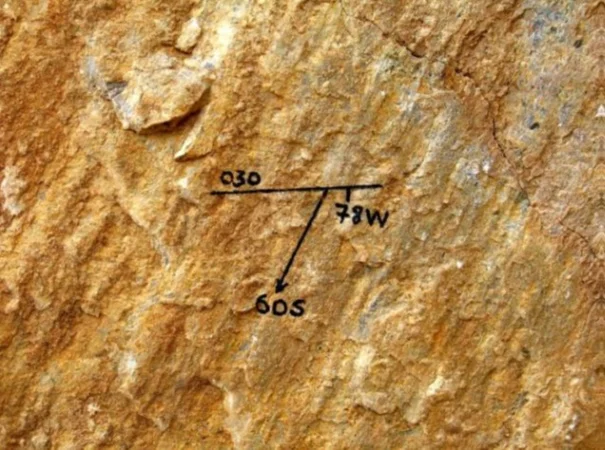
In this Tectonics and Structural Geology blog we will use different categories for our blog-posts. The first category we present to you is all about field geology: “Features from the field”. One of our bloggers, Mehmet Köküm, spends a lot of time in the field for his PhD and will share some of the features …[Read More]