SM
Seismology

Uncategorized

Article submission and resubmission

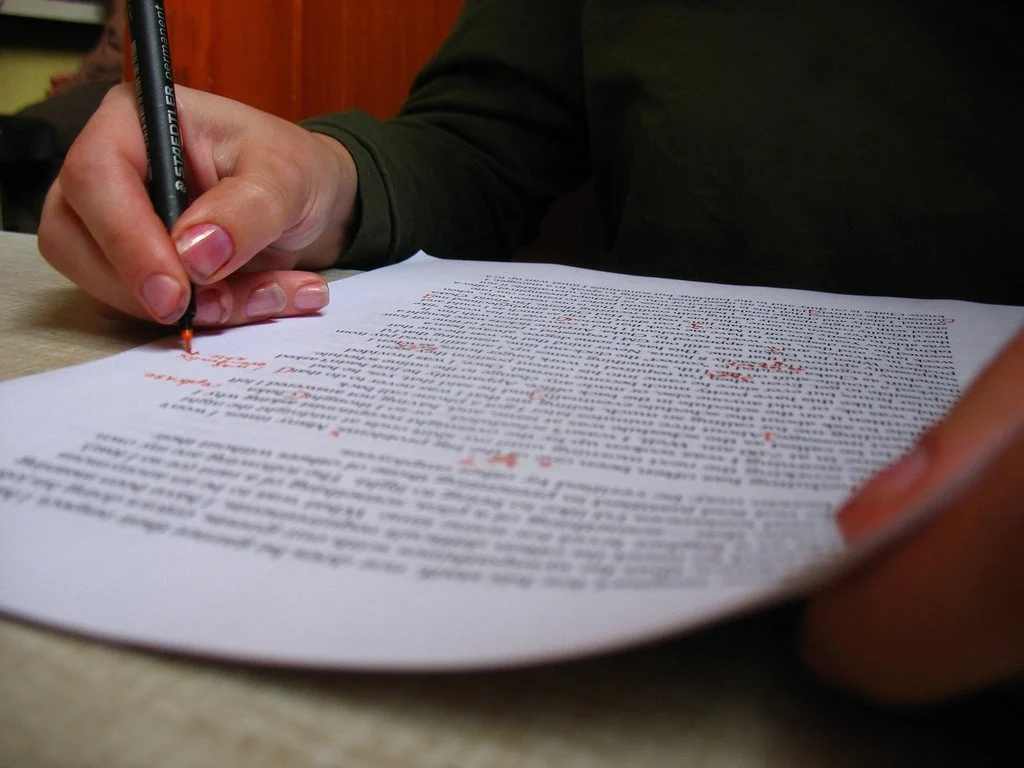
Preparing an article for submission. Stock photo from www.flickr.com.

Guest writer Kathrin Spieker is back with her thoughts and experience about how to improve writing skills specifically aimed for publishing in scientific journals. This post is part of a series. Kathrin is a young seismologist who has recently started publishing her own research as part of her PhD study. In a previous post (The publication circle) …[Read More]

Listen to the … massive black hole merger song!

Listen to the … massive black hole merger song!

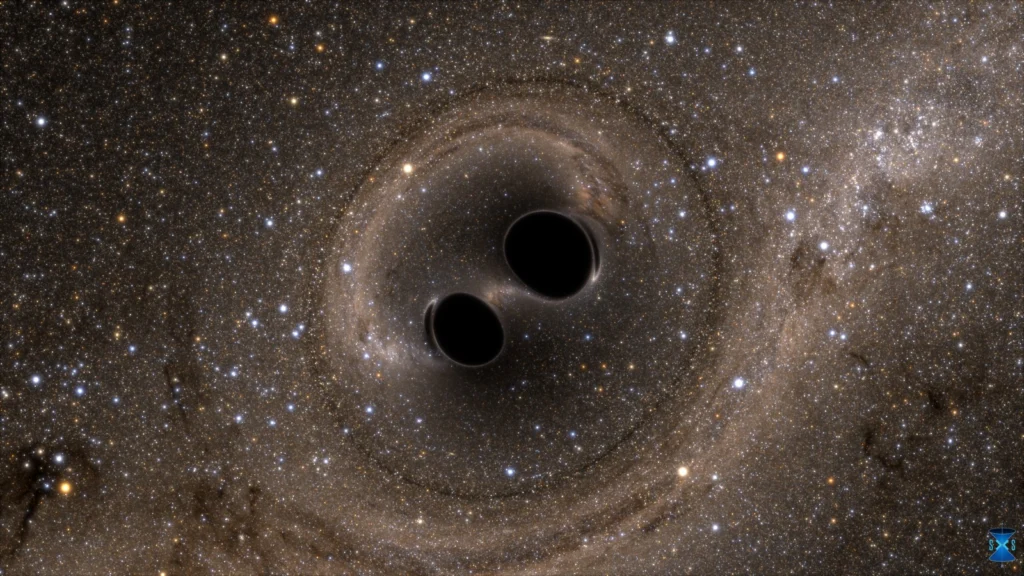
I bet you were every bit as excited as me about the recent announcement of the detection of gravitational waves at two locations of the Laser Interferometer Gravitational-Wave Observatory LIGO*. These waves were sent out to space-time by the merger of two black holes. Call me a nerd, but after reading the news I soon started …[Read More]

Announcement: Seismology Workshop at EGU General Assembly

Title: The Art of Science Time: Thursday, April 21, 2016; 13:30 – 15:00  Location: EGU conference center, Room -2.61 or -2.85 (in the basement) Description: This is a workshop for professionals wishing to perfect the practical skills needed for a successful research career. In the workshop we will choose topics from the following list: choosing …[Read More]

Bulgarian seismologists deploy seismic station in Antarctica

This week we caught up with Gergana Georgieva, an early career seismologist working at the Department of Meteorology and Geophysics, Sofia University. Gergana is an assistant professor, and a board member of the Bulgarian Geophysical Society. The team she is working in from Bulgarian Academy of Sciences and Sofia University has recently been awarded funding …[Read More]

Icequakes! Stick-Slip motion under Western Greenland

Check out this very interesting read about Icequakes, available at the Cryospheric Sciences blog page. Cryosphere is the frozen water part of the Earth system, which includes ice that is found in the ocean, such as waters surrounding Antarctica and the Arctic. Read here: Cryospheric Sciences | Image of the Week: Icequakes! Stick-Slip motion under Western Greenland

Consider this: Take your career one step further

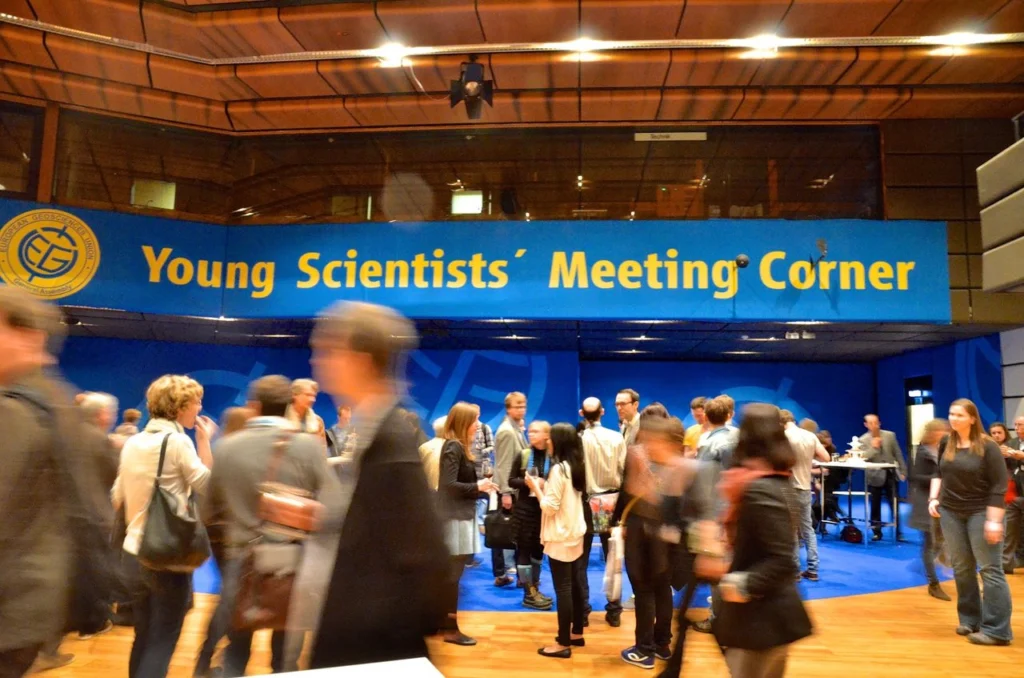
Young scientists meeting corner at EGU General Assembly

Early Career Scientist representative for the Seismology Division Why not take your career one step further? The Seismology Division within the European Geosciences Union is looking for an enthusiastic person to take the role of Early Career Scientist representative for the young generation of seismologists. Making awesome science is very important, but the scientific community …[Read More]

The publication circle

Stock photo from: https://www.pexels.com

In this and upcoming posts guest writer Kathrin Spieker will share her thoughts and experience about how to improve writing skills specifically aimed for publishing in scientific journals. Kathrin is a young seismologist who has recently started publishing her research as part of her PhD study. In this little series, I will talk about the …[Read More]

Listen to the hum

Listen to the hum

A new global S-wave model has recently been published in Geophysical Journal International. While this sounds exciting enough to tomographers and geodynamicists, this model has been constructed in a rather avant-garde way, too. It is one out of only two global tomographic models ever to be made based on the Earth’s background oscillations, that is long-periodic …[Read More]

Goodnight, sleep tight.

Is this concept bed taking earthquake-safety to the next level? The fact is that an earthquake can happen at any time of day. Unfortunately, the reality is that many die trapped under the rubble of their own homes. The featured beds (shown here via YouTube) show various earthquake-proof bed designs. The beds have strong metal …[Read More]

Peer review: Single-, double-blind, or open discussion

Public, blind, or not so blind review process. Image credit: https://www.flickr.com/photos/ajc1/

Within the scientific community, it is common practice that the peer-review process for a submitted article to a journal is kept anonymous. That is, only the journal Editor selects (and knows) who the referees are, usually three. This is also known as single-blind review. One of the main reason behind this custom is to allow the referees give genuine …[Read More]