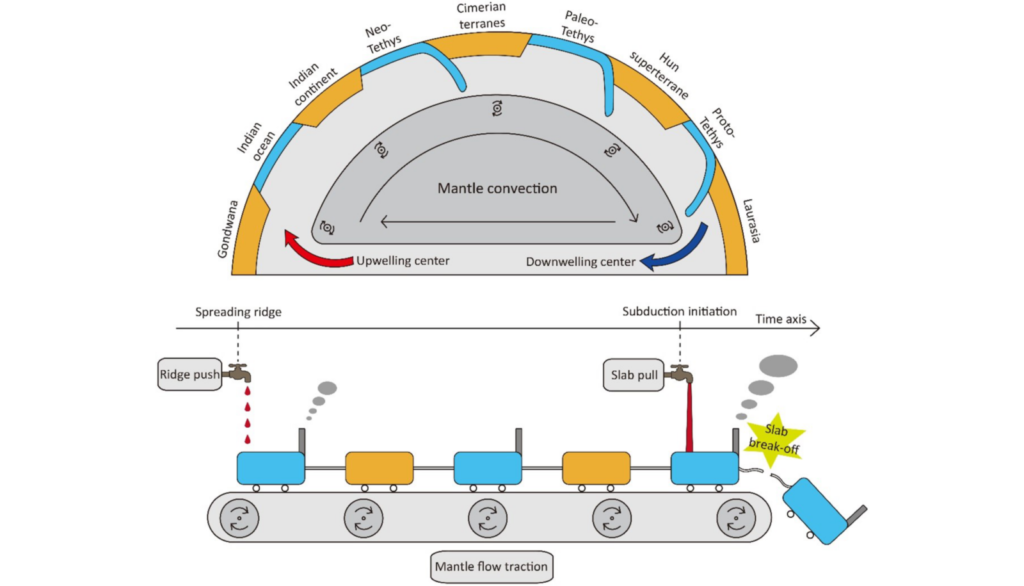
The highest mountain range in the Alps in the Western Europe, the towering peaks of the Himalayas in Asia, and ~1/3 world crude oil production in the middle east – what brings these remarkable nature gift together? The answer is Tethyan orogenic belt, which spans across the entire Eurasian continent. This week, we are privileged …[Read More]
Division blogs
Natural Hazards
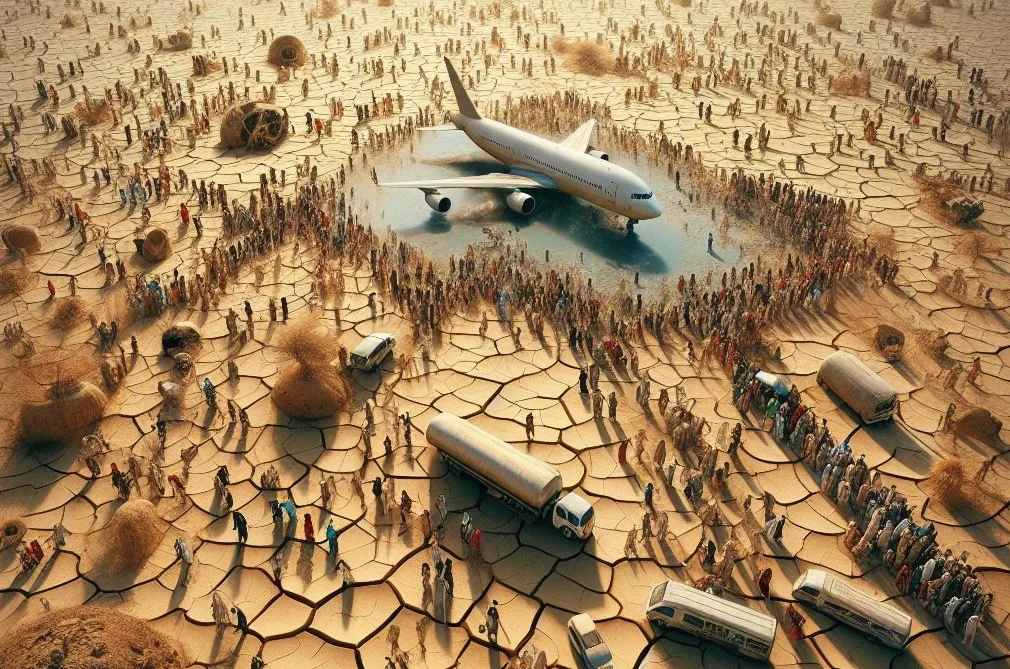
Environmental (non-)migration: Whose security is at stake?
Migration is commonly perceived as a strategic response to address the repercussions of environmental threats and climate change. The International Organization for Migration defines ‘environmental migrants’ as those individuals who alter their place of residence due to a sudden or progressive change in the environment that adversely affects their lives or living conditions. Conversely, those …[Read More]
Geomorphology
A conversation with Fiona Clubb, GM Division Outstanding Early Career Scientist Awardee
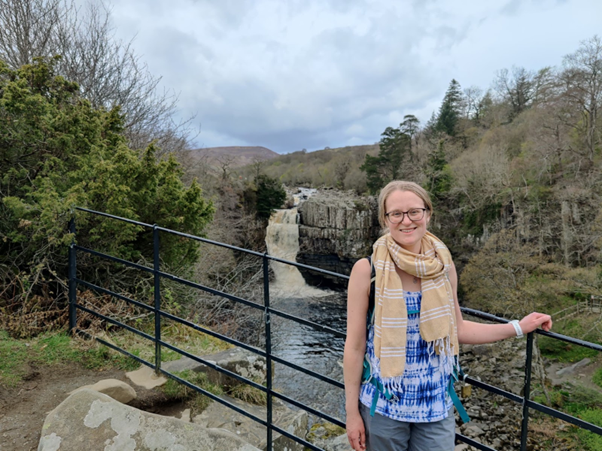
Recently, EGU announced the 2024 medals and awards to be presented at the General Assembly in April, and the winner of the Geomorphology Division Outstanding Early Career Scientist Award is Fiona Clubb, Assistant Professor in Earth Surface Processes at Durham University. Fiona is geomorphologist interested in interactions between tectonics, climate, and surface process shape …[Read More]
Stratigraphy, Sedimentology and Palaeontology
The Geology of Wine
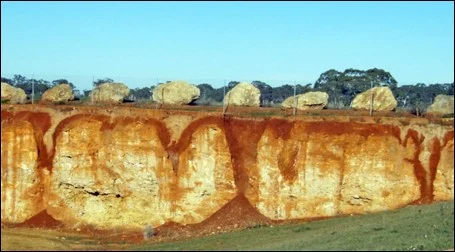
I am sure that there are many geologists who take a keen interest in wine, and not just in drinking it. Explaining the vast diversity of quality, flavours and aromas is no simple task, and what fascinates me is the relative role of the geology, and the associated soils, in determining which vineyards are winners …[Read More]
Geodynamics
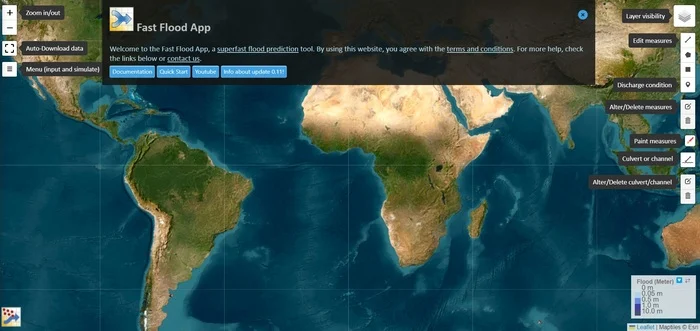
Can we predict floods accurately, fast and everywhere?
The impact of climate change has already and will continue to cause frequent flooding episodes all over the world, with devastating consequences not only for our society but for our natural habitat as well, should we not take immediate action. Therefore, have you ever wondered, what would happen if there was an effective flood modelling …[Read More]
Geodesy
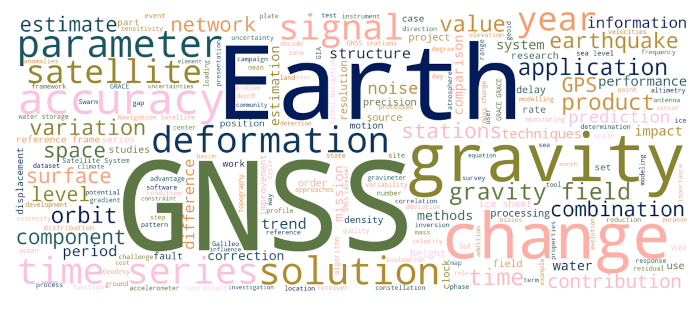
Geodesy Division Year In Review 2023
Hi EGU Community! We hope that you had some rest during the holidays and are ready for this new year ahead! With the first blog post of 2024, we want to look back at what happened in the G Division during the last year and give an outlook on what you can expect for the …[Read More]
Geochemistry, Mineralogy, Petrology & Volcanology
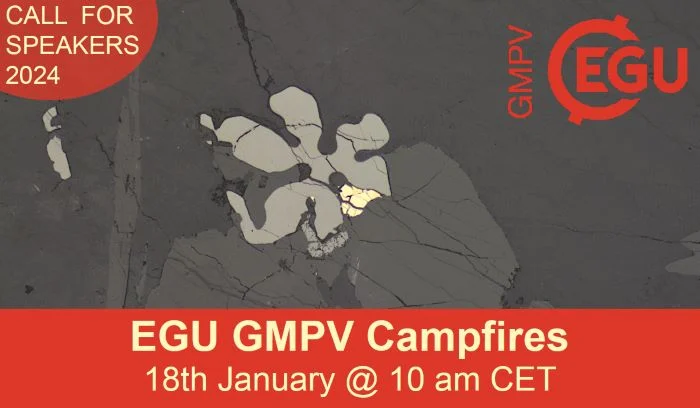
EGU GMPV ECS Campfires – Thursday 18th January 10am CET
Welcome to 2024, we hope you all had some nice and relaxing holidays! In the meantime we have prepared the first edition of the Geochemistry, Mineralogy, Petrology and Volcanology division’s ECS talks – the Campfires – of the new year, which will take place on Thursday 18th January at 10am CET on Zoom. This edition …[Read More]
Seismology
Hydro-Seismology: New perspectives on the water cycle in the context of climate change.
With this article, authors Richard Kramer, Charlotte Bruland, Laura Ermert, Yang Lu and Steffen Birk would like to draw your attention to an exciting topic and their EGU 24 session Hydro-Seismology: seismic insights into Water Resources in the context of climate change! Critical Resource – The water cycle under the influence of the climate …[Read More]
Seismology
Rotational seismology in short
Always wanted to know the basics of rotational seismology? Follow us into this short blogpost written by our ECS team member Andreas Brotzer. Let’s spin it … or rather rotate it. Most of us enjoy a good spin on a carousel or rollercoaster. Well, we are actually doing this permanently since we live on a …[Read More]
Geodesy
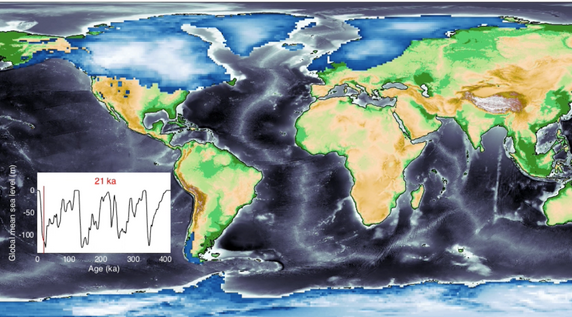
Calculating postglacial sea-level change within few seconds: a statistical emulator for GIA
Sea-level change serves as a direct indicator of climate change with profound implications for coastal areas. Since 1900, the global mean sea level (GMSL) has risen over 20 cm, leading to beach erosion, delta inundation, and increased flooding worldwide. Over glacial cycles spanning tens of thousands of years, interactions between ocean and continental-scale ice sheets …[Read More]