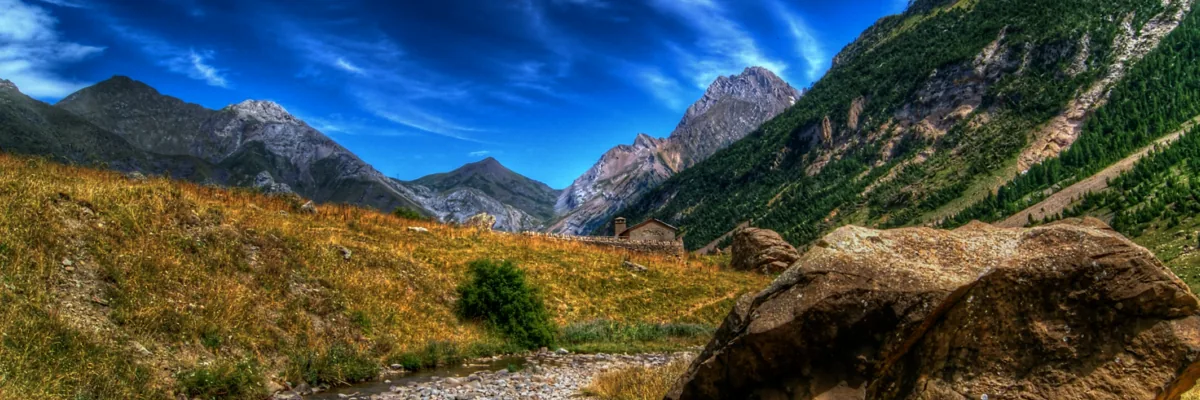
Detail of a photo: Large angular boulder beside a shallow pebbly stream in a grassy mountain valley, below steep forested slopes and rocky peaks under a dramatic blue sky, in heavily processed colours.
EGU Blogs

Division blogs

GD

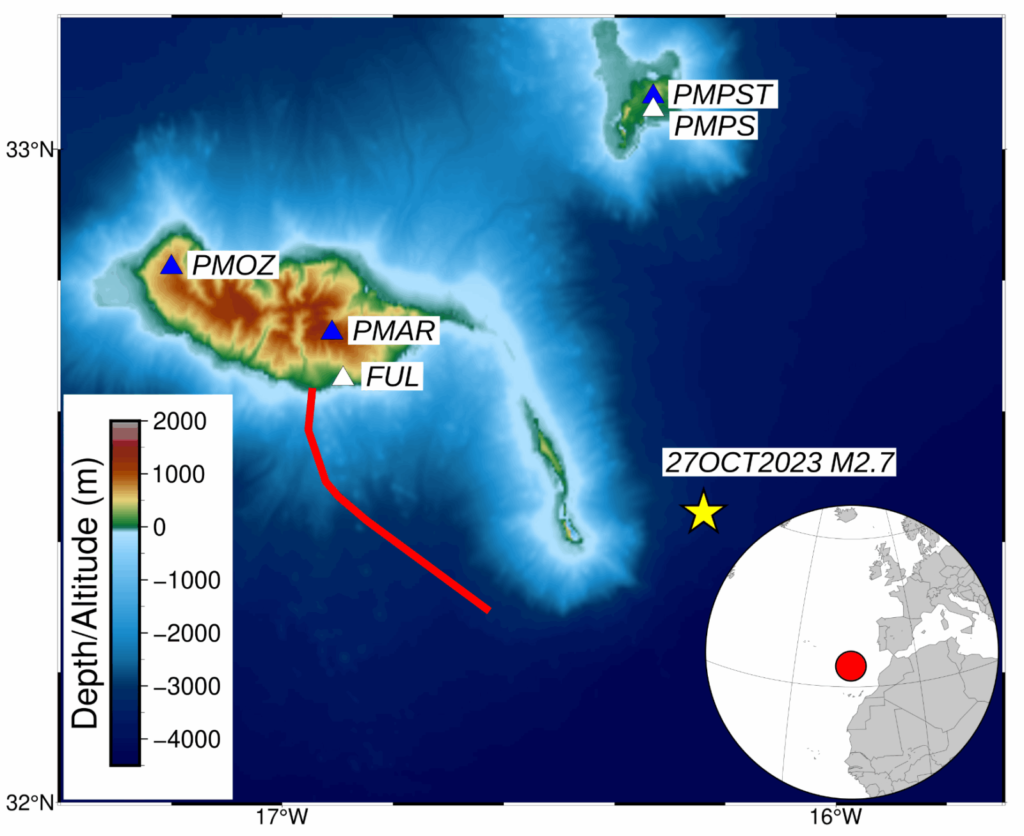
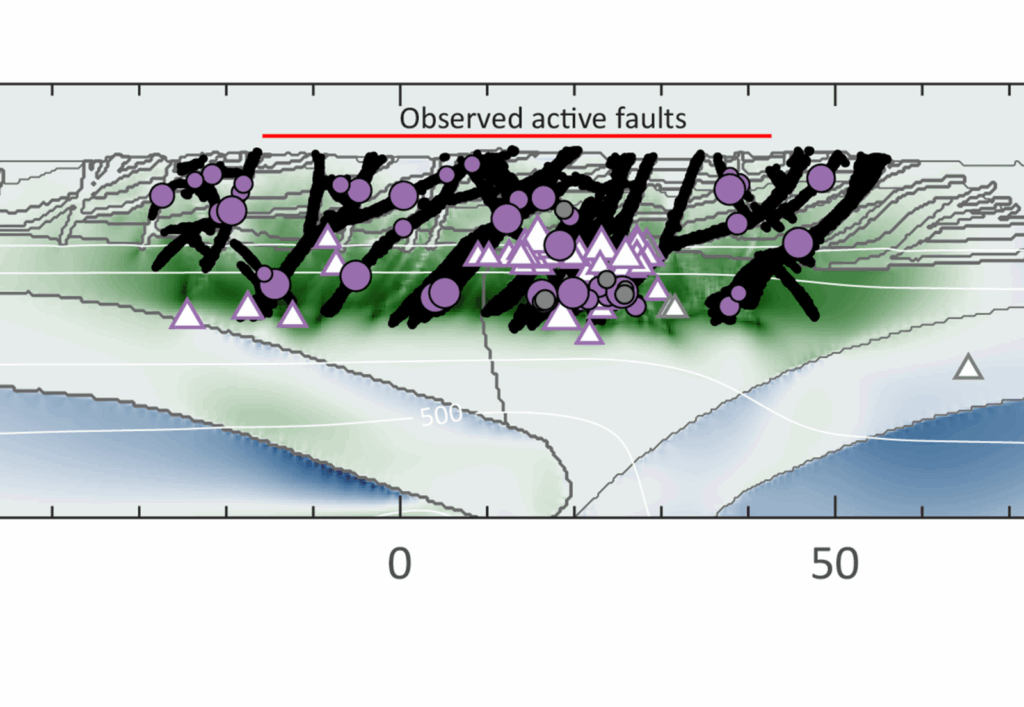
What drives the extensional deformation in the central Apennines (Italy)?

What drives the extensional deformation in the central Apennines (Italy)?

The central Mediterranean is a geodynamically complex region shaped by the interaction of multiple active subduction zones. In Italy, the central Apennines display a distinctive pattern of surface deformation that is proposed to be linked to a slab break-off beneath the area. In this week’s blog post, Maaike, a PhD student at ISTerre in Grenoble, …[Read More]

HS

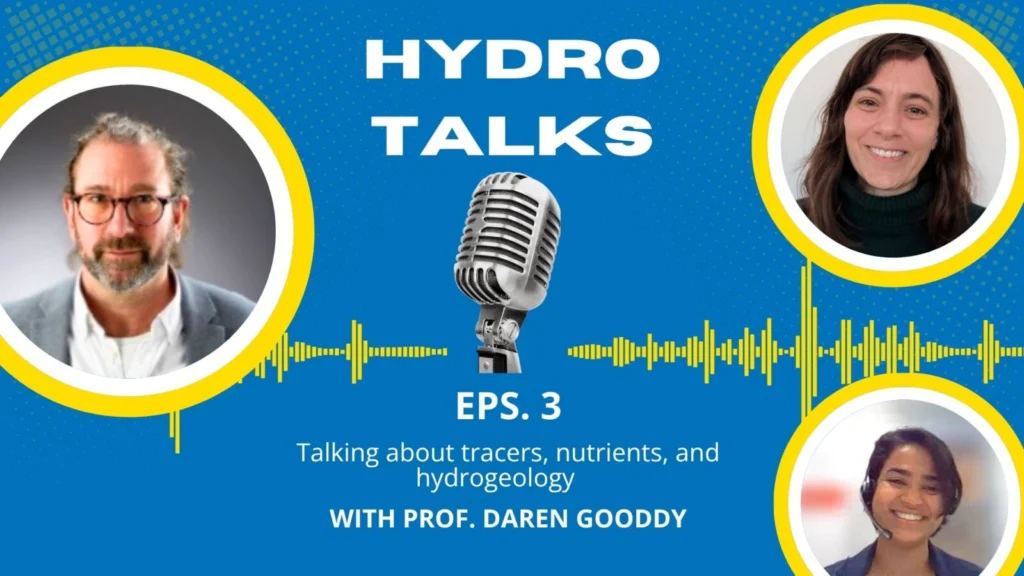
Hydrotalk Episode 3 with Daren Gooddy

Hydrotalk Episode 3 with Daren Gooddy

HydroTalks:  Prof. Daren Gooddy talking about groundwater nutrients, contaminants and tracers Welcome to HydroTalks, the EGU HS division’s podcast series where we discuss advancements, challenges, and opportunities in hydrology. In this episode, we chatted to Prof. Daren Gooddy (Daren Gooddy|LinkedIn). Prof. Gooddy is a hydro-geochemist with over 30 years of experience as a groundwater processes …[Read More]

CR

Tracking the Footprints of a Vanishing Glaciers in the Greater Caucasus

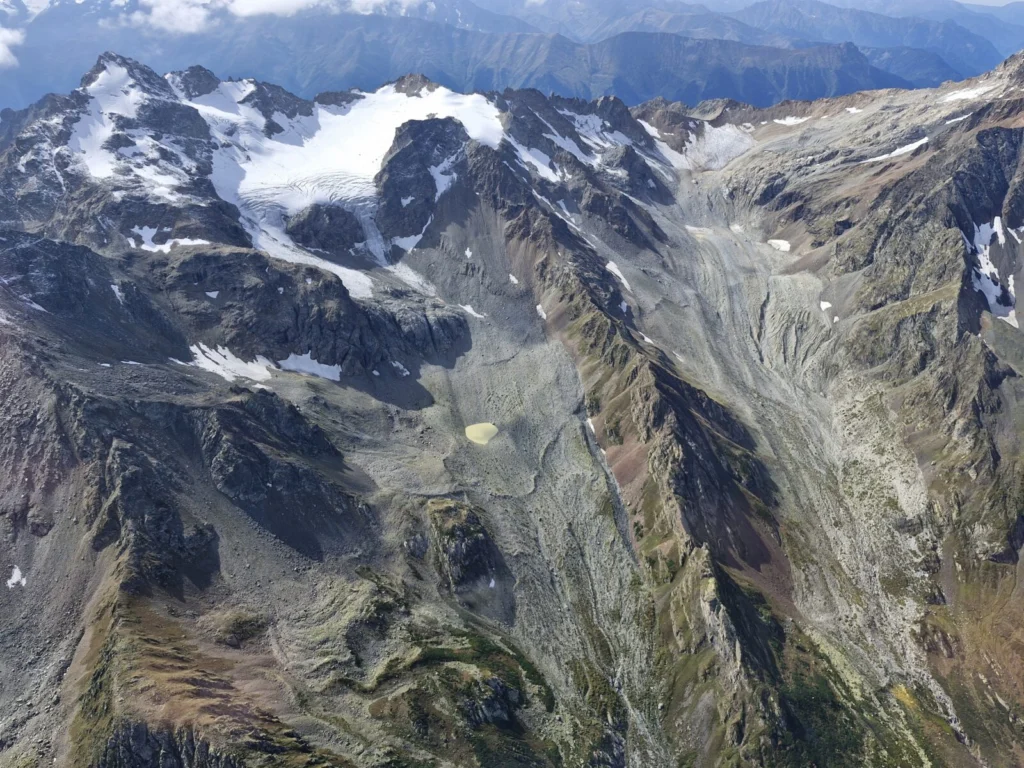
Aerial image showing the climate change impact on small glaciers in the central Greater Caucasus, Georgia. Slopes are extensive deposits of moraines and loose rock debris, left behind by retreating glaciers. A small glacial lake (near the center-bottom of the image) fed by meltwater from the surrounding ice and snow was developed after glacier retreat [Credit: Levan Tielidze].

In this week’s blog, Levan Tielidze tells us about his recent glacier study from the Greater Caucasus. By combining geomorphology, remote sensing, and historical cartography, the team reconstructed nearly 200 years of glacier and climate change across one of the world’s most dynamic cryospheric frontiers. Glaciers’ transformation provides a high-resolution archive of post-Little Ice Age …[Read More]

NH

The Blatten landslide in Switzerland

The Blatten landslide in Switzerland

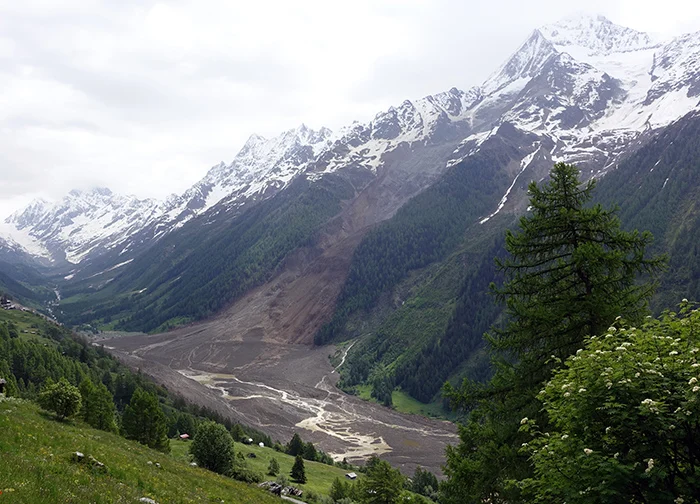
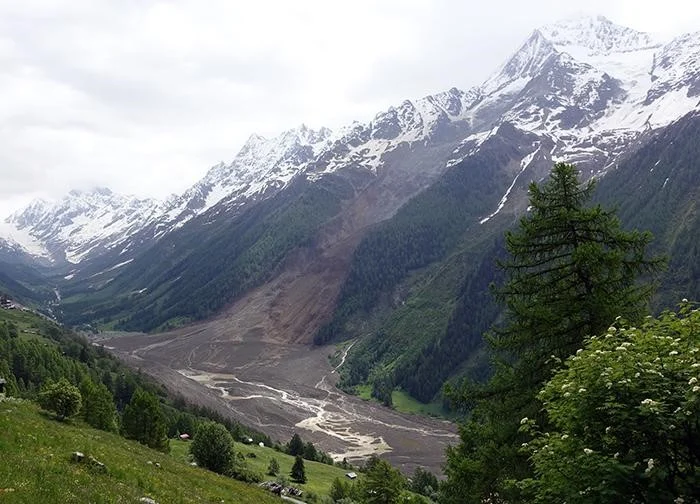
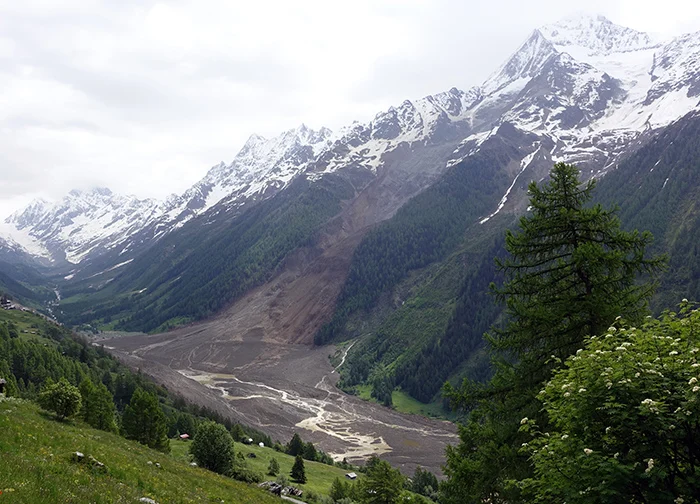
In the morning of May 28, 2025, the picturesque Swiss alpine village of Blatten sat quiet and serene in the Lötschen Valley. Exceptionally quiet, in fact, as the village was evacuated on May 19th after a local Natural Hazards expert spotted a worrisome change in a local mountain looming about the village, the Kleines Nesthorn: it was …[Read More]

OS

Monitoring the Ocean’s Green Pulse: A New Global Dataset for Phytoplankton Phenology

Monitoring the Ocean’s Green Pulse: A New Global Dataset for Phytoplankton Phenology

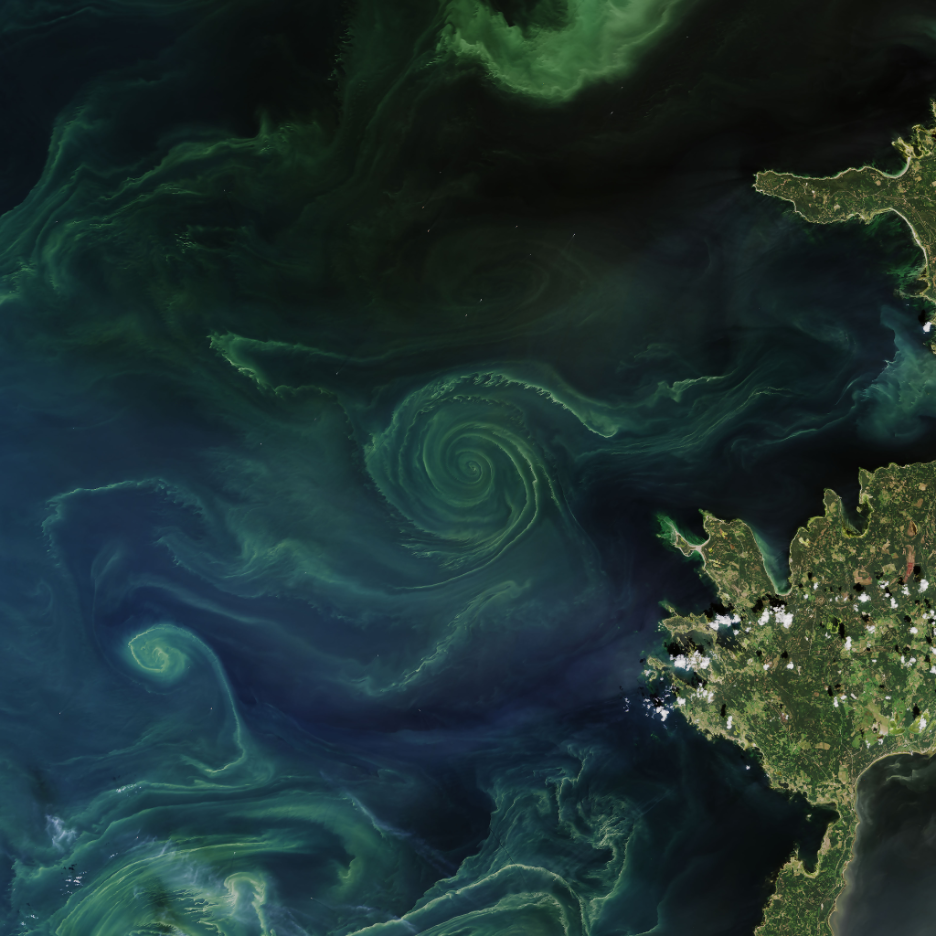
Phytoplankton are tiny, single-celled organisms mainly found in the ocean’s sunlit surface, where they grow through photosynthesis, forming the marine food web’s base and regulating Earth’s climate by absorbing carbon dioxide. Their seasonal growth cycles—known as “blooms”—drive marine productivity and influence everything from carbon uptake to food security. But how can we track these blooms …[Read More]

GD

Shaping the Future of EGU Geodynamics: A Conversation with the Incoming President

Shaping the Future of EGU Geodynamics: A Conversation with the Incoming President

Every leadership transition marks the beginning of a new chapter, bringing fresh perspectives, new priorities and opportunities for growth. This year, the EGU Geodynamics Division warmly welcomes Professor Laetitia Le Pourhiet as its new president. A renowned researcher at the Institut Universitaire de France and Sorbonne Université, Prof. Le Pourhiet steps into the role with …[Read More]