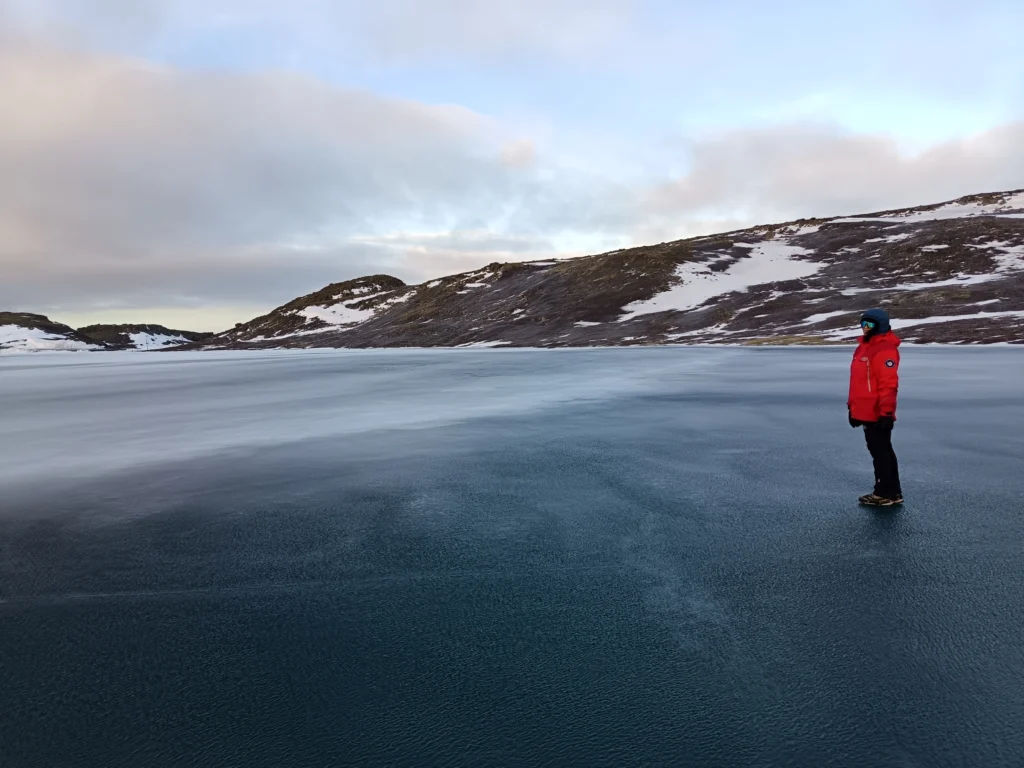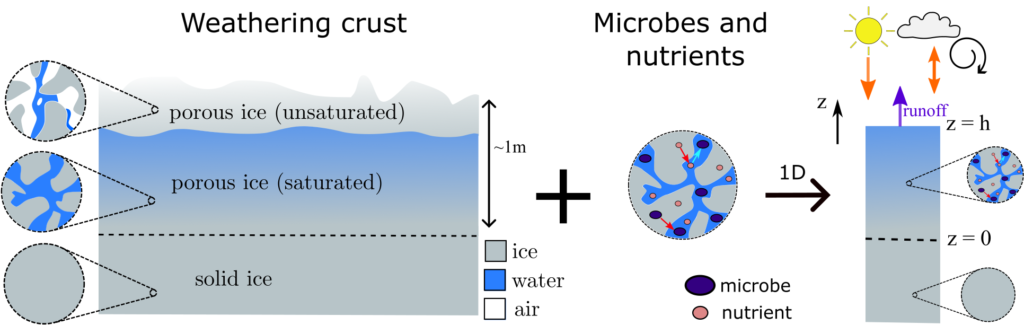
The weathering crust of ice sheets or glaciers is a layer of porous ice, bordering on impermeable ice below and influencing the meltwater storage and production. This physically complex environment harbors a wide range of microorganisms that themselves affect the weathering crust and contribute to darkening of ice surfaces. The two factors – microbial community …[Read More]
Division blogs
Natural Hazards
Why Did a Magnitude 6.8 Earthquake Left Malaysia Unscathed?
On 23rd February 2026, Malaysia faced one of the strongest earthquakes ever recorded in its history. A magnitude 6.8 event struck offshore Sabah, the most seismically active state in Malaysia. The event was reported as magnitude 6.8 by MetMalaysia, while the USGS recorded it as magnitude 7.1, with the difference reflecting variations in magnitude estimates …[Read More]
Atmospheric Sciences
Highlights from EGUsphere
Drawing inspiration from new research shared by EGU scientists, this column brings you some of the latest publications. This edition covers the globe, from the air we breathe in Ireland and China to the waves that stitch the tropics to the Southern Hemisphere. Surface ozone in Ireland: where does it really come from? Ozone plays …[Read More]
Natural Hazards
Post-Last Glacial Maximum intensification of marine faulting: resolution-dependent hazard assessment
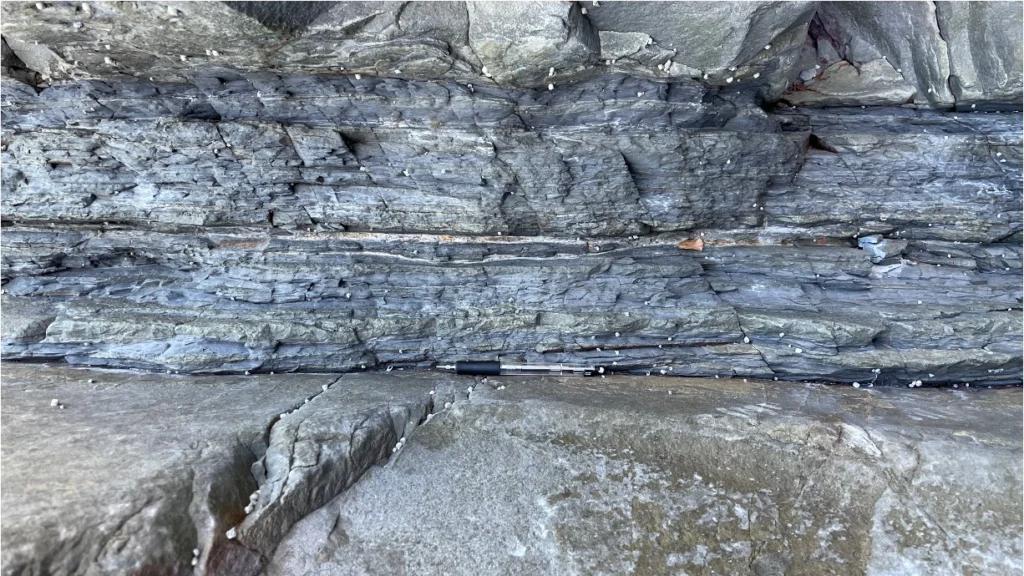
Subsea pipelines and cables are vital to modern energy and communications, yet assessing the active geological faults they cross underwater is notoriously difficult. By examining marine fault slip rates at higher stratigraphic resolution than previously analyzed in this region, our new research shows that displacement rates accelerated tenfold after the Last Glacial Maximum (LGM). This …[Read More]
Ocean Sciences
Book Review: The Brilliant Abyss by Helen Scales
Looking for your next read? 📚 Our previous book recommendations took us through ocean physics in Blue Machine – How the Ocean Shapes Our World, bioluminescence and deep-sea exploration in Below the Edge of Darkness, and ocean-inspired science fiction in The Swarm. Most recently, we ventured beyond the ocean with Invisible Women, exploring data bias …[Read More]
Cryospheric Sciences
Robots in the Arctic: An autonomous adventure to Greenland’s outlet glaciers
Research cruises are a fundamental part of the cryospheric sciences. As the Arctic warms, the systems that shape our world look much different from one season to the next, making it more critical than ever to measure the changes of our icy world. Here, three early-career researchers share insights from a cruise they took part …[Read More]
Tectonics and Structural Geology
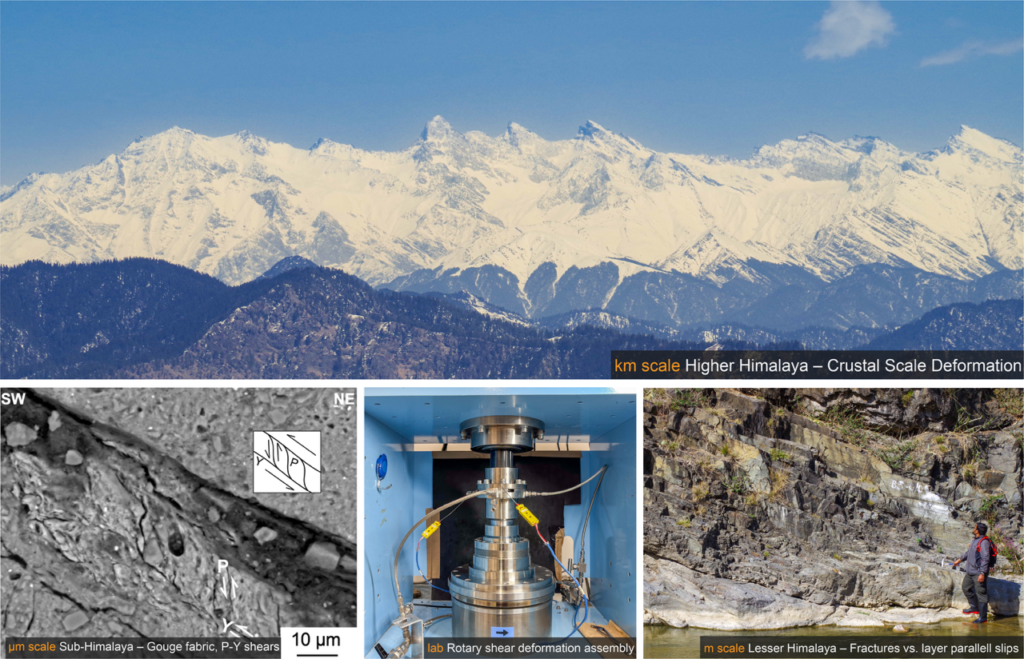
Conference “at home”
Apart from scientific exchange and networking opportunities, conferences normally provide the chance to go places, to get out of the office, and see something new. But what happens when the conference is taking place in your home town? At your university? On your campus? Does this differ from going to other conferences or not at …[Read More]
Hydrological Sciences
Bridging the Gap Between Global Tech and Local Expertise: Why We Open-Sourced Google’s Hydrology Framework
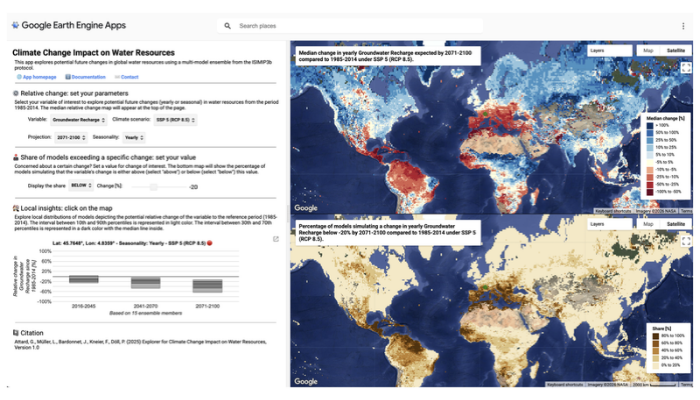
Dear EGU Hydrology community, Over the past few years, machine learning (ML) and artificial intelligence have fundamentally changed what is possible in large-scale hydrological modeling. At Google, our team has worked to develop machine learning river forecast models that operate globally, extending reliable forecasting to ungauged basins and covering almost two billion people through the …[Read More]
Geodynamics
The giant seafloor sponge: how water ends up in subducting crust
In this week’s blog post, Daniel Douglas teaches us everything about poroelasticity, water in subduction zones and… sponges under the sea! Are you ready kids? Aye, aye, Captain! Why study subduction zones? “Subduction” is a process that occurs when two tectonic plates collide with each other. As long as one of the plates is an …[Read More]
Geochemistry, Mineralogy, Petrology & Volcanology
GMPV-PS Campfire: Rocks across the Solar System: From planetary differentiation to surface processes
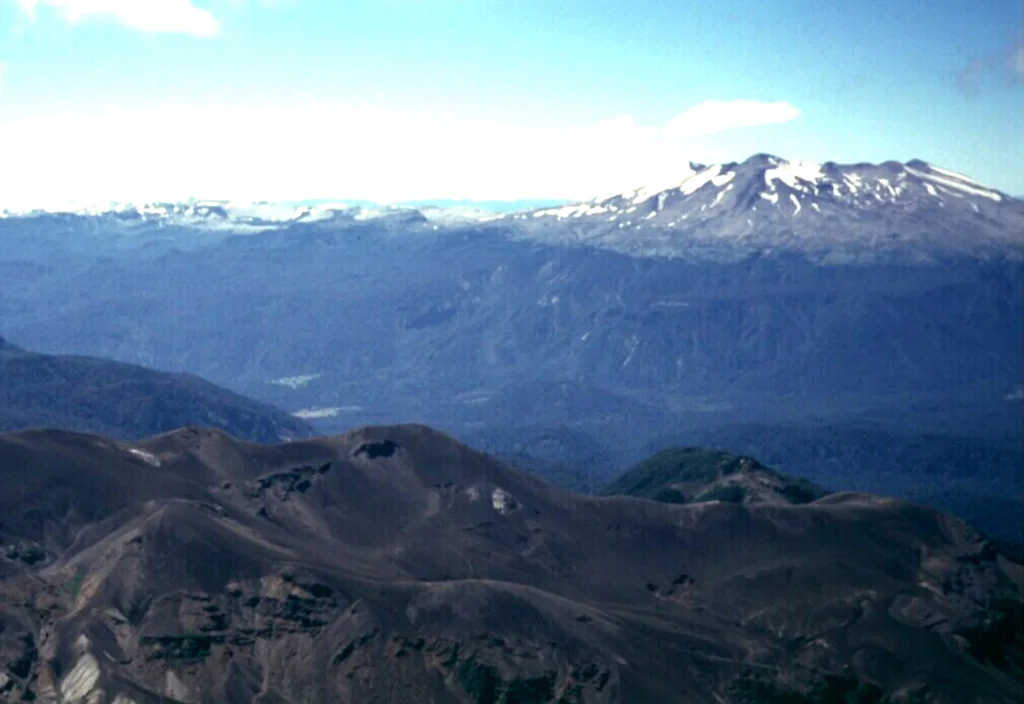
What can meteorites tell us about Earth’s environment? How do minerals record a cosmic collision? And could Venus be hiding lava tubes? Our joint GMPV–PS Campfire brings together four talks exploring these questions and the early differentiation of Mars, plenty of planetary ground to cover! From environmental and shock processes preserved in chondrites to the …[Read More]