EGU Blogs

Division blogs

CL
Climate: Past, Present & Future

How glowing sediment can help to decipher the Earth’s past climate !

How glowing sediment can help to decipher the Earth’s past climate !

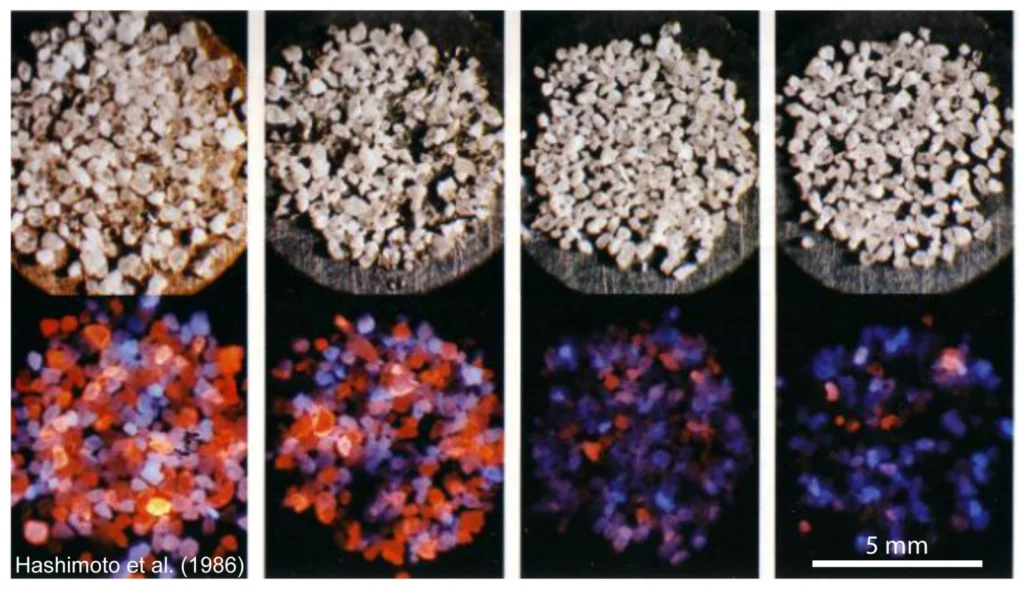
The last 2.5 Million years of the Earth’s history (termed Quaternary) are characterised by climatic cycles oscillating between warm (interglacial) and cold (glacial) periods. To be able to fully understand and interpret past climate variations the development of accurate and precise chronological techniques is crucial. Optically stimulated luminescence (OSL) dating is a strong geochronological tool …[Read More]

AS
Atmospheric Sciences

The perfect ice floe

The perfect ice floe

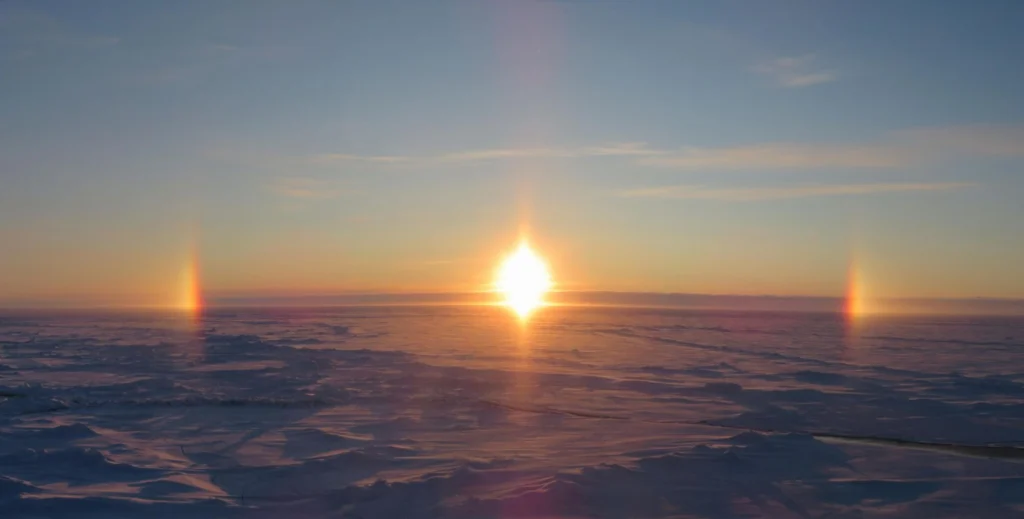
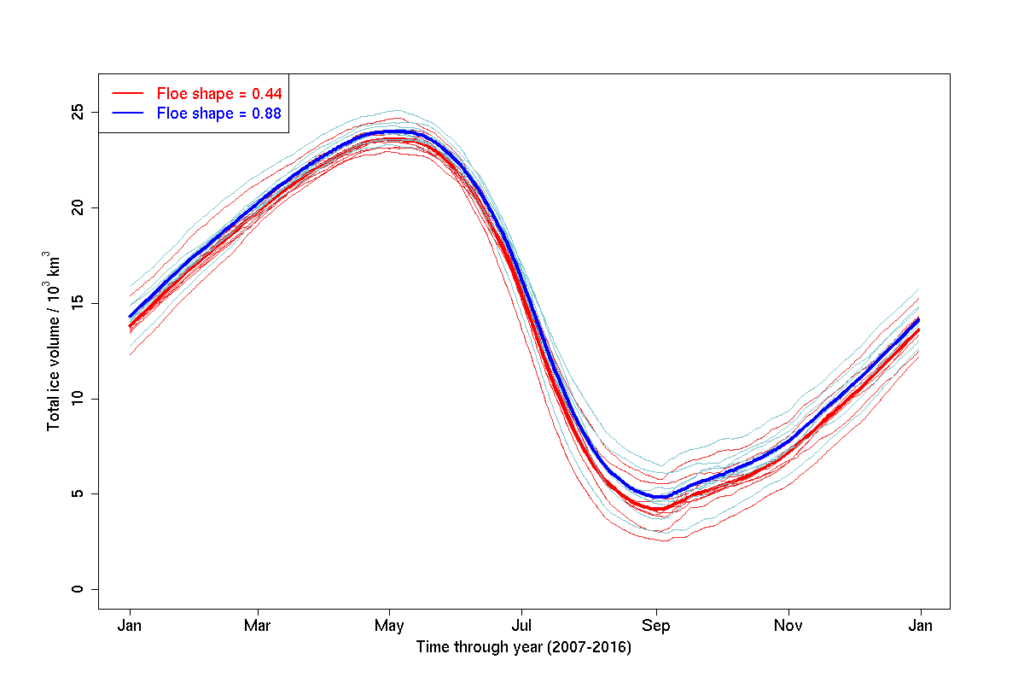
Current position: 89°31.85 N, 62°0.45 E, drifting with a multi-year ice floe (24th August 2018) With a little more than three weeks into the Arctic Ocean 2018 Expedition, the team has found the right ice floe and settled down to routine operations. Finding the perfect ice floe for an interdisciplinary science cruise is not an …[Read More]

NH
Natural Hazards

Bridging the gap between science and decision makers – a new tool for nuclear emergencies affecting food and agriculture

Bridging the gap between science and decision makers – a new tool for nuclear emergencies affecting food and agriculture

The International Atomic Energy Agency (IAEA) has developed an online system to assist in improving the response capabilities of authorities in the event of an emergency caused by natural hazards. This tool provides a clear overview of radioactive contamination of crops and agricultural lands through improved data management and visualization, it also assists in decision …[Read More]

ST
Solar-Terrestrial Sciences

SunPy: a Python solar data analysis environment

SunPy: a Python solar data analysis environment

Introduction For many years now we know that our star the Sun influences the Earth in many different ways, via the total solar irradiance, solar energetic particles and coronal mass ejections. Understanding the influence of the Sun on the Earth requires many different types of measurements. For example, NASA’s Solar Dynamics Observatory (SDO) spacecraft, produces …[Read More]

SM
Seismology

Seismo @ school

Being a seismologist is not just doing research, it is also sharing experience and teaching the next generation. As early career scientists, we are used to share ‘our science’ during open days and career days at university. Another peculiar moment for Science outreach is the National Science week, where researchers can set up experiments and …[Read More]