
Climate change has been described as “the biggest market failure in human history”[1]. Although fuel is costly, emitting the by-product CO2 is for free; yet it causes damages to society. In other words, those who benefit, by using the atmosphere as waste dump, do not pay the full costs, i.e. the adverse effects climate change …[Read More]
Division blogs
Image of the Week – (Un)boxing the melting under the ice shelves
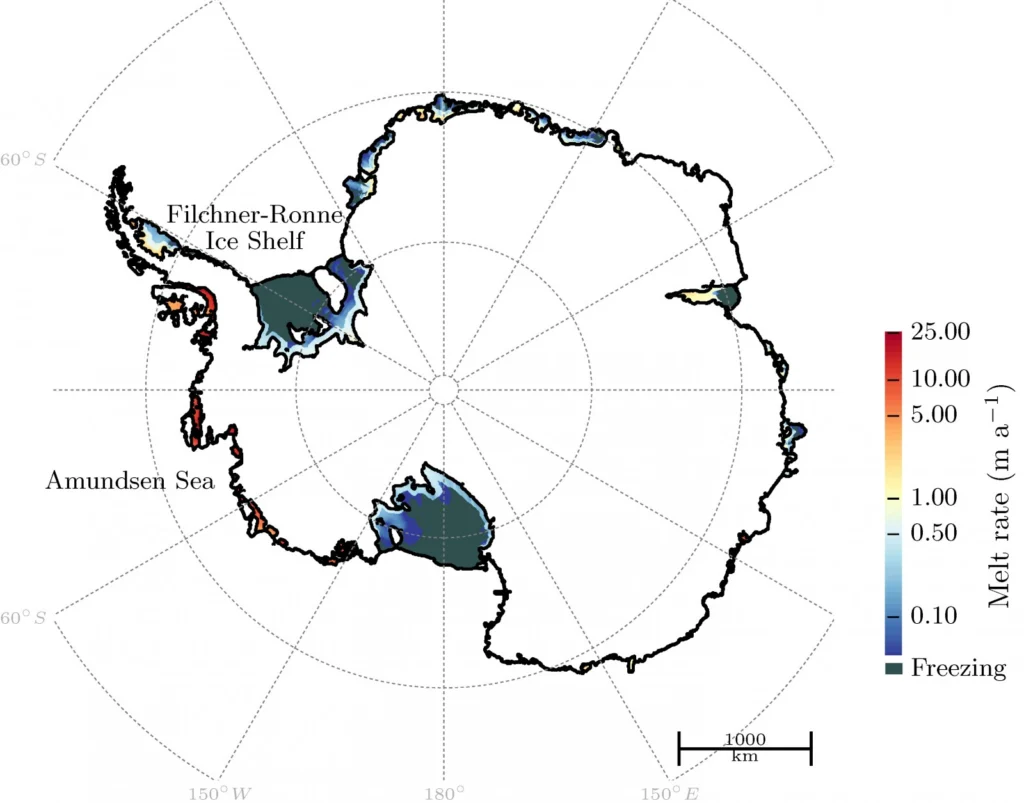
The Antarctic ice sheet stores a large amount of water that could potentially add to sea level rise in a warming world (see this post and this post). It is currently losing ice, and the ice loss has been accelerating in the past decades. All this is linked to the melting of ice – not …[Read More]
Presentation skills – 2. Speech

Presenting: some people love it, some people hate it. I firmly place myself in the first category and apparently, this presentation joy translates itself into being a good – and confident – speaker. Over the years, quite a few people have asked me for my secrets to presenting (which – immediate full disclosure – I …[Read More]
Minds over Methods: What controls the shape of oceanic ridges?
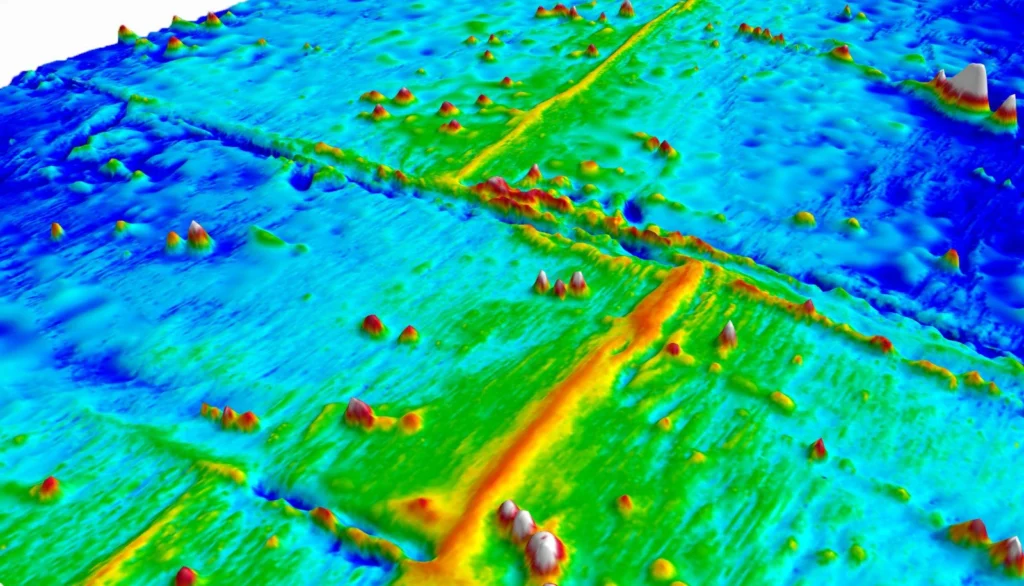
In this edition of Minds over Methods, Aurore Sibrant, postdoc at Bretagne Occidentale University (France) explains how she studies the shape of oceanic ridges, and which parameters are thought to control this shape. By using laboratory experiments combined with observations from nature, she gives new insights into how spreading rates and lithosphere thickness influence the …[Read More]
Image of the Week – Breaking the ice: river ice as a marker of climate change
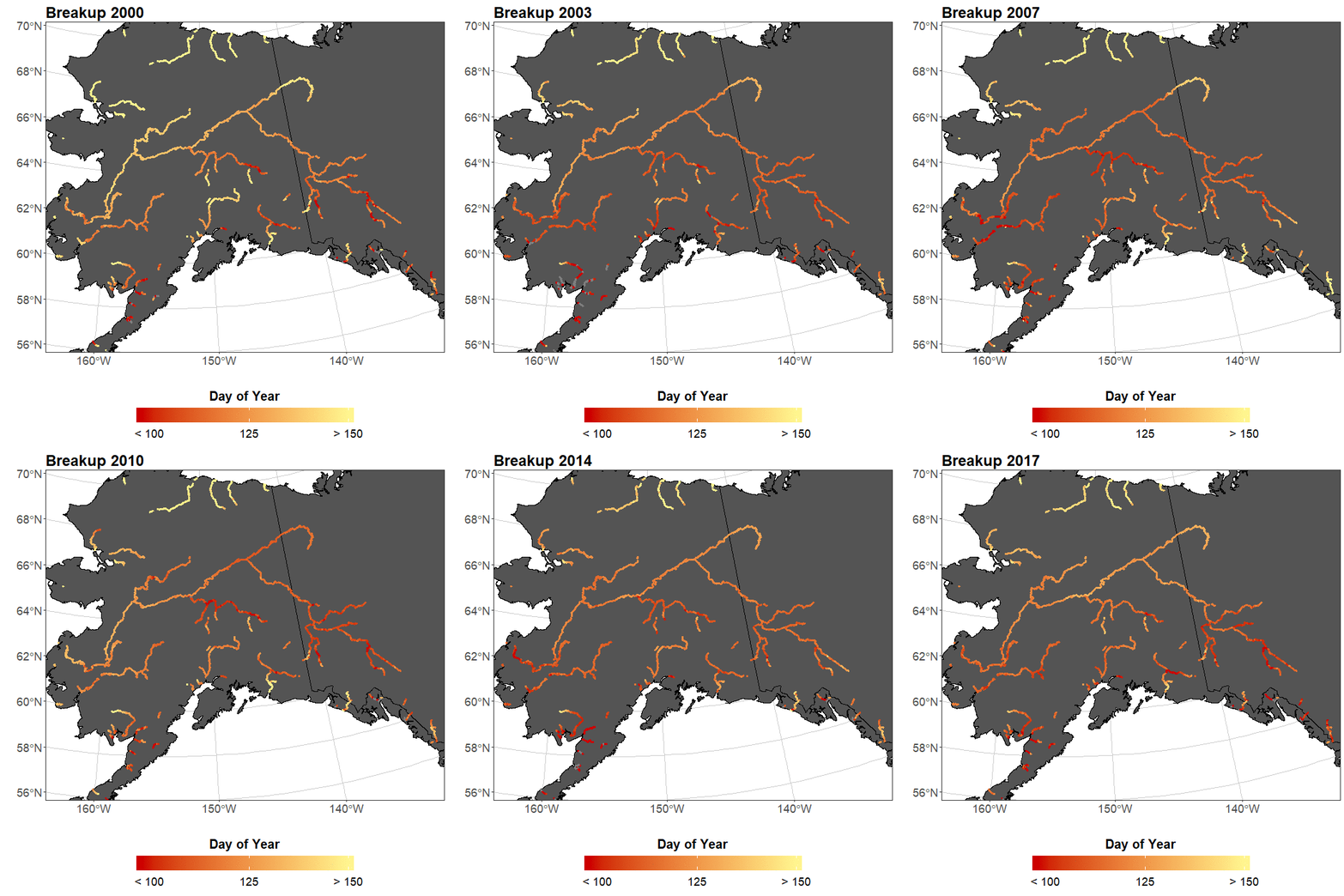
Common images associated with climate change include sad baby polar bears, a small Arctic sea ice extent, retreating glaciers, and increasing severe weather. Though slightly less well-known, river ice is a hydrological system which is directly influenced by air temperature and the amount and type of precipitation, both of which are changing under a warming …[Read More]
An industrial placement as a geodynamicist
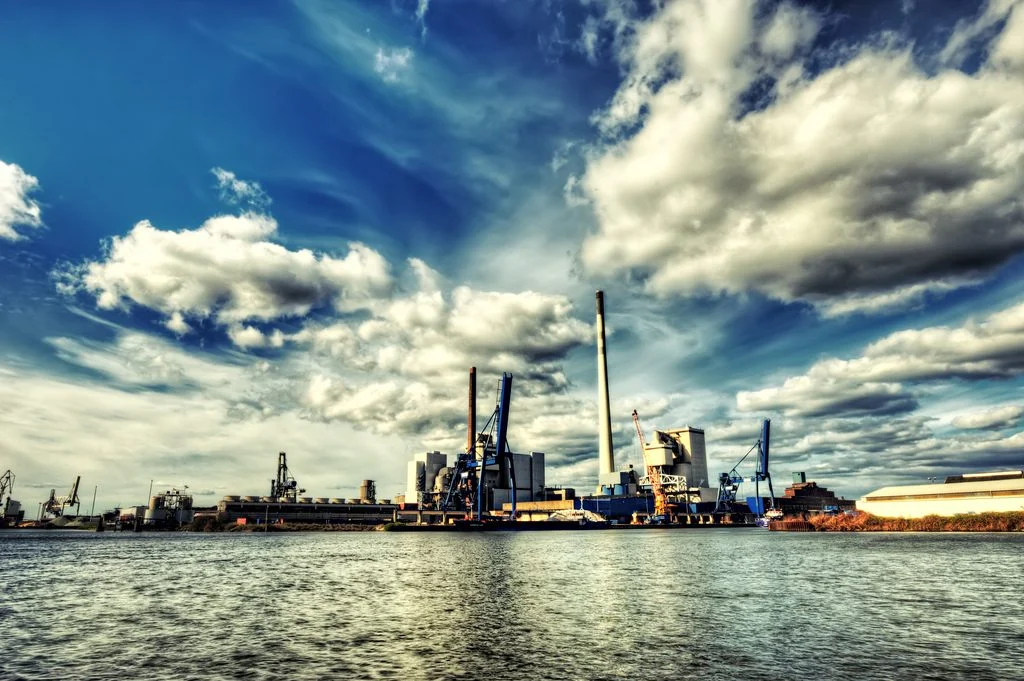
After years of trying to get a PhD, publishing papers, networking with professors, and trying to land that one, elusive, permanent job in science, it can be quite easy to forget that you actually do have career options outside of academia. To get a little taste of this, Nico Schliffke, PhD student in geodynamics at …[Read More]
Meeting Plate Tectonics – Peter Molnar
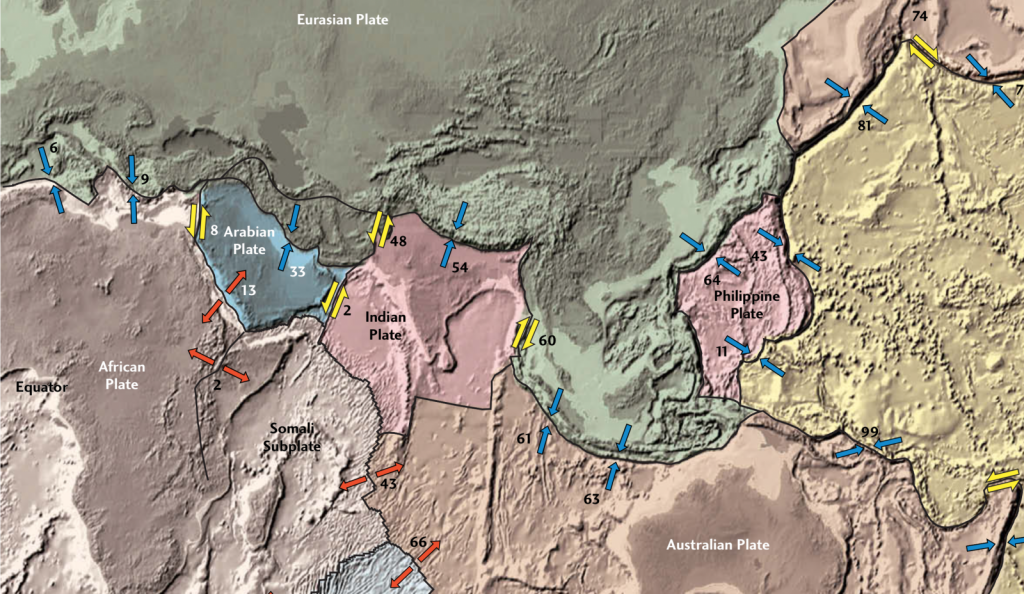
These blogposts present interviews with outstanding scientists that bloomed and shape the theory that revolutionised Earth Sciences — Plate Tectonics. Get to know them, learn from their experience, discover the pieces of advice they share and find out where the newest challenges lie! Meeting Peter Molnar Active in different research areas of the Earth Sciences, Prof. Peter Molnar has been …[Read More]
Time for submissions: sessions proposed by NhET at the next EGU conference!

The new year is approaching, and at the beginning of 2019, there is also the deadline for the submission of abstracts for the next EGU conference in Wien, from the 7th to the 12th of April 2019. The Natural hazards Early career scientist Team has proposed many sessions and short courses. Below you can find …[Read More]
EGU for Early Career Scientists
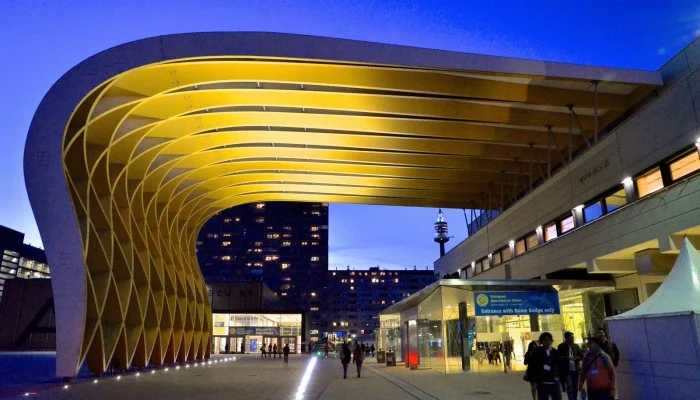
This months post is written by the ST Divisions Early Career Scientist representative, Theresa Rexer. Are you ready for the EGU general assembly 2019? Got your abstract ready and submitted? No, what? Too early you say? No funds? As your Early Career Scientist Representative, let me tell you why now is the perfect time to start …[Read More]
Image of the Week – Karthaus Summer School 2018
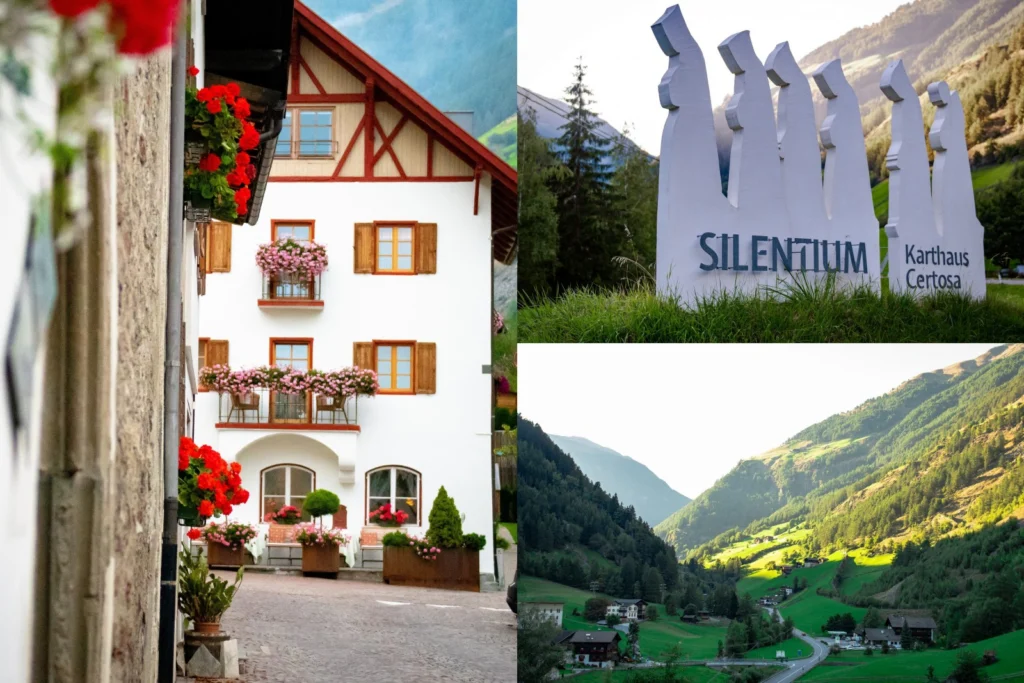
Nearly every year since the late 90s, during the summer, the picturesque Karthaus has hosted 10-day glaciology course. This school is a platform for glaciologists to explore, learn and expand their knowledge base. This helps researchers become multi-faceted: to view glaciology from the perspective of those specializing in other backgrounds such as hydrology, geomorphology, oceanography, …[Read More]