EGU Blogs

Division blogs

NP

After Lorenzo and Ophelia, should we prepare European coasts for tropical storms and hurricanes?
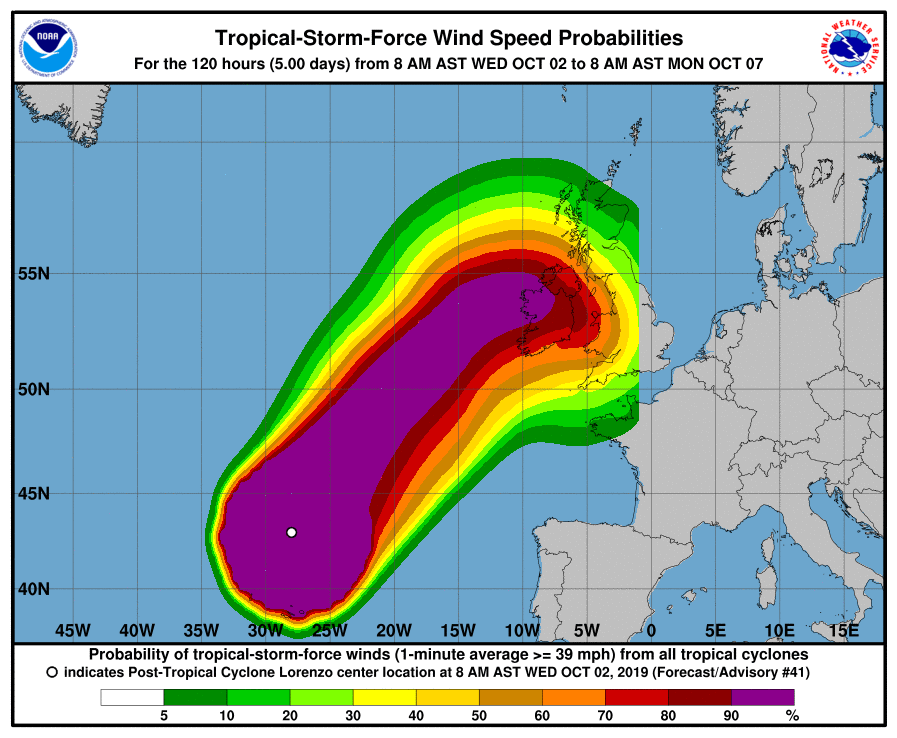
After Lorenzo and Ophelia, should we prepare European coasts for tropical storms and hurricanes?
Autumn is hurricane season in the north tropics and indeed 2019 does not make exception from this point of view. After Dorian hitting Bahamas and North Carolina, the American National Hurricane Center named Lorenzo a tropical depression originating near Capo Verde. On September 25th Lorenzo became a category 1 hurricane, according to the Saffir-Simpson scale. …[Read More]

NH

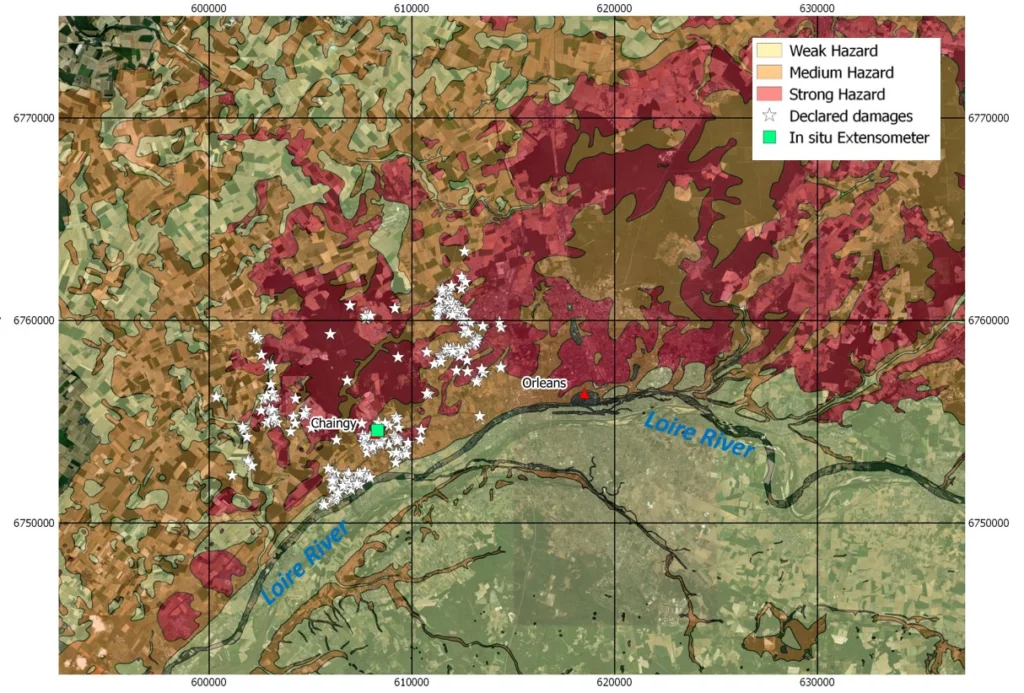
How can remote sensing and wavelet transform unravel natural and anthropogenic ground motion processes?

How can remote sensing and wavelet transform unravel natural and anthropogenic ground motion processes?

Underground energy storage and gas storage in aquifers In the context of energy transition, massive energy storage is a key issue for the integration of renewable sources into the energy mix. Storing energy in the underground can lead to larger-scale, longer-term and safer solutions than above-ground energy storage technologies. In particular, natural gas storages are …[Read More]

CR

Cryo-Comm – Degrading Terrains

Cryo-Comm – Degrading Terrains

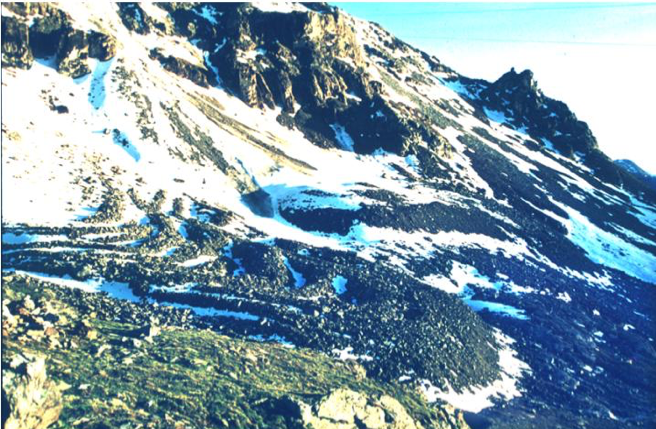
  Beneath dusted peaks of mountain dew A dense and rigid backcloth skulks, Worn down and compacted with Fractured decades of aged powder; Trodden into rocky outcrops To lie barrenly against This frozen, ancient soil. Subtle shifts of these forgotten rocks Ripple across subterranean sediments, Dislodging once-stable foundations That now cascade like an ocean; Echoing …[Read More]

GD

The geodynamics of planetary habitability

The geodynamics of planetary habitability

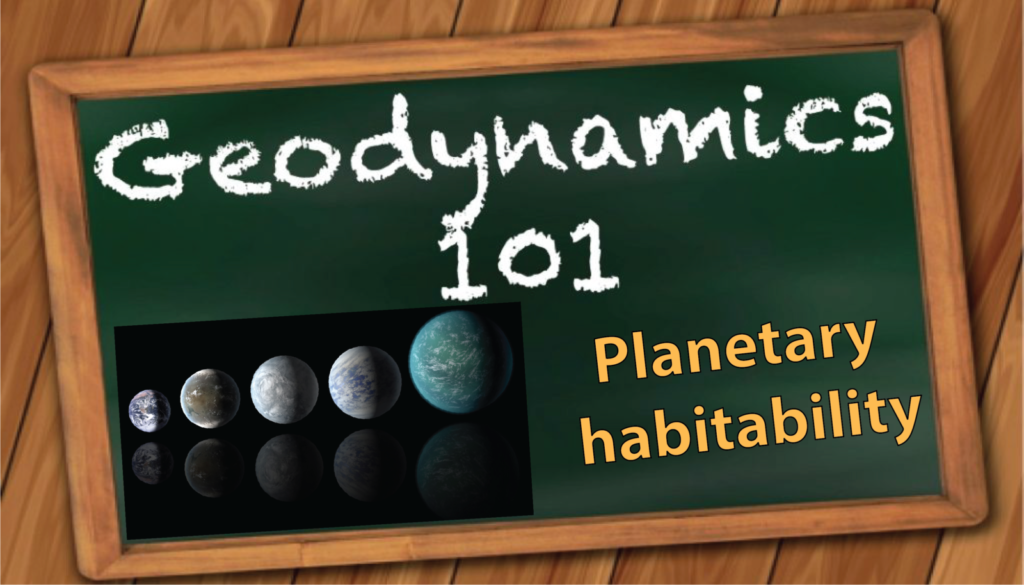
The Geodynamics 101 series serves to showcase the diversity of research topics and/or methods in the geodynamics community in an understandable manner. In this week’s Geodynamics 101 post, Brad Foley, Assistant Professor at the Department of Geosciences, Pennsylvania State University, talks about the geodynamics of planetary habitability and in particular the key role of CO2 …[Read More]

HS

YHS interview Serena Ceola: shedding light on interrelations between human impacts and river networks

In its “Hallway Conversations” series, the Young Hydrologic Society has recently published an interview with Serena Ceola, who is a senior assistant professor at University of Bologna, Department of Civil, Chemical, Environmental, and Materials Engineering. The interview was conducted by Sina Khatami, a PhD student at the University of Melbourne. With their agreement, we reproduce the …[Read More]

CR

Cryo-Adventures – The Glacial Isostatic Adjustment (GIA) Training School: Personal and Virtual Attendance

Cryo-Adventures – The Glacial Isostatic Adjustment (GIA) Training School: Personal and Virtual Attendance

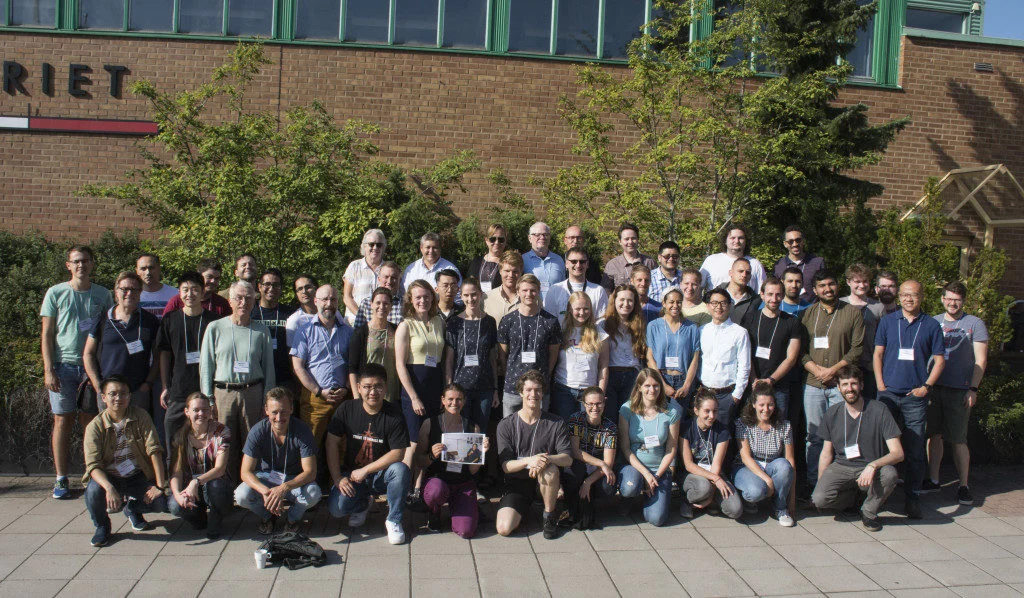
The 2019 Glacial Isostatic Adjustment (GIA) Training School was hosted by Lantmäteriet (the Swedish Mapping, Cadastral, and Land Registration Authority) in Gävle, Sweden from 26 – 30 August. GIA is the response of the solid Earth to past and present-day changes of glaciers and ice sheets. Research interests in GIA span the geosciences: from regional planning …[Read More]

CL

Habits in numerical model construction

Habits in numerical model construction

  Numerical models are omnipresent in climate research. Constructed to understand the past, to forecast future climate and to gain new knowledge on natural processes and interactions, they enable the simulation of experiments at otherwise unreachable time and spatial scales. These instruments have long been considered to be fed – let even determined – by …[Read More]