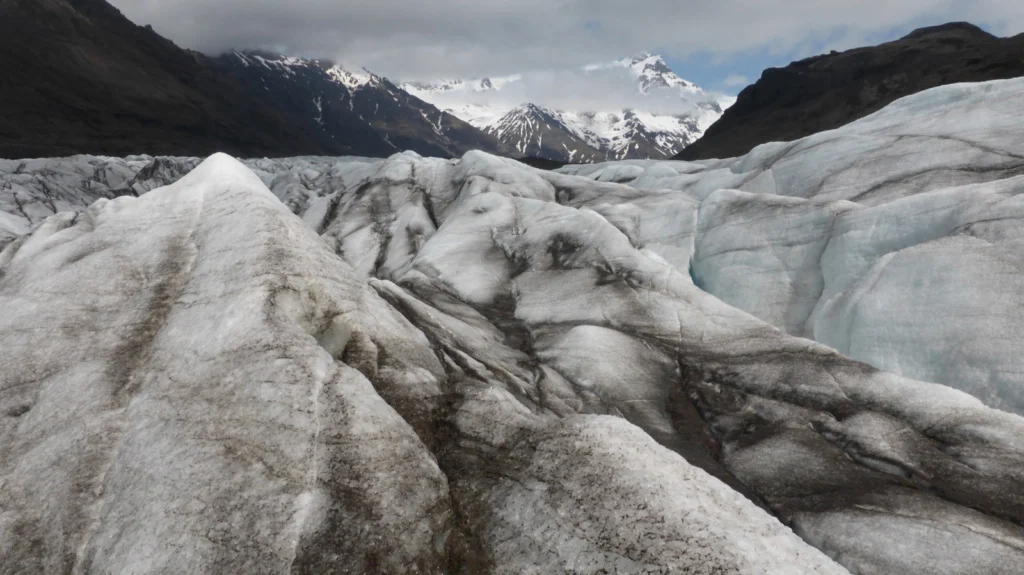
As the Arctic is warming faster than the global average, Arctic glaciers are rapidly melting. My research is about the fate of glacial organic carbon when the ice containing it melts. To investigate these processes, I travelled to several glaciers, an activity full of challenges… and rewards! My research Glacier ice covers about 11% of …[Read More]
Division blogs
Tectonics and Structural Geology
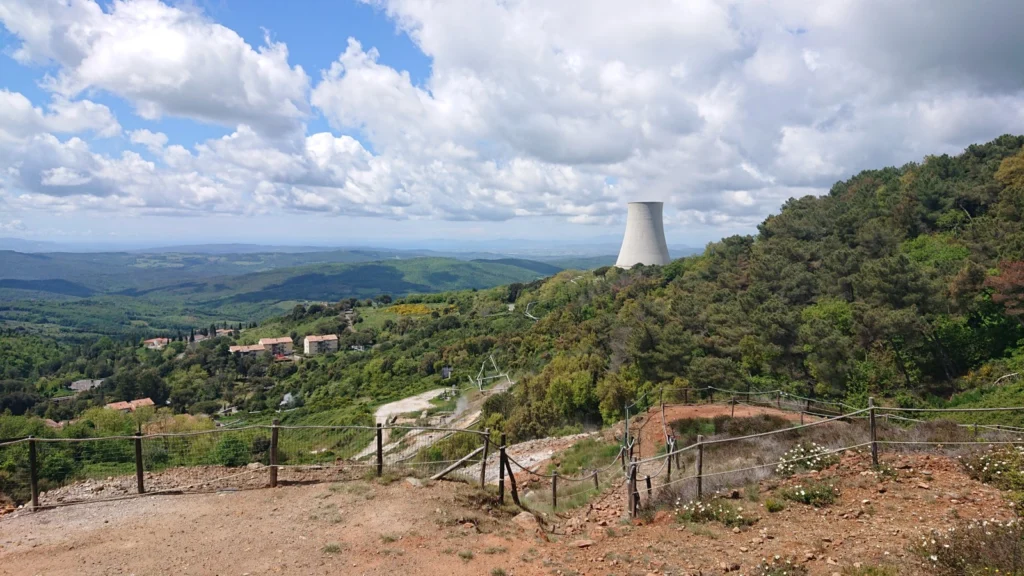
Geothermal Energy and Structural Geology?
Fieldwork is a necessity to expand the brain, to kick-start 3D thinking. Field studies with a specific application in mind have – until now – usually been geared towards hydrocarbon reservoirs. However, with the increasing use of the subsurface, for example for CO2 storage and geothermal energy, alternative field studies gain importance. Here, we will …[Read More]
Geodynamics
The Sassy Scientist – Earthquake Exoteries Nr. VI
Every week, The Sassy Scientist answers a question on geodynamics, related topics, academic life, the universe or anything in between with a healthy dose of sarcasm. Do you have a question for The Sassy Scientist? Submit your question here or leave a comment below. In a comment on a post about the key papers in geodynamics, …[Read More]
Hydrological Sciences
Featured catchment series: Disentangling the ecohydrology of a tropical hotspot!
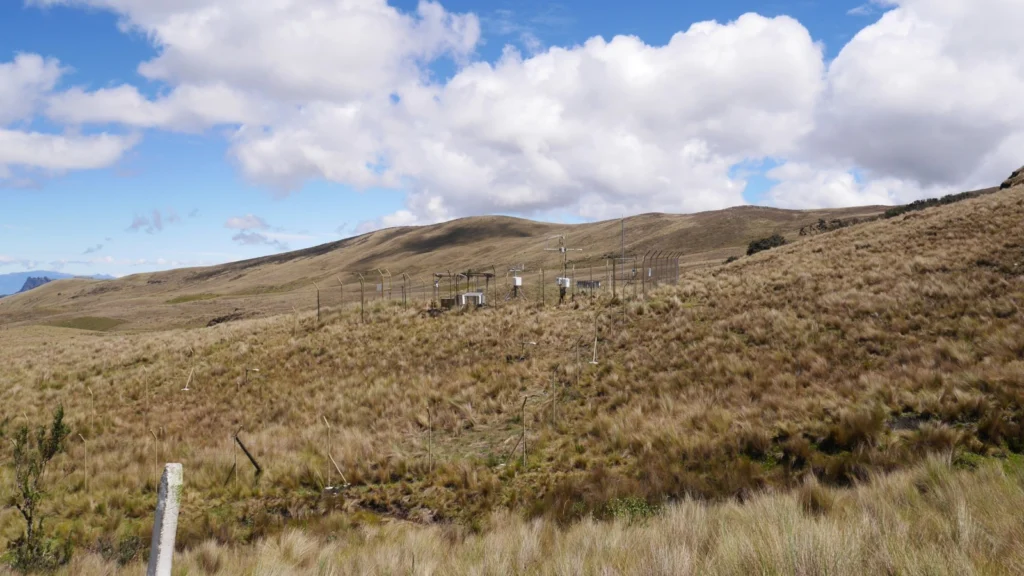
Zhurucay Ecohydrological Observatory: Critical zone observations at the top of the Andes! A natural laboratory of tropical alpine ecohydrology Tropical alpine ecosystems, known as the Páramo, extend to high elevations (3,000-5,000 m a.s.l.) mainly through the northern Andes of South America from Venezuela to northern Peru. Given their geographical location and elevation, Páramo areas are …[Read More]
Nonlinear Processes in Geosciences
NP Interviews: the 2019 Lewis Fry Richardson Medallist Shaun Lovejoy
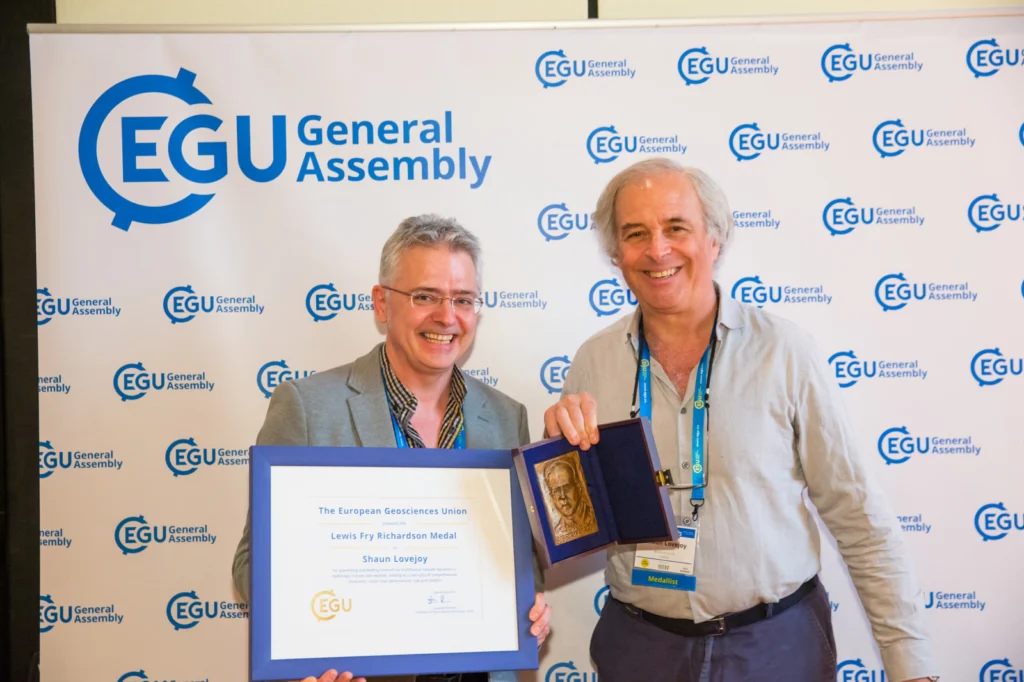
Today’s NP Interviews hosts the Lewis Fry Richardson Medallist Shaun Lovejoy. Shaun has degrees in physics from Cambridge and McGill University; he has been a McGill professor since 1985. For four decades, he has developed fractal, scaling ideas in the geosciences, contributing to advances in cascade processes, multifractals, anisotropic scale invariance, space-time multifractal modeling as …[Read More]
Cryospheric Sciences
Did you know? – Proglacial lakes accelerate glacier retreat!
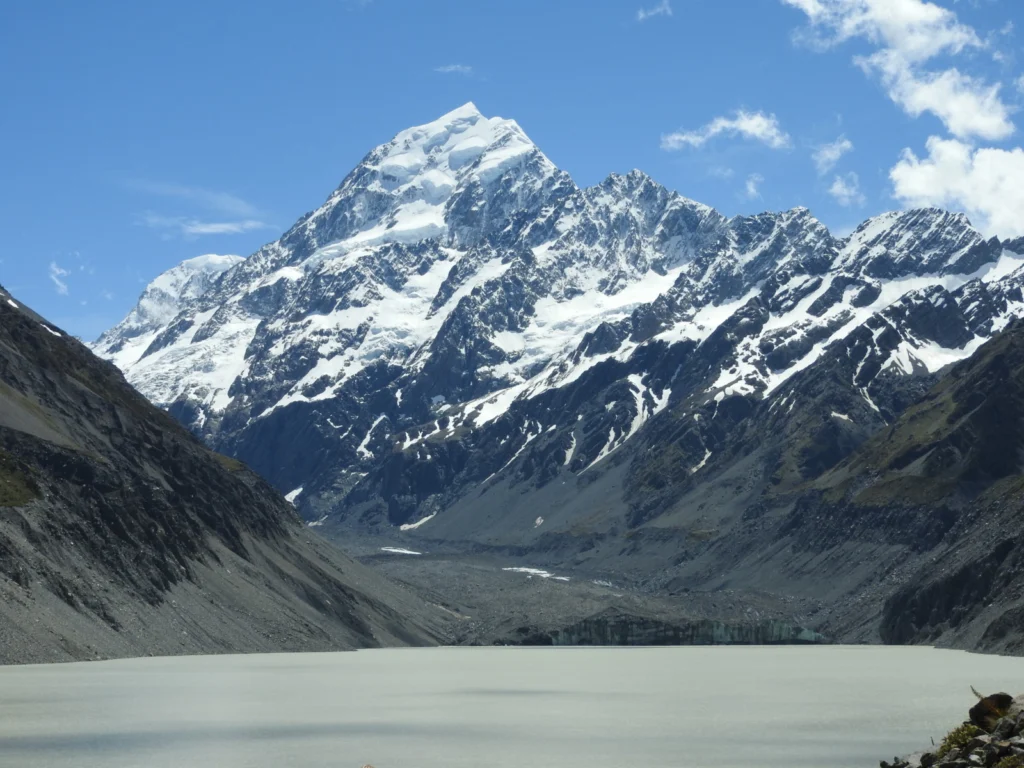
In a global context, New Zealand’s small mountain glaciers often get overlooked and yet they are a beautiful part of New Zealand’s landscape. They are the water towers for the South Island and an essential part of its tourism, thanks to a few undeniable heroes (Frans Josef and Fox Glaciers), but sadly, they may not …[Read More]
Geodynamics
The Sassy Scientist – Earthquake Exoteries Nr. V
Every week, The Sassy Scientist answers a question on geodynamics, related topics, academic life, the universe or anything in between with a healthy dose of sarcasm. Do you have a question for The Sassy Scientist? Submit your question here or leave a comment below. In a comment on a post about the key papers in geodynamics, …[Read More]
Tectonics and Structural Geology
Trieste, where the word Karst originates
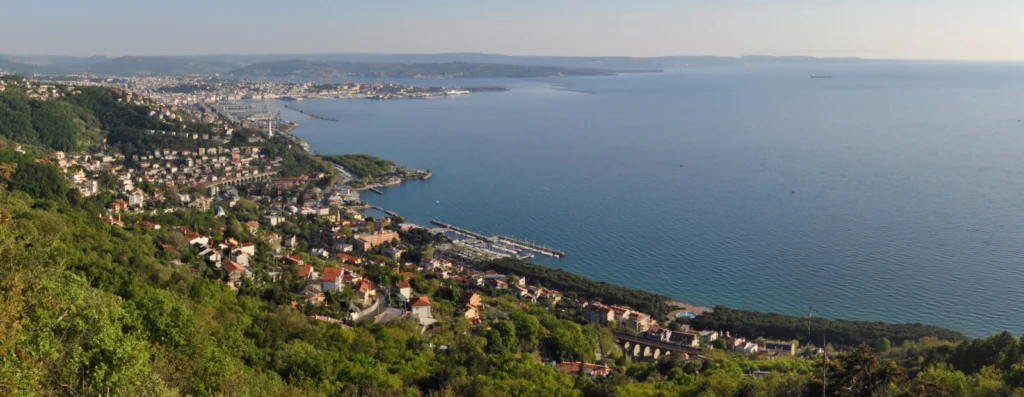
The city of Trieste lies in north-eastern Italy along the border with Slovenia. It is positioned at the corner point between the Romance, Germanic and Slavic worlds and serves as an important seaport in the region. It is fascinating for both its history and geology. My relationship with Italy’s town of Science, as Trieste is …[Read More]
Geodynamics
Space travel: arrogance or vision?
This week, Caroline Dorn, Ambizione Fellow at the University of Zurich, tells us her view on space travel and why we shouldn’t pack our bags just yet. Space exploration is experiencing a new boom, a come-back since the 60s & 70s! First discoveries of planets outside our solar system in the 90s have set the foundations …[Read More]
Nonlinear Processes in Geosciences
After Lorenzo and Ophelia, should we prepare European coasts for tropical storms and hurricanes?
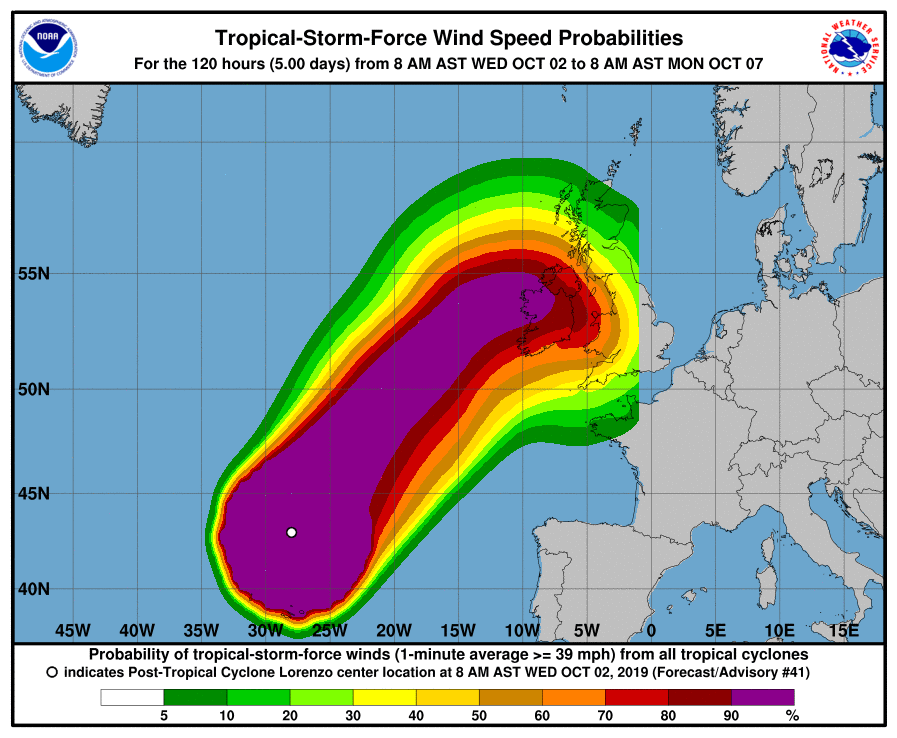
Autumn is hurricane season in the north tropics and indeed 2019 does not make exception from this point of view. After Dorian hitting Bahamas and North Carolina, the American National Hurricane Center named Lorenzo a tropical depression originating near Capo Verde. On September 25th Lorenzo became a category 1 hurricane, according to the Saffir-Simpson scale. …[Read More]