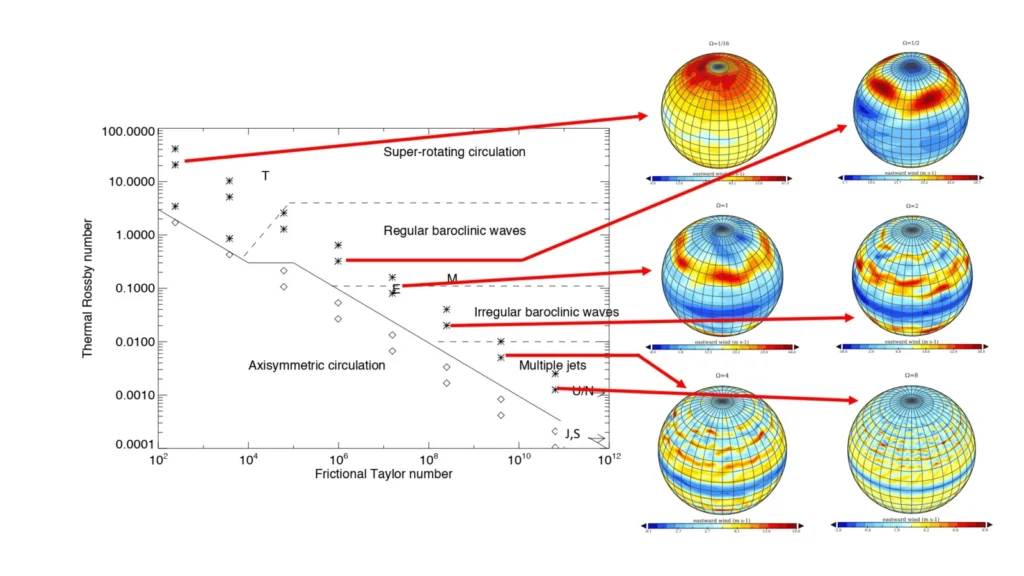
Today’s our blog hosts a review article by the 2016 EGU Richardson medallist Peter Read, together with Daniel Kennedy, Neil Lewis, Hélène Scolan, Fachreddin Tabataba-Vakili, YixiongWang, Susie Wright, and Roland Young for the special issue of NPG celebrating 100 years of IUGG (https://npg.copernicus.org/articles/27/147/2020/npg-27-147-2020.html). One of the great achievements of the past 100 years in fluid …[Read More]
Division blogs
Geodynamics
Understanding intraplate earthquakes
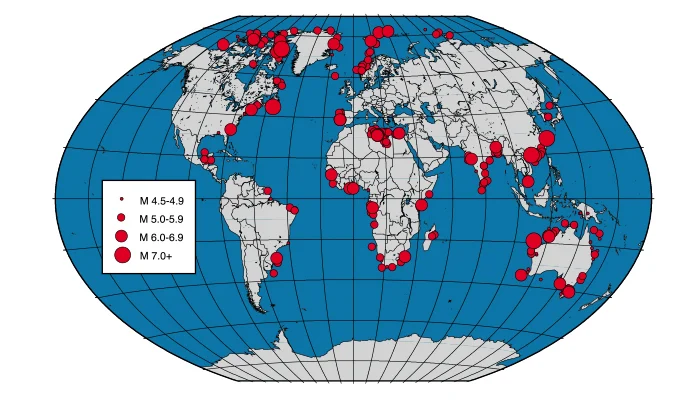
One of the basic tenets of plate tectonics states that deformation occurs along plate boundaries while plate interiors remain almost undeformed. Intraplate earthquakes defy this principle and hence are quite enigmatic. In this week’s News and Views, Prof. Attreyee Ghosh from the Centre for Earth Sciences, Indian Institute of Science, tries to explain the …[Read More]
Natural Hazards
DE BELLO VULCANICO 40-year scientific effort of ‘predicting the unpredictable’ since the 1980 eruption of Mount Saint Helens
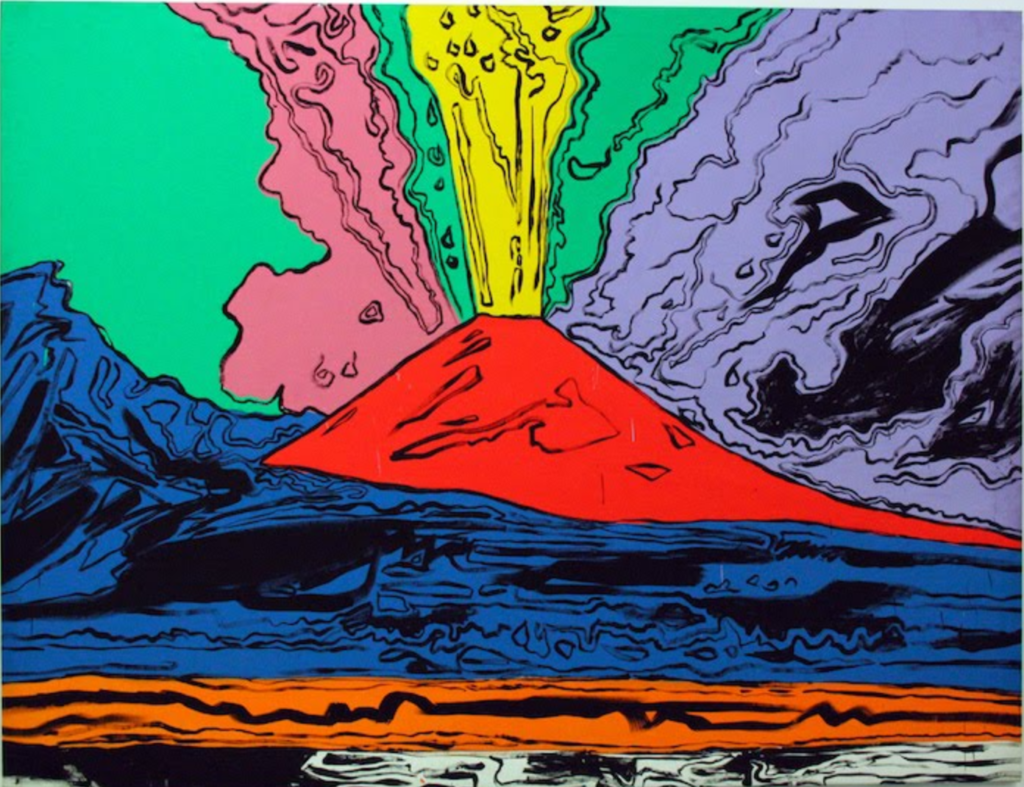
Volcanoes arouse emotions in the soul of men: at the same time, they are fascinating and frighten the population that lives on their slopes when they erupt (Fig. 1). Volcanoes can strike without warning and wreak horrific destruction and death. As such, in the ancient time, volcanoes discharging explosive eruptions have been interpreted as the …[Read More]
Soil System Sciences
#Black in Soil Science
Inspired by the recent #Black in Geoscience blog post on the EGU Geodynamics Division blog, we decided to highlight Black soil scientists in a separate blog post! As we already mentioned on Twitter, our Soil System Sciences Division Outreach team is busy thinking about what we can do about the lack of diversity, esp. for …[Read More]
Geochemistry, Mineralogy, Petrology & Volcanology
#MINERALMONDAY: Bismuth
It’s not so common for us to think about pure metals as minerals, or even crystals, but just like pinocchio could be a real boy, pure metals can be minerals too. This is because, if the metal cools down from a melt very slowly, layers of metal atoms can add onto previously solidified atoms, forming …[Read More]
Cryospheric Sciences
Image of the week – The curious case of “glacier mice”
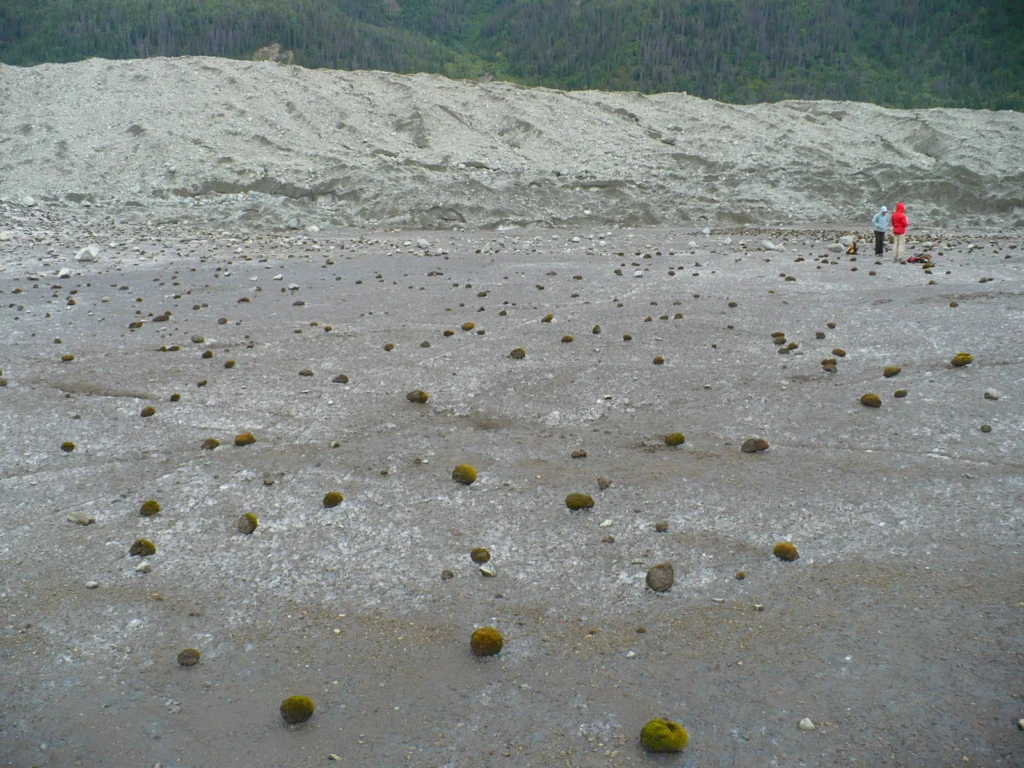
Did you know that glacier mice can be found at the surface of some glaciers? They’re not the tiny rodent you might be imagining, but actually little balls of moss, which appear to be full of mysteries still to be uncovered… What is a “glacier mouse”? On glaciers around the world, mostly at high-latitudes in the …[Read More]
Tectonics and Structural Geology
Mind your head: The Imposter Syndrome
This Mind Your Head blog post is a follow-up from one of the talks during the online short course on mental health that aired during the last EGU General Assembly. Imposter syndrome is about the feeling of being afraid to be found to be an imposter. Note that I do not claim to be an …[Read More]
Geodynamics
The Sassy Scientist – Dress Code Delirium
Unsettled by a well-nigh void wardrobe, Giuseppe bethinks himself of his scholarly stature and posits to moot that his foibles and idiosyncrasies are promulgated through a predilection for plebeian raiments: What should a scientist dress like? Dear Giuseppe, Firstly, heave thine integral collection of aforementioned raiments atop a scorching blaze and instill upon thyself the …[Read More]
Geodynamics
Journey to the centre of the manuscript
During the working day, Matthew Kemp is a seismology PhD student at the University of Oxford. In his spare time, however, he writes and performs musicals about science as part of the duo Geologise Theatre, using stories to explain complex scientific concepts to a variety of audiences – from dinosaur extinction to climate change. In …[Read More]
Hydrological Sciences
Pathways towards solving the Unsolved Problems in Hydrology (UPH) – feedback from the EGU SGO chat session
At the EGU 2020 Sharing Geoscience Online (SGO) week, we had a chat room session dedicated to discuss progress and way forward on the 23 Unsolved Problems in Hydrology (UPH). As many of you, we experienced this exciting and fast-typing moment of discussing in-depth scientific issues during a short-duration, text-only chat. Many ideas were typed …[Read More]