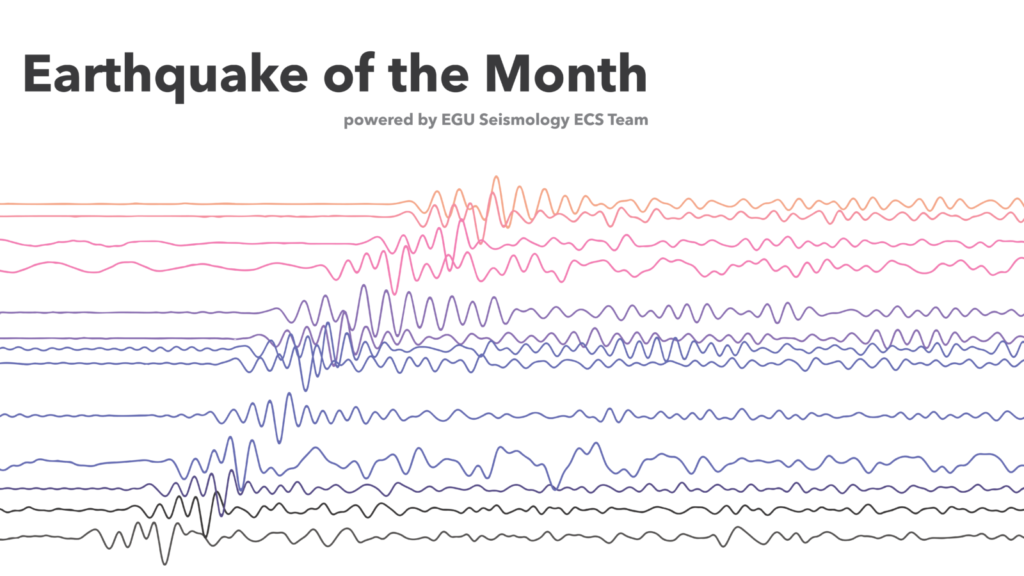
As well as August, September was not highlighted by a large event (> M 7). The TOP 3 strongest earthquakes which occurred during this month correspond to a strike-slip earthquake in the Mid-Atlantic Ridge (M 6.9), an interplate EQ in central-north Chile (M 6.8), and another EQ in a different segment of the Mid-Atlantic Ridge …[Read More]
Division blogs
Nonlinear Processes in Geosciences
Can we connect the exceptional floods in France and Italy associated with the storm Alex to climate change?
The first days of October were marked by an extreme weather event: storm Alex, a cyclone of Atlantic origin, caused massive showers and thunderstorms over Provence, the Alps, Piedmont and Liguria. In these regions, numerous historical records of precipitation were broken causing the flooding of several streams and rivers in which many people lost their …[Read More]
Geodynamics
Interactive and Collaborative Virtual Reality Visualization for Geodynamics
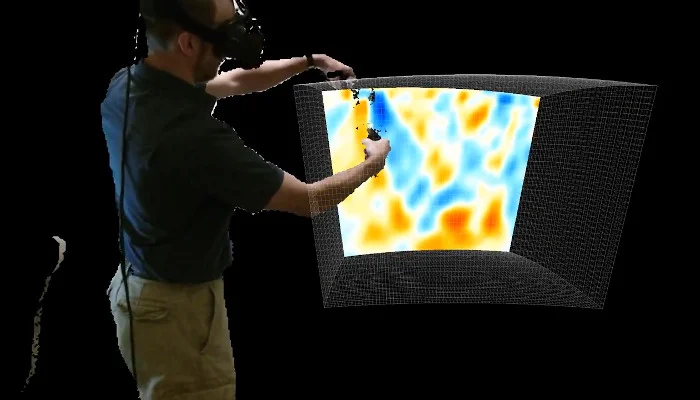
Nowadays geodynamics can involve a lot of 3D data which has to be analyzed. This week Oliver Kreylos, a researcher with the UC Davis W.M. Keck Center for Active Visualization in the Earth Sciences (KeckCAVES) and the UC Davis DataLab, shows us an alternative to looking at 3D data or models on a 2D screen: …[Read More]
Hydrological Sciences
Virtual Meetings: Hypnotic sedative or effective stimulant?
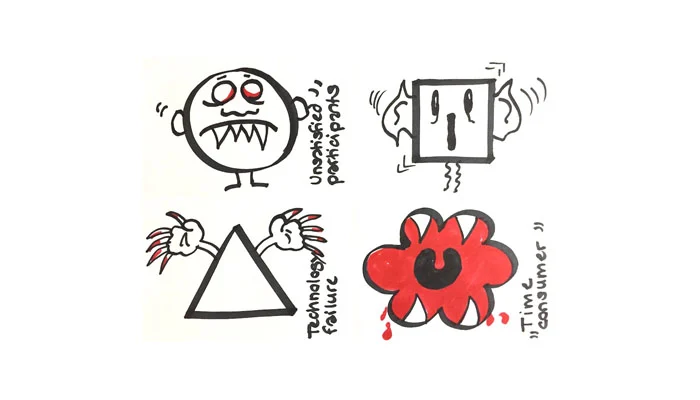
Some people claim that teaching online courses or virtual workshops is not very different from face-to-face meetings. In my experience, however, it is much harder to sneak away secretly from a half-occupied seminar room than to withdraw from a virtual meeting where you simply mute the speaker to work on your emails located only one …[Read More]
Tectonics and Structural Geology
TS Must-Read – Wilson (1966) Did the Atlantic close and then re-open?
J.T. Wilson published “Did the Atlantic close and reopen?” in 1966, giving birth to the so called “Wilson Cycle”. The article is a key steppingstone for the theory of plate tectonics, and it is a must-read paper not only in tectonics studies but also in paleontology and stratigraphy. The questions raised can be generally abridged …[Read More]
Natural Hazards
Natural Hazards 101: The concept of risk
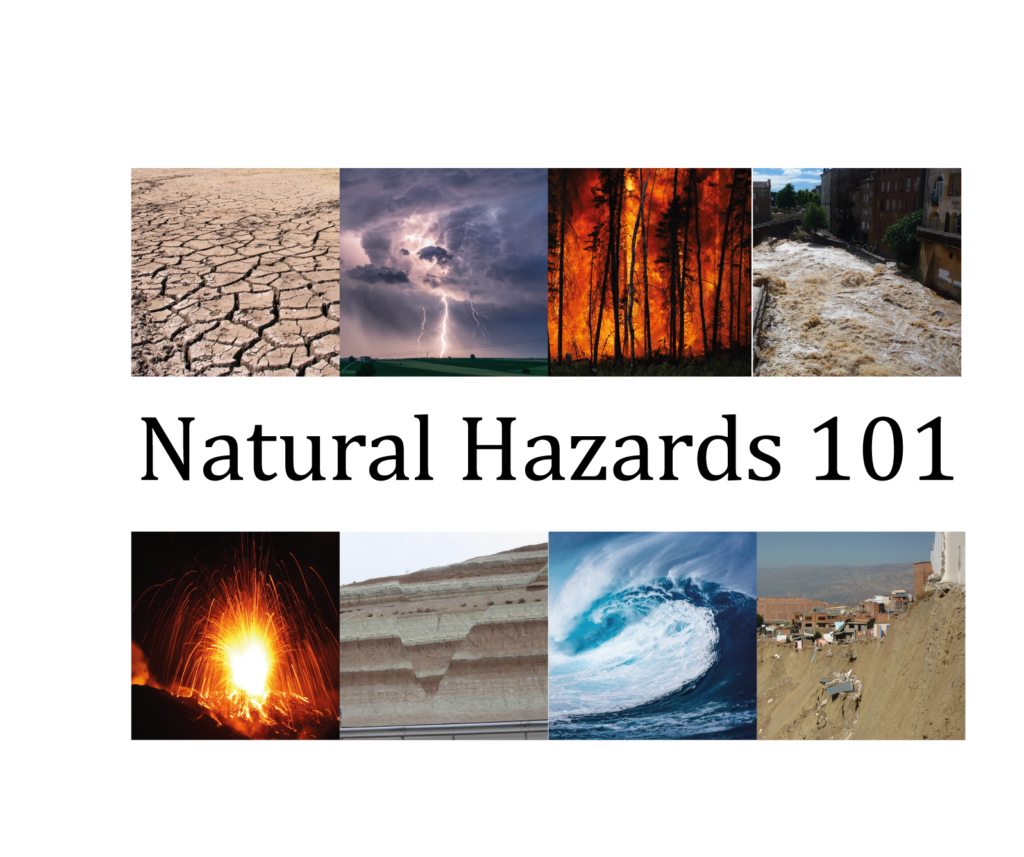
In the first episode of the series of posts called Natural Hazards 101, we focused on the definition of hazard and natural hazard, considering the recent literature. In this episode, we wish to draw your attention to the concept of risk. Although a commonly used word, the term risk might mean different things to …[Read More]
Seismology
The Journey of an Antarctic Seismologist
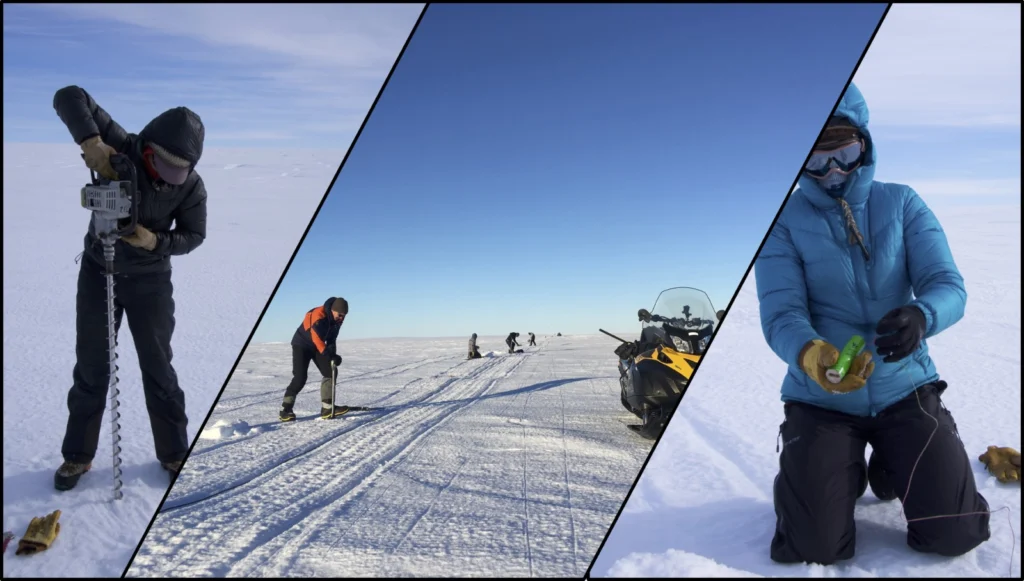
Thwaites Glacier is a massive region of the West Antarctic Ice Sheet on par with the size of Pennsylvania or the island of Britain and is over a mile thick in many places. It is currently retreating rapidly and is a likely candidate to contribute the most to rapid sea-level rise over the next few …[Read More]
Geochemistry, Mineralogy, Petrology & Volcanology
GMPV ECS Online Talks: 20th October
The 4th edition of the Geochemistry, Minerology, Petrology and Volcanology division’s early career scientists talks will be on Tuesday 20 October 10am CEST. Our speakers are: Alexis Bougouin (Université Clermont Auvergne) – ‘Experimental study of tsunamis generated by pyroclastic flows’ Carrie Soderman (University of Cambridge) – ‘Heavy stable Fe isotopes in OIB: tracing mantle sources …[Read More]
Cryospheric Sciences
Lost in transl[ice]tion…
Three years have passed since sea-ice scientists from both climate modeling and remote sensing backgrounds met for an international workshop in Hamburg. The goal was to discuss how to further improve our understanding of sea ice and reduce uncertainties in climate models and observations (see this previous post). One suggestion was to work on observation …[Read More]
Geodynamics
The Sassy Scientist – sassy.disp(title = ‘geo-programming’);
With time to spare during self-isolation and local lockdown, Mark wonders: What programming language should I learn for my geoscience career? Dear Mark, The pandemic has made us look long and hard at our career choices. Were you inspired as a student by a cool field geologist in a documentary? Were you profoundly marked by …[Read More]